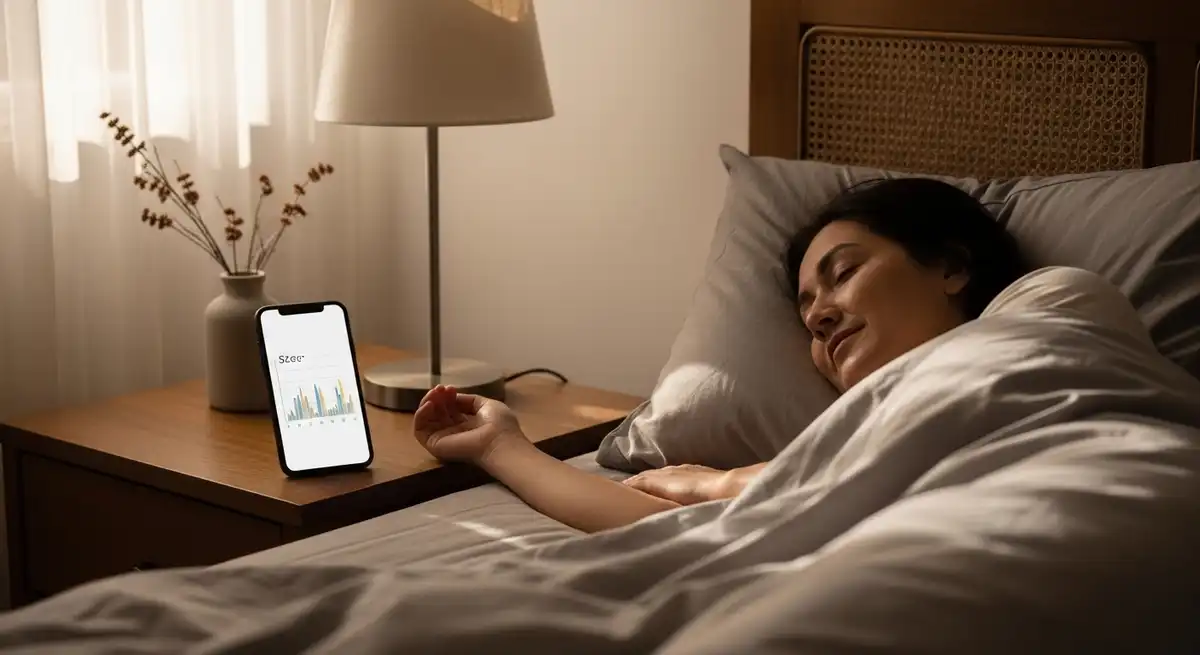
Sleep has become a daily concern for many adults managing work, family responsibilities, and personal wellbeing. Feeling tired after what seems like enough rest often leads people to question sleep quality rather than hours alone. This editorial review explains how sleep tracking apps are commonly used, what they realistically measure, and how they fit into everyday lifestyle routines without replacing professional medical care.
Understanding Sleep Tracking as a Lifestyle Tool
Sleep tracking apps are generally designed to support awareness of daily habits rather than diagnose health conditions. They observe indirect signals such as movement, breathing rhythm, or heart rate changes and convert them into simple summaries. Wellness educators often describe these tools as lifestyle supports that help people notice patterns around bedtime consistency, sleep duration, and recovery trends.
In everyday routines, sleep tracking is most useful when approached calmly and consistently. Many people find that weekly or monthly reviews feel more meaningful than checking nightly scores. This approach helps maintain perspective, especially for parents and working professionals whose schedules naturally vary.
How Consumer Sleep Tracking Technology Works
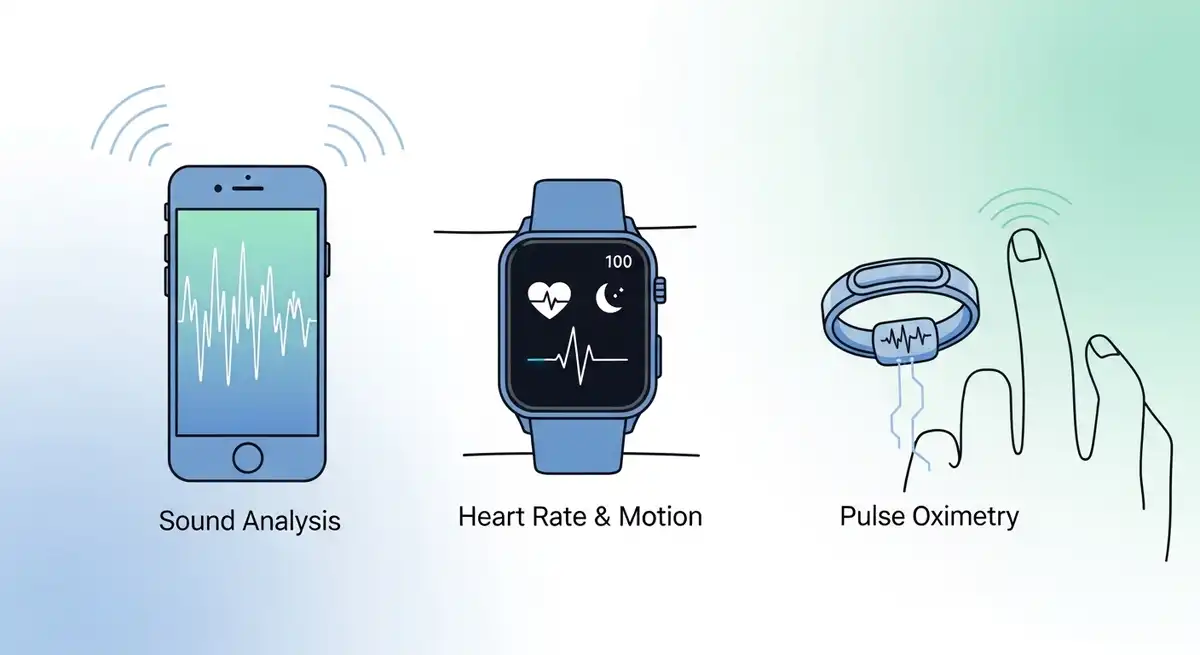
Most consumer sleep tracking apps rely on actigraphy, a method that uses motion sensors to estimate rest and activity. When combined with sound analysis or heart rate data, these tools create a broader picture of overnight behavior. Research institutions generally agree that sleep and wake detection is fairly accurate, while sleep stage detail remains an estimate.
These tools are not designed to replace laboratory sleep studies. Polysomnography measures brain activity and breathing directly, which consumer apps cannot do. For everyday wellness use, the value lies in identifying habits that repeat over time, such as late bedtimes or frequent awakenings.
Sleep tracking apps: 1. Sleep Cycle, Best Overall for Everyday Use
Sleep Cycle is widely used because it works without a wearable and fits easily into daily life. The app uses the phone microphone and motion sensors to estimate sleep phases across the night. Its design focuses on clarity and ease, which makes it approachable for people who want straightforward feedback without complex setup.
A central feature of Sleep Cycle is the smart alarm, which wakes users during lighter sleep within a selected time window. Many people report feeling less groggy when waking during lighter sleep, although experiences vary. This feature is often used by working adults who need gentle mornings without abrupt alarms.
Sleep Cycle also provides trend charts showing bedtime consistency and sleep efficiency across weeks. These summaries help users reflect on habits rather than individual nights. In everyday contexts, the app is typically used to guide small routine changes, not to judge sleep quality.
2. Oura Ring, Accuracy-Focused Wearable Tracking
The Oura Ring is a wearable sleep tracker worn on the finger, where pulse signals are strong and stable. It measures heart rate variability, body temperature trends, and movement to estimate sleep and recovery. Independent validation studies often show high agreement with clinical sleep and wake timing.
Because it collects physiological data, the ring offers broader context around rest and readiness. Many users value the integrated scores that combine sleep, activity, and recovery into a single overview. This format suits adults who want passive tracking without interacting with an app every morning.
Oura is commonly used as a long-term lifestyle tool rather than a short-term solution. Reviewing trends over several weeks helps users notice how travel, stress, or workload influence rest. In everyday use, it supports reflection and routine adjustment rather than quick fixes.
3. SleepScore, Non-Wearable Sonar-Based Tracking
SleepScore uses biomotion sonar technology that sends inaudible sound waves from a smartphone to detect breathing and movement. This allows sleep tracking without wearing any device, which many people find more comfortable. The app focuses on sleep duration, efficiency, and consistency rather than precise sleep stages.
The sonar system works best in quiet, stable bedroom environments. Single sleepers often see more reliable results, while shared rooms may introduce interference. In typical use, SleepScore is valued for its detailed reports that explain how environment and routine affect sleep quality.
SleepScore also provides educational coaching linked to collected data. These insights often relate to light exposure, room temperature, and bedtime habits. Many people use these suggestions as general lifestyle guidance rather than strict rules.
4. AutoSleep, Apple Watch Integration with Privacy Focus
AutoSleep is designed specifically for Apple Watch users and operates automatically without manual input. It uses heart rate variability, motion data, and sleep onset detection to estimate sleep patterns. This automation appeals to people who prefer passive tracking that blends into daily routines.
A notable feature of AutoSleep is its sleep bank, which estimates cumulative sleep shortfall over time. This long-term view helps users understand fatigue during busy weeks rather than focusing on one poor night. Many working adults find this perspective more realistic.
AutoSleep stores data locally on the device, which appeals to privacy-conscious users. It is typically used as a long-term awareness tool that encourages consistency and reflection. Learning its charts gradually helps users apply insights calmly.
5. Sleep as Android, Advanced Customization for Android Users
Sleep as Android is known for extensive customization and compatibility with many Android devices. It supports movement-based tracking, sonar-based breathing analysis, and integration with various wearables. This flexibility attracts users who enjoy adjusting settings to suit personal preferences.
The app includes features such as CAPTCHA alarms and snoring detection, designed to improve morning alertness and awareness. These tools are often used by people who struggle with oversleeping or fragmented rest. In everyday use, features are optional rather than required.
Sleep as Android suits users comfortable exploring data and settings. Consistent placement and configuration are important for meaningful results. When used thoughtfully, it supports habit observation without encouraging constant monitoring.
Accuracy Expectations and Clinical Reality
Consumer sleep tracking apps are not substitutes for clinical sleep assessments. Polysomnography remains the standard for diagnosing sleep disorders because it measures brain activity directly. Wellness educators consistently emphasize that apps support awareness, not medical decisions.
Most consumer trackers perform well at identifying sleep versus wake periods. Sleep stage estimates are less precise and can vary between devices. Understanding this limitation helps users maintain realistic expectations and avoid unnecessary concern.
In everyday routines, focusing on patterns rather than details supports emotional balance. Many people benefit from reviewing summaries occasionally instead of checking nightly scores. This approach aligns with responsible wellness use.
Orthosomnia and Healthy Data Relationships
Orthosomnia refers to stress caused by striving for perfect sleep metrics. Excessive focus on numbers can increase mental arousal at bedtime, which may interfere with rest. Wellness professionals often encourage flexible use to prevent data becoming a source of pressure.
Healthy use involves accepting variability as normal. Sleep fluctuates due to workload, family needs, and life events. Viewing data as descriptive rather than judgmental supports a calmer relationship with tracking tools.
Parents and working mothers may benefit from limiting how often they review sleep data. Weekly reflections are commonly associated with lower stress than nightly checks. This practice supports balance without losing awareness.
Matching Sleep Apps to Lifestyle Needs
Choosing a sleep tracking app depends on personal preferences and daily context. Phone-based apps suit people who value simplicity, while wearables appeal to those wanting physiological data. Privacy concerns, comfort, and budget also influence decisions.
Consistency matters more than technology choice. Tracking for several weeks allows patterns to emerge. Many people find that committing to one tool prevents confusion caused by comparing multiple sources.
Lifestyle guidance generally suggests using sleep data to support small, manageable changes. Adjustments like earlier bedtimes or gentler mornings are commonly explored. These changes remain flexible and realistic.
Relevance for Parents and Working Adults
Parents and working adults often experience irregular sleep due to responsibilities beyond their control. Sleep tracking can provide reassurance by showing that occasional poor nights fit into broader patterns. This perspective helps reduce self-blame.
Many caregivers use sleep data to identify opportunities for rest rather than perfection. For example, noticing short weekday sleep may encourage earlier weekends or daytime rest. This approach supports realistic planning.
Working mothers often balance emotional and professional demands. Using sleep tracking as neutral information rather than a performance score supports emotional wellbeing. Calm interpretation helps integrate rest awareness into busy lives.
Fully Expanded FAQs
Which sleep tracking app is the most accurate
The most accurate consumer sleep tracking tools are usually wearables that combine heart rate variability with movement data. Devices like Oura Ring often align closely with clinical sleep and wake timing. Even so, these tools are best used for trend awareness rather than exact measurement.
Are there sleep tracking apps that work without a watch
Several sleep tracking apps work without wearables by using phone sensors and sound analysis. Examples include Sleep Cycle and SleepScore, which rely on phone placement near the bed. These apps are commonly chosen for comfort and simplicity.
Do sleep tracking apps help with insomnia
Sleep tracking apps do not diagnose or treat insomnia. They are often used to observe bedtime consistency, awakenings, and sleep duration patterns. When used gently, they support lifestyle reflection, but ongoing sleep concerns should be discussed with a professional.
Can sleep trackers detect sleep apnea
Consumer sleep trackers cannot diagnose sleep apnea. Some devices estimate breathing patterns or oxygen trends, which may raise awareness. Formal diagnosis requires clinical testing guided by a healthcare provider.
Why does a sleep tracker say someone is awake while asleep
Sleep trackers may interpret still wakefulness as sleep or small movements as wakefulness. These estimates rely on indirect signals rather than brain activity. Variations are normal and usually not a cause for concern.
What is the best free sleep tracker app
Free versions of Sleep Cycle and Sleep as Android provide basic sleep duration and trend insights. These features are often enough for general awareness. Advanced analytics are optional and paid.
Does sleeping with a phone nearby affect sleep tracking
Phone placement affects sleep tracking accuracy more than proximity itself. Devices should be positioned according to app guidance, usually on a bedside table. There is no clear evidence that proximity alone affects sleep quality.
Is AutoSleep better than the Apple Watch sleep app
AutoSleep offers deeper trend analysis and long-term sleep debt tracking than the native Apple Watch app. Some users prefer this detail, while others value simplicity. Preference depends on comfort with data.
How long should sleep be tracked to find patterns
Tracking sleep for three to four weeks allows meaningful patterns to appear. Shorter periods often show natural variability. Monthly reviews are commonly found helpful.
Can sleep tracking increase stress
Sleep tracking can increase stress when users focus too closely on nightly scores. Limiting review frequency and focusing on averages supports healthier use. Balanced interpretation protects emotional wellbeing.
Editorial Conclusion
Sleep tracking apps are commonly used lifestyle tools for understanding rest patterns in modern life. When used calmly and consistently, they offer insight into habits rather than answers to health concerns. A balanced approach that values awareness over perfection allows these tools to support wellbeing responsibly.
Medical Disclaimer
This content is for informational purposes only and does not constitute medical advice. It is not intended to diagnose, treat, cure, or prevent any disease. Always consult a qualified healthcare provider regarding sleep concerns or before making significant health-related changes.
For wider background on this, see the National Heart, Lung, and Blood Institute on sleep.