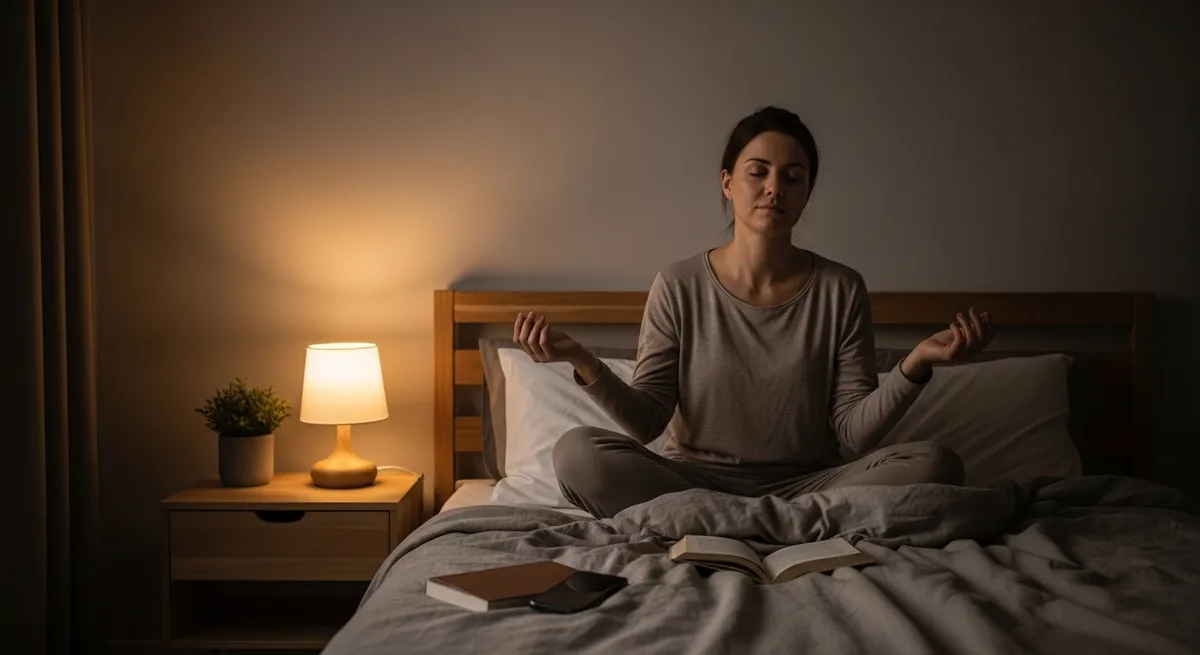
Stress often builds quietly through daily responsibilities, deadlines, and constant mental activity, making it difficult to feel settled even during rest. Many people notice their internal dialogue becomes rushed or critical, which adds emotional pressure over time. In everyday wellness routines, affirmations are often used as a simple way to support calmer thinking and steady responses.
Affirmations are short, intentional statements that help guide attention toward supportive and balanced thoughts during challenging moments. Wellness educators describe them as tools for shaping internal dialogue rather than forcing positivity. When practiced regularly, affirmations are widely used as a lifestyle support method for maintaining emotional steadiness and reducing everyday overwhelm.
Understanding 20 Affirmations for Stress Reduction in Daily Life
Affirmations for stress reduction are clear, repeatable statements used to support a calmer mental state during daily activities and demanding situations. They are often linked with mindfulness practices that focus on breathing and awareness. In real life, people use affirmations during morning routines, short breaks, or quiet moments to steady their thoughts.
Research in psychology suggests that self-affirmation practices can influence how the brain responds to stress. Studies from Carnegie Mellon University found that affirmations may support more balanced reactions during pressure situations. These findings suggest affirmations work best as a supportive habit, not as a replacement for other wellness practices.
In practical use, affirmations are not about ignoring problems or pretending everything is perfect. They help shape a more stable internal response to situations that feel overwhelming. Lifestyle guidance often recommends pairing affirmations with breathing or relaxation techniques for consistency and better results over time.
The Role of Self-Talk and Emotional Awareness
Self-talk refers to the internal conversation that shapes how you interpret and react to situations. When this dialogue becomes negative or overly critical, it can increase tension and reduce clarity. Affirmations are commonly used to gently guide this inner voice toward more balanced and supportive language.
Emotional awareness helps you notice when stress is building before it becomes overwhelming. This awareness allows affirmations to be used at the right moment, creating a pause instead of reacting automatically. Over time, this habit can make daily challenges feel more manageable and less intense.
Many wellness routines combine affirmations with mindfulness techniques to strengthen emotional regulation. This combination helps create space between thoughts and reactions, allowing more thoughtful responses. With regular practice, people often find it easier to stay steady during stressful situations.
Common Thinking Patterns That Increase Stress
Filtering is a thinking pattern where attention stays fixed on negative details while ignoring positive aspects of a situation. This habit can make small problems feel much larger than they are. Affirmations are often used to bring attention back to a more balanced and realistic perspective.
Catastrophizing involves expecting the worst outcome even when there is little evidence to support that belief. This pattern increases anxiety and can make decision-making more difficult. Affirmations help interrupt this cycle by encouraging calmer and more grounded thinking.
Personalizing and using “should” statements can create pressure by assigning blame or unrealistic expectations. These patterns often come from habits of comparison or perfectionism. Affirmations are commonly used to replace these thoughts with more compassionate and flexible perspectives.
20 Affirmations for Stress Reduction Explained One by One
1. I release tension with each breath I take
This affirmation is often used with slow breathing to support relaxation in both body and mind. It encourages awareness of physical tension and helps you gently release it through steady breaths. Many people repeat this during short pauses to reset focus and reduce immediate stress.
2. I allow myself to slow down and reset
This statement supports the idea that rest is a normal and necessary part of daily life. People often use it when they feel overwhelmed by constant tasks or expectations. It helps create mental space without attaching guilt to taking a break.
3. I choose peace over pressure
This affirmation reminds you that your internal response can remain calm even when external demands feel intense. It shifts attention away from urgency and toward emotional steadiness. Over time, it supports more thoughtful reactions in stressful situations.
4. I let go of what I cannot control
This statement helps reduce stress caused by trying to manage outcomes beyond your control. It encourages focusing on actions you can take instead of worrying about uncertain results. Many people use it to support acceptance in challenging situations.
5. My worth is not defined by my to-do list
This affirmation separates personal value from productivity or daily achievements. It is commonly used when work or responsibilities feel overwhelming. Repeating it helps create a healthier perspective on self-worth and reduces performance-related stress.
6. I am safe to pause and rest
This statement reinforces that taking breaks is safe and necessary for maintaining balance. It is often used when it feels difficult to relax due to constant mental activity. Over time, it helps build comfort with rest and recovery.
7. I meet stress with kindness, not criticism
This affirmation encourages a gentle and supportive response to your own emotions. Instead of self-judgment, it promotes understanding and patience during difficult moments. This approach helps reduce inner tension and supports emotional balance.
8. I trust myself to handle challenges calmly
This statement focuses on building confidence in your ability to manage everyday situations. It is often used during uncertain or demanding tasks. Repeating it supports a steady sense of capability without creating unrealistic expectations.

9. This feeling is only temporary
This affirmation helps create perspective during moments of stress or discomfort. It reminds you that emotions change and do not last forever. Many people use it to reduce panic and allow space for calmer thinking.
10. I am present instead of rushing ahead
This statement brings attention back to the present moment rather than worrying about the future. It is often used during mindfulness practices or daily routines. It supports focus and reduces mental overload.
11. I inhale peace and exhale worry
This affirmation pairs naturally with breathing exercises to create a calming rhythm. It connects physical breathing with mental relaxation. People often use it during short breaks to ease tension quickly.
12. Delegation is not failure; I can ask for help
This statement supports the idea that asking for help is practical and normal. It is commonly used in work or family settings where responsibilities feel heavy. It helps reduce pressure and encourages shared effort.
13. I trust everything will work out as it should
This affirmation supports acceptance when outcomes are uncertain. It encourages a balanced outlook without ignoring responsibility. Many people use it to stay grounded during situations they cannot fully control.
14. I protect my time and energy with compassion
This statement focuses on setting boundaries in a respectful and balanced way. It is often used when managing multiple responsibilities. It supports sustainable routines and reduces the risk of burnout.
15. I have done my best today, and that is enough
This affirmation is often used at the end of the day to support closure and rest. It helps reduce overthinking about unfinished tasks. It encourages acknowledging effort instead of focusing only on results.
16. I am strong, capable, and resilient
This statement reinforces a steady and balanced sense of self. It is commonly used to maintain confidence during ongoing challenges. It supports a grounded belief in personal ability.
17. I replace worry with steady action
This affirmation encourages shifting focus from overthinking to small, practical steps. It is often used when feeling stuck or uncertain. It supports gradual progress without creating pressure.
18. I am at peace with my past and trust my future
This statement supports emotional balance by addressing both past experiences and future concerns. It is often used during reflection or journaling. It encourages a steady and forward-looking mindset.
19. I can feel anxious and still move forward
This affirmation acknowledges that discomfort can exist while still taking action. It is often used in situations where avoidance might occur. It supports resilience and steady participation in daily life.
20. Calm is my natural state
This statement reinforces that calmness is accessible and familiar. It reminds you that stress is temporary, not permanent. Over time, it supports returning to a balanced emotional state more easily.
Practical Ways to Use Affirmations in Daily Routines
Affirmations work best when they are repeated regularly in simple and manageable ways. Many people include them in morning routines, quiet breaks, or before sleep to create consistency. This steady practice helps build familiarity without adding pressure to daily schedules.
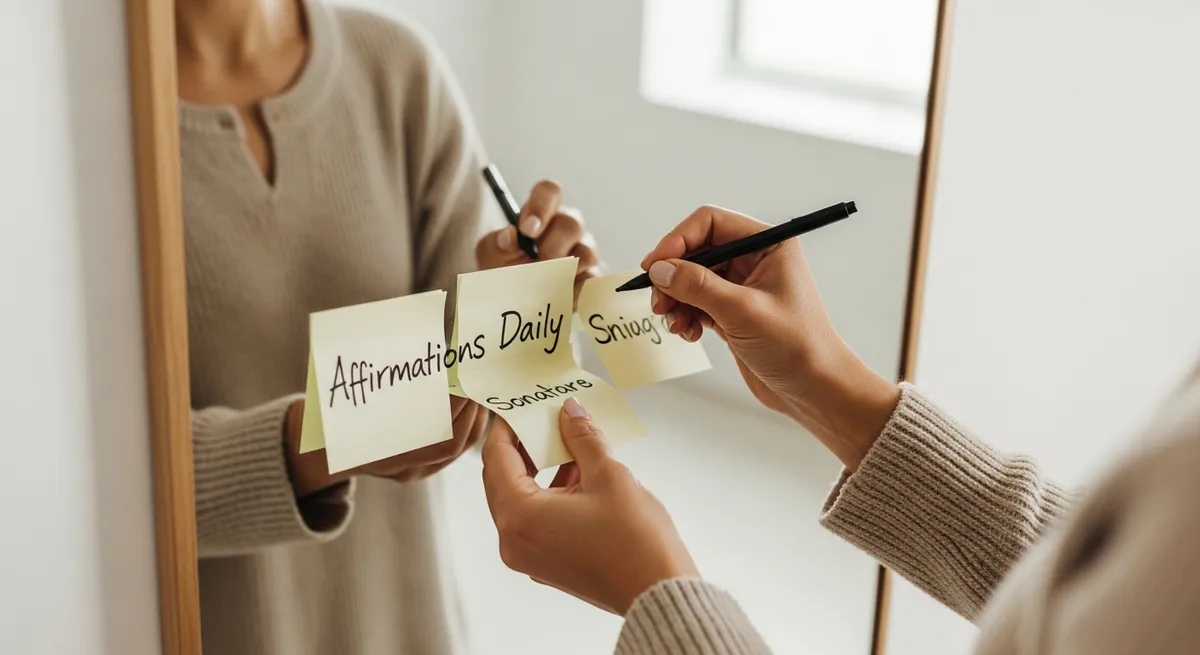
Writing affirmations and placing them where you can see them is a common and practical approach. This might include mirrors, desks, or phone reminders that prompt regular repetition. Over time, these visual cues make affirmations feel more natural and integrated into daily life.
Listening to affirmations or repeating them during walking or light activity is another widely used method. This approach combines movement with mental focus, making the practice easier to maintain. It allows affirmations to fit into everyday routines without requiring extra time.
Relevance for Working Adults and Family Life
For working individuals, affirmations are often used to manage deadlines, responsibilities, and communication demands more calmly. They provide brief mental pauses that support clearer thinking during busy schedules. This can help improve focus and reduce unnecessary tension at work.
In family life, affirmations are commonly used to maintain patience and emotional steadiness during caregiving or parenting situations. They help create small moments of reset during demanding routines. This approach supports more balanced and thoughtful interactions.
Balancing work and personal life requires consistent attention to mental and emotional habits. Affirmations are often included as part of broader wellness routines to support this balance. They are considered a practical and flexible tool for everyday stability.
Frequently Asked Questions
Do affirmations actually work for stress reduction
Affirmations are commonly used to support balanced thinking and emotional awareness in daily life. Research suggests they may influence how people respond to stress by shaping internal dialogue. They work best when practiced consistently alongside other healthy routines such as rest, movement, and mindful breathing.
How do affirmations change the brain’s response to stress
Affirmations are linked to brain areas involved in self-processing and emotional regulation. Studies suggest they may help reduce stress responses during challenging tasks. Over time, repeated use can support calmer reactions by strengthening more balanced thinking patterns.
What is the best time of day to say affirmations
Affirmations are often practiced in the morning or before sleep when the mind is more relaxed. They can also be used during short breaks throughout the day. Regular timing helps build consistency, which supports long-term effectiveness.
Can affirmations lower cortisol levels naturally
Some research suggests affirmations may influence stress-related hormone responses in certain situations. However, results vary depending on individual habits and consistency. They are generally used as a supportive practice rather than a direct method for hormone control.
How many times a day should affirmations be repeated
Many people repeat affirmations two or three times daily as part of simple routines. Short and consistent practice is often more helpful than long sessions done occasionally. The frequency can be adjusted based on personal comfort and schedule.
What is the difference between an affirmation and a mantra
Affirmations focus on meaningful statements that guide thinking patterns, while mantras often involve repeated sounds or words without direct meaning. Both are used in different traditions. Affirmations are more commonly applied in modern daily routines for stress awareness.
Why do affirmations sometimes feel unrealistic
Affirmations may feel unrealistic when they do not match current beliefs or experiences. Starting with neutral or gradual statements can make them feel more natural. With repetition, many people find it easier to accept and use them effectively.
Can affirmations support work-related stress management
Affirmations are often used to create small mental pauses during work-related challenges. They support clearer thinking and reduce internal pressure. This makes them a useful addition to broader stress management strategies.
Are affirmations useful for nighttime relaxation
Affirmations are commonly included in evening routines to support a calmer mental state before sleep. They are often paired with breathing or relaxation techniques. This helps create a sense of closure at the end of the day.
How long does it take to notice the effects of affirmations
The experience of affirmations varies depending on consistency and individual habits. Some people notice immediate calming effects, while others observe gradual changes over time. Regular practice is generally considered important for noticeable benefits.
Conclusion
20 affirmations for stress reduction offer a simple and accessible way to support emotional balance in everyday life. When practiced regularly, they help create steady thinking patterns and reduce mental overload. This approach supports a calmer and more balanced response to daily challenges over time.
Medical Disclaimer
This content is for informational purposes only and does not constitute medical advice. Consult a qualified healthcare provider before starting any new health practice, especially if you have existing medical conditions or ongoing mental health concerns.
Image Generation Prompts
For wider background on this, see the American Psychological Association on mindfulness.