
Feeling behind in life is a quiet but persistent experience shared by many adults across different ages and responsibilities. It often develops slowly through comparison, shifting expectations, and changing life roles rather than from any single mistake or failure. Understanding this feeling as a common human response, rather than a personal flaw, helps reduce self-judgment and supports steadier emotional balance.
Modern life offers endless visibility into other people’s achievements while providing fewer clear markers for personal progress. Careers, family life, health routines, and personal goals rarely follow neat timelines anymore. When progress feels unclear, the mind often fills the gap with comparison, which can quietly erode confidence over time.
This article offers an educational and lifestyle-focused explanation of why the feeling of being behind develops and how people commonly respond to it in grounded, everyday ways. The information shared here is not therapeutic or diagnostic in nature. It is intended to support reflection, perspective, and healthier daily habits that many people find useful.
Stop feeling behind time: Understanding the Experience of Feeling Behind
Feeling behind usually reflects a gap between personal reality and perceived social expectations. People often evaluate their lives against visible milestones such as job titles, income levels, relationships, or parenting stages, even when those markers do not reflect personal values or circumstances. This mismatch can create persistent unease, despite steady effort or responsibility.
During earlier life stages, progress is often structured through clear systems such as grades, exams, or promotions. Adulthood removes many of those structures and replaces them with open-ended choices. Without clear benchmarks, comparison becomes a default way to assess progress, even though it is often inaccurate.
This experience appears across many areas of life, including work, family, health, and personal growth. Recognizing that the feeling of being behind is widespread helps reduce isolation and reframes it as a shared challenge rather than an individual shortcoming.
The Role of Social Conditioning and Timelines
Social conditioning strongly shapes ideas about what a successful life should look like and when achievements should occur. Cultural narratives often reward early accomplishment and treat slower or different paths as failure, even when those paths are practical or meaningful. These messages influence self-worth quietly over time.
Media and social platforms reinforce narrow success stories by highlighting outcomes without showing the effort, support, or setbacks behind them. Repeated exposure can make exceptional paths seem normal and normal paths seem inadequate. This distortion affects perception more than reality.
Viewing timelines as social constructs rather than fixed rules allows space for flexibility. When people question whose standards they are following, they often feel less pressure to rush and more permission to move at a sustainable pace.
Comparison and Self-Evaluation in Daily Life
Comparison is a natural human behavior that helps people understand social norms and belonging. Problems arise when comparison becomes the primary way of measuring worth. People tend to compare their internal struggles with others’ public achievements, creating an unfair and emotionally draining contrast.
Digital platforms intensify this effect by encouraging constant observation of curated moments. Career updates, parenting highlights, and lifestyle milestones often appear without context. This selective visibility can distort perceptions of what progress actually looks like for most people.
Reducing comparison does not require avoiding others entirely. It involves recognizing comparison as incomplete information and grounding self-evaluation in personal circumstances, effort, and lived experience rather than appearances.
Emotional Impact of Persistent Self-Judgment
Ongoing feelings of being behind are often accompanied by harsh internal self-talk. Thoughts may frame delays as personal failure instead of neutral life variation. Over time, this pattern can affect motivation, confidence, and emotional steadiness.
Self-judgment often increases during transitions such as career changes, caregiving phases, or health challenges. These periods reduce visible output while increasing invisible work and emotional labor. Without acknowledgment, this imbalance can feel discouraging.
Learning to notice self-critical thoughts without accepting them as facts creates emotional distance. Many people find that naming these thoughts as reactions rather than truths reduces their intensity and influence.
Mindfulness as a Lifestyle Support Tool
Mindfulness is commonly described as paying attention to present experiences with openness and without immediate judgment. In everyday life, it is often used to notice thoughts, emotions, and physical sensations as they arise. This awareness supports emotional regulation and perspective during stressful moments.
When applied to feelings of being behind, mindfulness helps people observe comparison-driven thoughts without acting on them. This pause between thought and reaction allows for more balanced responses. Over time, this practice supports steadier self-awareness.
Mindfulness is typically practiced through simple activities such as focused breathing, attentive walking, or noticing sensations during routine tasks. These practices are widely used as supportive lifestyle tools rather than treatments.
Shifting Focus from External to Internal Measures
External measures of success include income, job titles, and social recognition. While relevant, they offer limited insight into overall wellbeing. When self-worth depends heavily on these markers, emotional stability often fluctuates with circumstances.
Internal measures focus on effort, values, learning, and consistency. These indicators remain accessible regardless of outcomes. Tracking progress through personal benchmarks often feels more stable and realistic.
Shifting toward internal measures does not reject ambition. It broadens the definition of progress to include factors within personal influence, which supports resilience and long-term satisfaction.
The Myth of Linear Progress
Linear progress suggests steady upward movement without pauses or redirection. In reality, most lives include periods of growth, rest, reassessment, and change. Careers, relationships, and health routines rarely follow straight lines.
When linear progress is treated as the norm, natural pauses can feel like failure. This interpretation overlooks the value of recovery, learning, and adaptation. Many long-term achievements emerge from nonlinear paths.
Recognizing progress as uneven rather than flawed reduces urgency. This perspective supports patience and allows growth to unfold at a realistic pace.
Productivity Culture and Its Limitations
Productivity culture often equates constant output with personal worth. While structure and goals can be helpful, excessive focus on output can lead to exhaustion and dissatisfaction. Rest may feel undeserved, even when it is necessary.
Many adults, particularly parents and caregivers, perform large amounts of unpaid and invisible labor. Emotional support, household management, and caregiving contribute significantly to wellbeing but are rarely counted as productivity.
Reframing productivity to include maintenance and care supports healthier self-evaluation. Balanced productivity acknowledges effort and recovery as equally valuable.

Everyday Strategies People Commonly Use
Many people respond to feelings of being behind through small, consistent adjustments rather than major changes. Establishing routines aligned with personal values provides structure without excessive pressure. These routines focus on what is manageable.
Reducing exposure to comparison triggers is another common approach. This may involve limiting social media use or changing how platforms are used. Such boundaries often ease emotional strain.
Reflective practices such as journaling or periodic reviews help contextualize progress. Writing down effort and learning creates a fuller picture than memory alone.
Parenting and Caregiving Contexts
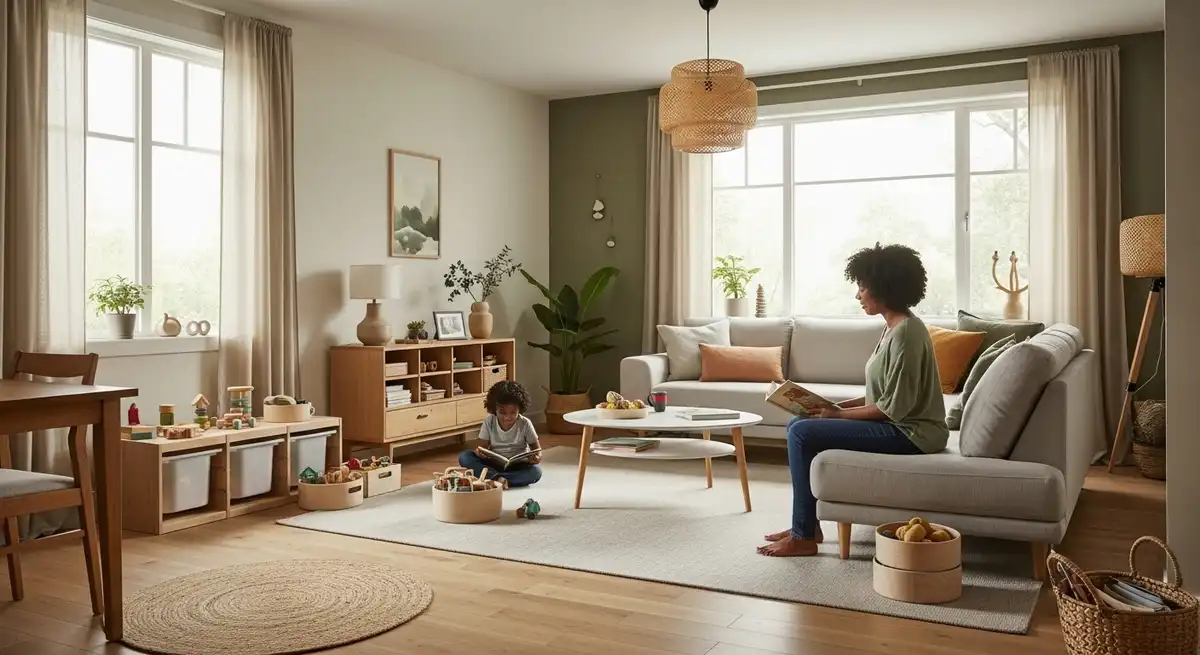
Parents and caregivers often experience heightened feelings of being behind due to shifting priorities and limited personal time. Care responsibilities reduce visible achievements while increasing emotional demands. Without recognition, this imbalance can affect self-worth.
Progress in caregiving roles often appears relational rather than measurable. Emotional presence, consistency, and responsiveness contribute meaningfully to family wellbeing. These contributions deserve acknowledgment.
Adjusting expectations during intensive caregiving phases supports emotional balance. Many caregivers find it helpful to redefine progress based on current realities.
Work Life and Changing Career Paths
Modern careers increasingly involve transitions, reskilling, and nonlinear paths. Breaks, lateral moves, and career shifts are common responses to changing industries and personal needs. Older career narratives often fail to reflect this reality.
Feeling behind at work often stems from outdated expectations rather than actual stagnation. Recognizing broader labor trends helps contextualize individual experiences.
Focusing on adaptability, learning, and alignment with values provides a steadier framework for assessing work-related progress.
Emotional Regulation and Perspective
Emotional regulation involves noticing emotions and responding thoughtfully rather than reactively. Feelings such as frustration or envy naturally arise when comparison appears. Regulation allows these emotions without letting them define self-worth.
Perspective helps place temporary emotions within a broader context. Fatigue, stress, and environment often influence how strongly emotions are felt. Recognizing this variability supports steadier responses.
Simple practices such as pausing, grounding, or writing reflections are commonly used to support emotional regulation.
Building Sustainable Routines
Sustainable routines emphasize consistency rather than intensity. Small actions repeated regularly are easier to maintain and provide visible effort. These routines often include basic movement, rest, and reflection.
Routines aligned with values feel supportive instead of restrictive. Overly ambitious routines may increase pressure. Adjusting routines during different life seasons supports sustainability.
Over time, consistent routines create a sense of momentum that counters feelings of stagnation.
Acceptance and Finite Capacity
Acceptance involves recognizing limits without resignation. Time, energy, and attention are finite. Accepting this reality supports intentional choice rather than scattered effort.
Clarifying priorities often reduces the feeling of being behind. Letting go of certain paths creates space for focus. This process supports emotional clarity.
Acceptance is ongoing and revisited as circumstances change. It reflects adaptation rather than giving up.
Lifestyle Reflection Without Judgment
Reflective practices are most helpful when approached without judgment. Curiosity supports learning, while criticism often blocks insight. Reflection becomes safer and more useful when framed as observation.
Regular reflection helps identify patterns and preferences. This information supports informed decisions. Over time, reflection guides adjustments rather than evaluation.
Many people use simple weekly or monthly check-ins. These practices focus on noticing rather than scoring success.
Common Misinterpretations to Avoid
Feeling behind is often misread as laziness or lack of ambition. These interpretations ignore context such as health, caregiving, or economic factors. Correcting them supports emotional fairness.
Speed is often mistaken for effectiveness. Faster progress is not always sustainable or aligned with wellbeing. Slower pacing can support stability and depth.
Exposure to diverse life stories helps counter narrow success narratives. This broader view reduces self-criticism.
Long-Term Outlook and Adjustment
For many people, feelings of being behind fluctuate rather than disappear completely. Life stages and stressors influence their intensity. Recognizing this variability reduces fear when the feeling returns.
Long-term adjustment involves supportive habits, perspective, and connection. These elements provide stability during uncertainty.
Viewing development as ongoing supports patience. Growth rarely follows a final destination.
Frequently Asked Questions

Why do many adults feel behind even when functioning well?
Many adults feel behind because social comparison shapes self-evaluation more than daily functioning. Visible milestones often overshadow unseen effort. Understanding this difference helps reframe the experience without labeling it as failure.
Is feeling behind related to age or life stage?
Feeling behind often increases during transitions such as early adulthood, parenting, or career changes. These stages involve uncertainty and shifting roles. The feeling reflects adjustment rather than deficiency.
Does social media increase the feeling of being behind?
Social media often increases comparison by showing selective achievements. This can distort perceptions of normal progress. Adjusting how platforms are used commonly supports emotional balance.
Can mindfulness reduce comparison-related stress?
Mindfulness is often used to notice comparison thoughts without reacting immediately. This awareness can reduce emotional intensity. It supports perspective rather than eliminating comparison.
Is it unhealthy to feel behind all the time?
Occasional feelings of being behind are common. Persistent distress may indicate the need for additional support. Lifestyle approaches focus on awareness and balance, not diagnosis.
How do working parents manage this feeling?
Working parents often adjust expectations during caregiving phases. Recognizing invisible labor supports healthier self-evaluation. Flexible benchmarks are commonly used.
Does redefining success help emotionally?
Redefining success around internal values often supports steadier self-worth. This shift reduces reliance on external validation. Many people find it clarifying over time.
Are routines helpful for reducing this feeling?
Consistent routines provide structure and visible effort. They create momentum without pressure. Routines are widely used as lifestyle supports.
Can career breaks cause lasting setbacks?
Career breaks are increasingly common. Adaptability and skill development often matter more than continuity. Reframing breaks supports confidence.
Is acceptance the same as giving up?
Acceptance involves acknowledging limits while choosing intentionally. It does not mean resignation. Many people find acceptance creates clarity.
Conclusion
Feeling behind all the time reflects social comparison, shifting expectations, and complex life roles rather than personal failure. Understanding this context allows calmer reflection and healthier adjustment. Through awareness, realistic pacing, and values-based evaluation, many people find steadier emotional ground without urgency or self-judgment.
Medical Disclaimer
This content is for informational purposes only and does not constitute medical or mental health advice. It does not diagnose or treat any condition. If emotional distress persists or worsens, consult a qualified healthcare or mental health professional for personalized support.
For wider background on this, see the American Psychological Association on stress.