22 Affirmations for Calm Breathing work best when they describe something you can act on, not something you wish were true. Calm breathing is often discussed as a simple way to steady the mind during busy or overwhelming days. Many people notice that when breathing becomes shallow, thoughts also feel scattered and harder to manage. Combining breathing with structured affirmations is commonly used as a gentle way to support emotional steadiness in daily routines.
This approach is not about forcing relaxation or controlling every thought. It focuses on creating a steady rhythm between breath and awareness, which many people find helpful during moments of stress. With regular use, this practice can become a familiar and grounding part of everyday life.
22 Affirmations for Calm Breathing: Understanding Calm Breathing and Affirmations in Daily Life
Calm breathing refers to slow, steady breathing patterns that help regulate physical responses linked to stress. When paired with affirmations, which are simple and intentional phrases, the practice becomes more structured and easier to follow. This combination is widely used as a supportive lifestyle habit rather than a solution for deeper health concerns.
Wellness educators often explain that breathing and thought patterns influence each other throughout the day. When breathing slows down, the body tends to feel more settled, and when thoughts become clearer, breathing often follows naturally. This connection forms the base of using affirmations during breathing practices.
In everyday routines, this method is often practiced during short breaks, before sleep, or during quiet morning moments. It does not require special tools or conditions, which makes it accessible for people managing work, home duties, or caregiving roles.
The Science Perspective Behind Breath and Thought Patterns
The body’s autonomic nervous system influences how breathing affects emotional states. Slow and controlled breathing is linked with activating the parasympathetic response, which supports rest and recovery. This shift is often connected with reduced physical tension and a steadier heart rhythm.
Affirmations work through repeated mental focus, which can shape how thoughts are processed over time. Cognitive behavioral frameworks suggest that repeated positive phrasing can influence attention patterns. This does not remove stress completely, but it can support more balanced responses in daily situations.
Research from institutions such as Stanford Medicine and Harvard Health has explored how breathing techniques influence emotional regulation. These findings are often used to support integrating breath awareness into everyday routines, especially when combined with intentional phrases like affirmations.
Preparing a Supportive Environment for Calm Breathing
Creating a calm environment can help maintain consistency in breathing practices. This may include reducing background noise, adjusting lighting, or sitting in a comfortable position where the body can relax naturally. Small adjustments often make it easier to stay focused without unnecessary distractions.
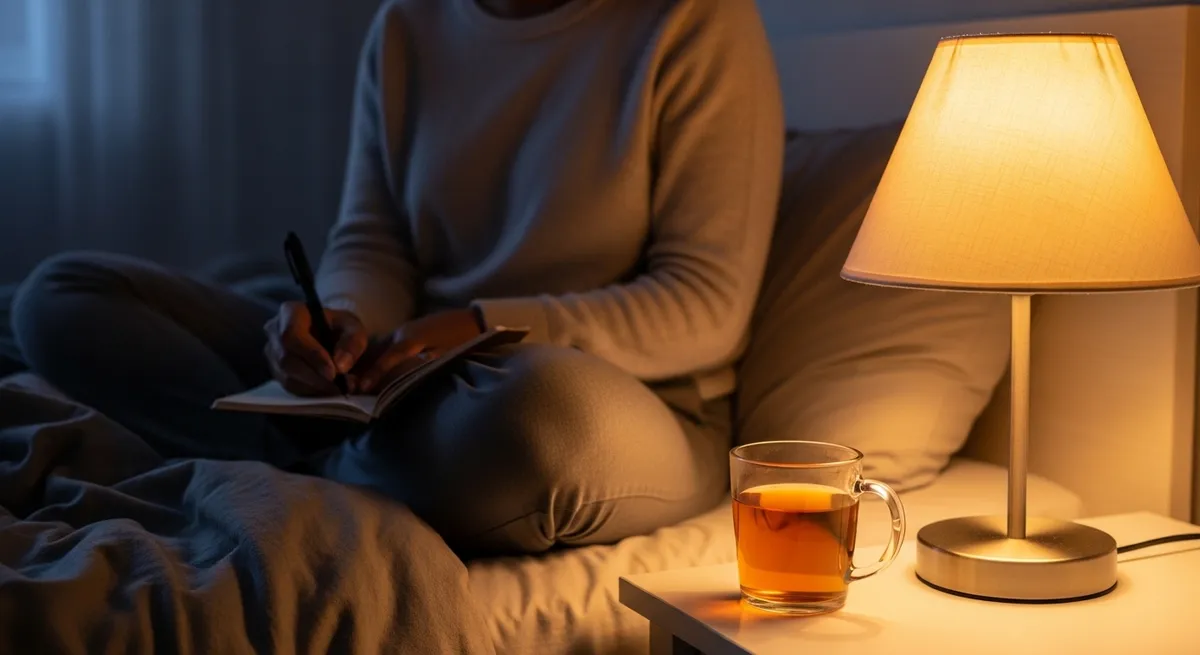
Some individuals also include calming elements such as herbal tea, mild aromatherapy, or soft background sounds. These additions are not required, but they are often used to create a sense of routine. Familiar surroundings can signal the body to slow down and shift attention inward.
Consistency usually matters more than duration in these practices. Even a few minutes of calm breathing with affirmations can support a sense of balance when done regularly. Over time, the body may begin to associate this routine with relaxation and clarity.
Foundational Breathing Techniques Used with Affirmations
The 4-7-8 breathing method involves inhaling for four seconds, holding for seven seconds, and exhaling for eight seconds. This pattern is often used to slow breathing and create a steady rhythm. Many people use it before sleep or during moments when they feel mentally overwhelmed.
Box breathing follows a balanced structure where each phase of breathing is equal in length. This includes inhaling, holding, exhaling, and pausing, often for four seconds each. It is commonly used in high-pressure environments because it provides a stable and predictable breathing rhythm.
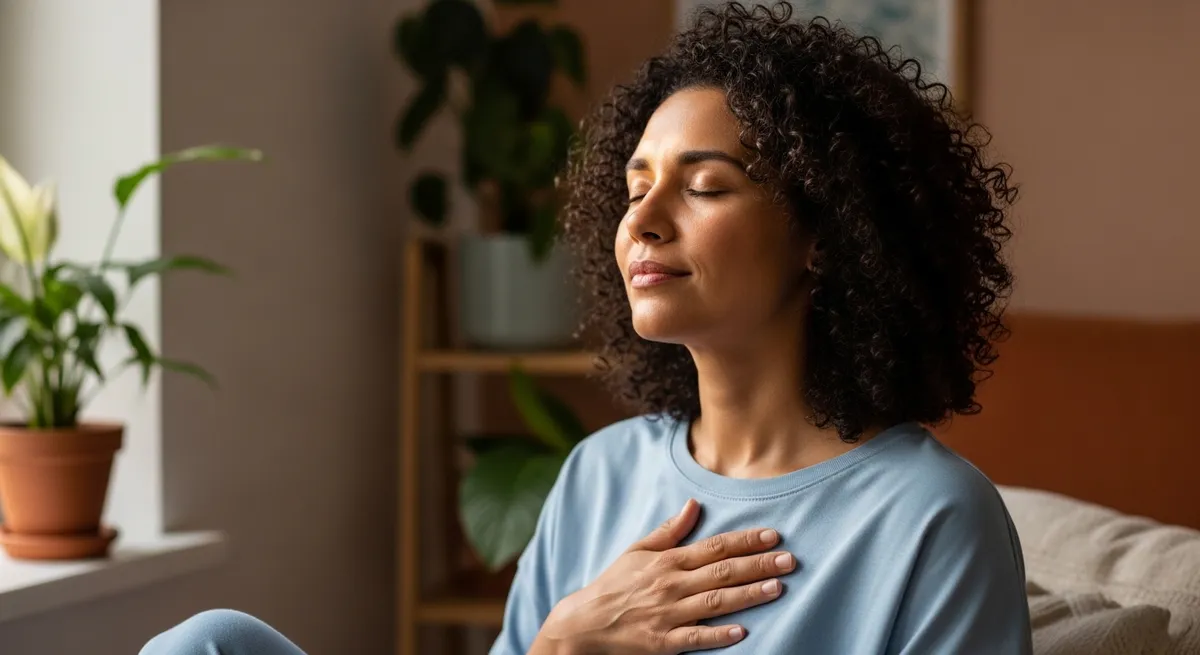
Diaphragmatic breathing focuses on using the lower lungs by allowing the abdomen to expand during inhalation. This approach encourages deeper breathing compared to shallow chest breathing. It is widely used as a foundational technique in many mindfulness and relaxation practices.
1. I am stopping, I am breathing, I am balancing.
This affirmation is often used as a pause signal during busy or stressful moments. It helps shift attention from constant activity to a more grounded state of awareness. Many people use it to create a mental break before responding to situations.
In daily life, this phrase is repeated during slow breathing to support a sense of stability. The sequence reflects a gradual shift from movement to stillness. This simple structure can make it easier to regain focus during demanding situations.
2. I inhale relaxation and exhale panic.
This affirmation uses simple visualization to connect breathing with emotional release. It is commonly practiced by imagining calmness entering the body and tension leaving with each breath. This makes the breathing process feel more intentional.
People often repeat this phrase slowly while focusing on long exhales. While it does not remove stress completely, it can support a feeling of ease. With regular practice, this pattern can become a familiar response during pressure.
3. My breath is slow, steady, and soothing.
This affirmation describes the desired breathing pattern in a calm and direct way. It helps guide the body toward a more controlled rhythm through simple language. Many people find this helpful when breathing becomes fast or uneven.
In practice, this phrase is repeated alongside deep breathing to maintain consistency. The words act as a reminder to keep the breath even. This can support a more stable physical and mental state over time.
4. I am safe, I am loved, and I am at peace.
This affirmation focuses on emotional reassurance and a sense of comfort. It is often used during quiet moments, especially before rest or sleep. The wording supports a calm internal environment that matches slow breathing.
Many people repeat this phrase to reduce feelings of unease during the day. It does not change external situations, but it can support a steadier internal response. This makes it a common part of evening routines.
5. With each breath, I feel more relaxed.
This affirmation highlights gradual change instead of expecting immediate results. It encourages attention to small shifts in the body during breathing. Many people find this helpful when they expect quick changes.
Repeating this phrase brings awareness to subtle signs of relaxation. These may include slower breathing or reduced muscle tension. Over time, this can support a more consistent calming response.
6. I release the worries of today and embrace peaceful rest.
This affirmation is often used at the end of the day to support a mental transition into rest. It encourages letting go of daily concerns without forcing thoughts away. Many people include it in bedtime routines.
When repeated during slow breathing, this phrase helps create a clear shift from activity to rest. It supports a more relaxed mindset before sleep. This can make it easier to unwind after a busy day.
7. I am this breath, I am this moment.
This affirmation is based on mindfulness principles that focus on present awareness. It helps bring attention back to the current moment when thoughts drift. Many people use it during breathing exercises.
Repeating this phrase anchors attention to the sensation of breathing. This can reduce distraction and support a clearer mental state. It is commonly used in simple meditation practices.
8. Inhale strength, exhale fear.
This affirmation connects breathing with a sense of inner stability. It is often used during situations that require focus or confidence. Many people repeat it before tasks that feel challenging.
In everyday use, this phrase helps shift attention from worry to steadiness. It supports a more balanced perspective during pressure. This can make it easier to stay composed.

9. I am calming my system and loving every cell.
This affirmation combines awareness of the body with a supportive mindset. It encourages noticing how the body responds to breathing. Many people use it when they feel physically tense.
Repeating this phrase can help create a gentler approach to stress. It supports a sense of care toward the body. This can make breathing practices feel more natural.
10. My mind is a safe haven, I protect it at all costs.
This affirmation focuses on maintaining mental boundaries in daily life. It is often used to reduce the impact of external stress. Many people repeat it during quiet moments to reinforce focus.
When paired with breathing, this phrase supports directing attention intentionally. It helps reduce distraction and maintain clarity. This can be useful in demanding environments.
11. I am releasing resistance and aligning my energy.
This affirmation is used to address tension in both the body and mind. It encourages letting go gradually rather than forcing relaxation. Many people use it when they feel tight or restless.
During breathing, this phrase helps bring attention to areas of tension. With each exhale, the focus is on softening those areas. This supports a smoother breathing rhythm.
12. Even if I feel overwhelmed, I can choose peace.
This affirmation acknowledges difficult feelings while offering a steady perspective. It avoids denial and supports a balanced approach. Many people find it easier to accept than overly positive phrases.
Repeating this during breathing can create a pause before reacting. It reinforces that calm responses are still possible. This can support better decision-making in daily situations.
13. I am breathing in calmness and breathing out any stress.
This affirmation follows a simple structure that matches natural breathing. It is often used by beginners because it is easy to remember. Many people use it during short breaks.
When repeated slowly, this phrase helps maintain focus. Its simplicity supports consistent practice. This makes it useful in everyday routines.
14. My muscles are relaxed and my mind is serene.
This affirmation connects physical relaxation with mental calmness. It is often used alongside techniques that involve releasing tension. Many people include it in their routines.
Repeating this phrase helps reinforce the link between body and mind. As the body relaxes, the mind often follows. This supports a more complete sense of calm.
15. I have everything I need to overcome this challenge.
This affirmation focuses on internal resources rather than external outcomes. It is often used during situations that require confidence. Many people repeat it when facing pressure.
During breathing, this phrase helps maintain focus and clarity. It supports a steady perspective without ignoring difficulty. This can help approach situations more calmly.
16. I trust the rhythm and the flow of my own heart.
This affirmation encourages trust in natural body processes. It is often used to reduce the need to control everything. Many people find it helpful during overthinking.
Repeating this phrase supports a more relaxed breathing pattern. It encourages following the body’s natural rhythm. This can make the practice feel easier.
17. I am breathing in light and exhaling heavy thoughts.
This affirmation uses simple imagery to support emotional release. It is often used to imagine positive energy entering and stress leaving. Many people find this helpful.
Repeating this phrase creates a clear contrast between calm and tension. It supports a gradual shift in focus. This can help reduce mental clutter.
18. I allow myself to fully rest without guilt.
This affirmation addresses the difficulty many people have with resting. It supports the idea that rest is necessary. Many people use it during evening routines.
Repeating this phrase during breathing encourages acceptance of rest. It supports a balanced daily routine. This can improve overall wellbeing.
19. Every breath I take fills me with serenity.
This affirmation focuses on consistency and repetition. It is often used during longer breathing sessions. Many people find it helpful for maintaining focus.
Repeating this phrase supports a steady sense of calm. It reinforces gradual change. This makes the practice easier to sustain.
20. I am a witness to my thoughts, but I am not my thoughts.
This affirmation reflects a mindfulness principle of observing thoughts without attachment. It is often used during meditation. Many people find it helpful.
Repeating this phrase creates distance from thoughts. It supports a neutral perspective. This can reduce mental overwhelm.
21. From this point forward, today will be a good day.
This affirmation focuses on resetting perspective during the day. It is often used after moments of stress. Many people use it to shift focus.
Repeating this phrase supports moving forward. It helps create a sense of renewal. This can improve daily outlook.

22. I am okay.
This affirmation is simple and direct. It is often used during intense moments. Many people find comfort in its clarity.
Repeating this phrase with slow breathing supports stability. Its simplicity makes it easy to use. This can help create a sense of grounding.
Applying Calm Breathing in Parenting and Working Life
In busy homes and work environments, calm breathing is often used as a short reset between tasks. Parents and professionals may use these affirmations during transitions such as mornings or before meetings. This helps create small moments of steadiness in full schedules.
Balancing responsibilities can make long practices difficult. Short breathing sessions with affirmations fit easily into daily routines. This makes the method practical for people managing multiple roles.
Consistency in small moments often matters more than long sessions. Repeating affirmations during routine activities can support awareness. This allows the practice to blend into daily life.
Frequently Asked Questions
What are the best affirmations for breathing
The best affirmations for breathing are simple, present-focused phrases that align with natural breathing patterns. Many people use statements such as “I am calm” or “I release tension” during slow breathing. These phrases are generally used as supportive tools for maintaining focus and emotional steadiness in everyday situations.
How do I stop an anxiety attack with breathing
Breathing techniques are commonly used to support calmness during moments of heightened stress. Slow breathing patterns such as 4-7-8 or box breathing may help regulate physical responses. These methods are considered supportive practices and are not substitutes for professional care when symptoms are severe or persistent.
Does 4-7-8 breathing actually work for sleep
The 4-7-8 breathing method is often used as part of bedtime routines to support relaxation. Many people find that its structured rhythm helps slow breathing and reduce restlessness. It is generally considered a supportive habit rather than a guaranteed solution for sleep difficulties.
What happens to the brain during deep breathing
Deep breathing is associated with reduced activation in areas of the brain linked to stress responses. It may support a shift toward more stable emotional processing. These effects are generally described as part of normal physiological regulation rather than a medical treatment.
How can I calm my mind when I cannot stop thinking
Focusing on breathing and repeating simple affirmations is commonly used to manage frequent thoughts. This approach helps redirect attention without forcing thoughts away. Many people find that observing thoughts while maintaining steady breathing supports a clearer mental state.
What is the most powerful affirmation for peace
There is no single affirmation that works for everyone, as preferences vary based on personal experience. Statements that feel believable and calming are generally more effective. Many people use phrases such as “I am safe” or “I am at peace” during breathing practices.
Are there breathing exercises for immediate stress relief
Breathing exercises such as box breathing and diaphragmatic breathing are often used for short-term calming effects. These methods focus on slowing the breath and creating a steady rhythm. They are generally considered supportive techniques for managing everyday stress.
Why do affirmations feel fake sometimes
Affirmations may feel unfamiliar if they do not match current thoughts or beliefs. Starting with neutral or realistic phrases can make the practice more comfortable. Over time, repetition may help these statements feel more natural.
How long does it take for breathwork to reduce anxiety
Some people notice immediate physical changes such as slower breathing or reduced tension. Long-term effects are generally associated with consistent practice over time. Breathwork is considered a supportive habit rather than a quick solution.
Can I do box breathing while walking
Box breathing can be adapted to walking by matching steps with breathing counts. This allows the practice to be integrated into daily activities. Many people find this approach useful for maintaining awareness while staying active.
Conclusion
Calm breathing combined with affirmations is a simple and accessible lifestyle practice that supports awareness of breath and thought patterns. It does not require complex techniques or long sessions. With consistency, it can become a steady part of daily routines and support a more balanced approach to everyday challenges.
Medical Disclaimer
This content is for informational purposes only and does not constitute medical advice. Consult a qualified healthcare provider before starting any new health program, breathing practice, or mental wellness routine, especially if you have existing medical conditions or concerns.
Image Generation Prompts
For wider background on this, see the American Psychological Association on mindfulness.