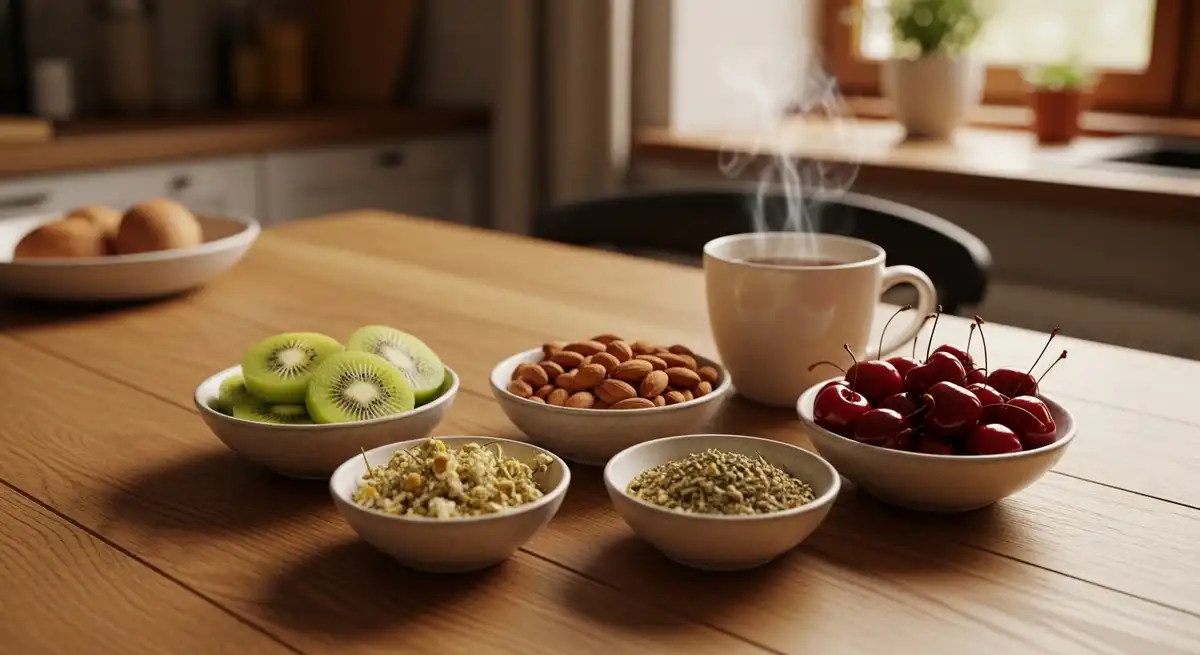
Sleep-friendly evening snacks you can try often play a quiet but meaningful role in how comfortably the body settles at night. Many people balance work, family care, and long days, which can leave a gap between dinner and bedtime. Thoughtful evening nourishment supports comfort and routine consistency without overstimulating digestion or creating unnecessary pressure around eating.
Late-day hunger is a common experience rather than a failure of discipline or planning. Wellness educators frequently observe that small, balanced snacks can ease nighttime discomfort and reduce early waking linked to energy dips. When approached calmly, evening snacking becomes part of everyday self-care instead of something to manage or restrict.
This guide explains sleep-friendly evening snacks you can try using clear nutrition principles and realistic lifestyle context. The focus stays on education, safety, and everyday use rather than promises or outcomes. All examples reflect common household routines and widely accepted wellness guidance.
Sleep-Friendly Evening Snacks You Can Try: Understanding Sleep-Friendly Evening Snacks in Daily Life
Sleep-friendly evening snacks you can try are light foods eaten before bed that are generally easy to digest and nutritionally steady. They are often chosen for their association with protein, fiber, minerals, or gentle carbohydrates that fit naturally into evening routines. These snacks do not induce sleep, but they support physical comfort as the day winds down.
In daily life, these snacks often appear because dinner happens early or schedules run long. Parents, caregivers, and people with extended workdays commonly rely on small evening foods to bridge that gap. When portions stay modest, these snacks usually reduce restlessness without causing heaviness.
Lifestyle guidance frames evening snacks as part of rhythm rather than strategy. Many people notice that repeating the same calm routine helps signal that the day is ending. Predictability often matters more than the specific food chosen.
Why Late Evening Hunger Happens
Late evening hunger often reflects long gaps between meals rather than overeating or poor habits. Early dinners, long commutes, and caregiving duties can leave several hours before bedtime. The body responds by asking for fuel to maintain comfort.
Hunger near bedtime is a normal biological signal. Wellness educators point out that it often relates to timing, not willpower. Addressing it with a light snack can feel more supportive than ignoring it.
Unmet hunger can sometimes lead to restlessness or difficulty settling down. A small, balanced snack respects natural cues without overloading digestion. This approach aligns with sustainable lifestyle habits.
Nutrients Commonly Associated With Evening Comfort
Certain nutrients are frequently discussed in relation to evening comfort. Tryptophan is an amino acid involved in serotonin production, which supports calm states. Magnesium is a mineral commonly linked to muscle relaxation and nervous system balance.
Small amounts of naturally occurring melatonin appear in certain foods, though dietary sources act gently. Complex carbohydrates release energy slowly and may help avoid nighttime energy dips. These nutrients work as part of overall patterns, not isolated fixes.
Wellness education emphasizes balance rather than focus on one nutrient. No single food changes sleep on its own. Evening snacks simply extend daily nourishment into the final hours.
Kiwifruit as an Evening Snack Option
Kiwifruit is often included in discussions about evening-friendly foods because of its nutrient profile and light texture. It contains fiber, vitamin C, and compounds associated with serotonin activity. These qualities make it appealing for mild hunger later in the day.
In everyday use, kiwi is usually eaten plain or with yogurt. Its moderate sweetness suits those who want fruit without heaviness. Portions often remain small, typically one or two fruits.
Kiwifruit fits easily into busy households since it requires no preparation. Many people appreciate its freshness when appetite is low. Its role stays supportive and optional.
Tart Cherries in Evening Routines
Tart cherries are commonly mentioned in lifestyle education because they contain small amounts of naturally occurring melatonin and antioxidants. This has made them a familiar option in evening routines. Their use remains grounded in moderation.
In practice, tart cherries appear as whole fruit, dried versions without added sugar, or unsweetened juice. Portions are usually modest and consumed earlier in the evening. Sweetened versions are often limited to reduce sugar intake.
Tart cherries are typically part of regular eating habits rather than nightly rituals. Many households use them occasionally based on preference. Consistency and moderation remain the focus.
Nuts and Seeds in Evening Snacking
Nuts and seeds are popular evening snacks because they combine protein, fats, and minerals in small portions. Almonds, walnuts, pistachios, and pumpkin seeds are especially common choices. These foods tend to be filling without feeling heavy.
At home, nuts are often eaten alone or paired with fruit. A small handful is usually enough to address hunger. Larger portions may feel uncomfortable close to bedtime.
Nuts and seeds fit well into family routines because they store easily and need no preparation. Their role centers on satiety and steady nourishment rather than stimulation.
Oats and Whole Grains Before Bed
Oats and whole grains sometimes appear in evening snacks due to their slow energy release. Complex carbohydrates digest gradually and support steady comfort overnight. This makes them a familiar option in many cultures.
In daily routines, oats may be prepared as a small bowl of warm porridge. Portions remain smaller than breakfast servings to avoid fullness. This balance supports comfort without heaviness.
Whole grain crackers or plain popcorn are also used. These options satisfy texture preferences without excess sugar. They reflect practical, accessible eating habits.
Dairy-Based Evening Snacks
Dairy foods such as yogurt, milk, and cottage cheese are commonly used in evening routines. They provide protein and calcium while remaining familiar and easy to prepare. Many people tolerate them well in small amounts.
In households, dairy snacks are often paired with fruit or grains. Plain versions are usually preferred to limit added sugar. Warm milk is often chosen for its comforting association.
These snacks fit busy schedules and family needs. They do not require special planning or timing. Their value lies in familiarity and ease.
Protein-Focused Evening Options
Protein-focused snacks help maintain satiety through the night. Foods such as boiled eggs, yogurt, or lean turkey slices are common examples. These options are chosen for simplicity rather than effect.
In everyday contexts, portions stay small and uncomplicated. One egg or a few slices of meat often feel sufficient. Larger portions may slow digestion late at night.
Protein snacks are especially useful after physically active days. They support routine recovery without functioning as performance tools. Their use remains practical and grounded.

Herbal Teas and Warm Beverages
Herbal teas are widely included in evening routines because of their warmth and ritual value. Chamomile, peppermint, and ginger teas are common choices. These beverages contain no caffeine.
Warm drinks are usually consumed slowly in calm settings. Preparing tea often marks the end of daily activity. That pause can be as meaningful as the drink itself.
Herbal teas are not remedies or treatments. They are part of comforting routines many people enjoy. Their role stays gentle and optional.
Timing Considerations for Evening Snacks
Timing influences how evening snacks feel. Eating too close to bedtime may cause discomfort for some people. Many wellness sources suggest finishing snacks about an hour before sleep.
This timing allows digestion to settle before lying down. It also supports the body’s natural transition toward rest. Snacks work best when paired with consistent routines.
Predictable timing helps signal closure to the day. Repetition often matters more than precision. This principle applies across different lifestyles.
Portion Awareness and Comfort
Portion size affects how evening snacks are experienced. Large portions may feel heavy, while very small ones may not satisfy hunger. Finding balance supports comfort.
In daily life, portions are often guided by appetite cues. A small bowl, handful, or single serving is common. Listening to the body supports sustainable habits.
Wellness educators encourage flexibility rather than strict measurement. Evening snacks should feel supportive, not restrictive. Comfort remains central.
Working Mothers and Evening Nutrition
Working mothers often balance professional responsibilities with family care. Evening meals may be rushed or early, leading to hunger later. Gentle snacking supports energy without adding stress.
Evening snacks can become shared family moments. Simple foods reduce preparation time and pressure. This shared pause can support connection as well as nourishment.
Wellness guidance for parents emphasizes realism. Evening snacks are tools, not ideals. Flexibility and compassion guide choices.
Emotional Wellbeing and Evening Eating
Evening eating is sometimes linked to emotional comfort after long days. This pattern is common and not inherently negative. Recognizing it without judgment supports balance.
Choosing nourishing foods can align emotional comfort with physical needs. Warm, familiar foods often feel reassuring. This avoids extremes or rigid rules.
Wellness education encourages awareness over control. Evening snacks can meet emotional and physical needs together. Their role stays supportive.
Mindfulness in Evening Snacking
Mindfulness in evening snacking involves attention rather than discipline. It means noticing hunger, taste, and fullness. This awareness supports satisfaction and calm.
In practice, mindfulness may involve sitting down rather than eating while distracted. Even brief pauses change the experience. Formal techniques are not required.
Mindful snacking supports smoother transitions into rest. It fits naturally into daily routines. Presence, not performance, is the focus.
Foods Commonly Avoided Before Bed
Certain foods are often avoided late in the evening because they cause discomfort. High sugar items may increase energy temporarily. Spicy or greasy foods may irritate digestion.
Caffeinated products are usually limited at night. This includes coffee, energy drinks, and some teas. Awareness of hidden caffeine helps.
Alcohol is also often reduced in evening routines. While socially common, it can disrupt rest patterns. Moderation supports comfort.
Creating a Sustainable Evening Routine
Evening routines support physical and emotional wellbeing. Snacks are one part among many elements like lighting and pacing. Together, they create a calm close to the day.
Sustainable routines favor consistency over perfection. Small habits repeat more easily than complex plans. Evening snacks work when they align with this approach.
Wellness guidance supports personalization. Each household adapts routines differently. Snacks remain flexible tools.
Safety and Responsibility in Wellness Content
All nutrition and lifestyle guidance remains educational. Evening snacks are not treatments or interventions. They do not replace professional care.
People with specific health conditions may need individual guidance. General wellness content avoids personalized advice. Neutral language builds trust.
This approach aligns with YMYL standards. Education stays clear and factual. Emotional responsibility guides tone.
Frequently Asked Questions

What is the best thing to snack on before bed
A light snack that combines protein and carbohydrates is commonly used before bed. Examples include yogurt with fruit or a small portion of nuts. These options are generally chosen to support comfort without overloading digestion or creating stimulation late in the evening.
Do bananas help with evening comfort
Bananas are often chosen because they contain fiber and minerals. They are easy to digest and commonly paired with nut butter or yogurt. Their role remains supportive rather than functional or guaranteed, and portion size usually stays modest.
How late is too late to eat at night
Eating very close to bedtime may feel uncomfortable for some people. Many wellness sources suggest finishing snacks about an hour before sleep. This timing allows digestion to settle and supports physical comfort.
Are there drinks suitable for evenings
Herbal teas and warm milk are commonly used in evening routines. They are caffeine free and associated with comfort rather than stimulation. Their value often comes from the calming ritual.
Why do people wake up hungry at night
Nighttime hunger often reflects long gaps between meals. Early dinners or active days may contribute. Light evening snacks are commonly used to address this pattern.
Is peanut butter suitable at night
Peanut butter is often used in small amounts due to its fat and protein content. It is usually paired with fruit or crackers. Portion awareness helps avoid heaviness.
Do sweet foods affect evening comfort
Sugary foods may raise energy levels temporarily. This can feel disruptive near bedtime. Many people limit sweets at night for this reason.
Are nuts safe to eat before sleep
Nuts are commonly used as evening snacks because of their nutrient density. Small portions are typically preferred. They fit into regular eating habits.
Can children have evening snacks
Children often need evening snacks due to growth and activity. Simple, balanced options support comfort. Family routines usually guide choices.
Should evening snacks be avoided completely
Avoiding snacks is not necessary for everyone. Many people find light snacks helpful. Comfort and moderation guide decisions.
Conclusion
Sleep-friendly evening snacks you can try fit best when viewed as supportive lifestyle choices rather than solutions. They help bridge busy days and rest through nourishment, routine, and comfort. When used flexibly and calmly, these snacks become a natural part of balanced daily living.
Medical Disclaimer
This content is for informational purposes only and does not constitute medical advice. Consult a qualified healthcare provider before making changes to your diet or routine, especially if you have existing medical conditions or concerns related to sleep, digestion, or nutrition.
For wider background on this, see the American Psychological Association on stress.