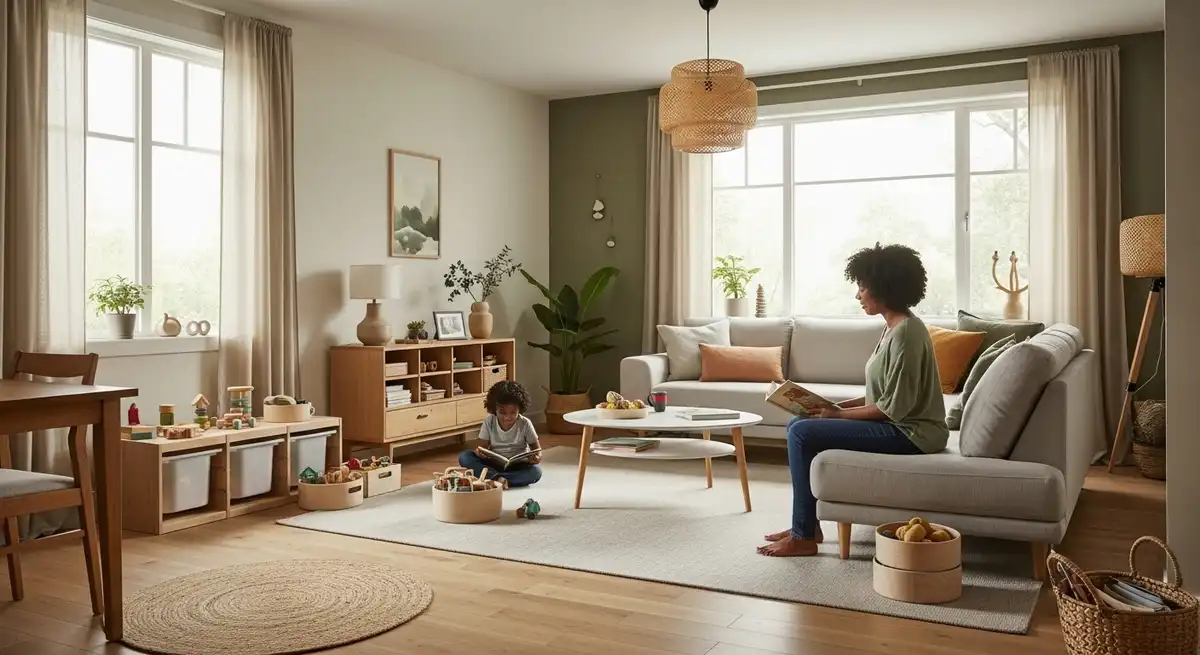

Single motherhood often involves carrying emotional, financial, and daily responsibilities with limited room to pause. Many women adjust by focusing on what must be done, while personal needs quietly move aside. Over time, this pattern can narrow energy and identity, making daily life feel functional but emotionally stretched, even when care and commitment remain strong.
Self-love in single motherhood is not a reward or a personality trait. It refers to practical, repeatable choices that protect mental focus, physical energy, and emotional steadiness within real-life limits. When approached realistically, self-love supports calmer parenting, clearer boundaries, and sustainable routines without relying on motivation or perfection.
This page explains self-love as a grounded lifestyle practice rather than an emotional ideal. Each section describes commonly used habits and perspectives that many single mothers find helpful for maintaining balance over time. The focus stays on clarity, safety, and everyday relevance rather than inspiration or pressure.
Practice self love single: Understanding Self-Love in the Context of Single Motherhood
Self-love as a single mom is often understood as responding to daily demands with self-respect instead of self-erasure. It means acknowledging personal limits while continuing to meet caregiving responsibilities. Many wellness educators note that ongoing self-neglect can increase fatigue, irritability, and mental overload, which affects the entire household environment.
In daily life, self-love does not require large changes or extra time. It often shows up as realistic expectations, gentler self-talk, and routines that reduce unnecessary strain. This approach treats wellbeing as a stabilizing base that supports consistent functioning rather than constant positivity.
Single mothers are frequently surrounded by messages that frame sacrifice as the main measure of good parenting. Self-love offers balance by recognizing that personal wellbeing and responsible caregiving can coexist. This perspective allows care to flow in both directions and supports healthier emotional patterns at home.
Moving from Survival Mode to Sustainable Living
Survival mode is a short-term response marked by urgency, constant alertness, and limited recovery. While it can be useful during crisis periods, staying in this state long term often leads to exhaustion and emotional dullness. Many single mothers remain in survival mode because slowing down feels risky or undeserved.
Sustainable living involves pacing energy rather than reacting to every demand. Responsibilities remain, but how they are handled begins to shift. Small changes such as protecting rest periods or simplifying routines can lower pressure without disrupting caregiving.
Wellness guidance often emphasizes that sustainability grows through consistency rather than intensity. Choosing manageable habits over ambitious plans helps restore a sense of control. Over time, this approach supports steadier moods, clearer thinking, and greater tolerance for daily stress.
Self-Compassion as a Practical Emotional Skill
Self-compassion refers to responding to personal difficulty with understanding rather than harsh judgment. It is often described through awareness of struggle, kindness toward oneself, and recognition that challenges are shared human experiences. Research-based wellness frameworks describe self-compassion as a learnable emotional skill.
For single mothers, self-compassion can interrupt cycles of guilt and self-blame. Instead of escalating stress after mistakes or difficult days, compassion allows emotional recovery without denial. This supports more stable emotional regulation during ongoing responsibilities.
In everyday practice, self-compassion may look like acknowledging exhaustion without labeling it as failure. It can also involve allowing rest without comparison or explanation. Over time, this approach conserves emotional resources and supports resilience.
Reframing Internal Dialogue Without Positive Pressure
Internal dialogue strongly shapes emotional responses to daily events. Many single mothers develop rigid inner narratives focused on endurance and self-criticism, especially when support is limited. Cognitive wellbeing education shows that these thought patterns can intensify stress even when circumstances stay the same.
Reframing does not require forced optimism or ignoring difficulty. It involves replacing absolute or condemning statements with balanced, factual language. This shift lowers emotional intensity while keeping accountability intact.
For example, describing a difficult moment as a learning experience rather than a defining failure changes how it feels emotionally. With repetition, reframing builds mental flexibility. That flexibility allows challenges to be handled with less emotional fallout.
Managing Guilt with Perspective and Boundaries
Guilt is a common experience in single motherhood, often tied to high responsibility and social expectations. While guilt can reflect care, chronic guilt tends to drain energy without improving outcomes. Wellness educators often note that unmanaged guilt increases stress rather than motivation.
Perspective helps separate values from pressure. When guilt appears, identifying whether it reflects personal values or external expectations clarifies the next step. This process reduces emotional confusion and prevents guilt from driving exhaustion.
Boundaries also reduce guilt over time. Saying no to nonessential demands protects limited energy. Consistent boundaries reinforce self-respect and help shift decisions away from emotional pressure.
Recognizing and Addressing Parental Burnout
Parental burnout is marked by emotional exhaustion, detachment, and a reduced sense of effectiveness. It develops when demands outweigh recovery for extended periods. Single mothers face higher risk because rest and role-sharing are often limited.
Early awareness of burnout signs allows timely adjustments. These signs may include irritability, persistent fatigue, and emotional withdrawal. Recognizing them as stress signals rather than personal flaws supports practical responses.
Addressing burnout focuses on restoring balance between demands and resources. This may involve simplifying schedules or increasing rest moments. Gradual changes, repeated consistently, support recovery and steadier daily functioning.
Stress Awareness and Nervous System Support
Stress awareness involves noticing physical and emotional cues without immediately reacting. This awareness helps prevent escalation during busy moments. Many mindfulness-based wellness approaches describe awareness as the first step toward regulation.
Nervous system support does not require complex techniques. Slow breathing, brief pauses, or quiet moments can signal safety to the body. These practices are commonly used to soften stress responses during routine challenges.
With regular use, stress awareness increases tolerance for pressure. It allows responses to be calmer and more deliberate. Over time, this supports clearer thinking and emotional steadiness.
Mindfulness as a Daily Lifestyle Practice
Mindfulness refers to paying attention to present experiences without judgment. In lifestyle settings, it is often used to reduce mental overload and increase awareness. It does not require formal meditation sessions to be useful.
For single mothers, mindfulness can be woven into daily tasks. Noticing breath while preparing meals or body sensations during walking are practical examples. These moments offer brief mental rest without adding obligations.
Consistent mindfulness supports emotional regulation and reduces rumination. It helps separate current demands from accumulated stress. Over time, this separation improves clarity and reduces emotional fatigue.
Creating Realistic Morning and Evening Routines
Routines reduce decision fatigue by creating predictable structure. For single mothers, consistent routines support both adult and child stability. Wellness guidance emphasizes simplicity over perfection when building daily rhythms.
Morning routines work best when limited to one or two grounding actions. Quiet breathing, gentle stretching, or intentional hydration are common examples. Even brief routines can influence the tone of the day.
Evening routines support recovery and sleep readiness. Lower stimulation and consistent timing help signal rest. Over time, steady routines contribute to improved energy and emotional balance.
Physical Self-Care Without Performance Pressure
Physical self-care involves meeting basic bodily needs such as movement, nourishment, and rest. It is not the same as fitness goals or appearance standards. Many single mothers avoid physical care because expectations feel unrealistic.
Gentle movement like walking or stretching is often recommended. These activities support circulation and reduce tension without complex planning. Regularity matters more than intensity.
Hydration and regular meals also support physical stability. Meeting these basic needs often improves mood and energy. When physical care feels manageable, emotional resilience tends to follow.

Nutrition as Support Rather Than Control
Nutrition during single motherhood often becomes rushed and functional. Wellness guidance focuses on nourishment rather than restriction. Balanced meals support energy, focus, and emotional steadiness throughout the day.
Simple strategies such as regular meal timing and accessible food choices reduce decision stress. Flexible preparation supports consistency without perfection. This approach lowers guilt linked to eating habits.
Viewing food as support rather than judgment aligns with self-love. It respects bodily needs without pressure. Over time, this perspective contributes to steadier wellbeing.
Sleep Awareness and Energy Management
Sleep disruption is common due to schedules and mental load. While ideal sleep may not be realistic, awareness helps manage energy. Wellness educators emphasize protecting sleep opportunities when possible.
Consistent sleep environments and reduced stimulation support rest readiness. Even small changes can improve perceived sleep quality. Awareness allows better use of available rest.
Energy management also involves pacing daytime demands. Balancing activity with rest prevents cumulative fatigue. Over time, this balance supports clearer thinking and steadier emotions.
Setting Healthy Emotional and Practical Boundaries
Boundaries define limits that protect time and energy. For single mothers, boundaries prevent overload. Wellness guidance frames boundaries as protective rather than selfish.
Practical boundaries may include limiting commitments. Emotional boundaries involve separating self-worth from expectations. Both reduce stress accumulation.
With practice, boundaries create predictability. Energy can then be directed toward essential needs. Over time, boundaries support sustainability.
Maintaining Appropriate Parent and Child Roles
Family transitions can blur emotional roles. Children may attempt to provide adult-level support. Wellness education emphasizes maintaining clear roles to support development.
Parents benefit from adult support systems. This protects children from emotional strain. It also supports healthier family dynamics.
Clear roles create safety and predictability. Children benefit from consistent parental leadership. This structure supports emotional wellbeing.
Rebuilding Identity Beyond Relationship Roles
Relationship changes can disrupt identity. Single mothers may feel defined only by caregiving. Wellness frameworks encourage reconnecting with personal values and interests.
Identity rebuilding often starts small. Value-aligned actions support self-recognition. These steps restore a sense of self over time.
As identity clarity grows, confidence increases. Direction returns gradually. This supports emotional resilience.
Values-Based Living as an Anchor
Values-based living aligns actions with core principles. Common values include stability, compassion, or growth. Wellness educators describe values as internal guides.
Clarifying values supports decision-making. It reduces conflict between expectations and priorities. This alignment supports emotional consistency.
Living by values does not remove challenges. It provides context. Over time, values-based choices strengthen self-trust.
Forgiveness as Emotional Load Reduction
Forgiveness is often described as releasing ongoing emotional strain. It does not mean agreement or reconciliation. Wellness education frames forgiveness as an internal boundary.
Holding resentment increases stress. Letting go reduces emotional weight. This supports clarity and balance.
Forgiveness practices may include reflection or writing. These focus on personal relief. Over time, forgiveness supports stability.
Building and Using Support Systems
Support systems include people, communities, and services. Wellness guidance notes that perceived support reduces stress impact. Feeling supported matters.
Digital tools and local groups offer options. Choosing supportive spaces protects emotional health. Using support reflects self-respect.
Support reduces isolation. Emotional load is shared. Over time, resilience improves.
Technology as a Practical Wellbeing Aid
Technology can increase or reduce stress. Organization tools and reminders can support clarity. Wellness educators recommend intentional use.
Limiting comparison-driven content protects wellbeing. Choosing simplifying tools conserves energy. This aligns technology with needs.
Used thoughtfully, technology reduces mental load. It supports routine. Over time, this steadies daily life.
Seeking Professional Support When Needed
Professional support offers structured guidance. It is often used to build coping skills. Seeking help reflects responsibility.
Lifestyle practices and professional care work together. One does not replace the other. Support adds perspective.
Accessing help during ongoing stress supports wellbeing. It protects emotional health. This aligns with self-love.

Integrating Self-Love into Everyday Parenting
Self-love supports parenting rather than competing with it. Preserved energy allows steadier responses. Balance benefits family life.
Children observe self-care behaviors. These model respect for needs. Modeling supports development.
Integrating self-love into routines creates mutual benefit. Household stability improves. Family wellbeing strengthens.
Frequently Asked Questions
How do I start practicing self-love as a single mother
Practicing self-love as a single mother begins by treating personal wellbeing as necessary rather than optional. Small actions like rest, balanced routines, and respectful self-talk are common starting points. These practices support emotional steadiness without requiring major lifestyle changes.
Why do many single moms experience persistent guilt
Persistent guilt often comes from high responsibility combined with social pressure. Wellness educators note that guilt increases when support is limited and standards feel unrealistic. Viewing guilt as a stress signal helps reduce its emotional weight.
What self-care options are realistic with limited time
Realistic self-care focuses on brief, repeatable practices. Short walks, quiet breathing, or regular meals are commonly used. These fit busy schedules and support energy management.
How can identity be rebuilt after separation
Identity rebuilding often starts by reconnecting with personal values and interests. Small value-aligned actions support self-recognition. Over time, this restores confidence and direction.
What are common signs of parental burnout
Common signs include emotional exhaustion, irritability, and reduced engagement. These reflect prolonged stress rather than failure. Early awareness supports adjustment.
How can loneliness be managed safely
Loneliness is often managed through supportive connections and structured routines. Community groups and professional support are commonly used. These reduce isolation.
Is prioritizing personal needs appropriate for parents
Prioritizing personal needs supports long-term caregiving capacity. Wellness guidance recognizes self-care as foundational. Balance benefits both parent and child.
How can negative self-talk be reduced
Negative self-talk is often addressed through reframing and self-compassion. Balanced language reduces emotional intensity. Consistency strengthens flexibility.
What role do affirmations play in wellbeing
Affirmations are used to reinforce balanced perspectives. Realistic phrasing supports self-respect. Overuse is discouraged.
How do boundaries support children in single-parent homes
Boundaries create predictability and safety. Clear roles reduce stress. This structure supports healthy development.
Conclusion
Self-love for single mothers functions best as a practical lifestyle foundation rather than an emotional goal. Through realistic routines, emotional awareness, and clear boundaries, self-love supports steady energy and resilience. Over time, this approach creates a calmer base that benefits both parent and child.
Medical Disclaimer
This content is for informational purposes only and does not constitute medical or mental health advice. It is not intended to diagnose, treat, cure, or prevent any condition. Consult a qualified healthcare or mental health professional for personal guidance.
For wider background on this, see the American Psychological Association on stress.