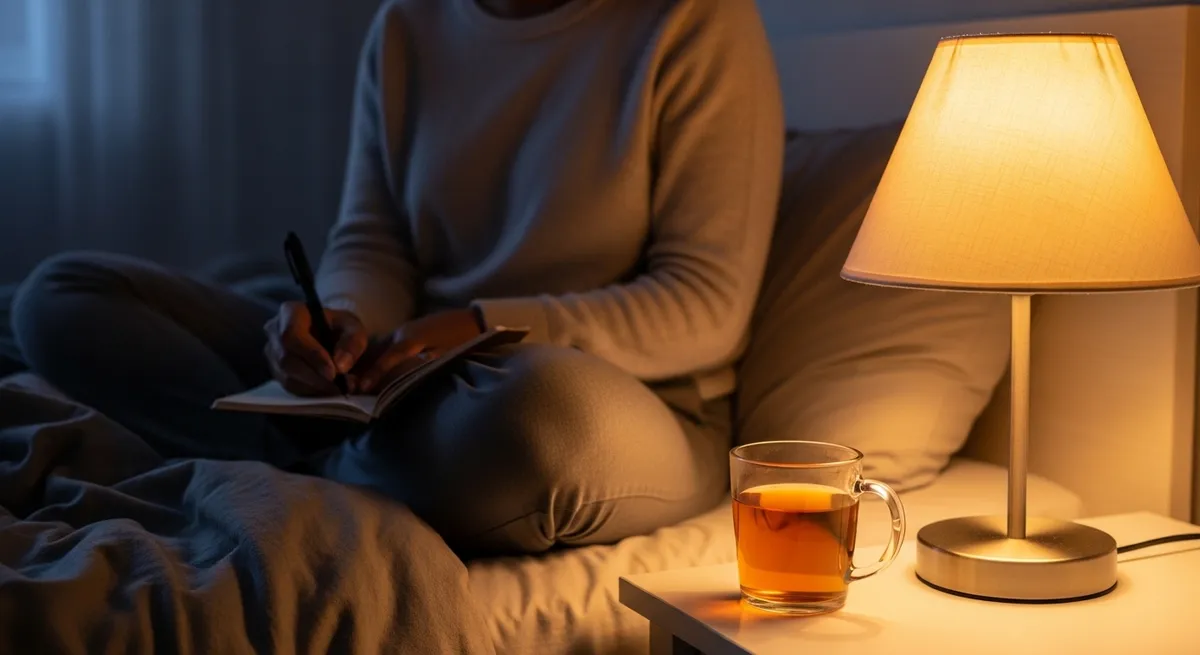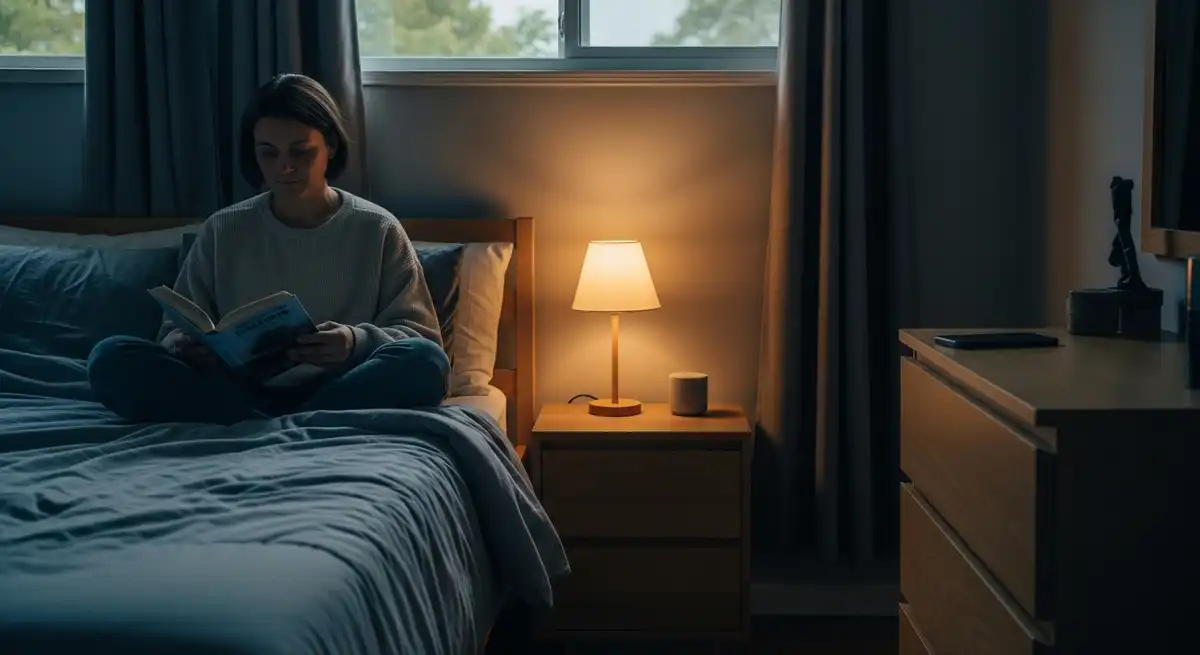
Sleep confusion affects many households where work schedules, caregiving, and constant digital exposure shape daily life. Advice about rest is often shared casually, yet much of it lacks context or accuracy. This page explains how common sleep myths develop, why they persist, and how they quietly interfere with everyday wellbeing without placing blame or pressure on individuals.
Sleep is a biological process influenced by routine, environment, and timing rather than willpower. When expectations are built on misinformation, people may feel frustrated or responsible for outcomes outside their control. Clear, grounded education helps reset expectations and supports healthier relationships with rest.
The information below is educational and lifestyle focused. It does not diagnose conditions or replace professional care. Ongoing or severe sleep difficulties should always be discussed with a qualified healthcare provider.
Sleep myths: Understanding How Sleep Myths Form
Sleep myths usually start as partial truths that spread without explanation. An approach that works briefly for one person may be repeated widely, creating the impression it applies to everyone. Over time, these ideas become normalized, even when scientific understanding has moved forward.
Cultural habits, productivity ideals, and generational routines all shape how people think about sleep. Many common beliefs were formed before modern work patterns, artificial lighting, and screen use became widespread. As daily life changes, older assumptions about rest may no longer fit current realities.
Wellness educators often note that sleep responds best to consistency and supportive conditions. It is not a reward for effort or discipline. Recognizing how myths form helps reduce guilt and encourages more realistic lifestyle choices around rest.
Myth One: Functioning Well on Five Hours of Sleep
The belief that five hours of sleep is enough often comes from productivity culture and stories about high achievers. Research consistently shows most adults need seven to nine hours for attention, memory, and emotional steadiness. Feeling used to short sleep does not mean the body is fully restored.
Sleep restriction affects reaction time and mood even when people report feeling alert. These changes build slowly, which makes them easy to overlook during busy weeks. Over time, this pattern is commonly linked with fatigue and lower stress tolerance.
Lifestyle guidance generally suggests paying attention to overall functioning rather than copying extreme schedules. Energy, focus, and patience are useful signals of whether sleep duration is supportive. Individual needs vary, but chronic short sleep is rarely neutral.
Myth Two: Catching Up on Sleep During Weekends
Many people believe sleeping longer on weekends balances short weekday nights. Sleep research suggests extra rest may reduce immediate sleepiness but does not fully correct circadian rhythm disruption. Large shifts in wake time can confuse the body’s internal clock.
This pattern is often described as social jet lag because it resembles frequent time zone changes. Hormone release and alertness struggle to stabilize when schedules swing widely. As a result, falling asleep on Sunday night often becomes harder.
Lifestyle educators commonly encourage consistent wake times over extreme catch up sleep. Small adjustments, such as earlier bedtimes or brief daytime rest, are often used instead. Regularity tends to support steadier sleep patterns.
Myth Three: Not Feeling Tired Means Enough Sleep
A lack of obvious sleepiness is often taken as proof of adequate rest. Research shows people can adapt to reduced sleep and underestimate its effects on thinking and mood. This adaptation does not remove underlying strain on the body.
Attention, patience, and emotional balance may shift gradually. These changes often become clear only when sleep improves and daily functioning feels easier. Because the decline is subtle, adaptation is easily mistaken for adequacy.
Wellness guidance encourages noticing patterns rather than relying on momentary alertness. Mood stability and mental clarity are often more telling than feeling awake. Tracking these signs supports more informed sleep decisions.
Myth Four: Naps Can Replace Nighttime Sleep
Naps are commonly used to manage daytime fatigue. Short naps can increase alertness, but they do not replace the full sequence of deep and REM sleep that occurs overnight. These stages support physical recovery and emotional processing.
Daytime sleep is usually lighter and shorter, which limits restoration. Long or late naps may also reduce sleep drive later in the evening. This can unintentionally delay bedtime and fragment nighttime rest.
Lifestyle educators often describe naps as optional support rather than substitutes. Short naps earlier in the afternoon are commonly suggested when needed. Nighttime sleep remains the main foundation for recovery.
Myth Five: Older Adults Need Much Less Sleep
It is often assumed sleep needs drop sharply with age. Research indicates that while sleep patterns change, total biological sleep requirement stays fairly stable. Older adults still benefit from adequate sleep for memory and physical health.
Common changes include lighter sleep and earlier waking. These shifts are often linked to medications, health conditions, or reduced activity rather than lower need. Accepting poor sleep as normal aging can prevent helpful adjustments.
General lifestyle guidance emphasizes addressing routines and environment. Daylight exposure, gentle movement, and consistent schedules are often used. Sleep concerns later in life deserve attention, not dismissal.
Myth Six: Alcohol Improves Sleep Quality
Alcohol is often used to relax in the evening. While it may shorten the time it takes to fall asleep, it disrupts sleep structure later in the night. Reduced REM sleep and more awakenings are commonly observed.
As alcohol wears off, the nervous system becomes more alert. This leads to lighter, fragmented sleep and early waking. Rest may feel insufficient despite spending enough time in bed.
Wellness educators generally describe alcohol as a sleep disruptor rather than a sleep aid. Non alcoholic evening routines are often suggested for relaxation. Awareness supports informed lifestyle choices.
Myth Seven: Screens Help the Brain Wind Down
Using phones or television before bed is often described as relaxing. Screen light suppresses melatonin, a hormone involved in sleep timing. Engaging content also increases mental activity near bedtime.
This combination delays sleep onset and shortens sleep duration. The brain reads light and stimulation as signals to stay alert. Over time, circadian rhythm may shift later.
Lifestyle guidance commonly encourages reducing screen use before bed. Dim lighting and low stimulation activities are often suggested instead. These habits support the body’s natural transition toward rest.

Myth Eight: Snoring Is Harmless
Snoring is sometimes treated as a minor nuisance. Persistent or loud snoring can signal disrupted breathing during sleep. In some cases, oxygen levels drop and sleep becomes repeatedly interrupted.
These disruptions fragment rest even when the person is unaware. Over time, this pattern may contribute to fatigue and reduced focus. Snoring is therefore a potential signal, not always a harmless habit.
General wellness education encourages noticing patterns. When snoring is frequent or severe, professional evaluation is often advised. Early attention supports better sleep quality.
Myth Nine: More Sleep Is Always Better
Sleeping longer is often assumed to be healthier. Research shows consistently long sleep may reflect poor sleep quality rather than greater need. Fragmented sleep can lead to more time in bed without restoration.
Excessive sleep has been linked with low daytime energy in some groups. This relationship is complex and influenced by health and lifestyle factors. Duration alone does not define sleep health.
Lifestyle guidance emphasizes balance rather than extremes. Restorative sleep is commonly described as consistent, sufficient, and refreshing. Ongoing fatigue despite long sleep should be discussed with a professional.
Myth Ten: Evening Exercise Ruins Sleep
Exercise timing is often debated. Intense activity close to bedtime may delay sleep for some people, but moderate evening movement does not affect everyone the same way. Responses vary by routine and fitness level.
Physical activity supports sleep regulation by easing stress and supporting circadian rhythm. Light stretching or gentle movement is often part of evening wind down routines. Avoiding all evening activity is not always necessary.
Wellness educators often suggest observing personal response. Adjusting timing and intensity helps integrate movement into busy schedules without disrupting rest.
Myth Eleven: Snoozing Provides Extra Rest
The snooze button is widely used to soften morning waking. Repeated alarms interrupt late stage sleep that supports emotional regulation. This fragmentation often increases grogginess.
Snoozing creates brief awakenings without meaningful rest. Mornings may feel harder rather than easier. Over time, reliance on snooze reinforces irregular wake times.
Lifestyle guidance often suggests setting a realistic alarm. Getting up consistently supports circadian rhythm. Morning light exposure further supports alertness.
Myth Twelve: Staying in Bed Helps Sleep Return
When sleep does not come easily, many people stay in bed hoping rest will return. Long periods awake in bed can link the sleep environment with frustration. This pattern may increase sleep related tension.
Over time, the bed becomes associated with alertness instead of rest. This conditioning can make sleep onset harder on future nights. The experience is common and not a personal failure.
General sleep education often introduces stimulus control ideas. Leaving the bed during long wakefulness and returning when sleepy helps rebuild positive associations.
Everyday Sleep Support Practices
Sleep support practices are often misunderstood as quick fixes. In reality, they are routine based habits that support sleep regulation over time. Consistency usually matters more than intensity.
Environmental adjustments are commonly used. Comfortable bedding, suitable room temperature, and reduced noise create supportive conditions. These changes work with natural sleep processes.
Lifestyle guidance emphasizes patience. Improvements tend to appear gradually. Supportive routines work best when adapted to real responsibilities.
Mindfulness and Sleep Awareness
Mindfulness in sleep education focuses on awareness rather than control. It involves noticing alertness and tension without judgment. This reduces pressure around sleep.
Gentle attention practices are often used to step away from racing thoughts. They do not force sleep but support relaxation. These approaches are described as complementary to sleep hygiene.
Wellness educators emphasize mindfulness as a lifestyle skill, not treatment. Its role in sleep is supportive and flexible.
Parenting and Working Life Considerations
Parents and working caregivers often face disrupted sleep due to responsibilities beyond control. Night wakings, early schedules, and emotional load affect rest. These challenges are structural, not personal failings.
Sleep guidance for families emphasizes flexibility. Small pockets of rest and steady routines are used when possible. Perfection is unrealistic in caregiving contexts.
Wellness education highlights self compassion. Acknowledging limits reduces stress around sleep. Shared responsibility can support better rest.
Frequently Asked Questions
Is it possible to survive on four hours of sleep?
Surviving on four hours of sleep is possible short term, but it is not considered supportive long term. Research shows chronic restriction affects attention, mood, and immune resilience even when people feel functional. Most adults benefit from longer sleep for steady daily functioning.

Does sleeping in on weekends actually work?
Sleeping in on weekends may reduce immediate sleepiness but does not fully correct circadian disruption. Large timing shifts often make weekday sleep harder. Consistent schedules are commonly linked with steadier sleep patterns.
Why does alcohol make me wake up at 3 AM?
Alcohol can make falling asleep easier but disrupts sleep later in the night. As it wears off, sleep becomes lighter and more fragmented. This explains early waking and unrefreshing rest.
Is it okay to watch TV until I fall asleep?
Watching television before sleep increases light exposure and mental stimulation. These delay melatonin release and sleep onset. Reducing screen use is commonly suggested as a supportive habit.
Is snoring always a health risk?
Snoring is not always harmful, but frequent loud snoring may signal disrupted breathing during sleep. This can lower sleep quality without awareness. Professional evaluation is often advised when snoring is persistent.
How do I know if I have sleep apnea?
Common signs include loud snoring, breathing pauses, and daytime fatigue. Diagnosis requires professional assessment rather than self evaluation. Early recognition supports better sleep quality.
Can you train your body to need less sleep?
The body adapts poorly to needing much less sleep. While routines can improve efficiency, biological sleep needs stay fairly stable. Chronic restriction usually has consequences.
Is oversleeping as bad as under sleeping?
Both extremes are linked with reduced wellbeing. Excessive sleep often reflects poor quality rather than true need. Balance and consistency are emphasized in sleep education.
What is the best way to fall asleep fast?
Regular schedules, low stimulation, and calming routines often support faster sleep onset. Techniques that reduce mental activity are commonly used. Persistent difficulty may benefit from professional guidance.
Why am I still tired after nine hours of sleep?
Feeling tired after long sleep may reflect fragmented rest or circadian misalignment. Quality matters as much as duration. Ongoing fatigue should be discussed with a healthcare provider.
Editorial Conclusion
Sleep myths persist because they offer simple explanations for complex biological processes. Understanding the beliefs shaping daily routines helps reduce frustration and self blame. When sleep is viewed as a supportive lifestyle foundation rather than a performance task, habits become easier to maintain and better aligned with real life.
Medical Disclaimer
This content is for informational purposes only and does not constitute medical advice. It does not diagnose, treat, cure, or prevent disease. Consult a qualified healthcare provider before making health changes, especially if you have existing conditions or persistent sleep concerns.
For wider background on this, see the National Heart, Lung, and Blood Institute on sleep.