
Sleep concerns show up in everyday life, especially for working adults, parents, and anyone managing long schedules. Many people follow common advice yet still feel tired, restless, or mentally drained. This gap often links back to popular sleep myths that shape habits without strong scientific support.
These beliefs build over time through culture, routines, and shared advice from others. They begin to influence how people plan bedtime, respond to fatigue, and structure daily schedules. Recognizing these patterns allows for small, realistic changes that support more consistent and refreshing sleep without pressure or unrealistic expectations.
Sleep myths: Understanding Sleep Myths in Everyday Life
Sleep myths are commonly accepted ideas about rest that may not fully match current scientific understanding. These beliefs often come from tradition, media influence, or simplified advice that feels easy to follow. Over time, they shape daily habits in subtle ways that may affect sleep quality.
In regular routines, these myths influence how people respond to tiredness and manage their schedules. Patterns such as irregular bedtimes or reliance on quick fixes can slowly disrupt natural sleep cycles. Awareness of these habits helps create a more balanced and supportive approach to rest.
Myth 1: Everyone Needs Exactly Eight Hours of Sleep
The idea that every person must sleep exactly eight hours is widely shared, but individual needs vary. Research from sleep science suggests most adults need between seven and nine hours, depending on lifestyle and biological differences. This range allows flexibility rather than strict adherence to a single number.
Focusing too closely on a fixed number can create stress around sleep routines. Instead, consistent timing and feeling refreshed during the day offer better guidance. Many people notice improved energy when they align sleep with their natural patterns rather than forcing a rigid schedule.
Myth 2: Weekend Sleep Can Replace Weekday Sleep Loss
Sleeping longer on weekends is often seen as a solution for missed sleep during busy weekdays. While extra rest may reduce immediate fatigue, it does not fully restore the body’s internal rhythm. Sudden changes in sleep timing can create inconsistency that affects energy levels.
This pattern is sometimes called social jet lag, where weekday and weekend schedules do not match. Keeping similar sleep and wake times across the week helps maintain stability. Small daily adjustments usually support better long-term sleep than relying on weekend recovery alone.
Myth 3: Alcohol Helps You Sleep Better
Alcohol is commonly used in the evening with the belief that it improves sleep. While it may make it easier to fall asleep at first, it often disrupts deeper stages of rest later in the night. This can lead to lighter sleep and more frequent awakenings.
Over time, this pattern may result in feeling less refreshed in the morning despite spending enough time in bed. Choosing calming activities like reading or quiet relaxation often supports better sleep quality. Consistency in evening habits plays a stronger role than temporary fixes.
Myth 4: Snoozing Improves Morning Rest
Using the snooze button feels like gaining extra rest, but these short sleep periods are usually fragmented. The body starts a new sleep cycle but cannot complete it, which often leads to grogginess. This feeling may continue through the morning and affect concentration.
Waking at a consistent time supports a more natural transition into alertness. Simple steps like placing the alarm away from the bed encourage movement right after waking. Over time, this routine helps reduce morning sluggishness and improves overall daily rhythm.
Myth 5: Staying in Bed Helps You Fall Asleep Faster
Remaining in bed while awake may seem helpful, but it can create a mental link between the bed and wakefulness. This association may make it harder to fall asleep over time. The brain begins to connect the sleeping space with restlessness rather than relaxation.
A commonly used approach is to leave the bed after a short period of wakefulness and return when feeling sleepy. Engaging in a quiet activity in low light helps reset this connection. This method supports a clearer relationship between the bed and restful sleep.
Myth 6: Snoring Is Always Harmless
Snoring is often treated as a minor issue, but frequent or loud snoring may signal other concerns. It can sometimes relate to breathing interruptions during sleep, which affect overall rest quality. Not all snoring is serious, but consistent patterns deserve attention.
In daily life, noticing signs such as daytime fatigue along with snoring may guide further evaluation. Paying attention to these patterns helps individuals make informed decisions. Awareness supports early understanding without assuming that all snoring is harmless.
Myth 7: Falling Asleep Instantly Means Good Sleep
Falling asleep immediately after lying down is often seen as a sign of good sleep health. However, it can indicate accumulated tiredness rather than balanced rest. Healthy sleep onset usually takes a few minutes as the body transitions into a relaxed state.
Observing how quickly sleep occurs can provide insight into overall sleep patterns. Taking some time to fall asleep is generally normal. Balanced routines and consistent schedules help maintain a steady and natural transition into sleep.
Myth 8: The Brain Shuts Down During Sleep
Sleep is sometimes described as a period when the brain stops working. In reality, the brain stays active and continues processing information during different stages. This activity supports memory, emotional balance, and learning.
Understanding this helps explain why quality sleep matters beyond physical rest. Daily experiences are organized and stored during sleep cycles. Maintaining consistent sleep habits supports these processes and contributes to clearer thinking and emotional stability.
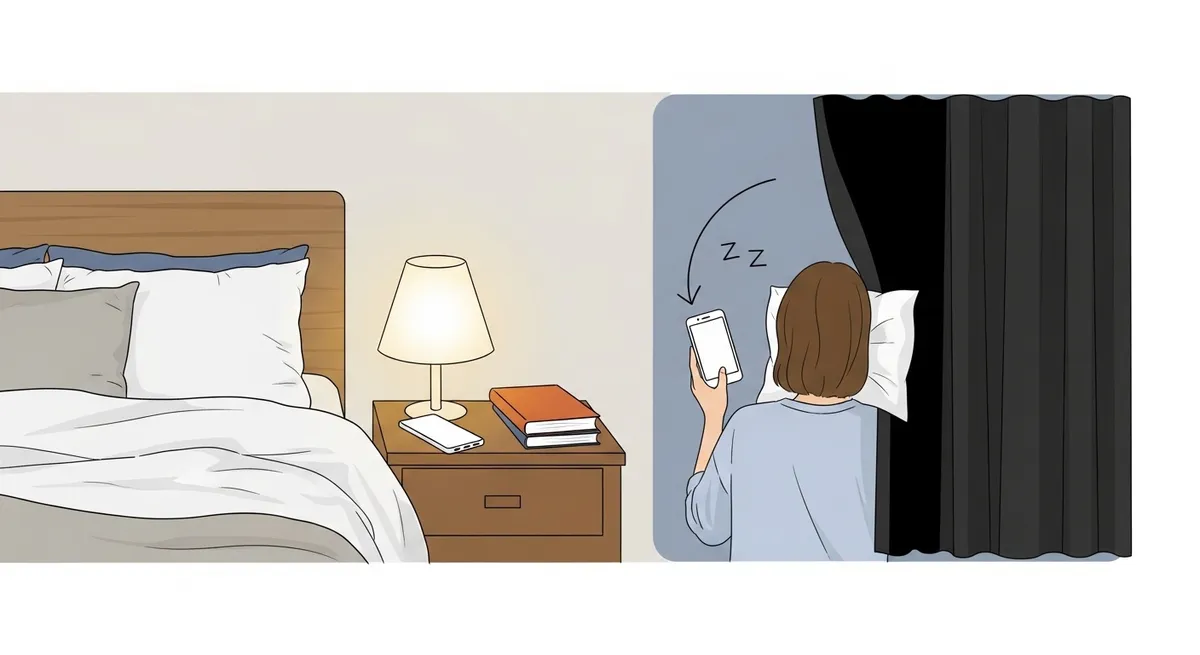
Myth 9: Older Adults Need Less Sleep
It is often believed that sleep needs decrease significantly with age. While sleep patterns may change, the overall need for rest remains similar for most adults. Differences in sleep quality may create the impression of reduced need.
Older adults may experience lighter sleep or more awakenings during the night. Adjusting routines and maintaining a calm sleep environment can support better rest. These changes focus on improving quality rather than reducing total sleep time.
Myth 10: Evening Exercise Disrupts Sleep
Exercise later in the day is sometimes avoided due to concerns about stimulation. While intense activity close to bedtime may affect some individuals, moderate exercise is often linked with better sleep quality. The impact depends on timing and personal comfort.
Allowing time to relax after exercise helps the body shift toward rest. Gentle stretching or calming activities can support this transition. Regular physical activity during the day is commonly associated with more consistent sleep patterns.
Sleep Inertia and Morning Awareness
Sleep inertia describes the groggy feeling that occurs after waking up. This state can affect attention, reaction time, and overall alertness in the early part of the day. It is influenced by sleep quality, timing, and waking habits.
Maintaining consistent wake times and exposure to natural light helps reduce this effect. Simple actions like opening curtains or stepping outside support the body’s internal signals. Over time, these habits contribute to smoother and more energetic mornings.
Circadian Rhythm and Daily Balance
The circadian rhythm is the body’s internal system that controls sleep and wake patterns. It responds to light, activity, and routine, helping regulate energy levels throughout the day. Disruptions can lead to difficulty falling asleep or waking at consistent times.
Keeping a regular schedule supports this natural rhythm. Going to bed and waking up at similar times each day helps the body adjust. Even small changes in routine can gradually improve sleep consistency and daily energy balance.
Blue Light and Evening Habits
Exposure to blue light from screens in the evening can delay the body’s readiness for sleep. This light affects signals that help regulate sleep timing. As a result, falling asleep may take longer when screen use continues late into the night.
Reducing screen time before bed or adjusting device settings can support better sleep preparation. Replacing screen use with calm activities such as reading or quiet reflection helps create a smoother transition into rest. These small habits support more consistent sleep patterns.
Creating a Supportive Sleep Environment
The environment where you sleep plays an important role in how well you rest. Factors like temperature, lighting, and noise influence how easily the body relaxes. Adjusting these elements can improve comfort and sleep consistency.
A cool, dark, and quiet room is often recommended for better rest. Personal comfort also matters, as preferences differ between individuals. Creating a consistent and calming space supports the body’s natural ability to relax and sleep more effectively.
Recognizing When Sleep Needs Attention
Occasional sleep difficulties are common during periods of stress or routine changes. However, ongoing issues such as frequent awakenings or persistent tiredness may need closer attention. Recognizing these patterns helps guide appropriate next steps.
Seeking guidance from a qualified professional is often considered when sleep problems continue. This approach allows for a deeper understanding of possible causes. Taking action early supports better long-term sleep habits and overall wellbeing.
Mindfulness and Gentle Sleep Support
Mindfulness practices are often used as part of evening routines to support relaxation. These practices focus on present awareness and help reduce mental activity before sleep. They are commonly included in simple, structured bedtime habits.
Techniques such as slow breathing or quiet reflection can be used without complexity. These methods are not intended to replace professional care but may support a calm transition into sleep. Consistent practice often helps create a more peaceful bedtime routine.
Parenting, Work, and Sleep Balance
Balancing sleep with work and parenting responsibilities can be challenging. Irregular schedules, caregiving duties, and daily demands often affect sleep timing. Recognizing these realities allows for more practical and flexible approaches.
Small adjustments such as shared responsibilities and consistent bedtime routines can help. Setting realistic expectations reduces pressure around perfect sleep habits. Gradual improvements often lead to more sustainable and balanced sleep patterns.
Frequently Asked Questions
Does sleeping in on weekends help with sleep debt
Sleeping in on weekends may reduce short-term tiredness but does not fully restore disrupted sleep patterns. It can shift the body’s internal clock, making weekday routines harder to maintain. Consistent sleep and wake times across the week are generally more supportive for long-term balance.

Why do I feel more tired after hitting the snooze button
Feeling more tired after using the snooze button is often linked to interrupted sleep cycles. These short periods of rest are not complete, which can increase grogginess. Waking at a consistent time without repeated alarms usually supports a clearer and more alert start to the day.
How many hours of sleep do adults actually need
Adults typically need between seven and nine hours of sleep each night. Individual needs vary depending on lifestyle, activity level, and overall health. Paying attention to daytime energy and alertness helps determine what amount of sleep feels most supportive.
Does alcohol improve sleep quality
Alcohol may help people fall asleep more quickly, but it often affects sleep quality later in the night. This can lead to lighter sleep and more frequent waking. Limiting alcohol close to bedtime is commonly associated with more consistent and restful sleep.
Can I exercise right before bed
Exercise timing affects people differently, with moderate activity often being manageable in the evening. Intense exercise close to bedtime may increase alertness for some individuals. Allowing time to relax after activity helps support a smoother transition into sleep.
Is snoring always a sign of sleep apnea
Snoring is not always linked to sleep apnea, but frequent or loud snoring may indicate underlying concerns. Additional signs such as daytime fatigue or breathing interruptions during sleep are often considered. Observing patterns over time helps guide whether further evaluation is needed.
Why can’t I fall asleep even when I’m tired
Difficulty falling asleep despite feeling tired is often linked to overstimulation, irregular routines, or environmental factors. Screen exposure and mental activity can also affect sleep readiness. Creating a calm and consistent bedtime routine supports more natural sleep onset.
Does eating before bed affect sleep
Eating heavy meals close to bedtime may affect comfort and digestion, which can influence sleep quality. Light snacks are generally easier to manage before rest. Paying attention to timing and portion size supports more comfortable and uninterrupted sleep.
How do I stop watching the clock at night
Watching the clock can increase awareness of time passing and create pressure around sleep. Turning clocks away from view helps reduce this focus. Shifting attention to calming activities supports a more relaxed state and makes it easier to fall asleep.
When should I seek help for sleep problems
Seeking support is often considered when sleep issues continue for several weeks or affect daily functioning. Persistent fatigue or disrupted sleep patterns may benefit from professional evaluation. Early attention helps identify contributing factors and supports better long-term sleep habits.
Conclusion
Sleep habits are shaped by daily routines, environment, and long-standing beliefs about rest. The 10 Sleep Myths That Are Keeping You Awake show how small misunderstandings can influence sleep quality over time. Focusing on consistency and simple adjustments supports more balanced and sustainable sleep patterns.
Medical Disclaimer
This content is for informational purposes only and does not constitute medical advice. Consult a qualified healthcare provider before starting any new health program or treatment, especially if you have existing medical conditions or ongoing sleep concerns.
Image Generation Prompts
For wider background on this, see the American Psychological Association on stress.