For many people, a calendar quietly shifts from a planning aid into a constant source of pressure. Meetings stack up, reminders arrive nonstop, and the day can feel decided before it begins. Wellness educators increasingly describe mindful calendar use as a simple lifestyle practice that helps people relate to time with more awareness, steadiness, and emotional balance, especially in busy working and family lives.
Calendar mindfulness tool: Understanding the Calendar as a Mindfulness Support Tool
Using a calendar as a mindfulness tool means treating it as a mirror of daily life rather than a scorecard for productivity. Instead of measuring success by how full each day looks, the calendar is viewed as a record of where attention, energy, and care are placed. This approach supports awareness without judgment, which is a core mindfulness principle.
In everyday routines, this shift helps people notice patterns such as back to back demands or missing recovery time. The calendar becomes a neutral reference point that highlights habits without labeling them as good or bad. Many people find this perspective calming because it reduces the sense that time is something to fight against.
Time Affluence and Everyday Wellbeing
Time affluence refers to the feeling that there is enough time to meet responsibilities while still having moments to pause. Lifestyle research often links time scarcity with emotional strain and decision fatigue. Time affluence, by contrast, is associated with steadier moods and clearer thinking, even when schedules remain full.
Mindfulness practices are commonly associated with time affluence because they shift attention away from constant urgency. When applied to calendar use, this means planning days that acknowledge limits and transitions. The calendar supports balance by showing not just tasks, but also space for rest and adjustment.
The Body Scan Calendar Review
A body scan calendar review involves briefly noticing physical reactions when looking at the day ahead. Common responses include tight shoulders, shallow breathing, or restlessness, which many people experience without realizing it. Mindfulness education treats these sensations as useful signals rather than problems.
In daily practice, this review is short and observational. It helps people recognize which commitments feel manageable and which consistently create strain. Over time, this awareness supports more thoughtful scheduling choices, such as adding space or reconsidering unnecessary obligations.
Curiosity Over Judgment in Scheduling
Judgment often appears when people review busy calendars, especially when days feel overwhelming. Thoughts of being behind or disorganized can add emotional weight to already full schedules. Mindfulness oriented scheduling replaces judgment with curiosity, which lowers emotional tension around planning.
Curiosity focuses on understanding what a day requires rather than evaluating personal worth. This shift supports emotional regulation by separating self value from busyness. Many people find that curiosity opens room for realistic planning rather than reactive overcommitment.
Questioning the Idea of Fixed Commitments
Many calendar entries feel unchangeable even when some flexibility exists. Social expectations or habits often make commitments appear more rigid than they are. Mindful calendar use includes gently questioning which obligations are truly fixed.
This practice does not encourage avoidance or irresponsibility. Instead, it supports conscious choice by identifying where adjustments are possible. Even small shifts in timing or duration can change how a day feels, supporting a greater sense of control over time.
Mindful Buffers and Transition Spaces
Mindful buffers are short, intentional gaps between scheduled activities. These spaces are commonly used for breathing, stretching, or quiet transition. Research on attention suggests that frequent task switching increases mental fatigue, making buffers a supportive structural habit.
In daily life, buffers reduce emotional carryover from one activity to the next. Without them, stress from work can spill into family or personal time. Many people find that even brief buffers support calmer transitions and clearer focus.
Color Coding for Energy Awareness
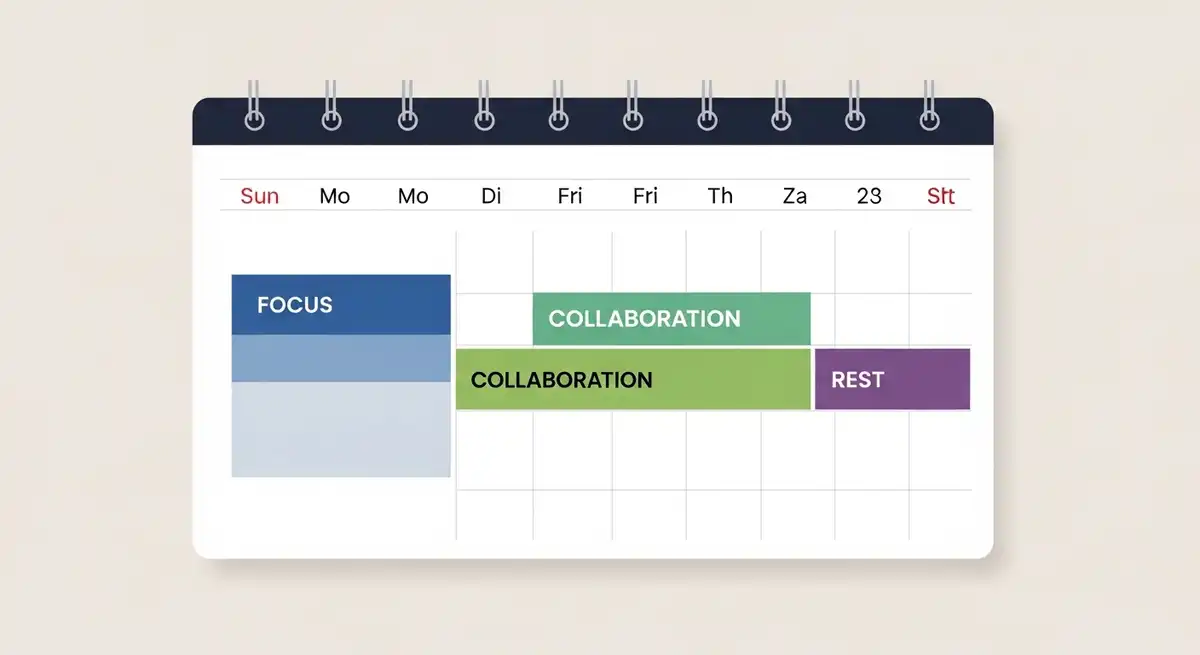
Color coding calendars by energy demand rather than category offers quick visual insight. One color might represent deep focus, another social interaction, and another recovery time. This method communicates balance at a glance without reading every entry.
Energy based color coding helps people notice overload patterns early. Large clusters of high demand colors can signal the need for adjustment. This awareness supports preventative scheduling choices rather than reacting after exhaustion sets in.
Mindful Naming of Calendar Events
The way calendar events are named shapes emotional tone. Generic labels can feel draining, while intention based names clarify purpose. Mindfulness education often highlights language as a subtle influence on experience.
Renaming events focuses attention on why time is being spent, not just what is happening. This framing supports engagement without pressure. Over time, mindful naming can shift how days feel, even when activities stay the same.

The Role of White Space in Scheduling
White space refers to intentionally unscheduled time left open in the calendar. Lifestyle research often highlights reflection and rest as supportive for learning and emotional balance. White space is not wasted time, but unstructured availability.
In everyday schedules, white space allows recovery from constant decision making. Without it, days can feel rigid and reactive. Many people experience greater clarity and steadiness when small pockets of white space are protected consistently.
Reflection as a Calendar Practice
Using the calendar for reflection involves looking back as well as planning ahead. This practice supports awareness of patterns, efforts, and recurring challenges. Mindfulness education frames reflection as observation rather than self evaluation.
Weekly or monthly reviews help people notice how time was actually spent. This awareness supports more realistic planning moving forward. The calendar becomes a record of lived experience, not just intentions.
Single Tasking Through Time Blocking
Time blocking assigns specific periods to focused activities. Mindfulness based lifestyle guidance often promotes single tasking because it supports attention stability. The calendar provides structure that protects focus from constant interruption.
In daily routines, time blocks reduce mental clutter by clarifying what deserves attention now. This clarity supports calmer engagement, even during demanding work. Many people find this approach reduces perceived overwhelm.
The Digital Master and Analog Support System
Many people use both digital and paper planning tools. A mindful approach assigns clear roles to each. The digital calendar serves as the master record for accuracy and coordination.
Analog tools such as notebooks support reflection without digital distraction. Planning decisions are then transferred back to the digital calendar. This system balances clarity with mental space and reduces planning related stress.
Using Alerts as Mindfulness Bells
Calendar alerts often trigger urgency. Mindfulness oriented scheduling reframes some alerts as neutral awareness cues. These reminders gently bring attention to transitions or boundaries rather than demanding action.
In everyday use, mindfulness alerts are placed intentionally. Examples include reminders to pause before meetings or to end work at a set time. Over time, alerts become supportive signals rather than sources of tension.
Parenting and Caregiving Contexts
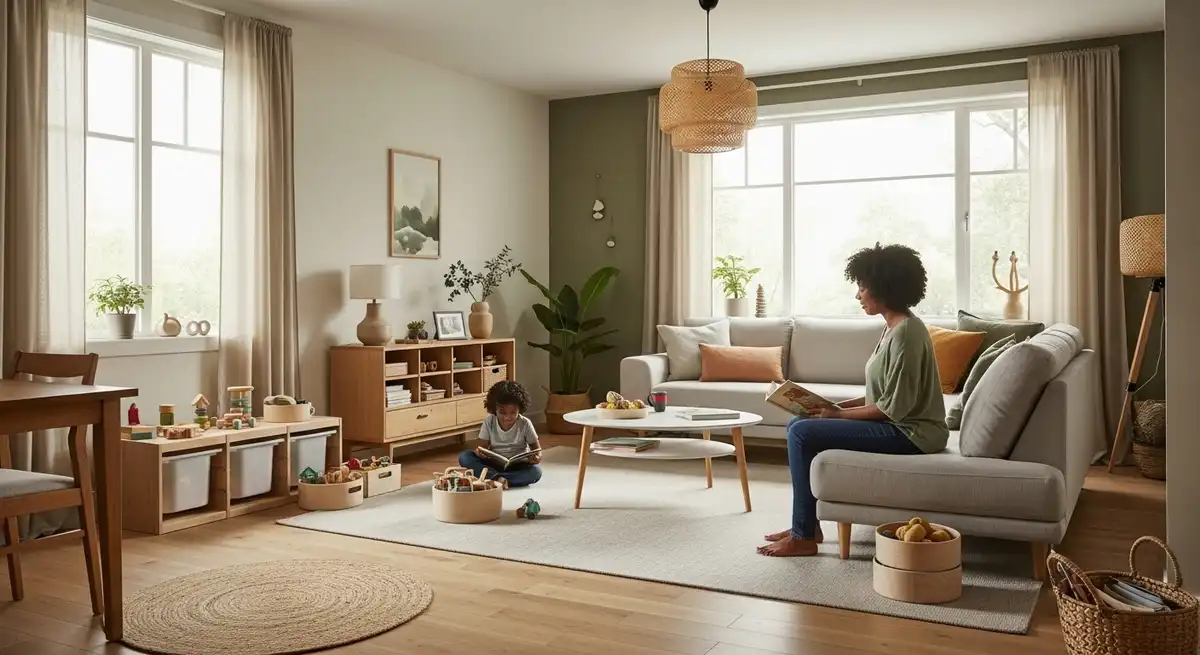
Parents and caregivers manage fragmented schedules shaped by others needs. Mindful calendar use supports visibility of caregiving labor that often goes unnoticed. This acknowledgment can be emotionally grounding.
Scheduling caregiving alongside work and rest reflects real life rather than ideal balance. Even small protected moments support steadiness. Shared calendars also improve communication and boundary clarity within families.
Working Life and Emotional Load
Work calendars often prioritize tasks while ignoring emotional load. Mindfulness oriented scheduling recognizes that not all work demands equal energy. This awareness supports healthier pacing.
Spacing high interaction tasks and protecting focus time can reduce exhaustion. Over time, the calendar reinforces boundaries between work and personal life. Many people find this structure supportive for long term wellbeing.
FAQs
Can a calendar really support mindfulness in daily life
A calendar can support mindfulness when it reflects awareness rather than pressure. By showing how time, energy, and rest are arranged, it encourages noticing patterns without judgment. Many people use it as a lifestyle support tool that promotes steadier attention within existing routines.

How does mindful scheduling differ from productivity planning
Mindful scheduling emphasizes awareness and balance instead of output. It considers how time feels as well as how it is filled. This approach supports emotional steadiness and realistic pacing rather than increasing workload or performance demands.
Is mindful calendar use suitable for busy working parents
Mindful calendar use is often helpful for busy parents because it makes caregiving and recovery visible. It supports realistic planning that reflects real responsibilities. The approach does not reduce duties but can improve how they are structured emotionally.
Does this replace meditation or therapy practices
Using a calendar as a mindfulness tool does not replace meditation or professional support. It is a complementary lifestyle practice focused on awareness and structure. Many people combine it with other wellbeing supports based on individual needs.
How often should someone review their calendar mindfully
Many people use brief daily check ins and a weekly review. The frequency is adjusted to fit routines and responsibilities. Consistency rather than duration is commonly associated with greater benefit.
Can mindful scheduling reduce stress
Mindful scheduling is often associated with reduced stress awareness because it increases perceived control over time. It does not remove stressors or guarantee outcomes. It supports calmer engagement with responsibilities.
Is digital or paper better for mindful planning
Both digital and paper tools can be useful. Digital calendars support coordination, while paper tools support reflection. A combined system often offers the best balance.
What if a schedule has no flexibility
Even fixed schedules can be approached mindfully. Awareness of transitions, emotional responses, and recovery needs still supports steadiness. The practice adapts to circumstances rather than requiring change.
Can this approach work in team settings
Teams sometimes use shared calendars to protect focus time or quiet hours. This supports collective boundaries without personal disclosure. The approach emphasizes structure over individual wellbeing claims.
Is this practice evidence based
Elements of mindful scheduling draw from research on mindfulness, attention, and perceived control. It is presented as a lifestyle support practice rather than a clinical intervention.
Conclusion
Learning how to use your calendar as a mindfulness tool reframes time from pressure into structure. By integrating awareness, spacing, and reflection, the calendar supports steadier routines without promising outcomes or replacing professional care. Used consistently, this approach encourages a calmer and more intentional relationship with daily responsibilities.
Medical Disclaimer
This content is for informational purposes only and does not constitute medical advice. It is not intended to diagnose, treat, cure, or prevent any disease. Consult a qualified healthcare provider before making changes related to mental health, stress management, or daily wellness routines.
For wider background on this, see the National Heart, Lung, and Blood Institute on sleep.