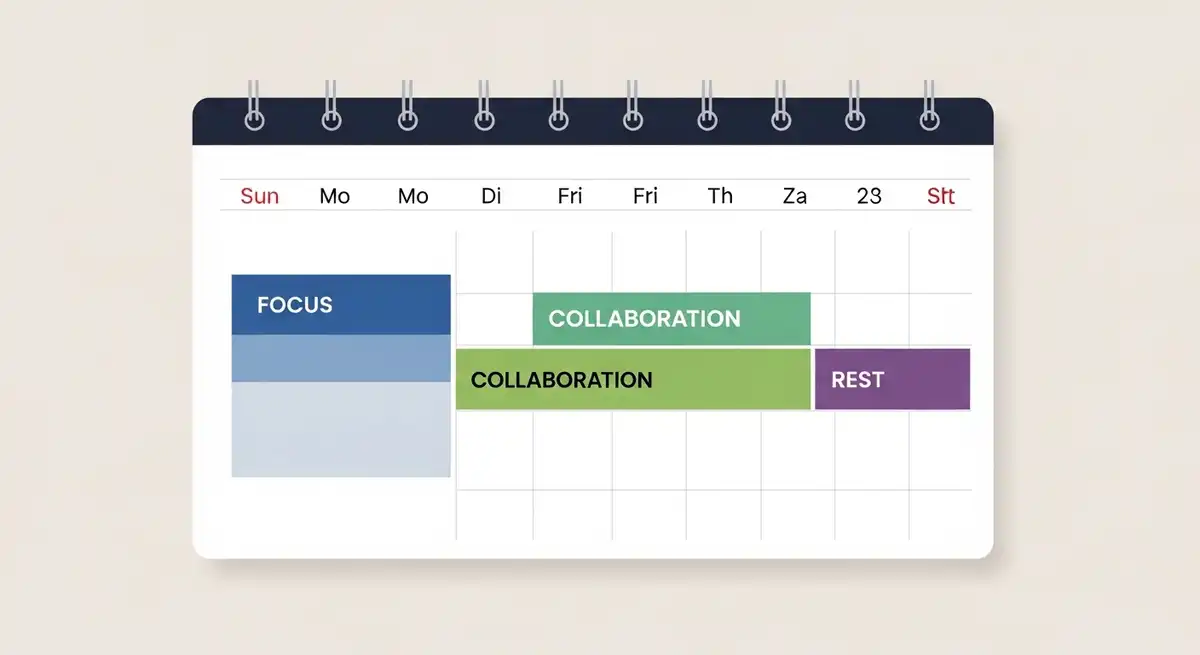

A good approach to secret finding hours day should take less effort over time, not more. Many adults reach the end of the day feeling stretched thin, even when schedules look reasonable on paper. Work demands, family needs, digital interruptions, and personal expectations quietly pull attention in different directions. The secret to finding more hours in your day is less about doing more and more about understanding how focus, energy, and daily habits shape the experience of time.
Understanding Time Pressure in Everyday Life
Time pressure often feels emotional rather than factual. People may technically have enough hours, yet those hours become fragmented by constant switching, background stress, and unfinished mental tasks. Wellness educators frequently note that perceived busyness increases when attention stays divided, even if total workload remains unchanged.
Life stages such as parenting, caregiving, or demanding work periods tend to amplify this pressure. Parents and working mothers, in particular, manage layered responsibilities without clear stopping points. When boundaries blur, the day feels compressed, and personal time quietly disappears without any single cause.
The Role of Awareness in Reclaiming Time
The secret to finding more hours in your day often begins with awareness instead of control. Awareness involves noticing how time is actually spent, without labeling habits as good or bad. This neutral observation helps separate necessary commitments from patterns that consume attention without adding value.
Many people are surprised to see how much time slips into low engagement activities. Short checks that turn into long pauses add up quickly. Once patterns become visible, small and realistic adjustments feel possible rather than overwhelming.
Time Audits as a Lifestyle Tool
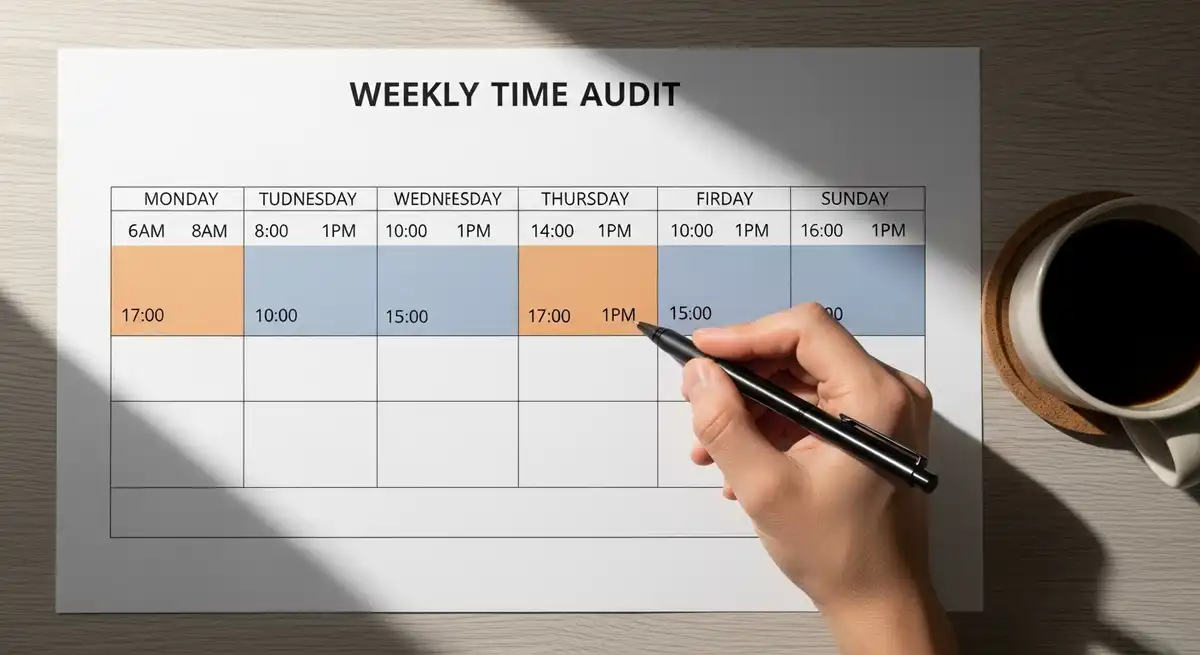
A time audit is a simple practice of tracking daily activities over several days. It is not designed to judge productivity but to provide clarity. Recording activities in short intervals helps reveal where energy goes and where it drains quietly.
In everyday use, people often complete time audits for one typical week. Parents notice transition time between tasks, while professionals often see repeated interruptions. These insights support thoughtful changes rather than rigid schedules that are hard to maintain.
Cognitive Load and Mental Bandwidth
Cognitive load refers to how much mental effort the brain carries at once. When cognitive load stays high, even simple tasks feel heavy. Lifestyle guidance often highlights reducing mental overload as a way to support steadier focus and calmer days.
Trying to push through high cognitive load usually leads to longer work hours without relief. Reducing simultaneous demands helps the brain work more efficiently. The same amount of time begins to feel more manageable.
Prioritization as a Supportive Practice
The secret to finding more hours in your day is closely linked to prioritization. Prioritization means deciding what deserves full attention rather than trying to do everything. Wellness educators frame this as a boundary practice, not a productivity contest.
In daily routines, prioritization helps working parents choose where energy goes first. Tasks that matter most receive focus, while others are simplified or delayed. Over time, this reduces the constant urgency that fuels exhaustion.
Understanding Urgent and Important Tasks
Urgent tasks demand immediate action and often come from external expectations. Important tasks support long term stability, health, and growth. Many people spend most of their day reacting to urgency while postponing what truly matters.
Learning to protect time for important activities changes how days feel. Planning, rest, and preparation create future ease. This shift does not add hours, but it makes time feel less crowded.
The Impact of Task Switching
Task switching happens when attention jumps between different activities. Cognitive psychology research shows frequent switching increases fatigue and lowers efficiency. Even short interruptions require recovery time for the brain.
In family and work settings, task switching is common and often unavoidable. However, reducing unnecessary switching protects focus. Completing tasks in sequences rather than fragments helps the day move more smoothly.
Task Batching in Daily Routines
Task batching means grouping similar activities together. This reduces repeated mental setup and adjustment. Many people batch emails, errands, or household tasks to simplify daily flow.
For parents and professionals, batching often makes evenings and weekends feel lighter. Handling similar tasks at once lowers background stress. This structure supports clearer transitions between work and personal time.
Deep Focus and Meaningful Work
The secret to finding more hours in your day includes protecting periods of deeper focus. Deep focus involves sustained attention on one task without interruption. Wellness educators often describe this state as steady rather than intense.
In practice, deep focus works best in clearly defined blocks. Notifications are minimized, and goals are specific. Tasks completed with full attention often take less total time and feel more satisfying.
Attention Residue and Recovery Time
Attention residue refers to the mental carryover from previous tasks. After switching activities, part of attention remains behind. This explains why multitasking often feels draining.
Allowing brief transitions between tasks helps clear this residue. Simple pauses or written notes support closure. Over time, this habit improves clarity and reduces mental clutter.
Decision Fatigue and Daily Choices
Decision fatigue describes the gradual decline in decision quality after many choices. Research shows repeated small decisions drain mental energy. This often shows up later in the day as indecision or avoidance.
Reducing decision fatigue involves simplifying routine choices. Standard meals, clothing options, or workflows reduce mental strain. This leaves more energy for responsibilities that truly require judgment.
Automation and Simple Rules
Automation does not always involve technology. Simple rules guide repeated decisions. For example, setting clear criteria for meetings or fixed times for checking messages.
These rules reduce daily deliberation. Parents and professionals often find predictable routines calming. Over time, these structures create a sense of regained control.
Sleep and Time Perception
Sleep strongly affects how time is experienced. Poor sleep slows thinking and reduces focus. Wellness education emphasizes that rested minds complete tasks more efficiently.
Cutting sleep to gain time usually backfires. Errors increase, and tasks take longer. Consistent rest supports clearer priorities and steadier energy throughout the day.
Energy Management Over Time Management
The secret to finding more hours in your day is better described as energy management. Time stays fixed, but energy changes. Matching demanding tasks to higher energy periods improves efficiency.
Many adults benefit from observing natural energy rhythms. Complex work fits better earlier in the day, while lighter tasks suit later hours. Respecting these patterns reduces burnout.
Digital Habits and Attention Drain
Digital devices interrupt focus more often than people realize. Notifications fragment attention and increase cognitive load. Over time, this creates a constant sense of hurry.
Adjusting digital settings reduces this drain. Silencing non essential alerts and creating phone free work zones protects focus. These small changes often reclaim significant time.
Using Small Moments Intentionally
Short waiting periods often pass unnoticed. These moments can be used intentionally or left open for rest. Awareness allows choice.
Some people use these moments for light tasks, others for mental breaks. Both approaches support balance when chosen consciously rather than by habit.
Organization and Environmental Support
Physical and digital clutter increases search time and mental distraction. Organized spaces reduce friction. Giving items and files clear homes supports smoother routines.
Short daily resets prepare the next day. A tidy environment supports calmer starts. Organization acts as silent support rather than strict control.
Parenting, Caregiving, and Time Compassion
Caregiving brings unpredictable demands. Flexibility matters. Wellness educators emphasize self compassion when routines shift.
Sharing responsibilities and adjusting expectations support balance. Allowing tasks to be good enough preserves energy. This view honors caregiving as meaningful work.
Work Life Boundaries and Emotional Wellbeing
Blurred boundaries extend mental work beyond scheduled hours. This is common in remote settings. Clear transitions support emotional closure.
Simple rituals mark beginnings and endings. Changing environments or powering down devices signals rest. These habits restore personal time.
Consistency Over Intensity
The secret to finding more hours in your day lies in small, consistent changes. Sustainable habits build gradually. Lifestyle guidance favors routines that adapt to busy periods.
Consistency allows practices to survive real life demands. Flexible systems create reliable relief. Over time, days feel steadier and less rushed.

Calm Productivity and Emotional Safety
Calm productivity values attention and care over urgency. It supports emotional wellbeing and avoids tying worth to output.
In daily life, calm productivity allows space for rest and connection. Tasks are approached with intention. This mindset supports healthier relationships with time.
Frequently Asked Sections
Gaining two additional hours in a typical day
Gaining two additional hours usually involves reducing hidden time loss rather than extending schedules. Many people reclaim time by limiting digital interruptions, batching tasks, and protecting focused work periods. These adjustments are generally used as lifestyle supports that gradually create more usable time.
Prioritizing when demands feel constant
Prioritization involves choosing where attention goes rather than responding to everything. Separating urgent requests from important responsibilities protects long term wellbeing. This approach is commonly used to reduce overwhelm in work and family life.
Early waking and productivity
Early waking does not automatically improve productivity. Energy and focus depend more on adequate sleep. Consistent rest supports clearer thinking and steadier performance than any specific wake time.
Feeling busy without progress
Feeling busy without progress often reflects fragmented attention. Reducing multitasking and clarifying priorities supports meaningful output. These changes help effort align with results.
Deep focus in professional settings
Deep focus includes planning, writing, or learning tasks. These activities benefit from uninterrupted attention. Scheduling protected focus periods reduces total working time.
Decision fatigue in daily routines
Decision fatigue occurs when repeated choices drain mental clarity. Simplifying routines conserves energy. This supports better decisions later in the day.
Setting boundaries around additional work
Boundaries involve communicating capacity rather than refusal. Clarifying trade offs manages expectations. This supports sustainable workloads.
Understanding the eighty twenty principle
The eighty twenty principle suggests a small portion of actions produces most results. Identifying high impact tasks focuses effort. This framework is widely used in time management.
Regaining focus after interruption
Focus usually requires recovery time after interruption. Allowing brief transitions supports attention reset. Fewer interruptions preserve efficiency.
Creating personal time within busy schedules
Personal time is protected through intentional scheduling. Treating personal activities as important commitments supports balance. This approach respects all responsibilities.
Conclusion
The secret to finding more hours in your day rests in awareness, energy management, and compassionate structure. Time does not expand, but clarity and rest change how it feels. Aligning routines with human needs creates days that feel fuller without becoming heavier.
Medical Disclaimer
This content is for informational purposes only and does not constitute medical advice. It does not diagnose, treat, cure, or prevent any condition. Consult a qualified healthcare provider before starting any new health, fitness, or lifestyle program, especially if you have existing medical conditions.
For wider background on this, see the American Psychological Association on stress.