Working from home has changed how daily movement naturally fits into life, especially for parents and working mothers managing overlapping responsibilities. Without commuting, casual walking, or physical transitions between meetings, many people notice they sit longer without realizing it. Learning how to stay active during work-from-home days supports comfort, energy, and routine stability without turning daily life into a fitness program.
Remote work often removes movement that once happened automatically. Getting up to travel, switching buildings, or walking to meetings quietly added activity across the day. When those moments disappear, the body still needs movement, even if work feels mentally demanding rather than physical.
Staying active while working from home is not about intensity or discipline. Lifestyle education generally focuses on gentle movement, posture changes, and realistic routines that fit into ordinary days. This approach respects time limits, family needs, and energy fluctuations while supporting long-term wellbeing.
Stay active during home: Understanding Sedentary Patterns in Work-from-Home Life
Sedentary behavior describes long periods of sitting or very low movement during waking hours. In work-from-home settings, this often happens through extended computer use, video meetings, and limited reasons to stand or walk. Public health research links prolonged sitting with reduced mobility, joint stiffness, and physical discomfort over time.
Remote work reduces occupational movement that previously contributed to daily activity. Walking to transport, climbing stairs, or moving between rooms at work no longer happens by default. Over weeks and months, this shift can change posture, muscle engagement, and how the body feels during routine tasks.
Many people do not notice sedentary habits until discomfort appears. Lifestyle guidance encourages awareness rather than worry. Recognizing long sitting periods allows small adjustments, such as standing briefly or walking between tasks, that restore movement without disrupting work.
Physical Effects Commonly Linked to Prolonged Sitting
Extended sitting is commonly associated with reduced muscle activity, especially in the hips, legs, and core. When these muscles remain inactive for hours, people often report stiffness or dull lower back discomfort. These sensations reflect mechanical strain rather than injury or illness.
Circulation can also slow during long sitting periods. Reduced leg movement may cause feelings of heaviness or restlessness by the end of the day. Gentle movement breaks are widely used to maintain comfort and support blood flow during desk-based work.
Posture often shifts during long work-from-home days. Slouched seating, unsupported screens, and bent neck positions become common without ergonomic awareness. Small posture adjustments and regular movement help maintain everyday comfort without specialized equipment.
Mental Wellbeing and Daily Focus Considerations
Physical movement is closely tied to alertness and attention in everyday life. Research in occupational health suggests that light activity supports blood flow to the brain, which many people associate with clearer thinking. When movement drops, mental fatigue may feel more noticeable.
Wellness educators frame movement as a neutral support for focus rather than a mental health solution. Standing, stretching, or walking briefly between tasks often helps reset attention. These practices fit into work routines without requiring extra time or emotional effort.
Balancing mental workload and physical stillness matters during remote work. Lifestyle guidance focuses on rhythm, periods of focus followed by short movement breaks. This balance supports steady energy without overstimulation or pressure to perform.
WHO Physical Activity Guidelines in a Home-Based Context
The World Health Organization provides physical activity guidelines that apply regardless of work location. These guidelines encourage adults to accumulate moderate movement across the week rather than rely on long exercise sessions. For remote workers, this supports flexibility and realistic planning.
Moderate activity includes brisk walking, household movement, or light strength exercises. These actions are accessible to most people and do not require equipment. Accumulated movement across days contributes to general health support.
Muscle strengthening is also recommended at least twice weekly. Bodyweight exercises, resistance bands, or household items are commonly used. In home settings, these activities often happen in short sessions rather than formal workouts.
Daily Movement Distribution and the 20-8-2 Approach
The 20-8-2 approach is a commonly referenced guideline for desk-based work. It suggests alternating between sitting, standing, and moving within each hour. This pattern helps reduce uninterrupted sitting and supports posture variation.
Standing periods may involve reading, typing, or phone calls. Movement periods often include stretching or brief walks. The approach is flexible and serves as a reminder rather than a strict schedule.
Wellness educators describe this rhythm as practical and adaptable. People adjust timing based on workload and environment. The focus stays on reducing long sitting stretches rather than perfect timing.
Exercise Snacking as a Lifestyle Practice
Exercise snacking refers to short bursts of movement spread throughout the day. These activities usually last from seconds to several minutes and fit between tasks. They are commonly used when longer exercise sessions feel unrealistic.
Examples include climbing stairs, gentle squats, or walking while on calls. These movements require little preparation and minimal space. Exercise snacking supports regular activity without turning movement into another obligation.
Consistency is the key value of exercise snacking. Many people find short activities easier to repeat daily. Over time, these moments contribute to overall movement in a manageable way.
Habit Stacking for Sustainable Movement
Habit stacking involves pairing movement with existing routines. Stretching while waiting for tea or standing during phone calls are common examples. Behavioral research shows this approach supports consistency.
For work-from-home days, habit stacking reduces planning effort. Movement becomes part of routine tasks rather than something added later. This lowers resistance and supports long-term habits.
Wellness educators emphasize keeping habit stacks simple. The movement does not need to be intense. Regular repetition matters more than complexity.
Creating an Ergonomic Home Workspace
An ergonomic workspace supports posture and comfort during long work hours. Chair height, screen position, and keyboard placement influence how the body holds itself throughout the day. Poor alignment often leads to neck or back discomfort.
Lifestyle guidance suggests keeping feet flat on the floor and screens near eye level. These adjustments reduce unnecessary strain. Many people notice comfort improvements after small changes.
Ergonomics is framed as a supportive lifestyle choice rather than a medical fix. The goal is ease and sustainability. Adjustments can be simple and low cost.

Standing Desks and Posture Variation
Standing desks allow alternating between sitting and standing. They are commonly used to reduce long sitting periods. Wellness educators recommend moderation rather than standing all day.
Standing supports circulation and posture awareness, but remaining still while standing can cause fatigue. Alternating positions provides balance and comfort.
Improvised standing setups work well in home spaces. Stability matters more than appearance. The focus stays on movement variety.
Desk-Based Stretching for Daily Comfort
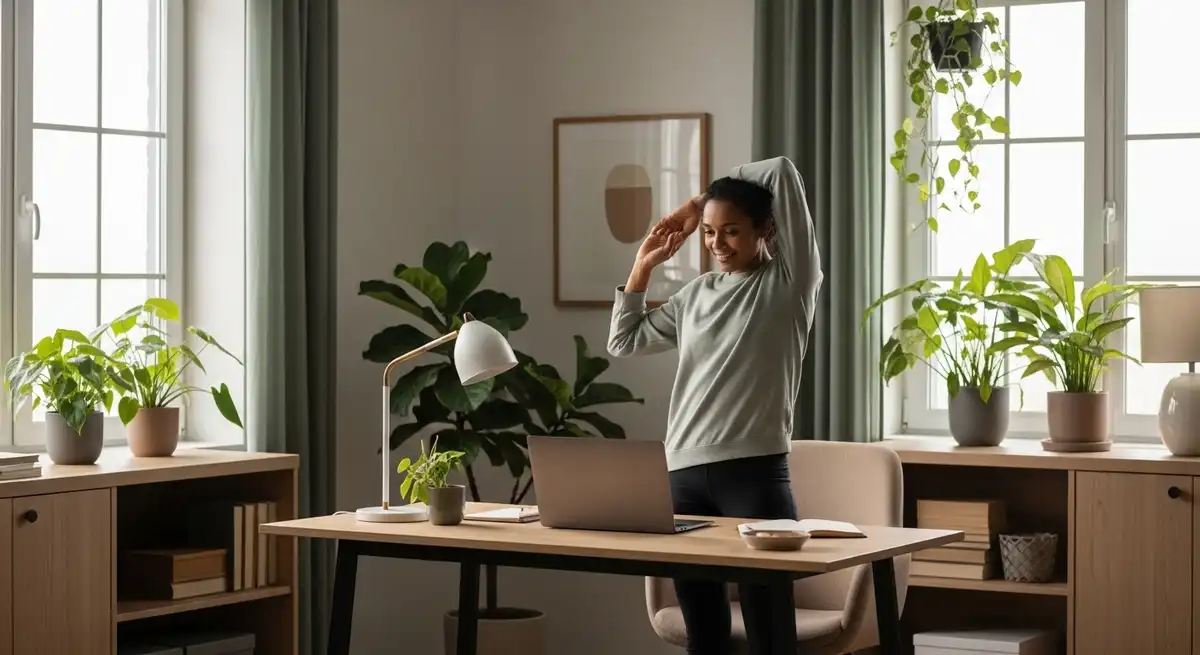
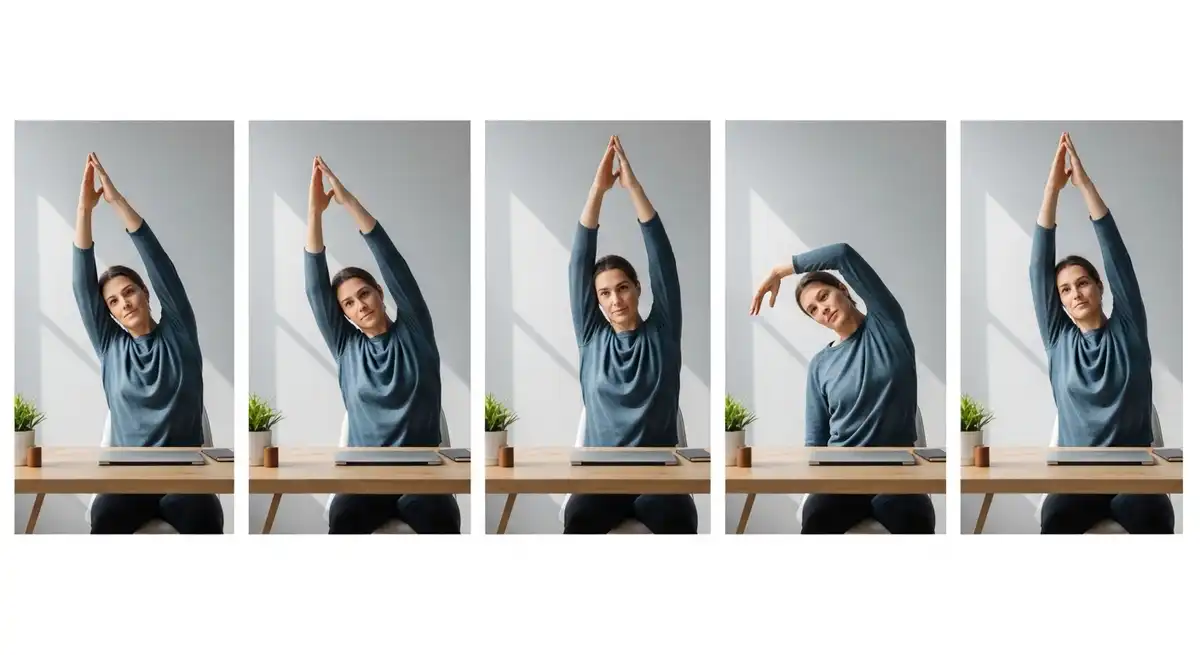
Desk-based stretching targets areas affected by prolonged sitting. The neck, shoulders, hips, and legs often feel tight after long work sessions. Stretching is done slowly and without force.
Upper body stretches help counter rounded shoulders and neck tension. Lower body stretches support hip and leg mobility. These movements fit easily into short breaks.
Stretching is presented as a comfort-support practice. It is not treatment or therapy. Regular gentle stretching supports ease during workdays.
Short Strength and Cardio Sessions at Home
Short movement sessions often combine light strength and cardio. These sessions may last five to ten minutes and fit between tasks. They support general physical engagement.
Bodyweight movements such as squats, lunges, or wall push-ups are commonly used. Intensity is adjusted based on comfort. No equipment is required.
Lifestyle guidance encourages listening to the body. Movement should feel manageable. Discomfort beyond normal effort signals the need to modify or stop.
Walking Meetings and Movement-Friendly Work Practices
Walking meetings involve taking calls while walking. This integrates movement into work tasks without adding time. It is commonly used for informal discussions.
Walking meetings support light activity and reduce sitting. Many people find them refreshing. Safety and awareness remain important.
Wellness educators frame walking meetings as optional tools. They reduce sedentary time without productivity pressure.
Structuring the Day With a Fake Commute
A fake commute recreates the transition once provided by travel. This often involves a short walk or movement routine before and after work. It supports mental boundaries.
Morning movement signals work time. Evening movement supports personal time. These routines provide structure.
Flexibility is emphasized. Duration and activity vary. Consistency matters more than length.
Screen Breaks and Visual Recovery
Remote work increases screen exposure. Visual fatigue may develop without breaks. The 20-20-20 guideline is commonly used.
This guideline suggests looking away from screens periodically. It supports eye comfort. These breaks are brief.
Visual recovery pairs well with movement breaks. Together, they support comfort during long workdays.
Movement in Households With Children
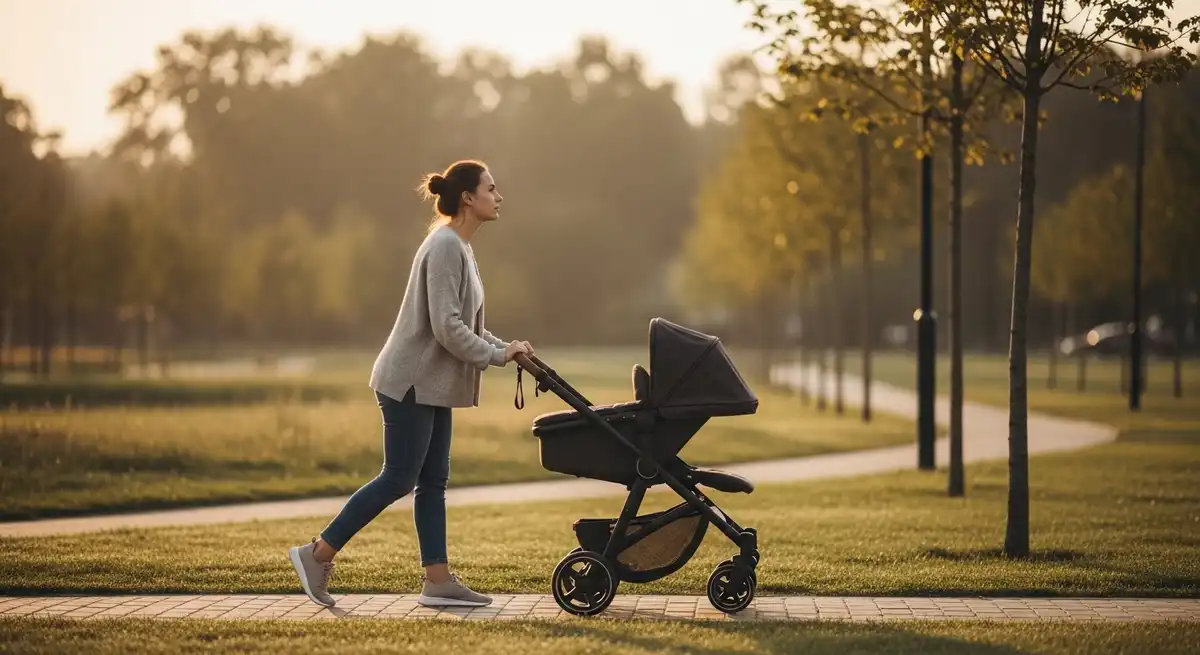
Parents working from home often move through childcare activities. Play, chores, and shared routines involve physical activity. These moments count as movement.
Indoor games, dancing, or guided videos are commonly used. These activities support connection and engagement. They adapt to space and time limits.
Inclusive movement emphasizes participation over performance. Activity becomes part of family life.
Inclusive Movement for Different Abilities
Movement needs vary across individuals. Seated exercises and gentle mobility practices support accessibility. These options allow participation without strain.
Inclusive wellness focuses on adaptation. Intensity and duration adjust to comfort levels. No uniform standard applies.
Respecting limits supports safety. Healthcare guidance is appropriate when needed. Lifestyle movement remains supportive.
Using Technology and Community Support
Digital reminders and guided sessions help some people stay aware of movement. These tools support routine building. They remain optional.
Online communities offer shared motivation. Group participation can feel encouraging. Engagement is self-directed.
Technology supports structure without replacing judgment. Balance remains central.
Frequently Asked Questions
How can people stay active during work-from-home days
Staying active during work-from-home days involves breaking up sitting with regular movement. This usually includes standing, short walks, and gentle exercises spread across the day. These practices support comfort and energy without requiring structured workouts.
What are safe desk exercises for home workers
Safe desk exercises include seated leg lifts, shoulder rolls, and light stretches. These movements are used to reduce stiffness and support circulation. They are performed slowly within a comfortable range.
How often should movement breaks occur during remote work
Movement breaks commonly happen every thirty to sixty minutes. Standing, stretching, or brief walking helps reduce prolonged sitting. The aim is regular interruption rather than strict timing.
Are standing desks necessary for staying active at home
Standing desks are optional tools for posture variation. They allow alternating positions during work. Similar benefits come from frequent movement without special equipment.
Do walking meetings provide real activity benefits
Walking meetings provide light physical activity during work tasks. They reduce sitting time and support gentle movement. These benefits relate to daily activity rather than exercise training.
Can movement help with daily focus during remote work
Movement is often associated with alertness and attention. Brief activity breaks may support mental clarity. These effects vary and are supportive rather than guaranteed.
Is exercise snacking suitable for beginners
Exercise snacking works well for beginners because activities are brief and flexible. Movement adjusts to comfort levels. This supports gradual habit formation.
What if space is limited at home
Limited space still allows movement. Stretching, standing, and bodyweight exercises require little room. Practices adapt to available space.
Are family activities counted as physical activity
Family and household activities involve movement. Playing with children and active chores contribute to daily activity. These actions support general movement levels.
Should healthcare providers be consulted before starting movement routines
Consulting a healthcare provider is appropriate for existing health concerns. Lifestyle movement does not replace professional advice. Individual needs should guide decisions.
Conclusion
Staying active during work-from-home days works best as a calm lifestyle practice rather than a performance goal. Gentle movement, posture variation, and realistic routines support comfort and balance. When integrated consistently, these habits help remote work feel more sustainable without adding pressure.
Medical Disclaimer
This content is for informational purposes only and does not constitute medical advice. It is not intended to diagnose, treat, cure, or prevent any condition. Always consult a qualified healthcare provider before starting new exercise or lifestyle routines, especially if you have existing medical concerns.
For wider background on this, see Harvard Business Review on workplace stress.