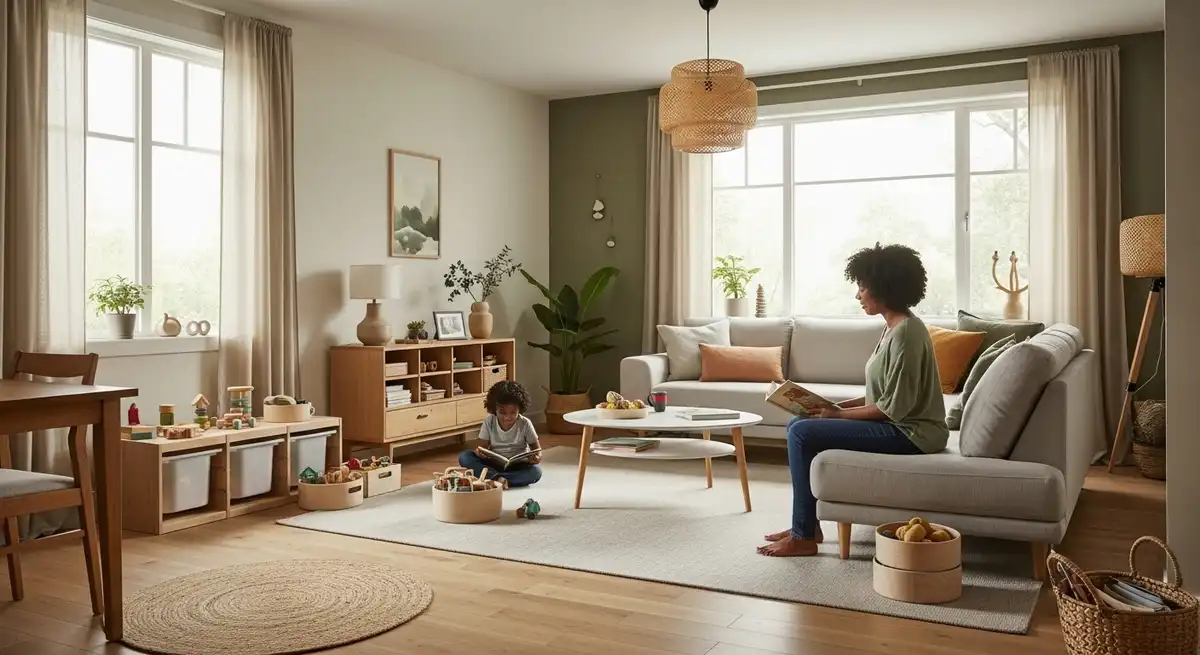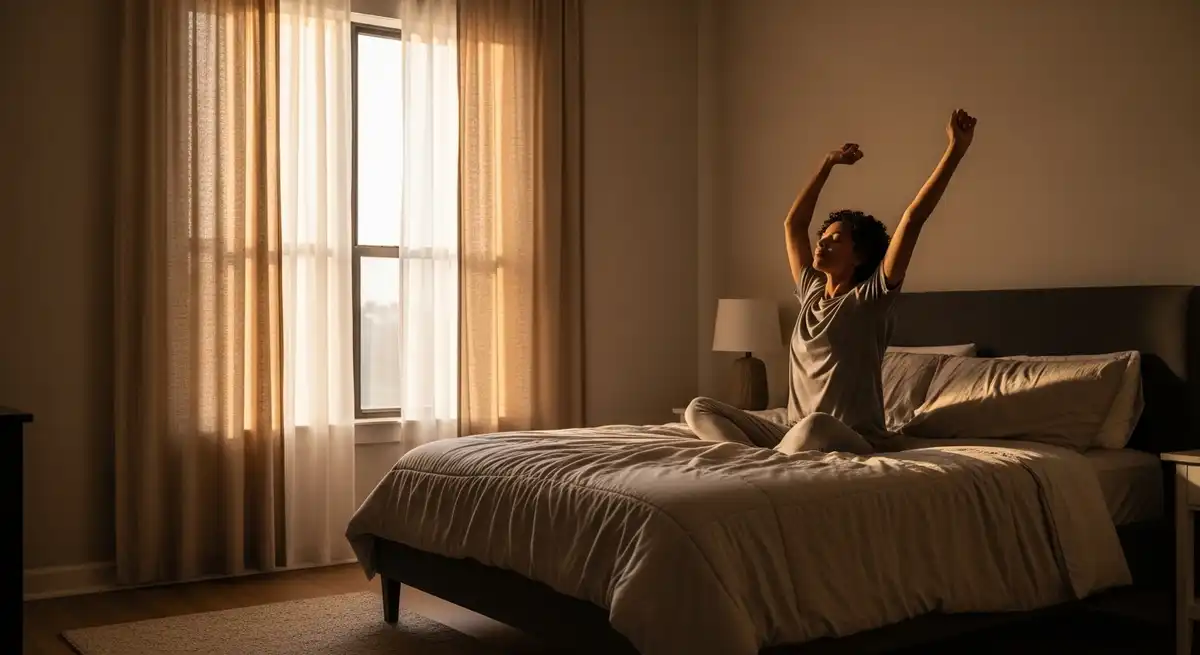
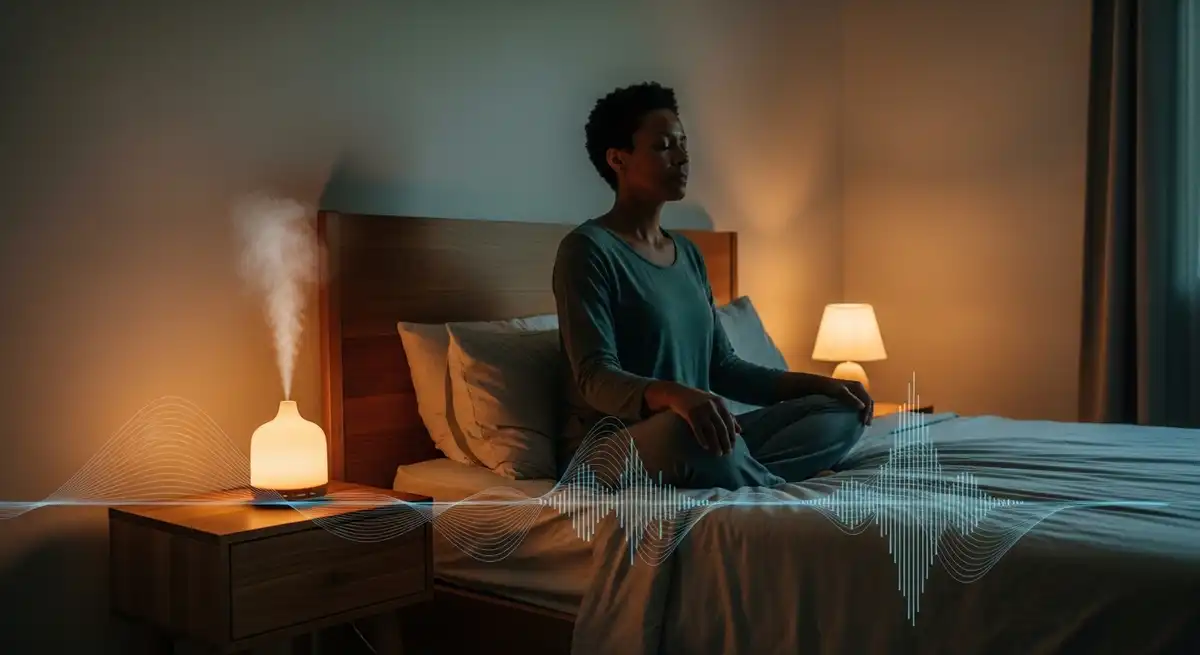
Evenings often carry the leftover tension of the entire day, especially for people managing work demands, family responsibilities, and constant digital exposure. Many people notice that while tasks end, mental alertness continues, making it difficult to slow down naturally. Calming music and aromatherapy are commonly used as gentle lifestyle supports to help evenings feel quieter, more predictable, and emotionally settled.
This approach is not designed to fix sleep or emotional problems. Instead, it focuses on shaping the environment in ways that feel supportive after long or demanding days. Wellness educators often describe this practice as sensory conditioning, where sound and scent signal that daytime effort has ended.
When used consistently, calming music and aromatherapy are often associated with smoother evening routines and less mental friction before rest. The value comes from familiarity and repetition rather than intensity. Over time, these cues can help evenings feel calmer without forcing relaxation.
Calming music aromatherapy peaceful: Understanding the Role of Sensory Cues in Evening Routines
Sensory cues influence how the nervous system decides whether to stay alert or begin slowing down. Sound, scent, light, and temperature all send information to the brain about safety and activity levels. Many modern evenings include mixed signals, such as dim lighting paired with screens or quiet rooms paired with mental overload.
Calming music and aromatherapy work by simplifying these signals. Gentle sound reduces sharp auditory input, while familiar scents provide emotional consistency. Lifestyle guidance often notes that predictable sensory patterns support smoother transitions at the end of the day.
This approach fits best within broader routines rather than standing alone. It works alongside regular sleep timing, reduced stimulation, and realistic evening expectations. The goal is gradual settling, not instant calm.
The Combined Use of Music and Scent in Daily Life
Music and scent affect the brain through different pathways, which explains why they are often paired. Sound influences attention and emotional regulation, while scent connects closely to memory and emotional response. Together, they create a layered experience that feels immersive but not overwhelming.
Many wellness educators note that combining gentle cues often feels easier than relying on one strong input. Music creates a stable background, while scent acts as a quiet anchor. Over time, the pairing itself becomes a recognizable signal that the day is winding down.
In everyday life, this combination is used during evening household routines, quiet personal time, or pre bed rituals. The emphasis remains on comfort and consistency. The practice works because it feels familiar, not because it feels powerful.
Ambient Music as an Evening Support Tool
Ambient music is designed to exist without demanding attention. It usually avoids lyrics, strong rhythms, or sudden changes, which reduces mental engagement. This makes it a common choice for evenings when the goal is easing out of activity rather than staying entertained.
The roots of ambient music lie in creating sound environments rather than performances. Composers developed soundscapes meant to blend into the background and soften mental edges. In daily life, this quality makes ambient music suitable for winding down.
Many people find ambient music helpful because it fills silence without pressure. Complete silence can amplify internal chatter, while structured songs can feel stimulating. Ambient sound often sits comfortably between those experiences.
Types of Ambient Music Commonly Used in the Evening
Different ambient styles suit different parts of the evening. Downtempo music includes gentle rhythms that support early evening relaxation while people are still active. It is often used during light chores or quiet family time.
New age music often features acoustic instruments such as piano or flute. These sounds are commonly used later in the evening when emotional settling becomes the focus. Their familiarity can feel reassuring.
Ambient electronic music uses soft textures and slow transitions. Many people prefer it closer to bedtime because it avoids abrupt changes. Repeating the same style regularly helps the brain form associations with rest.
Aromatherapy as a Gentle Lifestyle Practice
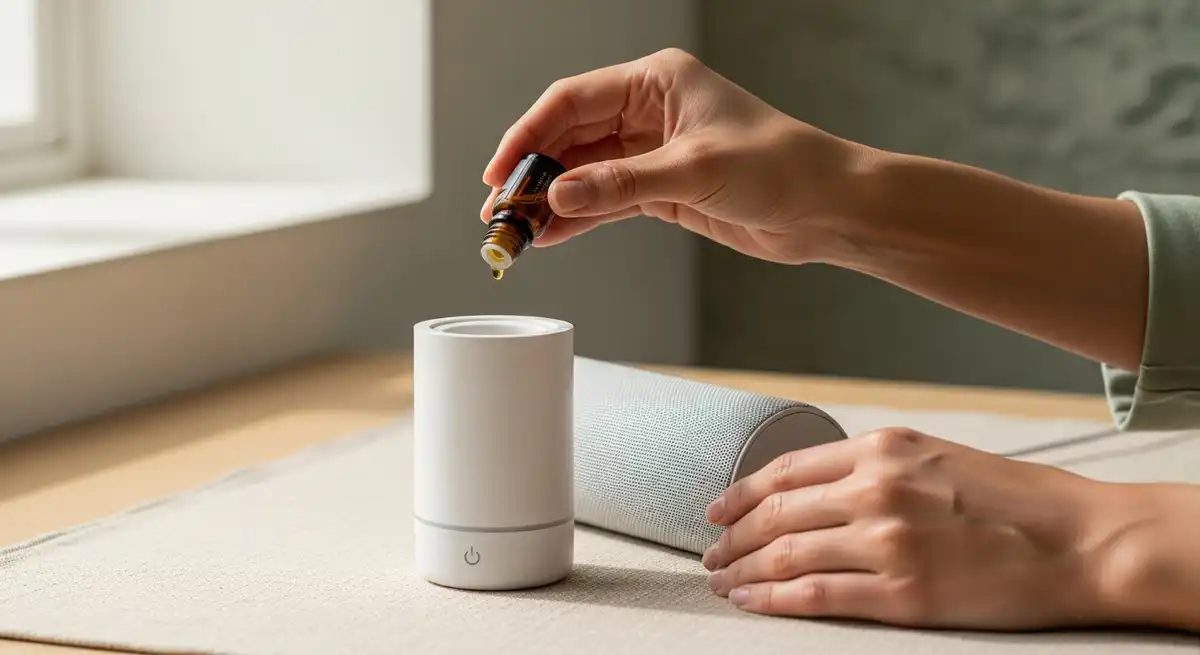
Aromatherapy involves using essential oils for their scent rather than for medical purposes. In wellness settings, oils are usually inhaled through diffusers or personal inhalers. The focus remains on sensory experience, not physical treatment.
Smell has a strong link to memory and emotional response. When a scent is used consistently in the evening, it becomes associated with slowing down. This association develops gradually through repetition.
Aromatherapy is generally considered a supportive habit rather than a primary solution. It is often combined with other calming routines such as dim lighting or reduced noise. The intention is to create a comfortable environment.
Essential Oils Commonly Used for Peaceful Evenings
Lavender is widely used in evening routines because many people associate it with calm and familiarity. It appears frequently in household products designed for nighttime use. Its scent is usually described as soft and settling.
Chamomile offers a gentler, herb based aroma that some people prefer. It is often chosen in family settings because it feels mild. Many wellness educators describe it as comforting rather than sedating.
Frankincense has a deeper, resin like scent that some people find grounding after mentally demanding days. It is often used in small amounts. Preference plays a major role in how effective any oil feels.
Alternatives for Individual Sensitivities and Preferences
Not everyone responds well to floral scents. Citrus based oils such as bergamot or mandarin are often chosen when lighter aromas feel more comfortable. In low concentrations, these scents are commonly associated with emotional balance rather than stimulation.
Vetiver has an earthy aroma that some people describe as stabilizing. It is often used sparingly because of its intensity. Many people choose it during periods of emotional fatigue.
Selecting a scent is less about finding the correct option and more about noticing comfort. Wellness guidance emphasizes stopping or changing scents if irritation or discomfort appears. Personal response matters most.
Safe Everyday Use of Aromatherapy at Home
Evening aromatherapy is usually practiced with diffusers or inhalers. Diffusers scent the room and are often used in private spaces like bedrooms. Inhalers allow personal use without affecting others nearby.
Safety guidance typically suggests using oils in low concentrations. Continuous diffusion for long periods is usually unnecessary. Short sessions often provide enough sensory cueing.
Households with children or pets require extra care. Some oils are not suitable in shared environments. Observing reactions and maintaining airflow are simple but important precautions.
The Importance of Predictable Evening Timing
Evening routines tend to work best when timing is predictable. The body responds more reliably to patterns than to occasional efforts. Introducing calming music and aromatherapy at similar times each night supports habit formation.
The 10 3 2 1 sleep rule is often referenced as a general framework for evening structure. It encourages reducing stimulation gradually. This aligns well with sensory based routines.
Timing does not need to be strict. Consistency within personal schedules matters more than exact hours. Familiar cues reduce the mental effort of winding down.
Understanding the 10 3 2 1 Sleep Rule in Daily Context
The 10 3 2 1 sleep rule refers to stopping caffeine ten hours before bed, finishing large meals three hours before, ending work two hours before, and avoiding screens one hour before sleep. It supports natural sleep rhythms rather than forcing rest.
Many people adapt this rule to fit real life. Even partial use is often associated with improved evening comfort. The framework is meant as guidance, not a requirement.
When combined with calming music and aromatherapy, the rule becomes easier to follow. Sensory cues act as reminders that transitions are happening. Over time, resistance decreases.
Creating a Sensory Based Evening Wind Down Routine
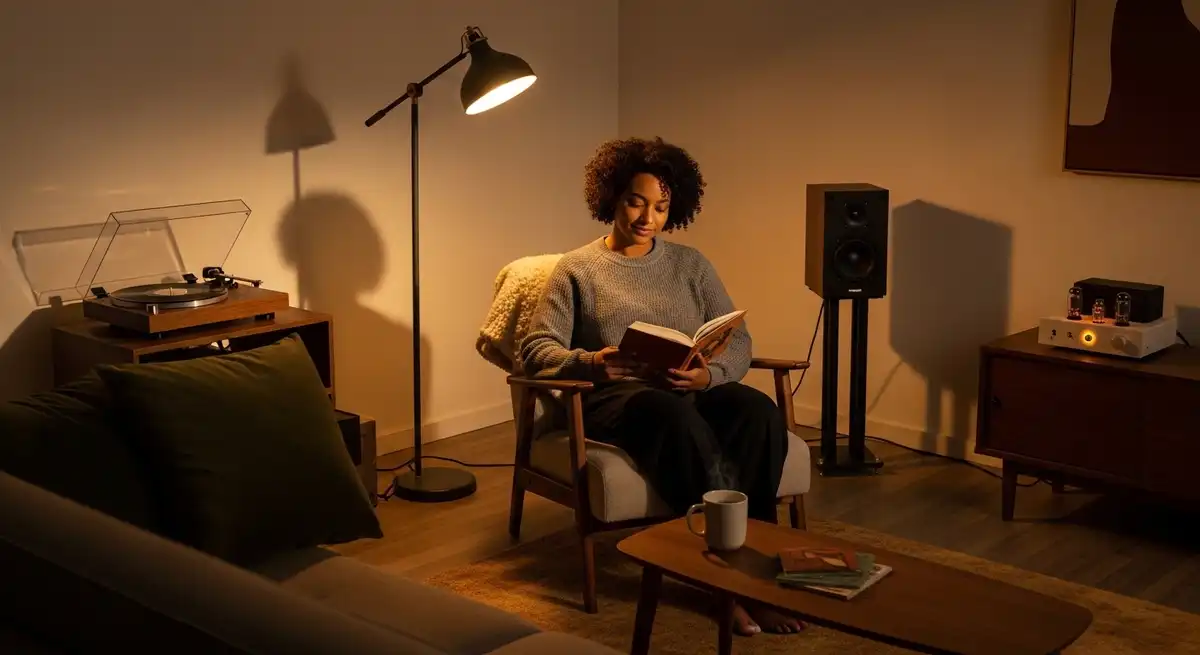
A sensory wind down routine focuses on reducing stimulation step by step. Lighting is often adjusted first by switching from bright overhead lights to softer lamps. This change signals that the day is slowing.
Music is usually added next, creating a steady background. Aromatherapy often follows once the space feels calmer. The sequence matters less than repeating it consistently.
Many people find that structured routines reduce decision fatigue. Knowing what comes next removes pressure. The routine itself becomes calming through familiarity.
A Sixty Minute Evening Transition Framework
A sixty minute framework is commonly used as a flexible guide. The first stage focuses on the environment, such as lowering light and noise. This prepares the space rather than the person.
The middle stage often includes personal care activities like washing or changing clothes. Music and scent support these moments quietly. This phase bridges activity and rest.
The final stage emphasizes stillness. Sitting quietly or lying down becomes easier when sensory input stays gentle. This stage supports natural restfulness.
Adapting Evening Routines for Parents and Working Mothers
Parents and working mothers often face unpredictable evenings. Household needs and work spillover can disrupt ideal routines. Calming music and aromatherapy offer flexibility because they can operate quietly in the background.
These practices do not require uninterrupted time. Music can play during bedtime routines, and scents can remain subtle. This allows caregivers to participate while meeting responsibilities.
Shared sensory routines often help households settle together. Consistent evening cues can benefit adults and children when used appropriately. The focus stays on environment rather than control.
Using Aromatherapy Safely in Family Settings
Safety becomes especially important in family homes. Some essential oils are not recommended for young children or pets. Wellness guidance suggests choosing mild scents and keeping sessions brief.
Diffusion times are usually shorter in shared spaces. Personal inhalers offer an option for adults. Observation is key.
Families often adjust routines as children grow. What works at one stage may change later. Flexibility supports long term use.
The Concept of a Sleep Cocoon Environment
A sleep cocoon refers to an environment designed to reduce sensory disruption. Darkness, steady sound, and comfortable temperature form its base. This environment supports rest without effort.
Calming music and aromatherapy contribute by masking sudden noises and creating emotional consistency. Over time, the bedroom becomes associated with rest. This association builds gradually.
The concept emphasizes environment over willpower. Instead of trying to sleep, people focus on setting supportive conditions. This reduces pressure.
Sound Choices for Nighttime Stability
Steady sounds such as pink or brown noise are often used at night. These emphasize lower frequencies and feel softer to many listeners. Some people find them less intrusive than white noise.
Music with unpredictable changes is usually avoided. Lyrics can trigger thinking. Simple soundscapes are often preferred.
Using the same sound nightly strengthens association. Over time, the sound itself becomes a cue for rest.
Temperature and Light as Supporting Factors
Temperature influences sleep comfort. Cooler rooms are often associated with easier rest. Many people lower room temperature gradually in the evening.
Light exposure affects internal timing. Dimming lights supports natural rhythms. Warm toned bulbs are often used.
These factors work alongside music and scent. Together, they send a consistent message. No single element works alone.
Consistency and Long Term Habit Formation
Habits develop through repetition. Occasional use may feel pleasant, but consistency builds association. Over time, the routine becomes automatic.
This predictability reduces mental load. There is no need to decide how to relax. The routine unfolds naturally.
Patience matters. Changes are often subtle at first. Steady practice brings the most value.
Realistic Expectations for Evening Wellness Practices
Calming music and aromatherapy are not solutions to complex concerns. They are supportive tools within broader routines. Expecting instant change can lead to frustration.
Many people notice small shifts first, such as feeling slightly calmer. These add up over time. Consistency matters more than duration.
Understanding limitations helps maintain balance. These practices support wellbeing but do not replace professional care.
Frequently Asked Questions
Does calming music help people relax in the evening
Calming music is commonly associated with reduced mental stimulation during evening routines. Many people find that slow, non lyrical sound supports emotional settling by providing steady background input. It is typically used as a lifestyle support rather than a guaranteed relaxation method.
What type of music is best for peaceful evenings
Ambient and downtempo music are commonly chosen for peaceful evenings. These styles avoid strong rhythms and lyrics that can engage attention. Consistency in music choice often matters more than selecting a specific artist or genre.
Is aromatherapy safe to use every evening
Aromatherapy is generally considered safe when used in low concentrations and for short periods. Wellness guidance emphasizes observing personal comfort and avoiding continuous diffusion. Sensitivity varies, so adjusting use is recommended.
Can calming music and aromatherapy improve sleep quality
These practices are often associated with improved sleep routines rather than direct sleep outcomes. By supporting evening relaxation, they may help create conditions that feel more conducive to rest. Individual responses vary widely.
How long should evening aromatherapy sessions last
Short sessions of about fifteen to thirty minutes are commonly suggested in everyday wellness contexts. Longer exposure is usually unnecessary. The intention is to create a sensory cue, not saturate the space.
Are these practices suitable for children
Some calming music and mild scents are used in family settings with care. Not all essential oils are appropriate for children. Families often choose gentle options and observe comfort closely.
Do these practices work for busy schedules
Calming music and aromatherapy are often valued for their flexibility. They can run quietly during routine tasks. This makes them accessible on demanding evenings.
Is silence better than music at night
Some people prefer silence, while others find it increases mental noise. Gentle background sound can feel more supportive for some individuals. Personal preference determines suitability.
Can these routines replace professional support
These practices are not substitutes for professional care. They are commonly used as lifestyle supports alongside other wellbeing strategies. Ongoing concerns should be discussed with qualified professionals.
How long does it take to notice benefits
Many people notice subtle changes after several weeks of consistent use. Effects are usually gradual rather than immediate. Patience and repetition matter.
Conclusion
Calming music and aromatherapy for peaceful evenings offer a grounded way to support daily transitions from activity to rest. These practices focus on shaping the environment rather than controlling emotions. When used safely and consistently, they can help evenings feel steadier, quieter, and more supportive of everyday wellbeing.
Medical Disclaimer
This content is for informational purposes only and does not constitute medical or mental health advice. It is not intended to diagnose, treat, cure, or prevent any condition. Always consult a qualified healthcare provider regarding health, sleep, or emotional wellbeing concerns.
For wider background on this, see the American Psychological Association on stress.