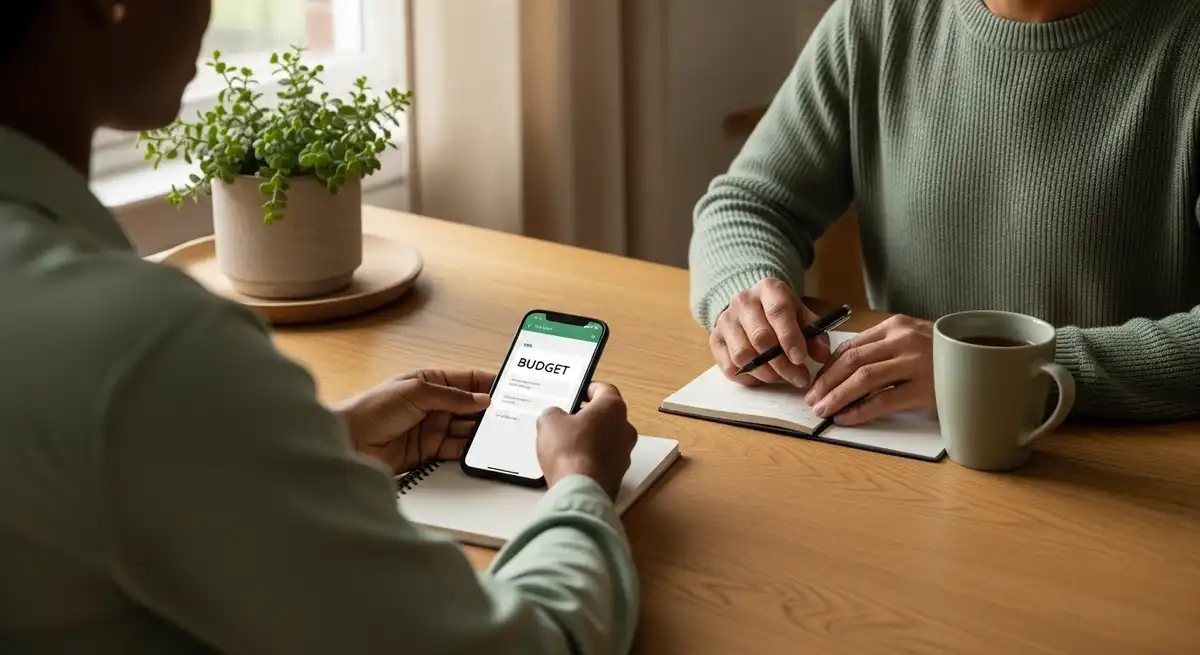

Many people notice that their phone quietly becomes the first and last object they interact with each day. What starts as a practical tool for communication often turns into constant background noise that fragments attention and drains emotional energy. Wellness educators increasingly describe phone overuse as a lifestyle pattern shaped by design rather than a personal failure, which allows calmer and more sustainable change.
How to Break Phone Addiction Without Stress: Understanding Phone Addiction as a Lifestyle Pattern
Phone addiction is commonly described as repeated, automatic phone checking that feels difficult to interrupt. This pattern is often shaped by habits built around convenience, notifications, and social feedback rather than a lack of discipline. Looking at phone overuse as a learned behavior reduces guilt and makes space for realistic adjustments that fit everyday life.
The Role of Dopamine in Everyday Phone Use
Dopamine is a brain chemical involved in motivation, anticipation, and learning. Many smartphone features are designed to trigger dopamine release through novelty, updates, and social cues. Understanding this response helps explain why short checks can stretch into long sessions and why awareness is often the first step toward calmer use.
Infinite Scrolling and Attention Fatigue
Infinite scrolling removes natural stopping points that help the brain disengage. Without clear endings, attention stays partially activated, which contributes to mental fatigue over time. Media researchers note that this design keeps people engaged longer than intended, often without delivering meaningful satisfaction or rest.
Cognitive Load and Constant Connectivity
Cognitive load refers to how much information the brain manages at one time. Frequent phone interruptions increase this load by forcing repeated task switching across the day. Over time, this pattern is often linked with reduced focus, irritability, and a sense of mental clutter that follows people into evenings.
Emotional Effects of Persistent Notifications
Notifications create a steady sense of anticipation that keeps the nervous system alert. Even when messages are not urgent, alerts signal potential demands for attention. Many people notice a calmer baseline within days of reducing notifications, as the background sense of urgency begins to soften.
Reframing Phone Use Without Guilt
Reframing phone use means replacing judgment with observation. Instead of labeling habits as bad or irresponsible, wellness educators suggest noticing when and why the phone is picked up. This neutral perspective supports gradual change and reduces emotional resistance that often blocks progress.
Digital Minimalism as a Supportive Framework
Digital minimalism focuses on intentional technology use that aligns with personal priorities. It does not require rejecting technology entirely, but encourages clarity about what genuinely adds value. Many people find this framework supportive because it emphasizes choice, balance, and flexibility rather than strict limits.
Making Phone Use Less Automatic
Automatic phone use often appears during boredom, stress, or transitions between tasks. Introducing small pauses before unlocking the screen helps interrupt this pattern. Simple changes such as placing the phone face down or keeping it in a bag create enough friction to restore conscious choice.
Notification Pruning in Daily Life
Notification pruning means turning off alerts that are not essential for safety, work, or close relationships. This approach reduces attention fragmentation while keeping communication open. People often begin by silencing promotional and social app notifications while allowing calls from important contacts.
Notification Batching for Focus
Notification batching involves checking messages at set times instead of responding instantly. This supports longer periods of focus at work and greater presence during family time. Over time, many people experience fewer interruptions and a stronger sense of control over their daily rhythm.
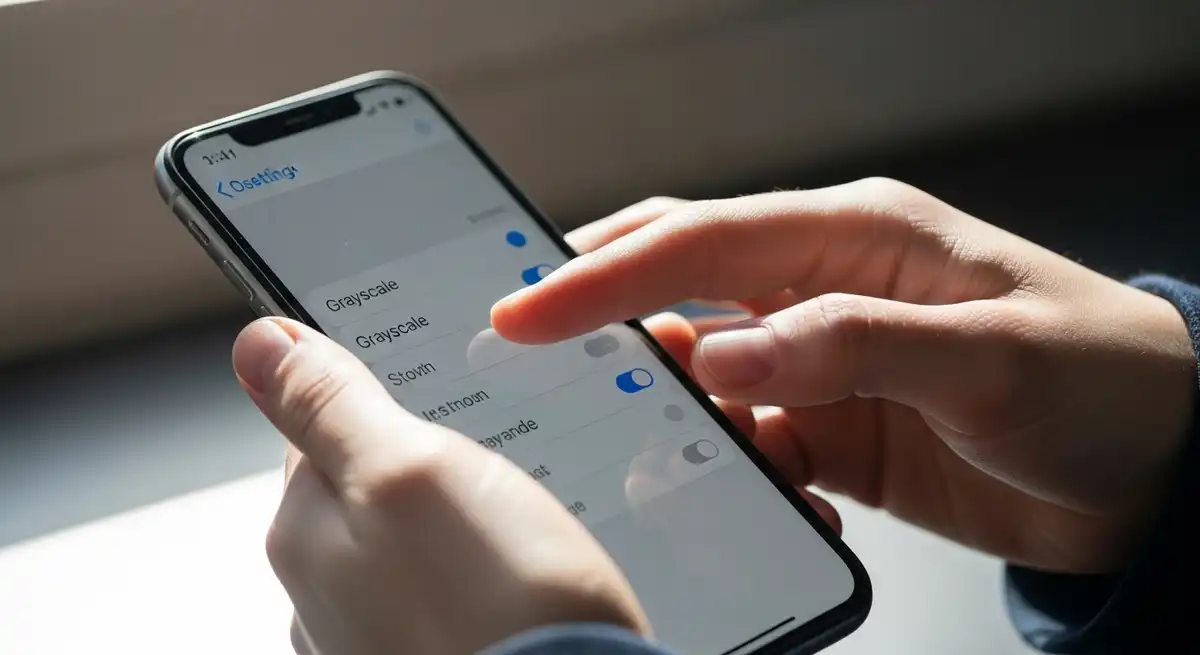
Grayscale Mode and Visual Stimulation
Grayscale mode removes color from the phone display, which reduces visual stimulation. Without bright icons and images, many apps feel less compelling and sessions naturally shorten. This adjustment allows continued access to the phone while reducing habitual scrolling.
Environmental Design Over Willpower
Environmental design focuses on shaping surroundings to support desired habits. Keeping the phone outside the bedroom or away from seating areas reduces impulsive checking. This strategy lowers reliance on willpower, which is often limited during stress, fatigue, or busy days.
Phone-Free Zones at Home
Phone-free zones are specific areas where phone use is intentionally limited. Common examples include dining tables and bedrooms. These boundaries support focused interaction, clearer transitions between activities, and a sense of shared presence at home.
Screen-Free Mornings and Evenings
Screen-free mornings involve delaying phone use after waking. This practice supports calmer mental orientation and reduces the rush of information early in the day. Screen-free evenings help signal rest by limiting stimulating content before sleep.
Blue Light and Sleep Awareness
Blue light from screens can influence circadian rhythms that guide sleep and wake cycles. Exposure close to bedtime may delay natural sleep signals. Many people use night modes or set device curfews as supportive lifestyle measures for healthier sleep routines.
Mindful Technology Use Explained
Mindful technology use means engaging with devices deliberately rather than automatically. It involves deciding the purpose of use before opening an app. This simple habit often shortens sessions and increases satisfaction with the time spent online.
Applying Mindfulness Without Formal Practice
Mindfulness with technology does not require meditation experience. Pausing briefly before unlocking the phone is often enough to increase awareness. Over time, this pause helps distinguish intentional use from habitual scrolling without adding pressure.
Setting Gentle Time Limits
Time limits create structure without strict control. Many people choose a flexible daily range for social media rather than exact minutes. This approach reduces stress while still supporting healthier boundaries around screen use.
Curating Digital Content Thoughtfully
Curating content means choosing what appears in feeds and inboxes. Unfollowing accounts that trigger comparison or agitation reduces emotional strain. Following informative or calming content helps align digital spaces with personal wellbeing values.
Digital Clutter and Mental Space
Digital clutter includes unused apps, unread emails, and constant alerts. This clutter mirrors physical clutter by occupying mental space. Periodic digital cleanups are often associated with improved clarity and reduced overwhelm.
Low-Stimulation Activities as Replacements
Reducing phone use is easier when replaced with low-stimulation activities. Walking, stretching, reading, or light household tasks provide gentle engagement. These activities support nervous system balance without demanding constant attention.
The Digital Sabbath Concept
A Digital Sabbath refers to a planned break from screens for part of a day or a full day. This practice is often used as a lifestyle reset rather than a strict rule. Many people adapt it to suit work and family responsibilities.
Partial Digital Breaks for Busy Lives
Partial digital breaks focus on specific times instead of full days. Phone-free mornings or afternoons are common examples. These breaks offer benefits without disrupting professional duties or caregiving needs.
Understanding Dopamine Fasting Safely
Dopamine fasting is often misunderstood as deprivation. In wellness education, it usually refers to reducing high-stimulation activities temporarily. The aim is to restore sensitivity to everyday experiences, not to eliminate enjoyment or connection.
Balanced Approaches to Dopamine Reduction
Balanced dopamine reduction focuses on moderation. Maintaining nutrition, movement, and social contact remains important. Extreme isolation or restriction is generally discouraged because it can increase stress.
Dumbphones as Environmental Tools
Dumbphones offer basic calling and texting without app-based distractions. Some people use them to reduce triggers associated with smartphones. They are often viewed as practical tools rather than permanent replacements.
The Second-Phone Approach
The second-phone approach involves keeping a smartphone at home for essential tasks. A simpler phone is used during daily outings. This arrangement balances accessibility with reduced distraction.
Social Connection Without Constant Screens
Reducing phone use does not mean reducing connection. Many people notice deeper conversations and improved presence when phones play a smaller role. This shift supports relationships without requiring complete disconnection.
Managing Initial Discomfort Calmly
Initial discomfort during phone reduction is common. Restlessness or habitual reaching often reflects adjustment rather than harm. Understanding this response helps normalize the experience and reduce unnecessary worry.
Using Breath and Movement for Regulation
Gentle breathing and movement support nervous system regulation during habit changes. Short walks or slow stretches provide grounding. These practices are commonly used as everyday lifestyle supports.
Accountability Through Shared Awareness
Accountability partners offer shared awareness rather than enforcement. Talking about screen habits with a trusted person increases reflection. This approach supports consistency without pressure or judgment.
Parenting and Phone Use Modeling
Children often learn phone habits by observing adults. Visible boundaries, such as phone-free meals, model balanced use. Many parents report improved family interaction after making small, consistent changes.
Supporting Working Mothers and Caregivers
Working mothers often rely on phones for coordination and emotional support. Gentle boundaries help separate necessary use from habitual scrolling. Flexible strategies respect time limits and daily responsibilities.
Work Demands and Digital Boundaries
Many roles require frequent phone access. Defined communication periods help maintain productivity without constant checking. Clear boundaries reduce fatigue while supporting professional expectations.
Technology as a Tool, Not a Default
Viewing technology as a tool encourages intentional use. Tools are selected for specific purposes, not constant engagement. This mindset supports autonomy and reduces emotional dependence on devices.
Gradual Change Over Cold Turkey
Gradual change is often more sustainable than sudden restriction. Small adjustments build over time without triggering resistance. This approach aligns with behavioral science and everyday wellness guidance.

Realistic Expectations for Progress
Progress with phone habits varies by individual. Some notice changes within days, while others take weeks. Consistency and self-compassion matter more than speed.
Avoiding Extremes in Wellness Messaging
Extreme detox narratives often increase stress. Balanced wellness education emphasizes moderation and adaptability. This perspective supports long-term integration rather than short challenges.
Emotional Responsibility in Habit Change
Emotionally responsible habit change avoids self-blame. Acknowledging stress, fatigue, and context supports realistic expectations. This tone aligns with safe, public-facing wellness standards.
Cultural and Social Context of Phone Use
Phone habits are shaped by social norms and work culture. Recognizing these influences reduces isolation. Change is framed as personal adaptation within shared environments.
The Role of Rest and Boredom
Rest and boredom are natural states often avoided through phones. Allowing brief boredom supports creativity and mental reset. Many people rediscover simple pleasures through this shift.
Integrating Changes Into Daily Routines
Integration focuses on fitting changes into existing routines. Linking phone boundaries to meals or bedtime increases consistency. This reduces mental effort.
Long-Term Maintenance Without Rigidity
Long-term maintenance allows flexibility. Occasional increased phone use does not erase progress. A non-rigid approach supports sustainability and emotional balance.
Digital Wellbeing as Ongoing Awareness
Digital wellbeing is an ongoing practice rather than a destination. Regular reflection helps align habits with changing needs. This perspective encourages adaptability.
Fully Expanded FAQs
How long does it usually take to reduce phone overuse
Reducing phone overuse usually takes several weeks of consistent adjustments. Many people notice calmer attention within one or two weeks after changing notifications and environment. Deeper habit shifts often develop over about a month, depending on lifestyle demands and starting patterns.
Does grayscale mode reduce screen time
Grayscale mode reduces visual stimulation by removing color cues that attract attention. Many users report shorter sessions because apps feel less engaging. This technique is often combined with notification control for greater effect.
Is phone overuse linked with stress
Frequent phone interruptions are commonly associated with higher perceived stress. Alerts keep the nervous system alert even during rest. Reducing interruptions often supports calmer daily rhythms without addressing medical conditions.
What is a Digital Sabbath in practice
A Digital Sabbath is a planned period of reduced screen use. It may last a few hours or a full day. The focus is rest and reflection rather than strict disconnection.
Can switching to a dumbphone help
Switching to a dumbphone can reduce triggers linked to apps. Some people find it helpful short term or part time. Practical needs often guide whether it suits long-term use.
How can mornings feel calmer without phones
Delaying phone use after waking allows natural mental orientation. Many replace scrolling with stretching or quiet preparation. This supports smoother transitions into the day.
Is dopamine fasting considered safe
Moderate dopamine reduction is generally considered a lifestyle practice. It focuses on lowering overstimulation rather than deprivation. Extreme approaches are usually discouraged.
Why do notifications feel overwhelming
Notifications signal potential demands for attention. This keeps the brain alert and fragmented. Reducing alerts often leads to noticeable mental relief.
How much daily screen time is reasonable
Reasonable screen time varies by purpose and context. Attention is placed on how usage feels rather than strict numbers. Intentional use is prioritized over limits.
How can phone use be balanced with work demands
Balancing phone use with work involves defined communication periods. This supports productivity without constant checking. Clear boundaries reduce fatigue while maintaining responsiveness.
Editorial Conclusion
Breaking phone addiction without stress works best as a gradual lifestyle adjustment rather than a test of discipline. Small changes to environment, awareness, and routines support calmer attention while respecting modern responsibilities. When approached with flexibility and neutrality, intentional phone use becomes a supportive part of daily life.
Medical Disclaimer
This content is for informational purposes only and does not constitute medical advice. It is not intended to diagnose, treat, cure, or prevent any condition. Always consult a qualified healthcare provider before making significant health or lifestyle changes.
For wider background on this, see the American Psychological Association on stress.