Many people move through their days without clear pauses, shifting quickly from one responsibility to another. Work pressure, family care, screen time, and constant notifications can quietly build tension. Relaxation exercises that take less than 10 minutes are often used as simple lifestyle supports that help people slow down briefly, reset attention, and regain steadiness without changing their schedules or routines.
Wellness educators often explain that relaxation does not require silence, special spaces, or long sessions. Short practices can fit into everyday moments like sitting at a desk, waiting between tasks, or preparing for rest. When practiced gently and consistently, these brief exercises support emotional balance and body awareness in realistic, everyday ways.
These practices are shared as educational lifestyle tools, not as medical or psychological treatments. They are commonly described as supportive habits that encourage calmer breathing, lighter muscle tension, and present awareness. Used safely, they can sit alongside broader routines focused on sleep, movement, nourishment, and emotional care.
Relaxation exercises: Understanding Relaxation Exercises That Take Less Than 10 Minutes
Relaxation exercises that take less than 10 minutes are short, structured activities that guide attention away from constant stimulation. They often include breathing patterns, gentle movement, or sensory focus that encourage the body to ease out of alert mode. Wellness guidance usually frames them as accessible practices rather than formal training programs.
These exercises are commonly used at home, at work, or in public spaces because they require little preparation. Many people turn to them during moments of mental fatigue, mild overwhelm, or physical stiffness. Their short length makes them easier to repeat regularly, which supports habit consistency over time.
Short relaxation practices are often explained as working with the body’s natural calming responses. Slower breathing, reduced muscle tension, and focused awareness are commonly linked with feelings of ease. The emphasis remains on gentle support, not dramatic or guaranteed outcomes.
The Relaxation Response in Everyday Life
The relaxation response is a term used in wellness education to describe the body’s natural shift toward rest. This state is often associated with slower breathing, steadier heart rhythm, and softer muscle tone. Short relaxation exercises are commonly designed to invite this response without requiring extended downtime.
Lifestyle guidance notes that the relaxation response does not depend on sleep or complete inactivity. It can appear during calm breathing, mindful movement, or quiet sensory focus. Even brief moments of this state are often viewed as helpful within busy routines.
In daily life, encouraging the relaxation response is usually framed as a supportive habit rather than a fix for stress. Many people notice smoother transitions between tasks when they pause briefly. Over time, these small pauses can support emotional steadiness and focus.
Breathing Techniques for Immediate Calm
Breathing techniques are among the most widely shared relaxation exercises that take less than 10 minutes. They focus on slowing the breath and making it more deliberate, which many wellness educators link with calmer body states. These practices are often taught in clear steps that can be used almost anywhere.
Controlled breathing does not aim to change emotions directly. Instead, it provides a physical anchor that supports attention and awareness. Many people use breathing exercises during work breaks, before sleep, or after demanding conversations.
Breathing practices are generally considered safe when done gently. People with breathing or heart conditions are often encouraged to stay within comfortable limits. The focus remains on ease and awareness rather than technique perfection.
4-7-8 Breathing Method
The 4-7-8 breathing method involves inhaling through the nose for four counts, holding for seven, and exhaling slowly for eight. This rhythm encourages longer exhalation, which many people associate with a settling sensation. The predictable count makes the method easy to remember during busy moments.
In daily routines, this method is often used before bedtime or during restlessness. Practicing a few cycles usually fits comfortably into short breaks. Many people describe it as calming without being mentally demanding.
Guidance around this method emphasizes gentle breathing rather than force. If lightheadedness appears, returning to natural breathing is advised. The practice is shared as an optional support tool.
Box Breathing for Focus
Box breathing uses four equal phases of breathing, inhale, hold, exhale, hold again, each for the same count. This steady structure is often used to support focus and composure. The even rhythm keeps attention anchored in the present moment.
Many people use box breathing during work pressure or before challenging tasks. The structure can help shift attention away from racing thoughts. Practicing for a few minutes is often enough.
Lifestyle guidance encourages adapting the count to comfort. Shorter or longer counts are acceptable. The aim is steady breathing, not a fixed number.
Grounding Exercises and Present Awareness
Grounding exercises direct attention toward immediate sensory experiences. They are often used as relaxation exercises that take less than 10 minutes because they need no equipment. The focus is on noticing what is physically present rather than engaging with thoughts.
These exercises are commonly used during mental overload or distraction. By focusing on sights, sounds, or physical sensations, attention often settles naturally. This can support calm awareness during everyday activities.
Grounding practices are described as awareness tools rather than emotional controls. They do not aim to block thoughts or feelings. Instead, they offer a neutral focus point.
5-4-3-2-1 Sensory Method
The 5-4-3-2-1 sensory method involves noticing five things you see, four you hear, three you feel, two you smell, and one you taste. This structured sequence guides attention through the senses in a calm order. Many people appreciate its clarity during moments of mental noise.
In daily life, this method is often used at work, at home, or in public settings. It can be practiced quietly without drawing attention. The full sequence usually takes only a few minutes.
Wellness guidance highlights flexibility. If a sense is less accessible, adapting is acceptable. The focus stays on awareness, not completion.
3-3-3 Rule for Quick Grounding
The 3-3-3 rule involves noticing three things you see, touching three objects, and taking three slow breaths. Its simplicity makes it easy to recall when time feels limited. Many people use it during brief pauses.
This approach is often used in professional or social settings. The actions can be subtle and private. It creates a short mental reset without stopping activity.
Lifestyle guidance frames this method as a gentle support. It is not presented as a solution. It simply offers steadiness in the moment.
Desk-Friendly Stretches and Physical Release
Physical tension often builds during long periods of sitting. Desk-friendly stretches are commonly included among relaxation exercises that take less than 10 minutes. They focus on gentle movement rather than effort.
These stretches usually target the neck, shoulders, hands, and back. They can be done seated or standing near a workspace. Many people include them during short breaks.
Wellness guidance often notes that movement-based relaxation supports both physical ease and mental clarity. The emphasis is slow, controlled motion. Stretching complements regular activity.
Neck and Shoulder Relief
Neck tilts involve gently lowering the ear toward the shoulder and holding briefly. Shoulder rolls use slow circular movement to ease upper back tension. These stretches are commonly used after screen time.
In everyday settings, people often practice them during work pauses. They need little space and preparation. Many find them refreshing.
Guidance encourages moving slowly and staying within comfort. Pain or strain is avoided. The goal is gentle release.
Hand and Wrist Care
Hand and wrist stretches involve opening the fingers, rotating wrists, and stretching the forearms. These movements are common for people who type often. They support comfort and circulation.
Practicing these stretches takes only a few minutes. Many people use them between tasks. They are often included in workplace wellness advice.
Wellness guidance stresses smooth, controlled motion. If discomfort appears, resting is advised. Awareness matters more than range.
Progressive Muscle Relaxation
Progressive muscle relaxation involves tensing and releasing muscle groups in sequence. Shortened versions fit well within relaxation exercises that take less than 10 minutes. The practice highlights contrast between tension and release.
People often practice this while seated or lying down. Short sequences focus on major muscle groups. This keeps the practice manageable.
Lifestyle educators describe it as a way to notice physical tension. It relies on sensation rather than imagery. The focus stays practical.
Upper Body Muscle Release
Upper body release often starts with the face, shoulders, and arms. Brief tension followed by release can reveal stored tightness. Many notice a sense of heaviness afterward.
This practice is commonly used in the evening or during breaks. It requires no tools. A short sequence fits easily into daily routines.
Guidance suggests gentle contraction only. Breathing naturally during release supports comfort. Awareness is the priority.
Lower Body Muscle Relaxation
Lower body relaxation focuses on thighs, calves, and feet. These areas often hold tension from standing or sitting. Brief release can support grounding sensations.
People often practice this while seated or lying down. It may be combined with slow breathing. Many use it before rest.
Wellness educators encourage comfort and adjustment. Sharp pain is avoided. The practice remains flexible.
Vagus Nerve Supportive Practices
Vagus nerve supportive practices are discussed in wellness contexts as gentle calming habits. They are not medical interventions. They are framed as optional lifestyle supports.
Short practices like humming or brief cold exposure are often mentioned. Their simplicity allows easy use. Comfort guides participation.
Wellness guidance notes that responses vary. These practices are choices, not requirements. Safety remains important.
Humming and Gentle Vocalization
Humming involves producing a soft sound during exhalation. The vibration can feel soothing. Many people find it calming without effort.
This practice is often used at home or privately. It can pair with slow breathing. Sessions are usually brief.
Guidance encourages relaxed sound. Forcing volume is avoided. The focus is ease.
Cold Water Face Splashing
Cold water face splashing involves briefly applying cool water to the face. The sensation can feel refreshing. Exposure stays short.
People often use this in the morning or during fatigue. It requires only water access. Duration remains brief.
Wellness educators advise moderation. Some individuals may avoid it. Personal comfort decides use.
Guided Mini-Meditations
Guided mini-meditations are short periods of focused attention. They fit well within relaxation exercises that take less than 10 minutes. Guidance helps maintain focus.
Many people use audio recordings or simple scripts. The guidance reduces effort. Sessions are flexible.
Wellness guidance frames them as supportive habits. They are not spiritual requirements. Calm attention is the goal.
Two-Minute Visualization Practice
A two-minute visualization involves imagining a calm, neutral place. Attention rests on simple sensory details. Imagery stays gentle.
People often use this during transitions. It requires little concentration. Many find it refreshing.
Guidance suggests keeping imagery simple. Emotional intensity is unnecessary. Ease matters.
Five-Minute Body Scan
A five-minute body scan guides attention from feet to head. Each area is noticed briefly. Judgment is avoided.
People often use body scans before sleep. They require no movement. Structure supports focus.
Wellness educators recommend adjusting pace. If discomfort arises, attention moves on. Flexibility is encouraged.
Mindful Movement Practices
Mindful movement combines gentle motion with attention. Simplified versions fit within relaxation exercises that take less than 10 minutes. Awareness leads movement.
Examples include slow stretching or simple yoga-based motions. They work in small spaces. Many include them in daily routines.
Lifestyle guidance emphasizes adaptability. Competition is absent. Comfort leads.
Gentle Yoga-Based Movements
Gentle yoga-based movements involve slow stretches with breathing. Poses are brief and simple. Equipment is optional.
People often use seated twists or standing stretches. They fit short breaks. Ease guides practice.
Guidance stresses listening to the body. Movements stay comfortable. Depth is unnecessary.
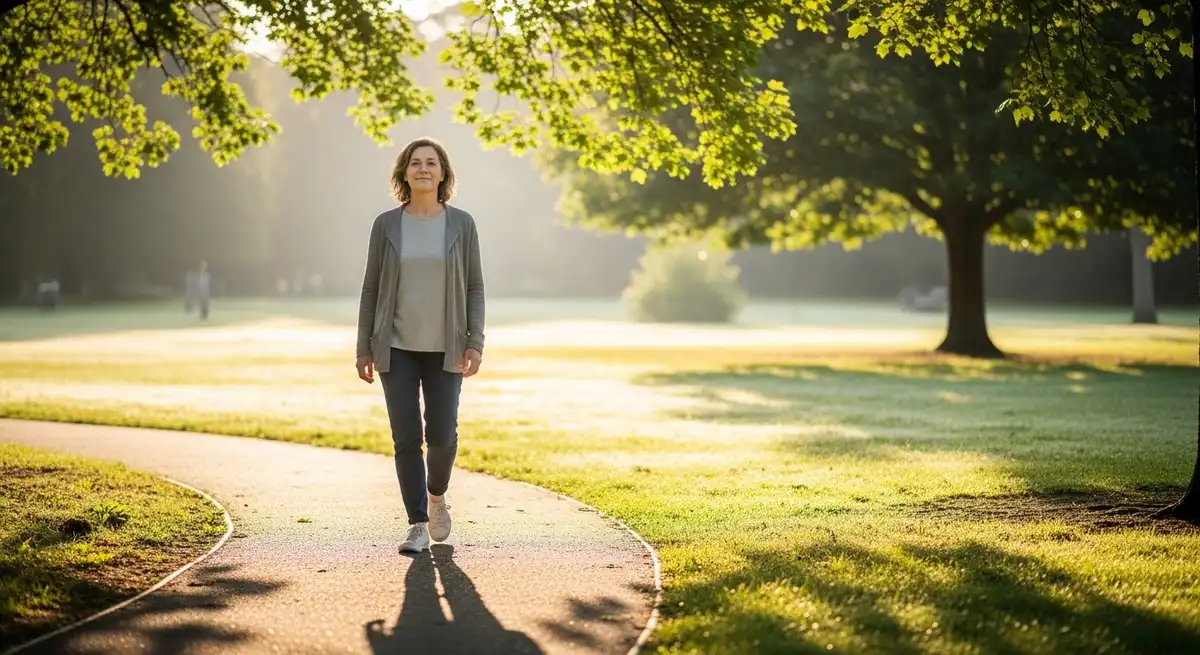
Slow Walking Awareness
Slow walking awareness focuses on each step. Attention stays on foot contact. Pace is relaxed.
People use this during short walks. No special setting is required. Movement stays natural.
Wellness educators describe it as awareness within routine movement. Tasks continue. Attention softens.
One-Minute Emergency Relaxation Practices
One-minute practices suit moments with limited time. They act as brief pauses. Simplicity supports use.
These practices focus on one anchor like breathing or counting. They fit public spaces. Reset is brief.
Wellness guidance frames them as optional supports. Resolution is not expected. Presence is enough.
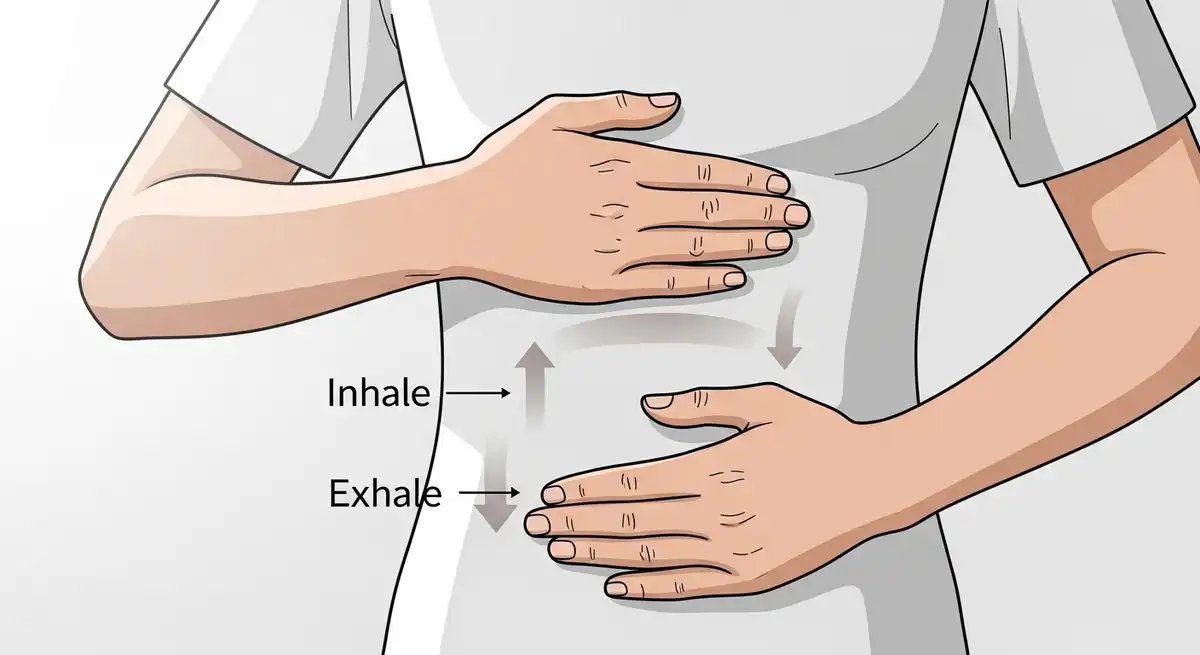
Abdominal Breathing Pause
Abdominal breathing focuses on belly movement. Breathing stays natural. Grounding often follows.
People use this while seated or standing. One minute is enough. It remains discreet.
Guidance emphasizes comfort. Breath is not forced. Ease leads.
Counting Breaths Downward
Counting breaths downward moves from ten to zero. Each breath carries one count. Focus stays simple.
People use it during restlessness. It fits pauses. Calm counting helps attention.
Wellness educators note restarting is fine. Forgetting counts is normal. Calm return matters.
Integrating Relaxation into Daily Routines
Integration focuses on consistency. Linking practices to habits supports regular use. Predictable moments help.
Examples include breathing after waking or stretching during breaks. Habits form naturally. Over time, effort reduces.
Lifestyle guidance values flexibility. Missed days happen. Gentle return matters.
Parenting and Working Life Relevance
Parents and working adults often face limited time. Short practices fit fragmented schedules. Accessibility matters.
Practices can occur during quiet moments. Privacy is not required. This supports use.
Wellness educators emphasize self-compassion. Relaxation is support, not duty. Small moments count.
Frequently Asked Questions
How can I relax my mind in five minutes
You can relax your mind in five minutes by using simple breathing, grounding, or body awareness practices. These methods gently shift attention from constant stimulation toward physical sensation. Many people use them as short lifestyle supports rather than solutions.
What are grounding techniques
Grounding techniques direct attention to present sensory experiences. They often involve noticing sights, sounds, or physical sensations. These practices support calm awareness in daily settings.
Does box breathing reduce stress
Box breathing is commonly associated with steadier breathing and focus. Many people find it helpful during pressure. It is shared as a supportive habit.
How often should relaxation exercises be practiced
Relaxation exercises are often practiced daily or as needed. Consistency matters more than length. Practices adapt to routines.
Are short relaxation exercises safe
Short relaxation exercises are generally safe when done gently. Comfort guides practice. Some may consult professionals.
Can relaxation exercises replace professional care
Relaxation exercises do not replace professional care. They complement broader support. Professional guidance remains important.
Do relaxation exercises work immediately
Some notice immediate calm, others gradual changes. Responses vary. Expectations stay realistic.
Can children use relaxation exercises
Children may use simple practices with guidance. Activities stay age appropriate. Support helps.
Are these practices spiritual
These practices are shared in secular wellness contexts. They focus on awareness. Interpretation varies.
Can relaxation exercises help sleep routines
Relaxation exercises often support bedtime routines. They help winding down. They are not treatments.
Conclusion
Relaxation exercises that take less than 10 minutes offer practical pauses within busy days. They support awareness, breathing, and ease without major change. Used gently and consistently, they complement wellness routines and encourage steadier rhythms.
Medical Disclaimer
This content is for informational purposes only and does not constitute medical advice. It is not intended to diagnose, treat, cure, or prevent any condition. Always consult a qualified healthcare provider before starting any new wellness, exercise, or relaxation practice.
For wider background on this, see the American Psychological Association on mindfulness.