
If Work-from-Home Balance: Proven Boundaries That Actually Work is something you keep putting off, the problem is usually not willpower. It is not having the words ready. Working from home has become part of everyday life for many people, yet it often brings challenges that are not obvious at first. Work hours can quietly extend, and personal time may start to feel less defined as routines blend together. Building simple, consistent habits helps create clearer separation and supports both productivity and everyday wellbeing.
What is work-from-home balance and why does it matter?
Work-from-home balance refers to maintaining clear separation between work duties and personal life while operating from the same space. It supports focus, steadier routines, and reduced daily strain when managed consistently. Many people rely on structured habits, simple environmental cues, and defined time blocks to create this balance in a practical way.
Work-from-Home Balance: Proven Boundaries That Actually Work: Work-from-Home Balance: Understanding Boundary Theory and Control
Boundary theory basics: flexibility and permeability
Work-from-home balance is often explained through boundary theory, which describes how different roles interact during the day. Flexibility relates to how easily work hours or tasks can shift, while permeability reflects how much work and personal life overlap. High overlap tends to increase interruptions and reduce the ability to concentrate on one task at a time.
Research in workplace psychology shows that constant switching between roles can lead to mental fatigue and reduced efficiency. Creating clearer boundaries, such as fixed work periods or defined work zones, helps limit this effect. Over time, these patterns allow the brain to move between tasks with less strain and greater clarity.
Integration and segmentation in daily routines
Work-from-home balance depends on whether a person prefers blending tasks or keeping them separate throughout the day. Integration allows flexible mixing of responsibilities, while segmentation focuses on clear separation between roles. Both approaches can work when supported by routines that match personal preferences and work demands.
Studies in occupational behavior suggest that alignment between personal style and daily routine improves satisfaction and consistency. Those who prefer structure often benefit from fixed schedules and clear workspaces. Others who prefer flexibility may use time blocks to maintain focus while allowing some overlap in responsibilities.
Role Blurring and Its Impact in Remote Work
Understanding role blurring in everyday life
Work-from-home balance becomes difficult when role blurring occurs, meaning work and personal activities overlap frequently. This often includes checking messages during family time or handling household tasks during work hours. Over time, this pattern can create a sense of constant activity without clear completion.
Many people report that role blurring reduces satisfaction because attention remains divided across tasks. Creating small boundaries, such as focused work periods and defined breaks, helps restore structure. These adjustments support a calmer and more organised daily routine.
The expanding nature of remote work demands
Work-from-home balance can weaken when work gradually expands into personal time without clear limits. The absence of commuting removes a natural transition that once marked the end of the workday. As a result, tasks may continue into evenings without a clear stopping point.
Health organizations note that longer working hours are associated with increased stress and reduced recovery time. Establishing a defined end to the workday helps prevent this gradual extension. Simple routines, such as closing devices or stepping away from the workspace, support a clearer boundary between roles.
Designing Physical and Sensory Boundaries at Home
Creating a defined workspace within limited space
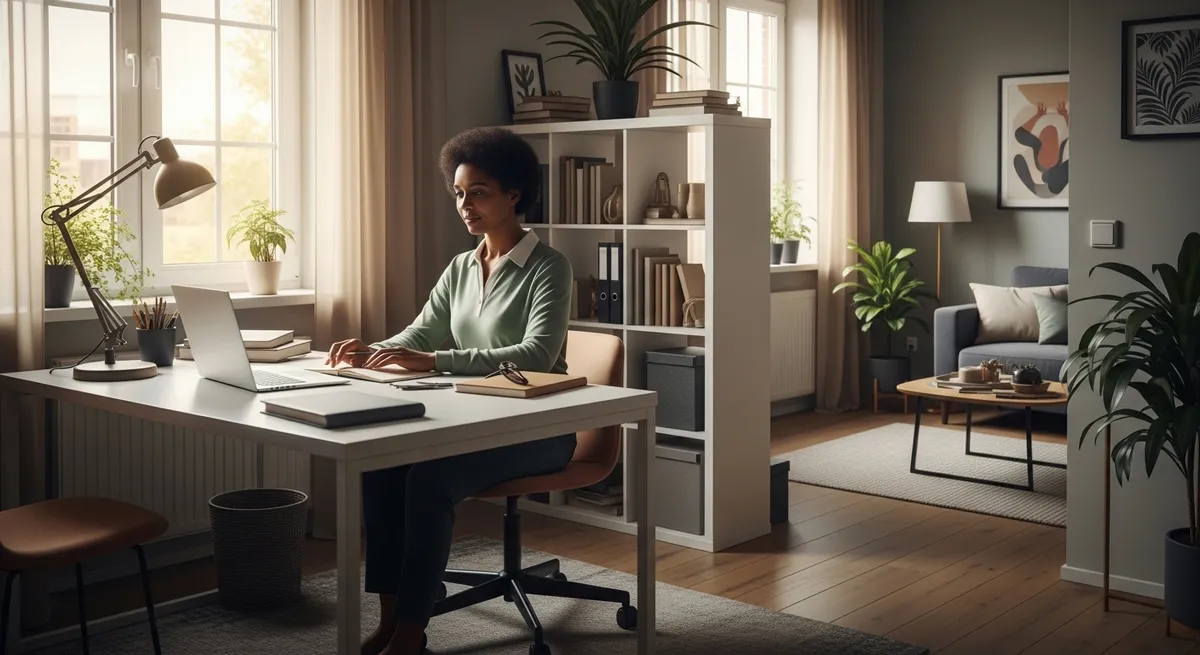
Work-from-home balance improves when a specific area is reserved for work, even in small living spaces. This space does not need to be large but should remain consistent and separate from relaxation areas. Simple adjustments, like using a dedicated chair or desk, help reinforce this boundary.
Environmental psychology suggests that visual separation supports focus by reducing distractions. When the brain links a particular area with work, it becomes easier to concentrate during those hours. Over time, this association strengthens routines and supports smoother transitions between work and personal life.
Using sensory cues to support routine changes
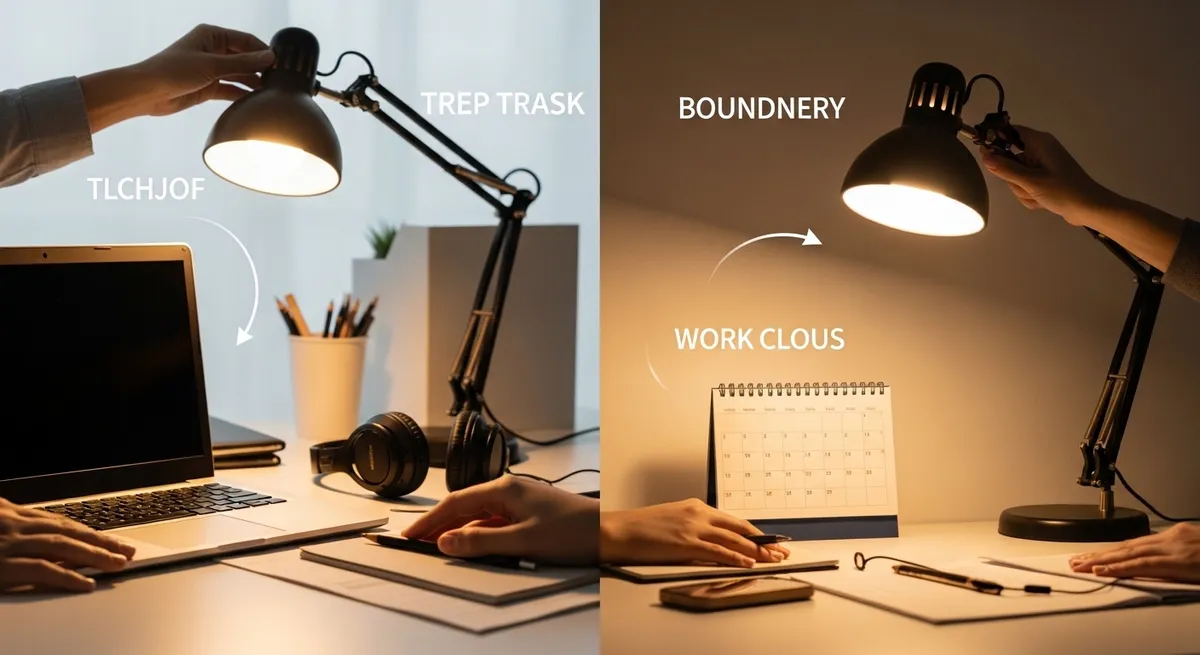
Work-from-home balance can be supported through sensory cues that signal changes in daily activity. Lighting, sound, and minor environmental shifts help the brain recognise when it is time to work or relax. These cues provide gentle guidance rather than strict rules.
Neuroscience research indicates that repeated cues strengthen habit formation and improve consistency. For example, brighter lighting may support focused work, while softer lighting encourages relaxation. These patterns create a predictable rhythm that supports both productivity and rest.
Deep Work and Attention Management at Home
Building consistent focus periods
Work-from-home balance often depends on the ability to maintain focused work without frequent interruptions. Deep work refers to sustained attention on meaningful tasks, allowing for better quality output. Establishing regular time slots for focused work helps improve consistency and reduce scattered effort.
Productivity studies show that structured focus periods are linked with improved task completion and reduced mental fatigue. Starting work at the same time each day can support this habit. Over time, the brain adapts to this rhythm, making focused work feel more natural and less effortful.
Managing digital distractions effectively
Work-from-home balance requires managing digital tools that can interrupt attention throughout the day. Frequent notifications and constant message checking often break concentration and slow progress. Setting specific times to review messages helps maintain better control over attention.
Behavioral research suggests that reducing interruptions improves efficiency and reduces stress. Turning off non-essential notifications during focus periods can support deeper concentration. Consistent digital boundaries help create a calmer work environment and support steady productivity.
Practical Strategies for Setting Boundaries That Work
A pseudo-commute is a short routine that replaces the transition between home and work, helping create a mental shift at the start and end of the day. This may include walking, stretching, or quiet reflection. Many people use this approach to support clearer separation between roles.
A put-away ritual involves clearing the workspace and storing work-related items at the end of the day. This simple action signals that work has ended and reduces the urge to continue tasks during personal time. It also helps maintain a tidy environment that supports relaxation.
The right to disconnect refers to limiting communication outside defined work hours. Setting expectations around availability helps maintain balance without affecting productivity. Many workplaces support this approach as it encourages healthier routines and reduces pressure to remain constantly available.
Mindfulness and Lifestyle Balance in Remote Work
Mindfulness in daily life involves paying attention to present activities with awareness and without distraction. In remote work settings, this often means focusing on one task at a time rather than switching frequently. Many people use this approach to support clearer thinking and reduce unnecessary stress.
Lifestyle balance also includes recognising the importance of rest, movement, and regular breaks throughout the day. Short pauses between tasks help reset attention and maintain steady energy levels. These practices are commonly used to support consistency rather than perfection.
Parenting and Household Coordination in Remote Work
Work-from-home balance can become more complex in households with shared responsibilities and multiple schedules. Parents and caregivers often manage both work and family tasks within the same environment. Clear communication and predictable routines help create a smoother daily structure.
Simple signals, such as designated quiet times or visible work indicators, help reduce interruptions. Shared schedules can support coordination between family members and ensure responsibilities are balanced. These small adjustments help maintain respect for both work and personal time.
Conclusion
Work-from-home balance is built through consistent habits, clear boundaries, and realistic routines that fit daily life. Combining defined spaces, structured schedules, and mindful transitions supports both productivity and personal wellbeing. With steady practice, these approaches help create a more manageable and balanced way of working from home.
Frequently Asked Questions
How do I separate work and home in a small apartment?
Separating work and home in a small apartment involves creating a consistent area for work activities, even if space is limited. Visual cues like a dedicated desk or chair help reinforce this boundary. Regular routines further support the distinction between work hours and personal time.
Does remote work lead to burnout?
Remote work may contribute to burnout when boundaries are unclear and work extends into personal time. This situation is often linked with longer hours and reduced opportunities for rest. Structured routines and defined limits are commonly used to support a more balanced daily experience.
How can I stop thinking about work after hours?
Stopping work-related thoughts after hours often involves creating a clear end-of-day routine that signals completion. Writing down unfinished tasks helps close mental loops and prepare for the next day. Activities like light movement or relaxation can support a smoother transition.
What is a pseudo-commute and does it work?
A pseudo-commute is a short routine that replaces the transition between home and work. It often includes simple actions like walking or quiet reflection. Many people find it helpful for creating a clearer mental boundary between professional and personal roles.
How do I set boundaries with my boss while working from home?
Setting boundaries with a manager usually involves clear communication about availability and work hours. Sharing schedules and response expectations helps establish understanding. Consistent communication supports a professional relationship while maintaining personal time.
Why is work-life balance harder when working remotely?
Work-life balance can feel harder in remote settings because physical separation between work and home is reduced. Without clear boundaries, tasks may overlap and extend into personal time. Structured routines and defined spaces are commonly used to manage this challenge.
How do I tell my family not to interrupt me while working?
Communicating work needs to family members involves setting clear expectations and consistent routines. Visual signals like a closed door or specific work times help reduce interruptions. Over time, these cues become part of the shared household understanding.
What are the best rituals for ending the workday?
Ending the workday effectively often includes reviewing tasks and preparing for the next day. Physically closing the workspace or putting away work items supports this transition. These habits help create a clear boundary between work and personal time.
Is it okay to ignore emails after work hours?
Ignoring emails after work hours is generally acceptable when expectations are clearly communicated. Many workplaces encourage defined availability to support balance. Setting consistent communication boundaries helps maintain both productivity and personal time.
How do I stop multitasking between home and work tasks?
Reducing multitasking involves scheduling separate time blocks for work and personal responsibilities. Focusing on one task at a time improves clarity and efficiency. This approach supports better organisation and a more structured daily routine.
Medical Disclaimer
This content is for informational purposes only and does not constitute medical advice. Consult a qualified healthcare provider before starting any new health routine or lifestyle change, especially if you have existing medical conditions or ongoing treatment.
Image Generation Prompts
For wider background on this, see the American Psychological Association on healthy relationships.