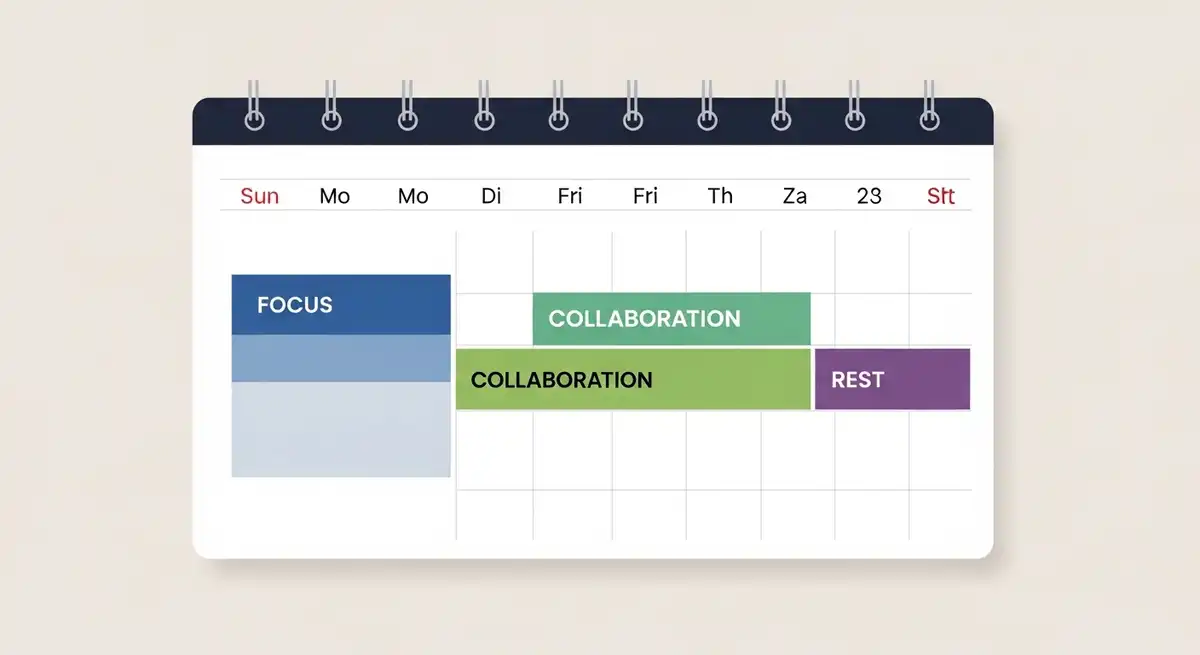

Burnout has become a common experience for people managing work, family responsibilities, and constant expectations. It often develops quietly, showing up as ongoing tiredness, reduced patience, or emotional distance from daily roles. For many working adults, especially parents and caregivers, quitting everything is rarely practical, which makes sustainable, everyday adjustments an important part of protecting wellbeing.
Avoiding burnout without quitting everything focuses on realistic lifestyle changes rather than dramatic exits. This perspective recognises that health, financial stability, and responsibility are often tightly connected. Wellness educators generally describe burnout as a signal that routines, boundaries, and recovery patterns need attention, not as a personal failure or lack of resilience.
This guide explains how burnout develops, why quitting is not the only response, and how practical strategies like mindfulness, job crafting, boundaries, and energy awareness are commonly used. The content remains educational and lifestyle focused, with calm language suitable for everyday use and long-term balance.
Avoid burnout quitting everything: Understanding burnout as_pages:Overview
Understanding burnout as a lifestyle imbalance
Burnout is commonly described as a state of prolonged exhaustion combined with emotional withdrawal and reduced satisfaction in daily responsibilities. It goes beyond normal tiredness and often persists even after rest. Many people notice that time off no longer feels refreshing, which can be confusing and discouraging when effort remains high.
From a lifestyle perspective, burnout reflects an ongoing gap between energy demands and recovery. Long hours, constant digital access, caregiving duties, and unspoken expectations gradually drain mental and physical reserves. When recovery remains insufficient, motivation and engagement often decline, even among capable and committed people.
Viewing burnout as an imbalance rather than a personal flaw changes the response. The focus shifts from escape to adjustment, encouraging people to look at where energy is spent and how daily routines can be reshaped to support steadier functioning.
Burnout versus everyday fatigue
Everyday fatigue usually improves with sleep, weekends, or a short break. Burnout tends to linger because the structure of daily life remains unchanged. People often describe waking up already tired or feeling detached from tasks they previously handled with confidence.
Lifestyle research often highlights emotional exhaustion as the key difference. Along with physical tiredness, burnout may include irritability, reduced patience, or a sense of disconnection from work or family roles. These patterns are commonly linked to prolonged stress exposure rather than temporary overwork.
Recognising this difference matters because it guides next steps. Fatigue calls for rest, while burnout usually requires changes to expectations, boundaries, and recovery habits that can happen without leaving work or major responsibilities.
Why quitting is often seen as the only solution
When burnout deepens, quitting can feel like the most direct form of relief. Stepping away promises distance from pressure and offers a sense of control during overwhelming periods. For some, it represents reclaiming space after feeling stretched too far for too long.
Wellness and occupational guidance often notes that quitting does not automatically resolve burnout patterns. Financial strain, loss of routine, and identity shifts can introduce new stressors that replace the old ones. Without changes in habits and boundaries, similar exhaustion can return in new settings.
This does not mean quitting is never appropriate. It highlights why many people benefit from exploring quieter adjustments first, stabilising energy and clarity before making major decisions.
The concept of quiet thriving
Quiet thriving is a lifestyle-oriented alternative to constant survival mode or sudden withdrawal. It involves staying in one’s role while actively reshaping how energy, focus, and effort are used. The goal is sustainability rather than endurance.
Wellness educators describe quiet thriving as a move from simply getting through the day to maintaining capacity over time. It values steady pacing, recovery, and self-respect within existing responsibilities, especially for those balancing work and family life.
Quiet thriving rarely looks dramatic from the outside. Internally, it often feels like improved steadiness, clearer limits, and a greater sense of control over daily rhythms.
The job demands resources model explained simply
The job demands resources model is often used to explain why burnout develops. It suggests strain increases when demands such as workload, time pressure, or emotional labour outweigh available resources like autonomy, support, and recovery time.
Resources are not limited to workplace policies. Personal routines, sleep quality, family cooperation, and emotional regulation skills also act as buffers. Strengthening these areas can offset high demands even when job roles stay the same.
This model supports the idea that preventing burnout does not require eliminating stress. It involves increasing support systems and recovery opportunities that help the body and mind handle ongoing demands.
Why capable and committed people burn out
Burnout frequently affects people who care deeply about their responsibilities. High standards, reliability, and a strong sense of duty often lead individuals to accept increasing demands without reassessing capacity.
In many cases, productivity remains high during early burnout stages, masking internal strain. This delay can lead to sudden exhaustion rather than gradual adjustment. Lifestyle educators note this pattern often appears among parents, caregivers, and high-performing professionals.
Understanding this dynamic reduces self-blame. Burnout reflects prolonged imbalance, not a lack of strength, and often affects those who give consistently without sufficient recovery.
Job crafting as a practical adjustment tool
Job crafting refers to small, self-directed changes in how work is done. It may involve adjusting tasks, interactions, or perspectives without changing job titles or employers. These changes are often subtle but meaningful.
In everyday contexts, job crafting might include clarifying priorities, reducing unnecessary tasks, or changing how time is structured. These shifts help align effort with available energy and focus.
Job crafting is best viewed as an ongoing practice. Small, consistent refinements tend to be more sustainable than large, one-time changes, particularly for people managing multiple roles.
Task-based job crafting in daily routines
Task-based job crafting focuses on what is done and when. This can include batching similar tasks, delegating low-impact work, or scheduling demanding activities during higher-energy periods.
Many people find that protecting specific times for focused work reduces mental overload. Lighter tasks can be placed in lower-energy windows, respecting natural rhythms rather than forcing constant intensity.
These adjustments are often informal and flexible. Over time, they reduce the feeling of being constantly behind while preserving contribution and reliability.
Cognitive reframing as a lifestyle skill
Cognitive reframing involves adjusting how situations are interpreted rather than denying difficulty. In wellness contexts, it is used to reduce unhelpful thought patterns that increase stress.
For example, viewing challenges as temporary or skill-building can soften emotional reactions. Letting go of perfectionist expectations often reduces internal pressure without lowering standards.
Reframing is commonly practiced through reflection, journaling, or brief pauses. Over time, it supports emotional steadiness and clearer decision-making during demanding periods.

The role of micro breaks in energy regulation
Micro breaks are short pauses, often just a few minutes, that interrupt prolonged focus or physical effort. They are widely used in workplace wellbeing to support attention and reduce cumulative fatigue.
Examples include stretching, walking briefly, drinking water, or resting the eyes. These actions allow the nervous system to reset without disrupting productivity.
Micro breaks are most effective when taken regularly rather than waiting for exhaustion. Consistent use helps maintain baseline energy and lowers burnout risk.
Micro breaks for working parents and caregivers
For parents and caregivers, long rest periods may be rare. Micro breaks offer a realistic alternative that fits into busy days. Even brief pauses between responsibilities can support emotional balance.
In home-based work settings, micro breaks might involve stepping outside, stretching near a window, or slowing breathing for a minute. These moments help separate roles mentally.
Consistency matters more than length. Small breaks repeated daily often provide meaningful support without requiring schedule changes.
Psychological detachment outside work hours
Psychological detachment means mentally switching off from work during personal time. It does not involve ignoring responsibilities but allowing the mind to rest from constant problem-solving.
Many people remain mentally connected to work through message checking or replaying conversations. Over time, this limits recovery even during leisure.
Practices that support detachment include clear boundaries, end-of-day routines, and limiting work communication during off hours.
Transition rituals as boundary markers
Transition rituals are simple actions that mark the shift from work to personal time. They create predictability and signal the brain that one role has ended.
Examples include changing clothes, writing a closing task note, or taking a short walk. Over time, these rituals reduce rumination and support emotional recovery.
They are especially useful in remote work settings where physical boundaries are limited.
Setting digital boundaries safely
Digital boundaries involve managing when and how technology is used for work. Constant notifications and multiple platforms increase cognitive load.
Common approaches include scheduled email checks, muting non-urgent alerts, or using separate devices for work and personal use. These steps reduce the feeling of being constantly on call.
Clear and consistent boundaries often become accepted norms rather than points of conflict.
Social and family boundaries for recovery
Boundaries also apply to social and family commitments. Overcommitment can reduce recovery time even outside work.
For parents, this may involve limiting activities or sharing responsibilities more evenly. These changes are often framed as practical rather than personal.
Healthy boundaries allow people to engage more fully when they do participate, supporting steadier wellbeing.
Mindfulness as a supportive lifestyle practice
Mindfulness is commonly described as paying attention to present experiences with openness. In lifestyle education, it is used to increase awareness rather than eliminate stress.
Practices include mindful breathing, attentive walking, or brief check-ins during the day. These moments help notice tension before it builds.
Mindfulness changes the relationship with stress rather than removing it, supporting emotional regulation and clearer choices.
Mindfulness for working mothers
Working mothers often balance professional duties with caregiving, leaving little uninterrupted time. Mindfulness adapted for daily life focuses on brief, flexible moments.
Examples include noticing breath during transitions or paying full attention to routine tasks. These practices support grounding without adding pressure.
Flexibility is emphasised, keeping mindfulness as support rather than obligation.
Communicating burnout concerns responsibly
Discussing burnout can feel uncomfortable. Lifestyle guidance suggests focusing on observable impacts such as reduced focus or fatigue rather than emotional labels.
Preparation helps maintain clarity. Writing key points and possible adjustments reduces emotional intensity.
Framing discussions around sustainability often aligns personal needs with shared goals.
Sustainable workload adjustments
Adjusting workload does not always mean working less. It can involve redistributing tasks, clarifying expectations, or adjusting timelines.
Periodic reviews of responsibilities often reveal tasks that no longer add value. Simplifying these creates space for recovery.
Gradual, maintained adjustments tend to support longer-term balance.

Long-term habits that support balance
Burnout prevention relies on repeatable habits rather than one-time fixes. Regular sleep, meals, and downtime support baseline energy.
Monthly self-checks of energy and mood help identify early imbalance. Awareness supports timely changes.
Balance evolves with life stages. Ongoing attention supports adaptability.
Frequently Asked Questions
How do I fix burnout without leaving my job
Burnout can often be addressed through routine and boundary changes rather than leaving work. Common approaches include task prioritisation, micro breaks, clearer communication, and improved rest habits. These steps support energy balance while maintaining financial and professional stability.
Can burnout go away on its own
Burnout rarely resolves without change. Rest may bring short-term relief, but ongoing demands often recreate exhaustion. Lifestyle guidance suggests intentional adjustments are usually needed for lasting improvement.
What are the main signs of burnout
Burnout is commonly linked to ongoing exhaustion, emotional distance from responsibilities, and reduced satisfaction or confidence. These signs tend to persist despite rest. Early recognition supports timely lifestyle adjustments.
Can you recover from burnout while still working
Many people recover while staying in their roles by reshaping work and recovery patterns. Gradual changes and consistent habits are often associated with improved balance over time.
How long does burnout recovery take
Recovery timelines vary. Some notice improvement within weeks, while others need longer. Lifestyle guidance emphasises patience and steady habit building.
Is burnout a medical condition
Burnout is generally described as an occupational phenomenon rather than a medical diagnosis. It reflects prolonged stress in daily roles. Professional support may be helpful when functioning is significantly affected.
What are simple job crafting examples
Examples include reorganising tasks, reducing unnecessary meetings, or adjusting work hours when possible. These changes support energy management without altering roles.
Should quitting be the first response to burnout
Quitting may help some people but is not always the first step. Exploring adjustments often provides clarity before major decisions.
How do micro breaks help with burnout
Micro breaks interrupt prolonged effort and support mental recovery. Regular use helps maintain attention and reduce fatigue during busy days.
When should professional support be considered
Support may be appropriate if exhaustion persists despite changes or affects daily functioning. Professional guidance can complement lifestyle adjustments.
Conclusion
Avoiding burnout without quitting everything focuses on calm, realistic changes rather than dramatic action. By understanding burnout as an energy imbalance, people can reshape routines, boundaries, and expectations within existing roles. Quiet thriving, supported by mindfulness and practical lifestyle strategies, offers a stable path toward balance that respects both wellbeing and responsibility.
Medical Disclaimer
This content is for informational purposes only and does not constitute medical advice. It does not diagnose, treat, cure, or prevent any condition. Always consult a qualified healthcare provider before making changes to health, mental wellbeing, or lifestyle routines.
For wider background on this, see Harvard Business Review on workplace stress.