
A cluttered home often feels heavier than it looks because unused belongings quietly demand attention and maintenance every day. Many people want to reduce this pressure but feel blocked by guilt tied to money, gifts, or memories. This article explains how to let go of stuff without guilt using realistic lifestyle principles that respect emotional attachment while supporting everyday living.
The idea of a weekend reset frames decluttering as a defined, manageable activity rather than a constant task hanging over daily life. Limiting the process to a short window reduces emotional exhaustion and decision fatigue. This structure is widely used in lifestyle planning because it encourages follow through without turning home care into an ongoing source of stress.
Letting go of belongings is not about chasing minimalism or aesthetic perfection. It is about aligning personal spaces with current routines, responsibilities, and energy levels. When approached thoughtfully, decluttering becomes a supportive household habit that reduces friction and helps homes function more smoothly.
Let stuff guilt: Understanding Decluttering Guilt in Everyday Life
Decluttering guilt often appears when possessions become linked to personal values rather than practical use. Objects may symbolize effort, care, love, or responsibility, making release feel morally uncomfortable. Wellness educators often note that this discomfort reflects emotional meaning rather than actual need, which is important to recognize before making decisions.
Guilt related to clutter is especially common in busy households where time and attention are already stretched thin. Managing work, caregiving, and daily tasks leaves little energy for complex choices. In these situations, guilt usually signals overload rather than wrongdoing, helping explain why decluttering can feel harder than expected.
Viewing guilt as information rather than instruction changes how it is handled. The emotion highlights what matters, such as security or appreciation, without demanding a specific action. Acknowledging this message calmly allows decisions based on present realities rather than past expectations.
The Role of Money Regret and the Sunk Cost Fallacy
Money regret is one of the most common reasons people hold onto unused items. Expensive purchases often stay stored because letting them go feels like admitting failure. Behavioral economics calls this the sunk cost fallacy, where past spending influences current choices even though it cannot be recovered.
From a lifestyle perspective, keeping items purely because of cost often creates ongoing strain. Storage space, cleaning time, and visual clutter represent hidden costs that continue long after purchase. Recognizing this trade off helps shift focus toward future comfort instead of past expense.
Many people find it helpful to treat unused purchases as learning experiences rather than mistakes. These lessons often guide more mindful buying habits over time. This reframing supports emotional responsibility without self blame, making it easier to release items that no longer serve daily life.
Emotional Attachment and the Meaning We Assign to Objects
Emotional attachment develops when objects become symbols for relationships, achievements, or life stages. Gifting traditions, family inheritance, and milestones reinforce this connection. Although normal, this attachment can blur the line between memory and material possession.
Research on memory shows that experiences are stored internally, not inside objects. Items may prompt recall, but they are not required to preserve meaning. Understanding this difference reduces fear that letting go will erase important parts of personal history.
A supportive approach separates appreciation from ownership. It allows people to value memories, effort, and relationships without keeping every physical reminder. This perspective creates space to honor the past while adjusting homes to current needs.
Fear of Future Need and Just in Case Thinking
Just in case thinking encourages people to keep items for imagined future scenarios. This pattern is driven by uncertainty rather than realistic probability. Over time, it leads to crowded storage areas filled with rarely used belongings.
Decision making research shows people tend to overestimate the difficulty of replacing items later. In reality, many things can be borrowed, substituted, or repurchased with little disruption. Recognizing this reduces perceived risk around letting go.
Evaluating how often something has actually been used provides a clearer guide. Items untouched for years usually reflect outdated needs. This method supports practical decluttering while still respecting genuine preparedness concerns.
Reframing Decluttering as a Supportive Lifestyle Practice
Decluttering is often misunderstood as an extreme or aesthetic driven activity. In everyday life, it functions more like routine household maintenance. When framed this way, it becomes less emotionally charged and easier to approach calmly.
Lifestyle guidance generally focuses on how spaces support daily routines. Kitchens, bedrooms, and work areas work better when they are easy to use and maintain. Decluttering helps by reducing obstacles rather than creating perfection.
This reframing also reduces comparison with others. Every household has different needs shaped by work schedules, family size, and health considerations. A supportive approach adapts to these realities instead of imposing rigid standards.
The KonMari Principle of Choosing What to Keep
The KonMari method emphasizes choosing what to keep rather than focusing on discarding. This shift reduces judgment and makes decisions feel gentler. Many people find this approach lowers guilt because it centers on intention rather than loss.
Holding an item and noticing physical or emotional responses can clarify its role. Calmness or usefulness often signals alignment with current life, while tension suggests obligation. This process encourages awareness without forcing emotional reactions.
Over time, choosing what stays reveals personal values. These patterns inform future purchasing and storage choices. This awareness supports long term balance rather than repeated cycles of clutter and cleanouts.
Visualizing a Functional and Supportive Home
Visualization is a practical planning tool often used in lifestyle design. Imagining how a space should function helps prioritize items that genuinely support daily life. This method focuses on clarity rather than aspiration.
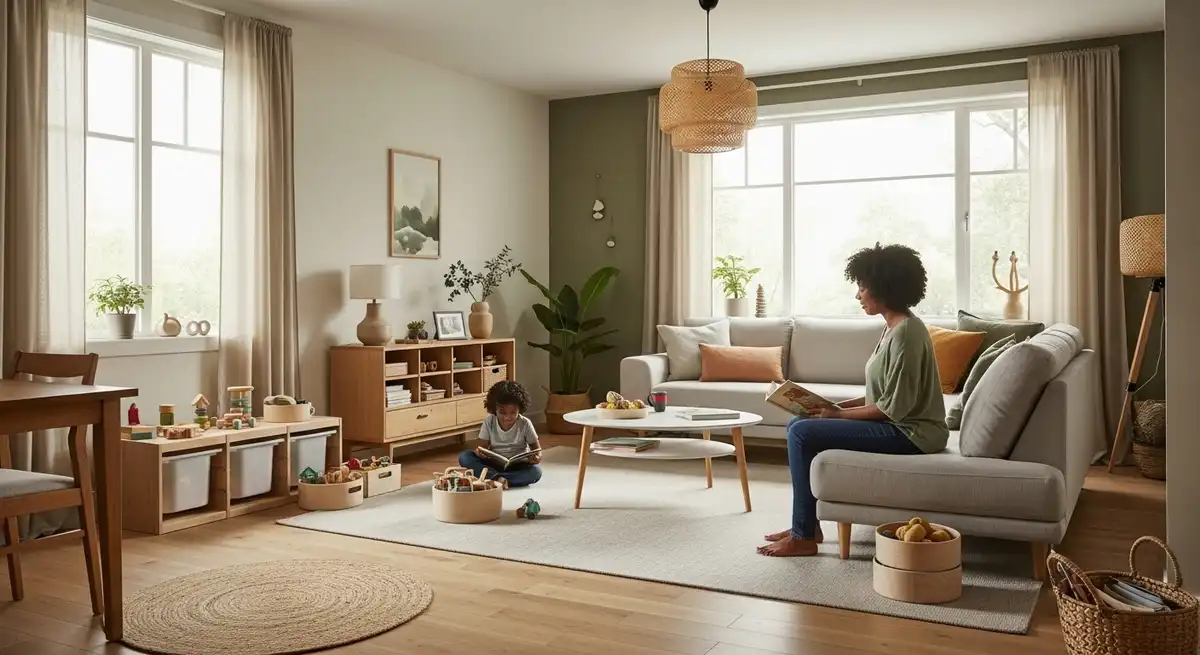
A supportive home reflects real routines instead of idealized images. For working parents, this may mean accessible storage and flexible spaces. Visualization aligns decluttering decisions with these everyday needs.
Returning to this mental picture during sorting provides consistency. When uncertainty arises, decisions are guided by whether an item supports that vision. This reduces emotional conflict and decision fatigue.
Tidying by Category Instead of by Room
Tidying by category means gathering similar items together before deciding what to keep. This reveals quantity and duplication that may not be obvious otherwise. Many organizers recommend this approach because it provides clear information.
Seeing everything at once often reduces attachment. Excess becomes visible without judgment, making practical evaluation easier. This supports objective decisions without pressure to discard everything.
Completing one category at a time also creates closure. This sense of completion is especially helpful during a weekend reset, making the process feel contained and achievable.
Managing Guilt Around Unwanted Gifts
Gifts often carry emotional weight because they represent care and connection. Keeping unwanted gifts may feel like protecting relationships, even when items go unused. However, appreciation does not require permanent ownership.
Letting go of a gift does not erase gratitude. Some people acknowledge the giver internally or through a message before releasing the item responsibly. This preserves emotional respect while reducing household burden.
From a lifestyle perspective, unused gifts can create ongoing stress. Passing items on to someone who can use them aligns generosity with practicality. This reframing often eases guilt.
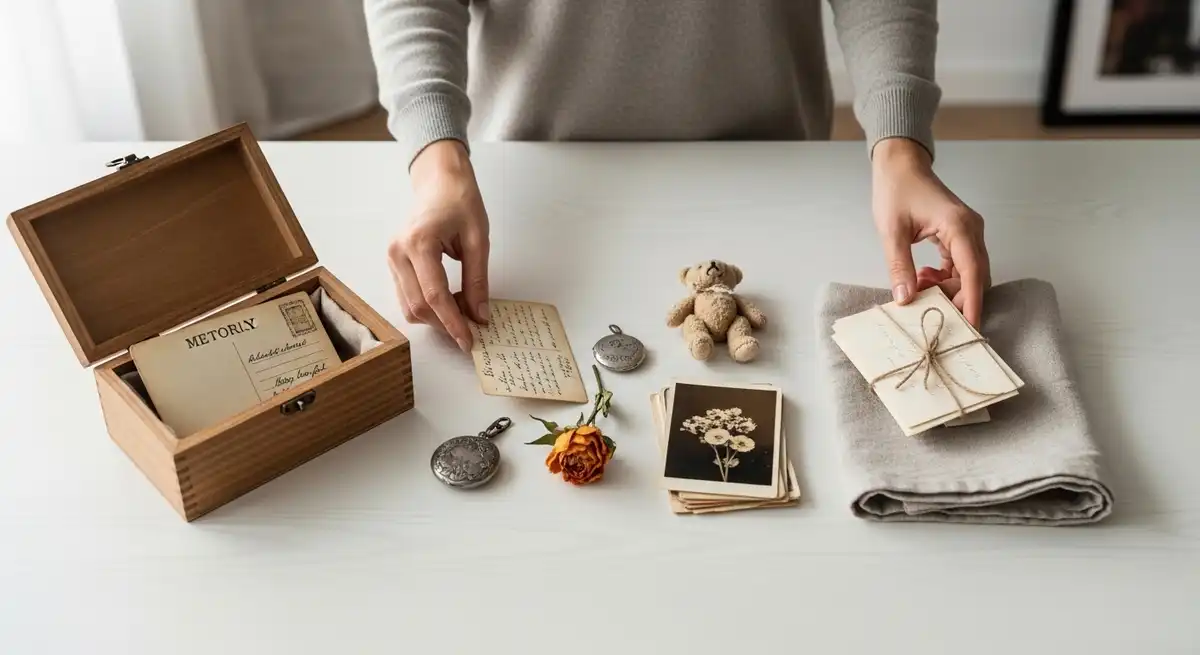
Inherited Items and Family Heirlooms
Inherited items frequently come with expectations about preservation. These objects may symbolize family history while not fitting current homes or routines. Research suggests selective keeping reduces emotional strain better than total retention.
Choosing a few representative pieces honors history without overwhelming space. Photos or written stories can preserve meaning without physical storage. This approach balances respect for the past with present needs.
Acknowledging emotional complexity before releasing inherited items supports thoughtful decisions. Taking time reduces regret while preventing long term accumulation.
Children’s Items and Sentimental Accumulation
Children’s belongings accumulate quickly because they mark growth stages. Clothing, toys, and school items often feel irreplaceable. This attachment is natural but can strain storage.
Limiting keepsakes to a defined container helps manage volume. Selecting meaningful items preserves memory without keeping everything. This method supports both emotional value and household function.
Reducing excess also makes shared spaces easier to manage. Over time, this approach models balanced relationships with possessions for children.
Managing Decluttering Fatigue During a Weekend Reset
Decluttering fatigue occurs when emotional and mental energy runs low. Repeated decisions reduce clarity and increase doubt. Planning for fatigue makes the process safer and more sustainable.
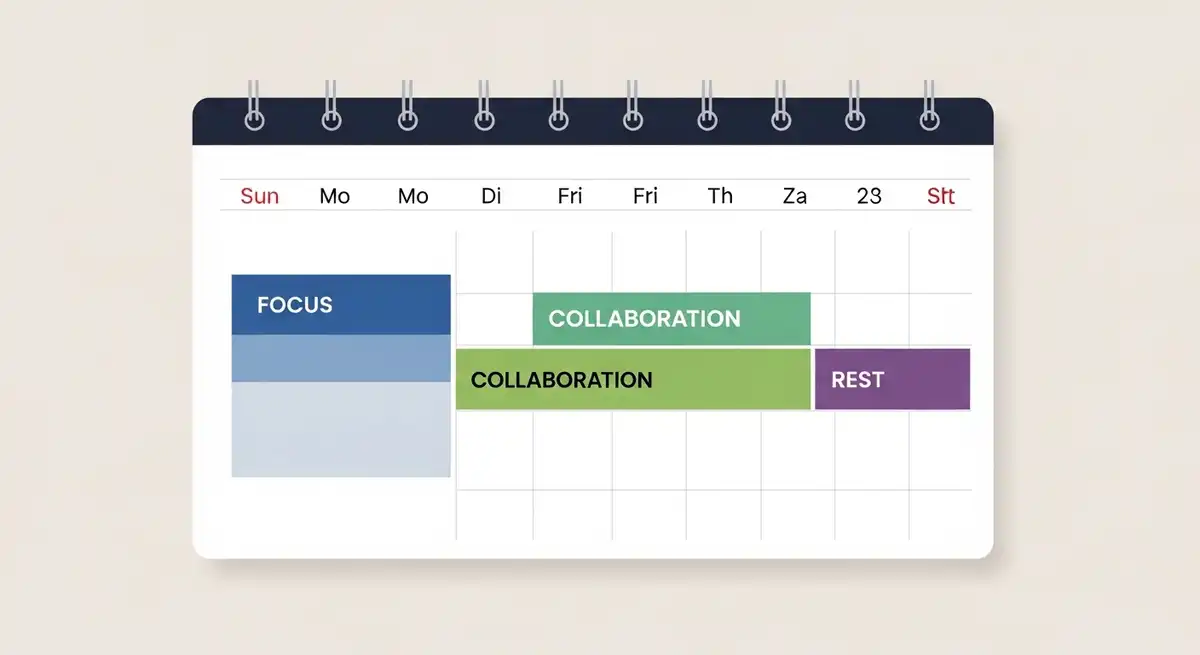
Timed work sessions with breaks allow recovery. Many people alternate sorting with rest or unrelated activities. This pacing supports steady progress without exhaustion.
Recognizing fatigue early prevents rushed decisions. Pausing protects emotional wellbeing. A calm pace often leads to better outcomes.
Responsible Donation as an Ethical Practice
Donation is sometimes used to relieve guilt, but it carries responsibility. Charities report high costs from unusable donations. Thoughtful donating supports community resources rather than burdening them.
A simple guideline is donating only clean, functional items. Asking whether you would give something directly to another person offers clarity. This aligns generosity with respect.
Knowing items will be used appropriately provides emotional closure. This confidence often makes letting go easier.
Maximizing the Usefulness of Donations
Preparation increases donation impact. Pairing shoes, bundling accessories, and labeling sets reduce volunteer workload. These small steps improve the chance items will be reused.
Visualizing someone benefiting from the item can ease release. This shifts focus from loss to usefulness. Many people find this perspective reduces guilt.
Ethical donation reframes decluttering as contribution. It supports sustainable living values without moral pressure.
Sustainable Disposal Beyond Donation
Not all items are suitable for donation. Textiles, electronics, and broken goods require proper disposal. Local recycling programs often provide appropriate options.
Repurposing items before disposal can extend usefulness. Old fabrics may become cleaning cloths or storage dividers. These practices are commonly recommended in sustainability guidance.
Choosing correct disposal methods reduces environmental impact. It also supports responsible decision making.
Storage as a Supportive System
Storage should make items visible and accessible. Overfilled storage usually signals excess rather than organization. Lifestyle planning emphasizes function over capacity.
Clear categorization and vertical storage reduce daily effort. When items have defined homes, maintenance becomes easier. This supports long term order.
Storage limits provide helpful feedback. When space fills, reassessment becomes necessary. This keeps clutter from quietly returning.
Preventing Reaccumulation Through Mindful Acquisition
Decluttering works best when paired with mindful acquisition. Pausing before purchases allows reflection on need and storage. Research shows delayed buying reduces impulse spending.
Considering where and how an item will be used supports realistic choices. This habit gradually reduces clutter reentry.
Mindful purchasing also reduces future guilt. Items chosen intentionally are easier to release later if needed.
Relevance for Working Parents and Caregivers
Working parents often juggle limited time and shared spaces. Clutter can complicate routines and transitions. Simplifying environments supports smoother daily flow.
Decluttering with family needs in mind focuses on accessibility. Frequently used items benefit from clear placement.
A calmer home supports collective wellbeing. While not a solution to stress, reduced visual noise can make daily life feel more manageable.
Emotional Responsibility Without Therapeutic Claims
Decluttering is not a treatment or intervention. It does not replace professional care. Many people simply find it supports order and control in daily routines.
Maintaining realistic expectations is important. Benefits are practical rather than transformative.
Approaching decluttering as neutral lifestyle care keeps it grounded and safe.

Expanded FAQ: Why People Experience Guilt When Decluttering
People experience guilt when decluttering because objects are often tied to values like effort, love, or responsibility. This emotional link makes release feel morally uncomfortable. Recognizing guilt as a signal of meaning rather than obligation often reduces its intensity and helps guide calmer decisions.
Expanded FAQ: Releasing Items That Were Expensive
Releasing expensive items becomes easier when past cost is separated from future value. Money already spent cannot be recovered through storage. Letting go prioritizes present comfort and clarity over previous purchasing decisions.
Expanded FAQ: Donating Gifts from Family Members
Donating gifts from family members is generally acceptable when items are unused. Appreciation does not require lifelong ownership. Responsible donation allows the item to serve a purpose elsewhere while respecting the relationship.
Expanded FAQ: Decluttering an Entire Home Over a Weekend
A weekend reset works best with planning and realistic limits. Focusing on categories and taking breaks supports completion. This structure reduces overwhelm and regret.
Expanded FAQ: Ethical Clothing Donation
Ethical clothing donation involves ensuring items are clean and wearable. Damaged clothing should be recycled. This approach supports charities and reduces waste.
Expanded FAQ: Children’s Toys and Emotional Attachment
Letting go of children’s toys does not erase memories. Choosing a few meaningful items preserves sentiment. Releasing excess supports household balance.
Expanded FAQ: Managing Overwhelm During Decluttering
Overwhelm often reflects decision fatigue. Pausing and returning later restores clarity. A slower pace supports emotional safety.
Expanded FAQ: Handling Inherited Items Respectfully
Inherited items can be honored selectively. Preserving stories rather than objects reduces burden. This balances respect and practicality.
Expanded FAQ: Preventing Clutter From Returning
Mindful purchasing and storage limits help prevent reaccumulation. Awareness builds over time. This supports long term balance.
Expanded FAQ: Decluttering Without Minimalism Pressure
Decluttering does not require minimalism. Each household defines its own balance. Comfort and function are valid goals.
Conclusion
Learning how to let go of stuff without guilt supports practical living rather than perfection. When belongings align with present needs, routines feel lighter and more manageable. A calm, intentional approach respects emotional attachment while allowing homes to evolve alongside changing life demands.
Medical Disclaimer
This content is for informational purposes only and does not constitute medical or mental health advice. It is not intended to diagnose, treat, cure, or prevent any condition. Always consult a qualified healthcare or mental health professional regarding personal health concerns.
For wider background on this, see the American Psychological Association on healthy relationships.