

Many adults now manage professional work alongside family care, household responsibilities, and personal needs without clear separation between roles. Mobile technology and flexible schedules have reshaped how time and attention move across the day. Work-life integration vs balance has become a grounded conversation about sustainability, boundaries, and realistic functioning rather than perfection or constant productivity.
Life integration balance: Understanding Work-Life Integration vs Balance
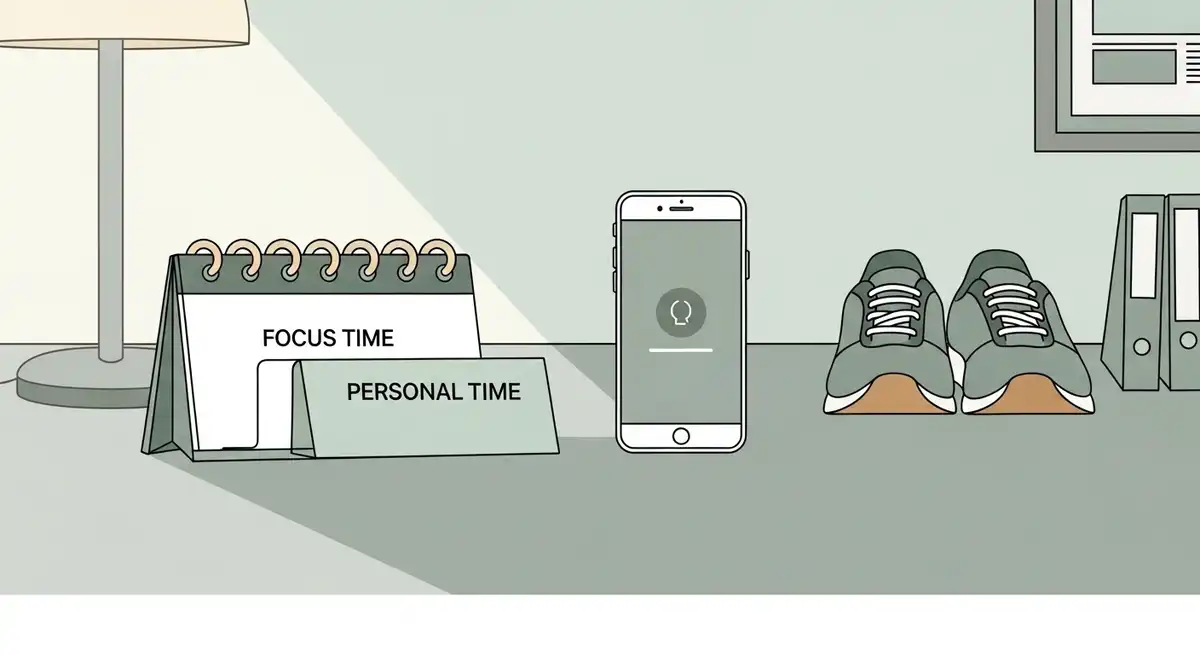
Work-life integration vs balance describes two common ways people organize work and personal responsibilities. Work-life balance treats work and life as separate areas that should be kept in proportion. Work-life integration views responsibilities as connected parts of one routine that must be coordinated thoughtfully.
In daily life, balance often depends on fixed schedules and predictable hours. Integration allows tasks to shift based on context, energy, and family needs. Many wellness educators note that neither approach works for everyone and that personal boundaries determine whether either model feels supportive.
This distinction matters because expectations influence stress and self judgement. When balance is framed as equal time, many people feel they are failing. Integration reframes success as adaptability, while still requiring limits that protect rest, focus, and emotional wellbeing.
The Traditional Work-Life Balance Model Explained
Work-life balance developed when work and home were physically separate and schedules were more predictable. The idea assumes wellbeing improves when work time and personal time are clearly divided. This structure can feel reassuring, especially for people with stable routines.
Many working adults find balance difficult when workloads change or caregiving demands arise. Missed expectations can create guilt instead of relief. Lifestyle guidance often notes that balance works best in environments with limited digital interruptions and consistent hours.
Balance can still be useful in certain roles. Clear start and end times protect rest and family connection. However, when flexibility is required, balance alone may not reflect how modern work and home life actually operate.
The Rise of Work-Life Integration
Work-life integration became more visible as remote work and digital tools became common. Integration allows professional and personal tasks to coexist within the same day. This approach focuses on coordination rather than strict separation.
In practice, integration might include attending a family responsibility during the day and completing work later. Many people find this flexibility helpful because it reduces commuting and increases control over time. Integration can support caregiving and daily life when used intentionally.
However, integration does not mean constant availability. Without limits, work can slowly expand into all hours. Editorial wellness standards emphasize that integration must include clear stopping points and recovery time to remain sustainable.
Boundary Theory and Everyday Life
Boundary theory explains how people move between roles such as employee, parent, or partner. Boundaries can be physical, time based, or mental. Their strength affects how much one role intrudes into another.
Some boundaries are flexible and allow overlap, while others remain firm. Many people use both depending on the situation. Challenges appear when boundaries become unintentionally open and leave little space for rest or focus.
Understanding boundaries helps people make deliberate choices instead of reacting to demands. Lifestyle education often highlights awareness as the first step toward healthier routines. Boundaries function as tools for protection, not as rigid barriers.
Flexibility and Control
Flexibility refers to adjusting schedules and responsibilities when needed. Control refers to having a say in how those adjustments happen. Research and workplace observation suggest flexibility without control often increases stress.
When individuals choose how to integrate tasks, flexibility can feel supportive. When integration is imposed through constant messages or unclear expectations, it becomes draining. Control allows people to protect energy and attention.
Healthy routines often combine flexibility with clear limits. Communicating availability with colleagues and family supports this balance. Integration works best when people decide when roles overlap and when they remain separate.
Role Blurring and Recovery
Role blurring happens when work identity blends into personal identity. This often develops through constant connectivity and multitasking. Over time, it can reduce presence and satisfaction in both areas of life.
Recovery refers to time when the mind is not focused on work related thinking. Recovery supports emotional steadiness and physical rest. Without it, even flexible schedules can feel exhausting.
Common recovery practices include short walks, device free time, or simple routines that signal a shift. These habits are not treatments but everyday practices many people find helpful. Recovery prevents integration from turning into overload.
Why Balance Often Feels Unattainable
Many people describe balance as something they pursue but rarely achieve. This feeling often comes from comparing daily life to ideal standards. Balance framed as equal time does not account for changing energy or responsibilities.
Modern work includes unpredictable demands. Parenting and caregiving also involve sudden changes. When balance cannot be maintained, people may blame themselves rather than adjust expectations.
Lifestyle education increasingly emphasizes adequacy over equality. Meeting core needs over time is often more realistic than daily symmetry. This perspective reduces pressure while still supporting wellbeing.
Digital Availability and Mental Load
Digital tools improve efficiency but also increase expectations of availability. Messages and notifications keep attention engaged throughout the day. Even brief interruptions can fragment focus.
Mental load refers to the effort of tracking tasks and responsibilities. Constant connectivity increases this load. Many people feel mentally occupied even during rest periods.
Managing digital boundaries is part of healthy integration. Scheduled communication times and notification limits are commonly used approaches. These practices support focus and rest without rejecting technology.
Burnout Awareness Without Diagnosis
Burnout is commonly described as long term exhaustion, detachment, and reduced effectiveness related to work stress. It is a workplace concept rather than a medical diagnosis. Awareness helps people notice when routines are unsustainable.
High demands combined with limited recovery increase burnout risk. Balance language alone often ignores structural factors such as workload design. Integration discussions tend to address these realities more directly.
Educational content emphasizes adjustment rather than endurance. Reducing overload, clarifying priorities, and seeking support are general strategies. Persistent distress should be discussed with a qualified professional.
The Always On Integration Risk
Integration can unintentionally normalize working at all hours. When boundaries are unclear, flexibility becomes obligation. This pattern reduces rest and strains relationships.
Always on expectations often develop gradually. Responding quickly can feel helpful at first, then difficult to stop. Over time, personal time disappears.
Healthy integration includes clear offline periods. These periods protect sleep and emotional balance. Editorial wellness guidance stresses that availability should remain a choice, not a default.
Gender Dynamics in Work-Life Management
Work-life integration affects genders differently due to social expectations. Many women manage paid work alongside a greater share of domestic tasks. Flexibility can help but may also increase invisible labor.
Men may experience pressure to remain constantly available at work. This can limit boundary setting or caregiving involvement. These patterns shape how integration is experienced.
Balanced integration benefits from shared responsibility and supportive workplace policies. Addressing gender dynamics improves fairness and reduces strain. Lifestyle discussions increasingly reflect these everyday realities.
Transition Rituals for Role Shifts
Transition rituals are simple actions that mark changes between roles. Examples include changing clothes, stepping outside, or closing a workspace. These cues help the mind shift focus.
Rituals support clarity and presence. They do not need to be complex or time consuming. Consistency matters more than duration.
Many people use rituals at the start and end of work periods. This practice supports recovery and role separation within integrated schedules. It is commonly recommended in lifestyle routines.
Saying No as Boundary Practice
Saying no is a boundary skill that protects time and energy. It involves declining tasks that exceed capacity or conflict with priorities. This practice supports sustainable routines.
Many people find refusal uncomfortable due to social expectations. Clear communication and respectful tone reduce tension. Over time, boundaries become easier to maintain.
Lifestyle educators often describe saying no as choosing alignment rather than rejection. Selecting commitments carefully allows deeper focus and rest. This supports integration without overload.
Task Batching Instead of Multitasking
Multitasking involves rapid attention switching between tasks. Research suggests this reduces efficiency and increases fatigue. Task batching groups similar tasks together.
Examples include checking messages at set times or grouping errands. This approach reduces mental switching. It supports focus and steadier energy.
Batching is widely used in productivity routines. It fits both integrated and balanced schedules. Combined with breaks, it supports sustained attention and wellbeing.
Institutional Support and Work Culture
Individual strategies work best within supportive systems. Organizational culture shapes expectations around availability and workload. Policies influence whether integration feels helpful or draining.
Results focused environments emphasize outcomes rather than hours. This model can support flexibility when expectations are clear. Without clarity, it can increase pressure.
Healthy cultures recognize rest as part of performance. Clear norms around communication and time off support wellbeing. Institutional support strengthens personal boundary efforts.
The Right to Disconnect Concept
The right to disconnect refers to limits on after hours work communication. It aims to protect rest and personal time. Some regions formalize this through policy.
Even without formal rules, teams can agree on expectations. Clear offline periods reduce anxiety and support recovery. Respecting disconnection helps long term engagement.
Lifestyle content presents this concept as a boundary aid. It clarifies limits without removing responsibility. Many people find it useful in managing integration.
Moving Toward Work-Life Harmony
Work-life harmony describes alignment rather than division. It blends balance and flexibility with personal values. Harmony shifts across life stages.
This approach accepts that priorities change. Caregiving, career growth, and health needs vary over time. Harmony focuses on adjustment instead of fixed solutions.
Wellness educators often describe harmony as an ongoing process. Regular reflection and small changes maintain alignment. Harmony emphasizes sustainability and realism.
Parenting and Working Life Integration
Parents often rely on integration to manage caregiving and work. Flexibility supports school schedules and family needs. Without boundaries, it can increase strain.
Shared caregiving responsibilities reduce pressure. Clear communication with employers supports realistic expectations. Integration works best when support is available.
Lifestyle guidance for parents emphasizes practicality and compassion. No routine fits every family. Adjustments based on capacity support wellbeing.
Mindfulness Principles in Daily Routines
Mindfulness refers to paying attention with awareness in everyday moments. In lifestyle contexts, it supports noticing stress signals and transitions. It is not a therapeutic intervention.
Simple practices include pausing between tasks or focusing on one activity. These habits support clarity and reduce reactivity. Many people find them helpful in busy schedules.
Mindfulness supports integration by improving awareness of boundaries. It helps people notice when rest is needed. These principles are often used in daily routines.
Emotional Wellbeing Framing
Emotional wellbeing involves recognizing and responding to feelings appropriately. Lifestyle content frames it as awareness rather than treatment. It supports resilience and balance.
Integration can increase emotional load if unmanaged. Noticing fatigue or irritability helps guide adjustments. Emotional awareness supports sustainable choices.
Educational content encourages professional support when distress continues. Lifestyle strategies complement but do not replace care. This distinction maintains safety and trust.

Expanded Frequently Asked Questions
Is work life integration better than work life balance
Work-life integration is not automatically better than balance. It suits people who need flexibility and can manage boundaries. Balance may work better in structured roles. Many people combine both approaches depending on circumstances and personal needs.
What is the main difference between work life balance and integration
The main difference is separation versus coordination. Balance focuses on dividing time between roles. Integration allows roles to overlap. Both require boundaries to protect rest and wellbeing. Effectiveness depends on control and context.
Can work life integration increase stress
Work-life integration can increase stress when boundaries are unclear. Constant availability and role overlap reduce recovery. With defined limits, integration can feel supportive. Awareness and adjustment help manage pressure.
How do boundaries support wellbeing
Boundaries protect time, energy, and attention. They reduce role conflict and mental load. Clear boundaries support rest and focus. They are commonly used in healthy routines.
Does remote work support integration
Remote work can support integration by reducing commuting and increasing autonomy. It can also blur boundaries. Clear schedules and communication improve outcomes. Management practices shape experiences.
What is role blurring
Role blurring occurs when work and personal identities overlap too much. It reduces presence and recovery. Awareness and rituals help manage it. It is common in flexible work settings.
How can parents manage integration safely
Parents manage integration by sharing responsibilities and setting limits. Flexible schedules help when supported by employers. Recovery time remains important. Adjustments change as family needs evolve.
Is multitasking harmful
Multitasking often reduces efficiency and increases fatigue. Task batching supports focus. Many people use batching in daily routines. It supports integration without overload.
What does harmony mean in work life context
Harmony refers to alignment across roles over time. It adapts to changing priorities. Harmony blends balance and flexibility. It focuses on sustainability.
When should professional support be considered
Professional support should be considered when distress continues or worsens. Lifestyle strategies are supportive but limited. Seeking help is appropriate when daily functioning is affected. This content does not replace professional care.
Conclusion
Work-life integration vs balance is best viewed as a practical framework rather than a strict choice. Sustainable routines combine flexibility, boundaries, and recovery based on real demands. Calm and realistic approaches support wellbeing over time. When systems and habits align, people can manage responsibilities without unnecessary strain.
Medical Disclaimer
This content is for informational purposes only and does not constitute medical or mental health advice. It is not intended to diagnose, treat, cure, or prevent any condition. Always consult a qualified healthcare or mental health professional for personal concerns.
For wider background on this, see Harvard Business Review on workplace stress.