
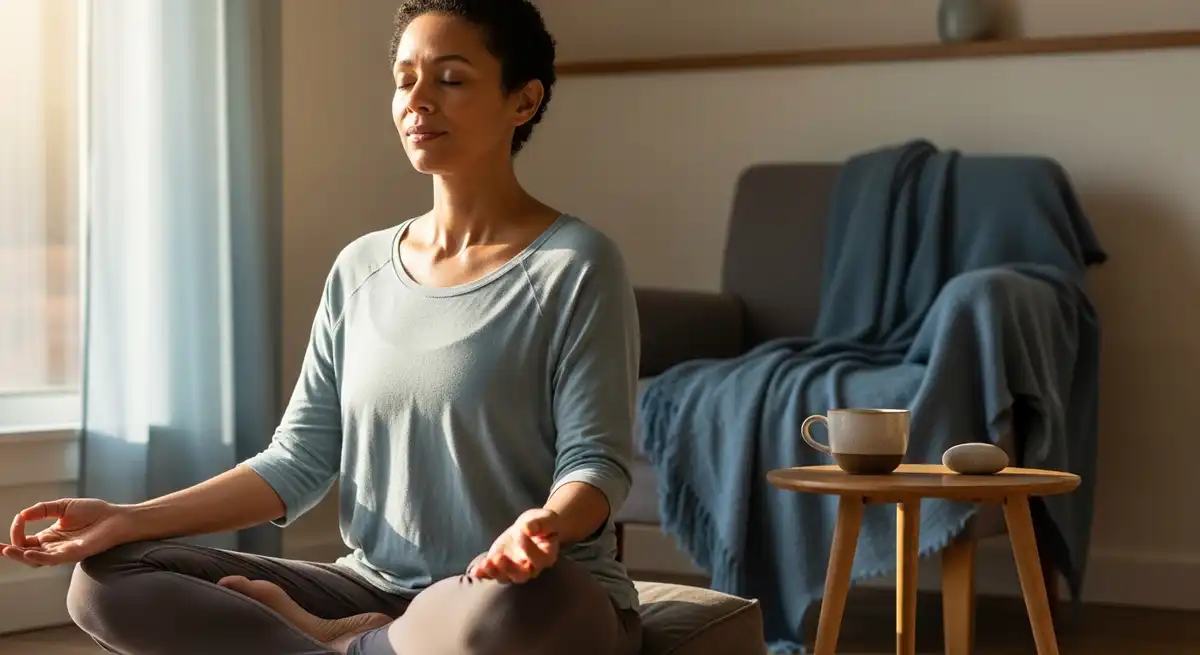
Meditation is often described in ways that feel abstract or intimidating, especially for beginners balancing work, family responsibilities, and daily pressures. In everyday life, meditation is less about controlling the mind and more about learning how attention works through simple, repeatable habits. When explained clearly and practiced gently, meditation can fit into modern routines without creating extra stress or unrealistic expectations.
Many people explore meditation because they want steadier focus, emotional balance, or a calmer response to everyday situations. Wellness educators commonly explain meditation as attention training rather than a solution to personal challenges. This perspective keeps practice grounded and makes it easier to approach meditation as a supportive lifestyle habit.
This guide explains ten simple meditation techniques for beginners in a clear, numbered order. Each technique is presented as an everyday practice that can be used safely and flexibly. The emphasis remains on understanding, consistency, and practical use rather than performance or outcomes.
10 Simple Meditation Techniques for Beginners: 1. Breath Awareness Meditation
Breath awareness meditation focuses on noticing natural breathing without trying to change its pace, depth, or rhythm. Many beginners find this approach accessible because breathing is always happening and does not require preparation or tools. In daily routines, this practice is often used to create short moments of calm awareness during otherwise busy schedules.
Attention usually rests on physical sensations such as air moving through the nostrils or the gentle rise and fall of the chest. Thoughts naturally appear, and noticing them without engagement is considered part of the practice. Over time, many people find this technique helps them recognize mental patterns without reacting automatically.
Breath awareness meditation is typically practiced for short periods, often three to ten minutes at a time. It is commonly used in the morning or evening as a way to settle attention rather than manage emotions. This gentle structure helps beginners build consistency without pressure.
2. Counting the Breath
Counting the breath adds a simple structure to basic breath awareness by pairing breathing cycles with numbers. This method is often helpful for beginners who notice frequent mental wandering or difficulty staying focused. In everyday life, counting provides a steady anchor that supports attention without requiring intense concentration.
The practice involves silently counting each inhale and exhale from one to ten, then starting again at one. Losing count is common and treated as a normal part of practice rather than a mistake. Many people use this technique during short breaks or before sleep because the rhythm feels mentally settling.
Counting the breath is usually a temporary support rather than a permanent practice. As attention becomes steadier, some people return to uncounted breath awareness. For beginners, it remains a practical way to reduce mental noise gently.
3. Body Scan Meditation
Body scan meditation involves directing attention slowly through different parts of the body, often from head to feet or in reverse. This technique helps beginners notice physical sensations that often go unnoticed during daily activities. Wellness educators describe it as a way to observe the body without trying to fix or change anything.
During a body scan, sensations such as warmth, tightness, pressure, or numbness are simply observed. There is no expectation to relax or release tension, which makes the practice approachable for many people. In everyday use, body scans are often part of evening routines or rest periods.
Body scan meditation is commonly practiced lying down or seated comfortably. Sessions are usually brief, lasting five to ten minutes for beginners. This method supports physical awareness without demanding physical effort.
4. Mindful Walking Meditation
Mindful walking meditation uses slow, deliberate movement as the focus of attention instead of stillness. This technique is especially useful for beginners who feel restless during seated meditation. In daily life, it allows meditation to be integrated into movement rather than added as a separate task.
The practice involves walking slowly while paying attention to foot contact, balance, and natural breathing. Attention stays with physical sensations rather than destinations or thoughts. Many people find this technique easier to maintain because it aligns with natural movement patterns.
Mindful walking meditation is often practiced in quiet outdoor areas or along a short indoor path. Sessions typically last five to ten minutes. This approach supports awareness in action and suits active lifestyles.
5. Mindful Eating Meditation
Mindful eating meditation brings attention to the sensory experience of eating rather than multitasking during meals. This practice connects mindfulness with an everyday activity, making it accessible for beginners. In daily routines, it encourages slower, more attentive engagement with food without changing dietary choices.
The practice involves noticing taste, texture, aroma, and chewing sensations while eating a small portion of food. Distractions such as screens are avoided to support awareness. Many people use this technique to better understand habitual eating patterns.
Mindful eating meditation is usually practiced occasionally rather than at every meal. Short, intentional moments of attention are considered enough for beginners. This approach supports presence without creating pressure around food.
6. Loving Kindness Meditation
Loving kindness meditation focuses on developing a gentle attitude of goodwill toward oneself and others. Wellness educators often describe it as a way to relate to emotions with warmth rather than judgment. For beginners, it provides a clear emotional focus instead of open awareness.
The practice typically begins with phrases directed toward oneself, followed by loved ones and then broader groups. The phrases are repeated quietly without forcing emotion or meaning. In everyday life, this technique is often used briefly to support emotional steadiness.
Loving kindness meditation is usually practiced for five to ten minutes. It is not intended to resolve relationship difficulties but to encourage a supportive internal tone. Beginners often find it helpful when practiced gently.
7. Gratitude Focused Meditation
Gratitude focused meditation involves paying attention to specific experiences or aspects of life that feel meaningful. This practice is framed as awareness rather than positivity training. In everyday routines, it is often used as a reflective exercise rather than a mood changing technique.
The practice involves noticing a few concrete moments of appreciation while staying aware of emotional and physical sensations. Attention remains grounded rather than abstract. Many people include this practice in evening routines to support calm reflection.
Gratitude meditation is usually practiced briefly and does not require daily repetition. It supports awareness of everyday experiences without dismissing challenges. For beginners, it offers a gentle entry into emotional awareness.
8. Sound Meditation
Sound meditation uses auditory awareness as the main focus of attention. This technique is useful for beginners who find internal focus uncomfortable or distracting. In daily life, it encourages listening without interpretation or reaction.
The practice involves noticing sounds such as ambient noise, distant traffic, or quiet spaces. Sounds are observed as they arise without labeling or storytelling. Many people find this approach grounding because attention shifts outward.
Sound meditation is commonly practiced for short periods in quiet environments. Sessions often last five minutes for beginners. This technique supports alert awareness without requiring physical stillness.
9. Mantra Meditation
Mantra meditation involves silently repeating a word or phrase to anchor attention. This technique offers rhythm and predictability, which many beginners find reassuring. In everyday contexts, it is often used to maintain focus during short meditation sessions.
The mantra is repeated gently without emphasis on meaning or analysis. Attention returns to repetition whenever thoughts drift. This approach supports concentration without encouraging overthinking.
Mantra meditation is typically practiced seated for five to ten minutes. Beginners often choose neutral or traditional phrases. This method supports steadiness through repetition.
10. Moving Meditation Through Gentle Movement
Moving meditation combines slow, mindful movement with awareness of breathing and bodily sensations. Practices such as gentle yoga or Tai Chi are often used. This approach suits beginners who prefer physical engagement over stillness.
Movements are performed slowly with attention on transitions rather than form or performance. The goal is awareness rather than physical achievement. In daily life, this technique supports coordination and presence.
Moving meditation sessions are usually brief and adaptable. Beginners focus on simple movements without strain. This method integrates mindfulness into physical activity safely.
Mindfulness Principles Explained Safely
Mindfulness is commonly defined as paying attention to present experiences with openness and neutrality. It does not require emptying the mind or suppressing thoughts. In daily life, mindfulness supports awareness rather than control.
Many people misunderstand mindfulness as relaxation or emotional management. Wellness educators emphasize that mindfulness involves noticing experiences as they are. This distinction keeps practice grounded and realistic.
Mindfulness practices are generally used as lifestyle supports rather than solutions. Consistency and simplicity matter more than intensity. This approach supports long term habit formation.
Meditation and Daily Responsibilities
For parents and working individuals, meditation must fit real schedules rather than ideal routines. Short practices linked to existing habits are commonly recommended. This reduces pressure and supports sustainability.
Meditation can be practiced during brief pauses such as before meals or after waking. It does not require isolation or extended time. Many people find consistency matters more than session length.
Using meditation as a supportive routine rather than a task helps maintain balance. It complements daily responsibilities instead of competing with them.
Frequently Asked Questions
How long should a beginner meditate each day
Beginners usually start with five to ten minutes of meditation each day. Wellness guidance suggests consistency matters more than duration when building awareness habits. Short daily practice supports routine formation without creating physical or mental strain.
Is it acceptable to meditate while lying down
Meditating while lying down is commonly used for body scan practices or when seated posture is uncomfortable. This position may increase sleepiness for some people, so awareness of alertness helps. Many beginners alternate positions based on comfort.

Why does the mind wander during meditation
Mind wandering is a normal mental process and not a sign of incorrect practice. Meditation involves noticing attention shifts and gently returning focus without judgment. This repetition strengthens awareness rather than eliminating thoughts.
Which meditation technique is easiest for beginners
Breath awareness and guided practices are commonly recommended for beginners. These techniques provide structure and clarity without requiring experience. Choosing an approachable method supports consistency.
Can meditation replace professional mental health care
Meditation is considered a supportive lifestyle practice rather than a replacement for professional care. It does not diagnose or treat mental health conditions. People seeking medical or psychological support should consult qualified professionals.
Is guided meditation useful for beginners
Guided meditation is helpful because it provides clear instructions and pacing. It reduces uncertainty during early practice stages. Many beginners use guided sessions before independent practice.
When is the best time to meditate
Meditation can be practiced at any time that fits daily routines. Morning and evening sessions are commonly chosen for consistency. The best time is one that can be maintained.
Do beginners need special equipment to meditate
Meditation does not require special equipment or spaces. A quiet environment and comfortable posture are enough. Chairs, cushions, or floor seating all work.
Can meditation improve focus in daily tasks
Meditation is often associated with improved attention awareness over time. Many people notice better recognition of distractions rather than elimination. This awareness supports everyday focus.
Is it normal to feel bored during meditation
Boredom is common during early meditation practice. Noticing boredom without reacting is part of awareness training. Familiarity with practice often reduces discomfort.
Conclusion
These ten simple meditation techniques for beginners offer practical ways to explore mindfulness safely and realistically. Each method can adapt to everyday life without special conditions or expectations. When practiced gently and consistently, meditation supports awareness as part of a balanced lifestyle rather than a performance goal.
Medical Disclaimer
This content is for informational purposes only and does not constitute medical advice. It does not diagnose, treat, cure, or prevent any condition. Consult a qualified healthcare provider before starting new wellness practices, especially if you have existing medical or mental health concerns.
For wider background on this, see the American Psychological Association on mindfulness.




















