
18 Affirmations for Bedtime Relaxation work best when they describe something you can act on, not something you wish were true. A quiet night often brings a busy mind, especially after long days filled with responsibilities, decisions, and emotional demands. Many people notice that when external noise fades, internal thoughts become louder and harder to ignore. Bedtime affirmations for relaxation offer a simple way to guide attention gently toward calmness and create a smoother transition into rest.
This practice does not try to control thoughts or force sleep. Instead, it creates a softer mental environment where the mind can settle naturally. Over time, repeating calming statements can become a familiar part of your nightly routine, helping your body and mind recognize that it is time to slow down.
Understanding Cognitive Arousal and Nighttime Overthinking
Cognitive arousal describes a state where the mind stays active even when the body feels tired. It often shows up as overthinking, planning, or replaying events from the day. This pattern is widely linked with difficulty falling asleep and feeling mentally restless at night.
Many working adults and parents experience this more often because their days are filled with constant tasks and responsibilities. When the day ends, the brain shifts into processing mode, which can create a loop of repetitive thoughts. Without a calming routine, this mental activity can delay sleep.
Simple practices like affirmations help redirect attention away from that loop. By giving the mind a steady phrase to focus on, they reduce the intensity of wandering thoughts. This gentle shift makes it easier to move toward a calmer, more restful state.
The Role of Affirmations in Bedtime Relaxation
Affirmations are short, intentional statements repeated to influence how you think and feel. In daily life, they are often used to build focus and reduce negative thinking patterns. At night, they act as a mental anchor that replaces scattered thoughts with something steady and calming.
The brain processes one stream of language at a time, so repeating a phrase can naturally reduce mental noise. This is often called attentional focus, where your mind becomes less distracted by unrelated worries. With regular use, this can support a more relaxed mental state before sleep.
Affirmations are not a solution for every sleep issue. They work best as part of a balanced routine that includes consistent sleep timing and a calm environment. Many people find that combining affirmations with breathing or journaling creates a more effective wind-down habit.
18 Affirmations for Bedtime Relaxation Explained
1. I release all heaviness from my mind and body
This affirmation focuses on letting go of tension collected throughout the day, both physical and emotional. It encourages awareness of tight areas in the body and gently invites them to relax. Many people use it as a signal that the day is complete and it is time to rest.
2. I inhale peace and exhale fear
This statement works well with slow breathing, creating a natural rhythm that calms the body. As you inhale, you imagine calm entering, and as you exhale, you release stress. This pattern supports relaxation and helps shift attention away from anxious thoughts.
3. I have done my best today, tomorrow is another day
This affirmation supports acceptance of effort instead of focusing on what remains unfinished. It helps reduce the habit of replaying tasks or mistakes in your mind. By acknowledging completion, it creates a sense of closure that supports rest.
4. I let go of what I cannot control
This statement encourages releasing thoughts about uncertain outcomes or past events. It supports focusing on the present moment rather than worrying about things outside your control. Many people find it helpful for reducing repetitive thinking at night.
5. My mind is calm, my body is relaxed, and I am at peace
This affirmation describes the state you want to experience, which helps your mind move in that direction. Repeating it regularly creates familiarity with calmness. Over time, it becomes easier to settle into this relaxed state at bedtime.
6. Urgency is a feeling, not a fact
This statement helps separate emotional pressure from actual need for action. It reminds your mind that not everything requires immediate attention. This shift reduces the sense of urgency that often keeps thoughts active at night.
7. Sleep restores my body, mind, and spirit
This affirmation builds trust in the natural process of rest and recovery. It creates a positive association with sleep instead of viewing it as something to achieve. This perspective can reduce pressure around falling asleep.
8. Rest is rest, even if I am awake
This statement removes the pressure to fall asleep quickly. It helps you accept that lying calmly still allows your body to relax. This reduces frustration, which can otherwise make sleep more difficult.

9. I am thankful for this warm bed
This affirmation introduces gratitude into your routine, shifting focus from stress to comfort. Gratitude is often linked with a calmer emotional state. It helps create a sense of safety and ease before sleep.
10. Nothing needs solving right now
This statement gives your mind permission to pause problem-solving. It helps break the habit of thinking through tasks late at night. By setting this boundary, it supports a quieter mental state.
11. My body feels light and relaxed
This affirmation encourages awareness of physical sensations and supports relaxation. Imagining lightness can reduce tension in the body. This approach is commonly used in relaxation techniques.
12. My body will heal while I sleep
This statement reinforces trust in the body’s natural ability to recover during rest. It helps reduce worry about productivity or performance. Many people find it comforting before sleep.
13. I am allowed to relax at the end of the day
This affirmation addresses feelings of guilt around taking rest. It supports the idea that relaxation is necessary, not something to earn. This can be especially helpful for busy individuals managing multiple responsibilities.
14. My strength is greater than any struggle
This statement focuses on resilience and emotional balance. It helps shift attention away from immediate stress. This broader perspective can reduce the intensity of nighttime worries.
15. I can relax and let go of tension
This affirmation reinforces your ability to release stress gradually. It supports both mental and physical relaxation. Repeating it helps build confidence in your ability to unwind.
16. I am grounded in peaceful awareness
This statement connects to mindfulness by focusing on the present moment. It helps reduce distractions and mental noise. This steady awareness supports a calm transition into sleep.
17. My body knows how to rest naturally
This affirmation builds trust in your natural sleep process. It reduces the need to force sleep or control the experience. This mindset supports a more relaxed approach to bedtime.
18. With each breath out, I relax more deeply
This statement links relaxation with breathing, encouraging a slower rhythm. Each exhale becomes a cue for letting go of tension. Over time, this creates a strong association between breathing and calmness.
Integrating Mindfulness and Autogenic Relaxation
Mindfulness involves paying attention to the present moment without judgment, which can be especially useful at bedtime. Instead of trying to stop thoughts, it encourages observing them calmly. Affirmations fit well into this approach by providing a steady point of focus.
Autogenic relaxation uses repeated phrases to create sensations of warmth and heaviness in the body. This method supports physical relaxation and can reduce tension. When combined with affirmations, it helps align both mental and physical calmness.
Using both approaches together often creates a more balanced routine. The mind becomes quieter while the body relaxes at the same time. This combination supports a smoother transition into sleep.
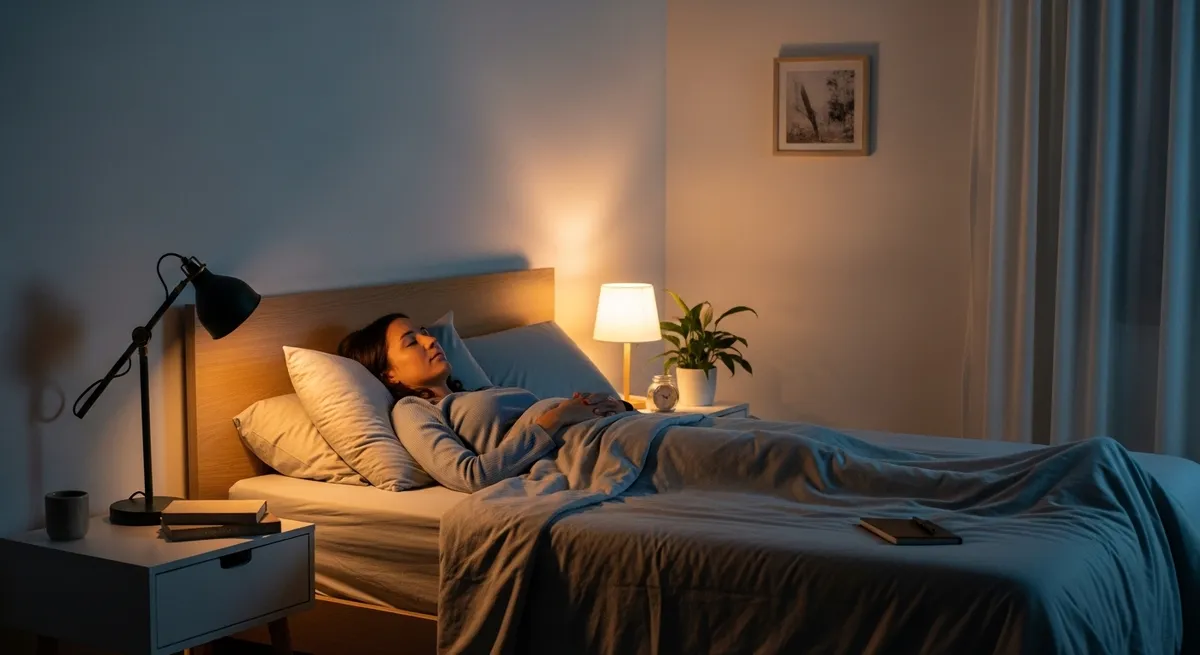
Bedtime Practices for Working Adults and Parents
Busy routines often make it difficult to create time for relaxation at night. Even a short practice of repeating affirmations for a few minutes can create a meaningful pause. This helps separate daily responsibilities from rest.
Parents may also include affirmations in family bedtime routines. Simple and calming phrases can create a peaceful environment for children. This shared practice supports a sense of stability and comfort.
Consistency matters more than duration. Repeating the same affirmations each night builds familiarity and ease. Over time, this routine becomes a natural part of winding down.
Frequently Asked Questions
Do bedtime affirmations actually work for sleep
Bedtime affirmations are commonly used to support relaxation by reducing repetitive thinking and creating a calming focus. They do not guarantee sleep, but they help shift attention away from stress. Many people find them helpful when used regularly as part of a consistent nighttime routine.
How can I stop my mind from racing at night
A racing mind at night is often linked to unresolved thoughts or stress from the day. Techniques like affirmations, slow breathing, and writing down tasks can help reduce this activity. These methods create a structured way to calm the mind before sleep.
What is the most effective affirmation for bedtime relaxation
The most effective affirmation is one that feels simple and believable for you. Statements focused on letting go and calmness are often easier to repeat consistently. Personal relevance plays an important role in how helpful the affirmation feels.
Can affirmations replace other sleep practices
Affirmations are usually part of a broader bedtime routine rather than a replacement. Good sleep habits like consistent timing and reducing distractions also matter. Using affirmations alongside these practices can support better overall sleep patterns.
Is it better to repeat affirmations silently or aloud
Both silent and spoken affirmations can be useful depending on preference. Silent repetition is often more comfortable at bedtime, while speaking aloud may feel more engaging during the day. Consistency matters more than the method used.
How long does it take for affirmations to show results
Some people notice a calming effect immediately, while others experience gradual changes over time. Consistent practice is key for building familiarity with the routine. Results can vary based on individual habits and lifestyle factors.
What if affirmations do not feel natural
If affirmations feel uncomfortable, adjusting the wording to match your own thoughts can help. Simple and realistic phrases are often easier to accept. This makes it more likely that you will continue using them regularly.
Can affirmations help with nighttime stress
Affirmations are often used to reduce the intensity of stress by providing a steady mental focus. They help shift attention away from repetitive worries. This can create a calmer state before sleep.
Are affirmations suitable for children
Affirmations can be adapted for children using simple and reassuring language. They are often included in bedtime routines to create comfort and stability. Keeping phrases short and consistent improves their effectiveness.
What should I do if sleep problems continue
If sleep difficulties continue, reviewing daily habits and seeking guidance from a qualified professional may be helpful. Affirmations can still be used as a supportive practice. Professional support provides a more complete understanding of ongoing sleep concerns.
Conclusion
Bedtime affirmations for relaxation offer a simple and supportive way to calm the mind at night. They help shift attention away from overthinking and toward a steady, peaceful state. With regular use, they can become a natural part of a balanced routine that supports better rest over time.
Medical Disclaimer
This content is for informational purposes only and does not constitute medical advice. Consult a qualified healthcare provider before starting any new health practice, especially if you have ongoing sleep concerns, mental health conditions, or other medical issues requiring professional care.
Image Generation Prompts
For wider background on this, see the Greater Good Science Center at UC Berkeley.