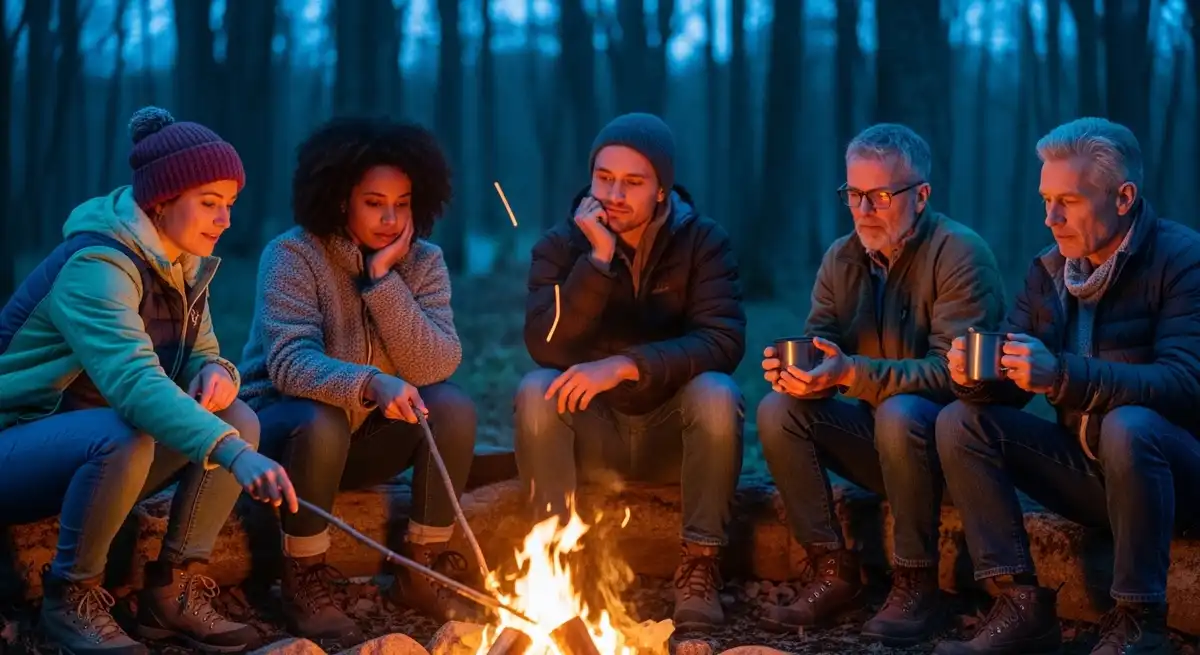
Modern daily life places steady pressure on attention, sleep, and emotional balance through constant screens, artificial lighting, and tight schedules. Many people notice ongoing tiredness, restlessness, or mental strain without a clear explanation. How camping resets your body and mind can be understood as a return to simpler environmental conditions that support basic human rhythms and everyday wellbeing.
Camping reduces background stimulation that keeps the nervous system alert for long hours. Natural light, quieter surroundings, and fewer digital interruptions allow the body to respond to cues it has relied on throughout human history. Wellness educators often describe camping as a supportive lifestyle adjustment rather than a solution or escape.
Spending time outdoors for multiple days creates space to observe natural patterns of rest, hunger, and focus. Meals, movement, and sleep often follow daylight rather than alarms or notifications. Many people describe this shift as settling and grounding, with changes that feel gentle, realistic, and sustainable.
How Camping Resets Your Body and Mind: Understanding How Camping Resets Your Body and Mind
How camping resets your body and mind starts with lowering exposure to artificial inputs that disrupt natural timing systems. Bright lights at night, constant noise, and digital alerts can keep the body in a state of alertness long after activity ends. Camping reduces these inputs, allowing internal systems to recalibrate without conscious effort.
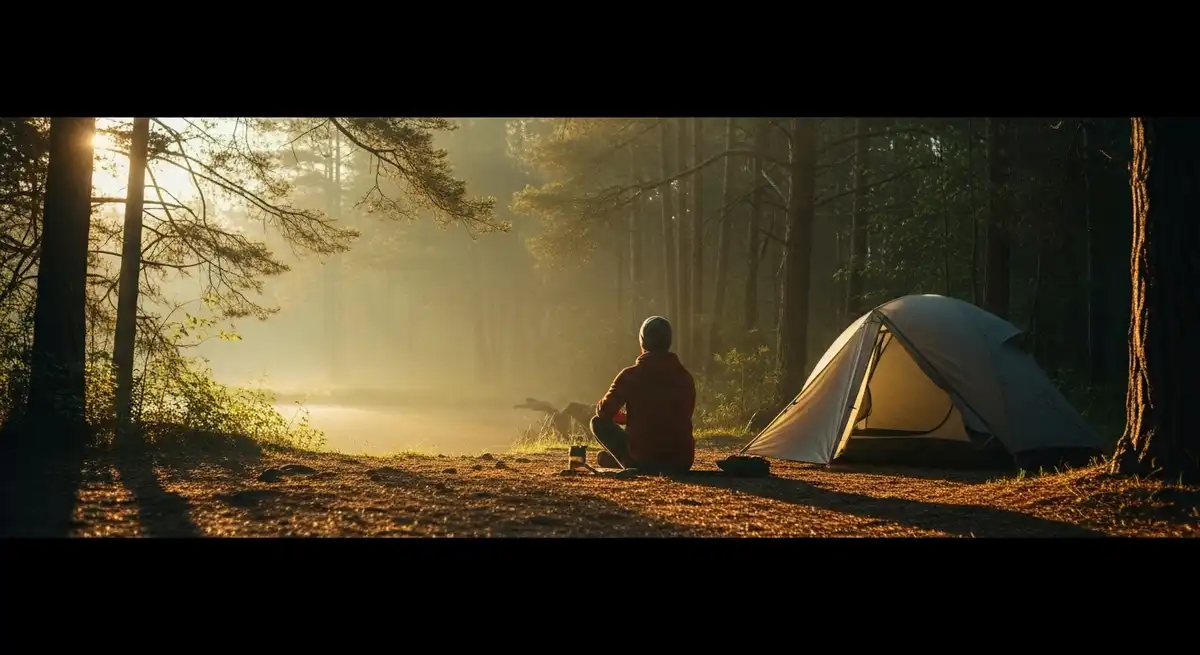
Daily rhythms during camping tend to follow sunrise and sunset more closely. Morning light supports alertness and coordination, while evening darkness signals rest and recovery. Lifestyle guidance often highlights that this alignment supports steadier sleep patterns and more consistent energy across the day.
This adjustment is gradual rather than dramatic. Most people notice changes over several days as their bodies respond to predictable light, movement, and rest. The experience is commonly described as calming rather than energizing, offering relief without intensity or pressure.
Circadian Rhythm Alignment Through Outdoor Living
Circadian rhythms guide sleep timing, digestion, hormone release, and body temperature. Artificial lighting after sunset can confuse these rhythms by signaling daytime when the body expects darkness. Camping limits evening light exposure, helping internal clocks align with the natural day night cycle.
Outdoor daylight is far brighter than indoor lighting, even on cloudy days. This strong contrast between day and night reinforces circadian signals. Many people notice earlier sleep onset and fewer nighttime awakenings without trying to change habits.
Morning awakenings during camping often feel smoother. Rising with daylight rather than alarms allows the body to transition gradually into activity. Over time, this pattern may reduce the sense of chronic sleep debt common in structured work routines.
The Role of the Biological Night
The biological night refers to the internal period when the body focuses on repair, hormonal balance, and immune activity. Artificial lighting can shorten this window by delaying melatonin release. Camping environments allow darkness to arrive fully, supporting a longer and more stable biological night.
During camping, melatonin often rises earlier in the evening and remains elevated until after sunrise. This pattern supports sleep quality and metabolic balance. Darkness itself acts as an active signal, not simply the absence of light.
Allowing this process to occur naturally often reduces reliance on strict bedtime routines. Many people report feeling rested without oversleeping. The experience highlights how environmental conditions shape rest more than effort or discipline.
Weekend Camping and Partial Reset Effects
Long camping trips are not always practical, yet shorter experiences still offer benefits. Research suggests that even weekend camping can shift internal timing closer to natural rhythms. This partial reset may ease the contrast between workdays and days off.
Social schedules often push bedtimes later during the week, creating misalignment sometimes called social jetlag. Camping over a weekend can help advance sleep timing. Many people notice improved alertness when returning to work.
Repeating short trips across the year helps reinforce these effects. Consistency matters more than duration. Even occasional weekends outdoors can support rhythm awareness and recovery.
Attention Restoration Through Natural Environments
Modern environments demand constant focus and self control. Over time, this leads to mental fatigue and reduced patience. How camping resets your body and mind includes giving attention systems time to rest without disengaging from surroundings.
Natural settings offer patterns that are easy for the brain to process. Trees, water, and open spaces hold attention gently. This type of engagement is often described as restorative rather than stimulating.
After camping, many people notice improved concentration. Tasks feel easier to manage and distractions less overwhelming. These changes reflect recovery rather than increased motivation.
Soft Fascination and Mental Ease
Soft fascination refers to sensory experiences that draw attention without effort. Examples include watching clouds, listening to wind, or observing firelight. Camping naturally provides these experiences throughout the day.
This form of attention allows reflective thinking without spiraling into repetitive thoughts. The mind stays engaged but relaxed. Wellness educators often describe this state as supportive of emotional balance.
Spending unstructured time in these conditions encourages a slower pace of thought. While unfamiliar at first, it often becomes comforting. Many people later notice improved focus in daily life.
Executive Function and Everyday Decision Making
Executive functions involve planning, emotional regulation, and impulse control. These abilities are heavily taxed by multitasking and constant alerts. Camping reduces the number of daily decisions, allowing these systems to rest.
Meals, movement, and rest follow simple patterns. With fewer choices to manage, mental resources are conserved. This often leads to clearer priorities and steadier emotional responses.
After camping, people frequently feel more capable of handling responsibilities. This effect reflects restoration rather than skill building. Existing abilities simply have space to recover.
Quiet Environments and Thought Patterns
Urban environments reinforce repetitive thinking through noise, comparison, and constant evaluation. Camping reduces these triggers by simplifying sensory input. Natural sounds replace mechanical noise.
Neuroscience research links nature exposure with reduced activity in brain regions associated with negative self focused thinking. Camping does not remove challenges but may soften their emotional intensity.
This shift supports emotional regulation without forcing positive thinking. Thoughts still arise but feel less urgent. Many people describe a sense of mental space.
Rumination and Environmental Context
Rumination often thrives in environments filled with comparison and vigilance. Advertising, social media, and crowded spaces reinforce self monitoring. Camping removes many of these cues.
Without constant performance signals, the mind often settles. Concerns may appear but pass more easily. This change is commonly experienced as relief rather than resolution.
Wellness professionals frame this effect as supportive. It does not replace mental health care. It provides a calmer context that many people find helpful.
Digital Exposure and Attention Fragmentation
Digital devices interrupt attention and elevate stress through frequent alerts. Camping often creates physical distance from constant connectivity. This separation supports attention recovery without strict rules.
Reduced screen exposure has been linked to better sustained focus and memory. Camping combines this reduction with movement and daylight. Together, these factors support cognitive steadiness.
Many people notice less urge to check devices after returning home. This awareness can inform healthier digital boundaries in daily routines.

Full Versus Partial Digital Breaks
Partial digital breaks still expose the brain to alert cues. Notifications maintain readiness even when ignored. Camping supports fuller breaks by limiting access entirely.
This does not suggest technology is harmful. It shows how uninterrupted time supports recovery. Some people recreate this effect by setting device free periods at home.
Predictability plays a key role. Knowing messages will not arrive allows the nervous system to relax. This supports deeper rest and sustained attention.
Stress Awareness and Physiological Balance
Stress responses evolved to manage short term challenges. Constant activation without recovery leads to fatigue. Camping supports recovery by reducing triggers and increasing restorative inputs.
Natural settings are associated with slower breathing and steadier heart rate. These changes reflect a shift toward calmer nervous system activity. This balance supports digestion, immunity, and emotional regulation.
The effect builds gradually. Spending entire days in these conditions allows the body to settle. Many people feel calmer without feeling dull or sedated.
Cortisol and Daily Stress Patterns
Cortisol supports alertness during the day. Chronic elevation can contribute to fatigue and irritability. Nature exposure is commonly associated with lower cortisol levels.
Camping extends nature exposure beyond brief breaks. This sustained contact allows stress hormones to follow a more natural daily rhythm. Lower evening cortisol supports rest.
Wellness educators emphasize that this effect supports balance. It does not remove stressors. It improves the body’s ability to respond without overload.
Serotonin and Mood Stability
Sunlight and movement influence serotonin, a chemical involved in mood and sleep. Camping increases both through outdoor activity. These factors work together.
People often report steadier mood during camping. Emotional responses feel more proportional. This stability reflects environmental consistency rather than emotional control.
This effect supports everyday wellbeing. It does not replace care for mood conditions. It highlights the role of surroundings in emotional experience.
Seasonal Considerations and Winter Camping
Winter camping often provides more daylight exposure than indoor routines. Even short winter days outdoors are brighter than artificial environments. This contrast supports circadian signaling.
Cold temperatures encourage earlier rest and simpler routines. When approached safely, these conditions can feel grounding. Preparation remains essential.
Seasonal exposure supports adaptability. Experiencing different light patterns helps maintain rhythm flexibility. Many people find seasonal camping deeply regulating.
Green Exercise and Physical Movement
Camping involves movement woven into daily tasks such as walking, cooking, and carrying supplies. This differs from structured workouts. Movement feels purposeful.
Green exercise is commonly linked to improved mood and reduced tension. Natural settings shift focus away from performance. This supports sustainable activity.
People often feel energized without exhaustion. Varied movement supports joint health and coordination. The body moves as needed.
Immune Awareness and Forest Environments
Forest environments release natural compounds from trees and plants. Observational studies associate exposure with immune activity markers. Camping increases contact with these environments.
This association is framed as supportive rather than protective. It reflects how stress reduction and movement influence immunity.
Wellness guidance emphasizes that immune health depends on many factors. Camping contributes through lifestyle context rather than acting as a remedy.
Social Connection and Shared Experience
Camping often includes shared tasks and cooperation. These experiences support connection without formal roles. Communication becomes practical and present focused.
Shared outdoor experiences are associated with trust and mutual reliance. These dynamics support emotional safety. Many people feel closer without intense conversation.
This effect supports group and family cohesion. Shared simplicity often reduces conflict and distraction.
Parenting and Family Balance Outdoors
Parents often manage multitasking and time pressure. Camping simplifies expectations. Children engage with surroundings rather than constant entertainment.
Outdoor settings encourage imaginative play and physical exploration. Parents often observe calmer behavior and better sleep. These changes reflect environmental support.
Family camping supports shared rhythms. Meals, rest, and activity align naturally. This consistency can extend beyond the trip.
Working Life Reset and Mental Clarity
Work routines often blur boundaries and increase cognitive load. Camping creates clear separation from work cues. Professional roles fade temporarily.
This separation supports mental recovery. Returning to work often feels clearer and more focused. Tasks seem manageable.
Wellness professionals emphasize periodic disengagement. Camping offers a structured way to step back. Benefits arise through simplicity.
Practical Integration After Camping
Maintaining benefits involves recreating environmental cues at home. Morning light supports alertness. Dimmer evenings support rest.
Reducing noise and screens at night extends the effect. Indoor plants and window views support calm. Changes can be small.
Health conditions require thoughtful adaptation. Gradual adjustments support safety. Lifestyle habits complement, not replace, professional care.
Frequently Asked Questions
How long camping typically influences sleep patterns
Camping often influences sleep within one to three nights as the body responds to natural light cues. Common changes include earlier sleep and steadier wake times. These effects vary by person and usually fade without continued exposure.
Why people often feel calmer while camping
People often feel calmer while camping due to reduced sensory overload and simpler routines. Natural settings support slower breathing and steadier attention. This calm is usually described as supportive rather than intense.
How camping affects focus after returning home
Camping can support improved focus by allowing attention systems to rest. Reduced multitasking and digital exposure play a role. Benefits tend to fade gradually without lifestyle changes.
Whether camping replaces stress management practices
Camping does not replace stress management practices. It is often used as a supportive lifestyle experience alongside other routines. Many people adapt lessons from camping into daily life.
How digital breaks during camping support attention
Digital breaks during camping support attention by reducing interruptions. The absence of alerts allows sustained focus. This shows how environment shapes attention.
Whether winter camping supports wellbeing
Winter camping may support wellbeing through brighter daylight exposure and simpler routines. Cold conditions require preparation. Experiences vary.
How families benefit from camping together
Families often benefit through shared routines and fewer distractions. Outdoor play encourages cooperation. These experiences support connection.
How often camping is generally recommended
Camping frequency depends on access and preference. Even occasional trips are associated with perceived benefits. Consistency supports longer lasting effects.
Who should approach camping carefully
People with chronic conditions, mobility limits, or sleep disorders should approach camping carefully. Gradual exposure and professional guidance support safety.
How to maintain calm after camping
Maintaining calm involves preserving habits like morning light and reduced evening screens. Simple changes support continuity. Consistency matters.
Conclusion
How camping resets your body and mind reflects the strong link between environment and wellbeing. Natural light, movement, quiet, and simplicity support rhythms that modern routines disrupt. Camping offers a practical reminder that balance grows from alignment with basic human needs rather than pressure or control.
Medical Disclaimer
This content is for informational purposes only and does not constitute medical advice. It is not intended to diagnose, treat, cure, or prevent any condition. Always consult a qualified healthcare provider before making changes to health routines, especially with existing medical conditions.
For wider background on this, see the American Optometric Association on screen-related eye strain.