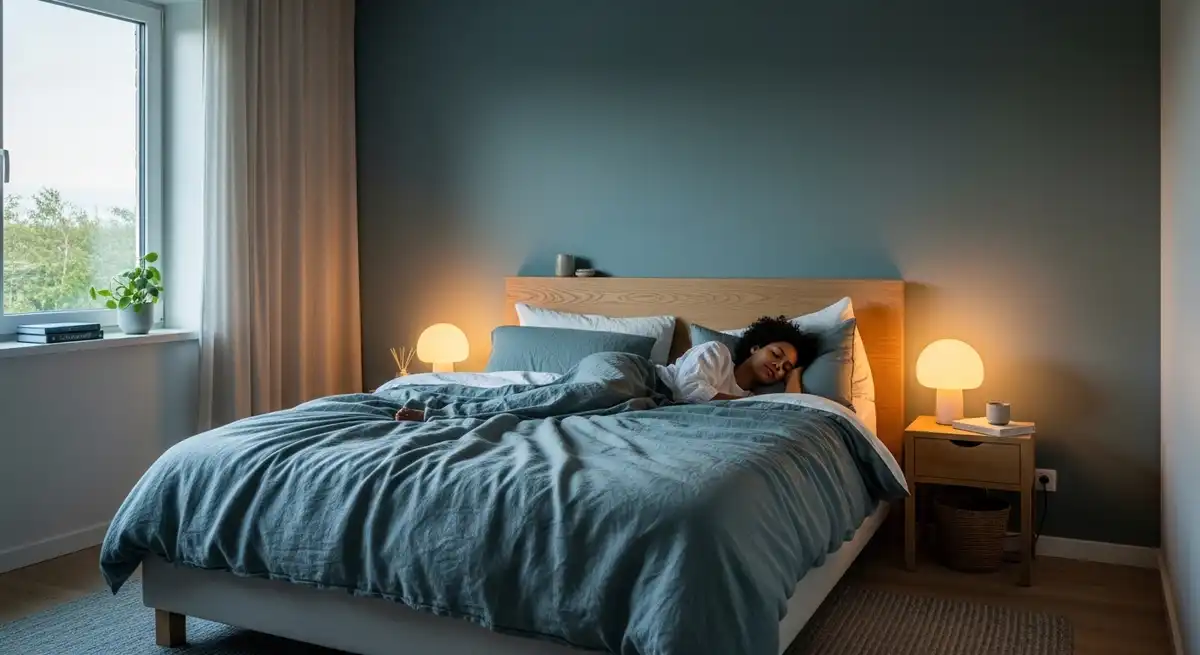
Sleep often feels like a personal habit problem, yet the physical space where rest happens quietly shapes how the body and mind respond each night. Many people focus on routines while overlooking how light, sound, temperature, and visual order influence comfort and ease. Bedroom design works in the background, supporting rest without effort, reminders, or constant self control.
Daily life places steady demands on attention and energy, especially for working adults, parents, and caregivers balancing multiple roles. A bedroom that feels calm and predictable can soften the transition from activity to rest after long days. Over time, these environmental cues often make it easier to settle down without forcing relaxation.
This guide looks at bedroom design as a lifestyle support rather than a solution that promises outcomes. Each section explains common design principles, why they matter in everyday living, and how people typically apply them at home. The aim is clarity, realism, and practical understanding rather than idealized sleep expectations.
What are the best bedroom design hacks for restful sleep?
The best bedroom design hacks for restful sleep focus on arranging space, light, temperature, air quality, and materials in ways that align with natural sleep rhythms. These changes reduce unnecessary stimulation, support consistent routines, and encourage smoother transitions into rest. Most people begin by adjusting bed placement, evening lighting, room temperature, and clutter levels to create a quieter sleep environment.
The Best Bedroom Design Hacks for Restful Sleep and Recovery
Feng Shui bed placement and commanding position
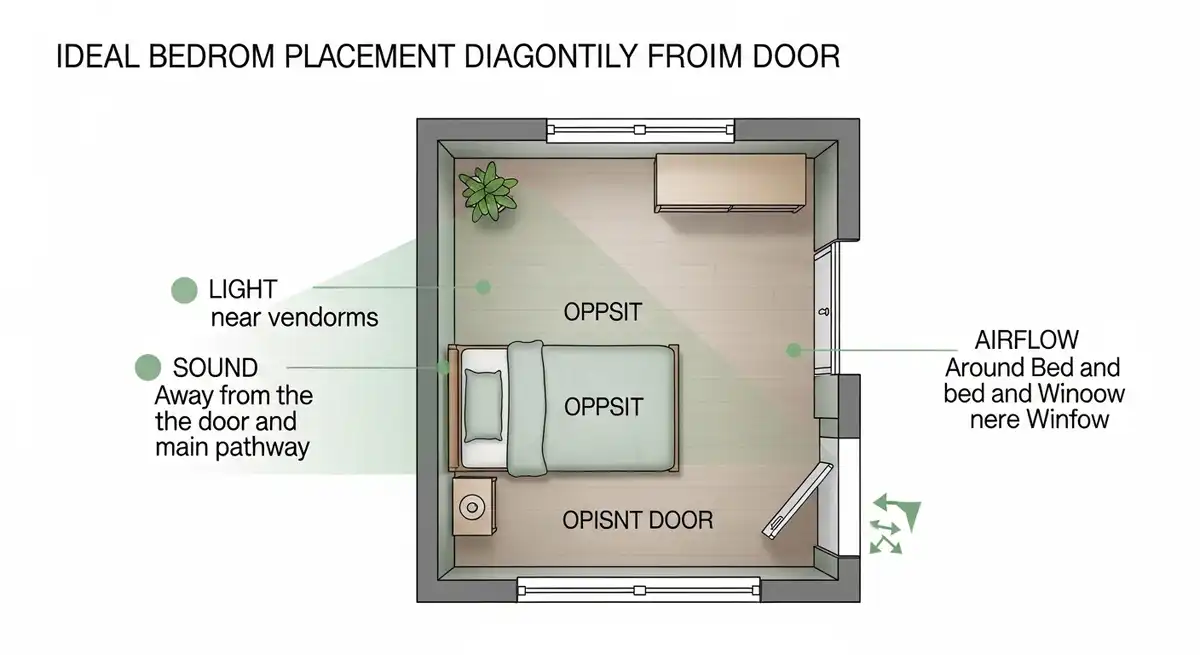
Feng Shui bed placement is often described as positioning the bed so the door is visible without being directly aligned. This arrangement is commonly associated with a sense of safety and predictability during rest. Environmental psychology suggests that feeling secure in a space can lower background alertness, which many people find helpful when trying to fall asleep.
From a practical perspective, bed placement also affects noise and movement exposure. Beds aligned directly with doors or hallways may pick up more light and sound interruptions. Shifting the bed slightly toward a quieter wall often reduces these disturbances and creates a more settled sleeping area.
A solid headboard placed against a wall provides physical and visual support. Many people describe feeling more grounded when the bed feels anchored rather than floating in open space. This sense of stability can be especially helpful in busy homes or shared living environments.
Bedroom layout for light and sound control
Bedroom layout plays a role in how light enters and how sound travels at night. Beds placed directly under windows may receive early morning light that interrupts deeper sleep stages. Moving the bed away from windows often helps maintain darker conditions for longer, especially in urban areas.
Sound control is equally important for rest continuity. Sudden noises above moderate levels can cause brief awakenings, even if they are not remembered. Placing the bed against insulated walls and away from shared spaces can reduce these disruptions over time.
Soft furnishings absorb sound and reduce echo within the room. Curtains, rugs, and upholstered furniture are commonly used to create a quieter acoustic environment. These changes are simple yet widely used in bedrooms designed for rest.
Circadian rhythm lighting and color psychology
Bedroom color psychology for deep sleep cycles
Bedroom color psychology focuses on how visual tones influence mood and nervous system response. Soft blues and greens are often chosen because they resemble natural environments associated with calm. Many people find these colors easier on the eyes at night compared to bright or highly saturated tones.
Neutral colors such as warm beige, muted gray, and soft ivory also support visual simplicity. These shades reduce contrast and visual clutter, which can make it easier to disengage mentally before sleep. They are often used in small or shared bedrooms to maintain balance.
Brighter colors like red and orange are generally limited in sleep spaces. While they can feel energizing during the day, they may increase alertness at night. When used, they are often kept as small accents rather than dominant colors.
Circadian lighting design for bedrooms
Circadian lighting design aims to support natural sleep and wake cycles through light temperature and timing. Cool, bright light in the evening can delay the body’s readiness for sleep. Many households switch to warmer lighting in the evening to signal that the day is ending.
Bulbs around 2700K are commonly used in bedrooms because they produce softer, warmer light. This lighting feels less stimulating than higher temperature bulbs often found in workspaces. Over time, consistent evening lighting can support smoother bedtime routines.
Blocking unwanted light is another part of circadian design. Blackout curtains or layered window coverings are often used to manage streetlights and early sunrise. These tools help maintain darkness during sleep hours without permanent structural changes.
Thermal comfort and breathable materials
Ideal bedroom temperature and core body regulation
Thermal comfort affects how easily the body settles into sleep. As bedtime approaches, core body temperature naturally drops, signaling readiness for rest. Bedrooms kept slightly cooler often support this process more comfortably than warmer spaces.
A commonly referenced range for sleeping environments is between 16 and 20 degrees Celsius. This range suits many people, though personal comfort varies. Adjustments are often made gradually to find a balance that feels comfortable throughout the night.
Excess heat can lead to restlessness and frequent position changes. Simple steps such as adjusting bedding layers or improving airflow often help regulate temperature. These changes support comfort rather than forcing sleep.
Best materials for temperature-regulating bedding
Bedding materials influence how heat and moisture are managed during sleep. Natural fibers like cotton and linen allow air to circulate, reducing the feeling of trapped warmth. Many people prefer these materials for their softness and breathability.
Wool is sometimes used in mattresses or toppers because it adapts to temperature changes. It can retain warmth in cooler conditions while releasing heat when temperatures rise. This flexibility suits people who experience temperature fluctuations overnight.
Synthetic materials may retain heat and moisture, which some sleepers find uncomfortable. While widely available, they are often replaced with natural options in bedrooms focused on comfort. Material choice remains personal and climate dependent.
Detoxing your bedroom and improving air quality
VOCs, off-gassing, and endocrine disruption
Indoor environments can contain chemicals released from furniture, mattresses, and textiles. These substances, often called volatile organic compounds, may affect air quality over time. Reducing unnecessary sources is a common precaution in sleep spaces.
Flame retardants and wrinkle resistant treatments are frequently discussed in wellness education. Some people choose untreated or certified low emission products to limit exposure. This approach focuses on minimizing potential irritants rather than creating alarm.
Ventilation plays an important role in managing indoor air quality. Regularly opening windows allows fresh air to dilute accumulated compounds. This simple habit is widely recommended for bedrooms where people spend long periods.
Indoor air quality, CO2, and biophilic design
Air quality influences sleep comfort by affecting breathing and freshness. Elevated carbon dioxide levels can make rooms feel stuffy, which some people find disruptive. Short periods of ventilation before bedtime often improve indoor air balance.
Biophilic design introduces natural elements such as plants into living spaces. While plants have limited air purification capacity, they contribute to visual calm and emotional comfort. Many people enjoy their presence as part of a restful bedroom aesthetic.
Combined with ventilation, natural elements support a sense of openness. This approach focuses on comfort and atmosphere rather than technical air treatment. Small changes can make the room feel more inviting at night.
Digital boundaries, decluttering, and mental zoning
Decluttering routines that lower cortisol
Visual clutter can keep the mind engaged when rest is needed. Objects associated with unfinished tasks may trigger mental activity before sleep. Bedrooms designed with simplicity often feel calmer and easier to unwind in.
Many people adopt short nightly tidying routines to maintain order. Clearing surfaces and returning items to storage reduces visual noise. This habit supports a sense of closure at the end of the day.
Storage choices also matter for long term simplicity. Closed storage keeps personal items out of sight, maintaining visual calm. Over time, these systems reduce the effort needed to keep the bedroom organized.
Screen-free zones and intentional personalization
Electronic devices add light and mental stimulation to sleep spaces. Screens encourage engagement rather than rest, which is why many people limit their use in bedrooms. Keeping devices farther from the bed reduces habitual checking.
Televisions are sometimes concealed or removed to preserve visual calm. When present, they may blur the boundary between rest and entertainment. Design choices that minimize visible screens often support clearer mental separation.
Personalization supports emotional comfort when done thoughtfully. Artwork depicting peaceful scenes is often chosen over intense imagery. Gentle scents such as lavender or bergamot are commonly used to signal bedtime routines.
Parenting and working life considerations
Parents and caregivers often face irregular schedules and interrupted sleep. Bedroom design can provide a stable environment even when routines vary. Consistent lighting, temperature, and layout support rest during limited sleep windows.
Shared bedrooms require flexible solutions. Soft lighting, quiet materials, and organized storage still contribute to comfort. These principles apply regardless of room size or household arrangement.
For working adults, the bedroom may be one of the few spaces reserved for recovery. Keeping work related items outside the sleep area supports mental separation. Over time, this boundary helps preserve rest as a distinct part of daily life.
Lifestyle consistency and realistic expectations
Bedroom design works best alongside consistent habits. Environmental changes do not replace routines but often make them easier to maintain. This combination supports steadier sleep patterns over time.
Improvements from design changes are usually gradual. Not every adjustment produces immediate results, and responses vary. Many people notice subtle benefits as the environment consistently supports rest.
Personal preference remains central to effective design. Comfort, culture, and lifestyle shape what feels calming. Thoughtful experimentation allows individuals to adapt principles to their own needs.
Frequently Asked Questions

What is the best color for a bedroom for restful sleep?
Soft blues, greens, and warm neutral tones are commonly associated with calm and reduced visual stimulation. These colors often feel easier on the eyes at night and create a quieter atmosphere. Many people use them to support relaxation without changing furniture or layout.
How can bedroom design support better sleep habits?
Bedroom design supports sleep habits by reducing distractions and reinforcing consistent cues for rest. Elements such as dim lighting, simple layouts, and comfortable materials encourage winding down. These conditions often make regular bedtime routines easier to follow.
Where should a bed be placed for comfort and rest?
Beds are often placed where the door is visible without direct alignment. This position can feel more secure and reduce disturbances from movement or light. Wall support and distance from windows also influence comfort and noise levels.
Do plants in the bedroom help with sleep comfort?
Plants are often included for their calming appearance and connection to nature. While their impact on air quality is limited, they can support emotional comfort. Low maintenance plants are commonly chosen for bedrooms.
What temperature is commonly recommended for sleeping?
A slightly cooler room is widely considered more comfortable for sleep. Many references suggest 16 to 20 degrees Celsius as a general range. Individual comfort varies, so adjustments are usually personal.
Are certain mattress materials better for sleep comfort?
Natural materials such as cotton, wool, and latex are often chosen for breathability. These materials may help regulate heat and moisture. Comfort preferences and climate influence mattress selection.
How does clutter affect sleep environments?
Clutter increases visual complexity and may keep the mind active before sleep. Simplifying the bedroom often supports relaxation. Short daily tidying routines help maintain visual calm.
Is it helpful to remove electronics from the bedroom?
Limiting visible electronics reduces stimulation and supports clearer boundaries between rest and activity. Some people keep devices out of reach rather than removing them entirely. This balance supports comfort and practicality.
What role does lighting play in sleep quality?
Lighting influences alertness and circadian rhythm. Warmer, dimmer lighting in the evening supports relaxation. Gradual lighting changes are commonly used in bedrooms.
Can bedroom design help with irregular schedules?
Thoughtful design can support rest even when schedules change. A calm and familiar environment provides comfort during variable routines. This is especially helpful for caregivers and shift workers.
Conclusion
The best bedroom design hacks for restful sleep focus on shaping an environment that feels calm, predictable, and supportive. Layout, lighting, temperature, materials, and simplicity work together to reduce unnecessary stimulation. Over time, these choices help create a space where rest feels more natural and sustainable.
Medical Disclaimer
This content is for informational purposes only and does not constitute medical advice. It is not intended to diagnose, treat, cure, or prevent any condition. Always consult a qualified healthcare provider before making changes affecting sleep, health, or wellbeing.
For wider background on this, see the National Heart, Lung, and Blood Institute on sleep.