
Modern workdays often extend beyond official hours through constant mental engagement, digital notifications, and emotional carryover from professional responsibilities. Many working adults reach evening physically present at home while still operating in work mode internally. The art of slowing down after 9 to 5 focuses on creating clear, realistic transitions that support recovery, emotional steadiness, and everyday balance without promising dramatic or instant change.
This approach does not reject ambition or responsibility, but reframes rest as a functional part of daily life. Lifestyle and occupational health research consistently shows that recovery supports sustained focus, stable mood, and better sleep patterns. When evenings include intentional slowing down, people commonly report feeling more grounded and less reactive across both work and home environments.
For parents and caregivers, evenings often involve a second shift of unpaid labor that leaves little room for rest. Slowing down does not remove these responsibilities, but helps soften the pace and reduce internal pressure. Small, repeatable practices allow the nervous system to settle, even when life remains busy and imperfect.
Art slowing down: Understanding the Core Concept of Slowing Down
The art of slowing down after 9 to 5 refers to intentionally shifting attention, pace, and stimulation once work responsibilities pause. It involves reducing urgency, lowering mental noise, and engaging in predictable, low pressure activities that signal safety to the body. Many people use this approach as a lifestyle support rather than a formal wellness program.
Slowing down differs from passive rest that still feels mentally busy. Watching screens or multitasking may look relaxing but often keeps the brain alert. In contrast, slowing down prioritizes simplicity, familiarity, and repetition, which help the body recognize that effort has ended.
This concept remains flexible and personal. There is no single correct routine or aesthetic. The focus stays on consistency and comfort, not performance or self improvement goals.
Psychological Detachment After Work Hours
Psychological detachment refers to the ability to mentally disengage from work related thoughts during non working time. Occupational wellbeing research frequently links detachment with lower mental fatigue and more stable emotional states. Without detachment, the brain continues processing demands as if work is ongoing.
Many people experience difficulty relaxing because unfinished tasks linger mentally. This mental looping keeps stress hormones active, even during leisure. Over time, this pattern may contribute to poor sleep quality and next day exhaustion.
Detachment does not mean ignoring responsibilities or caring less. It means placing work within a defined boundary so personal time can serve its purpose. Practical steps such as writing tasks down or closing digital systems often support this shift.
Nervous System States and Evening Recovery
The nervous system plays a central role in how evenings feel physically and emotionally. During work hours, many people remain in a heightened alert state designed for short term challenges. This state supports focus but limits digestion, repair, and rest readiness.
Slowing down supports activation of the parasympathetic nervous system, which helps regulate breathing, heart rate, and digestion. Gentle cues such as dimmer lighting, slower movement, and reduced noise help signal this transition. Over time, repeated cues make the shift easier.
Evenings without downshifting often feel restless rather than restorative. The body may feel tired while the mind stays active. Simple, consistent routines support the body’s natural ability to recalibrate.
The Cost of Staying Mentally “On”
Remaining mentally engaged with work throughout the evening has cumulative effects. Chronic cognitive load is commonly associated with irritability, concentration difficulties, and disrupted sleep patterns. These effects usually develop gradually rather than appearing suddenly.
Many adults normalize this state, viewing it as part of modern success. However, occupational health research shows that sustained performance relies on regular recovery periods. Without recovery, motivation and effectiveness often decline over time.
This pattern also affects relationships. Divided attention can reduce emotional presence with partners or children. Slowing down supports connection by allowing attention to return fully to the present environment.
Creating a Workday Shutdown Ritual
A shutdown ritual provides a clear end point to the workday. It is a brief, repeatable sequence that signals closure rather than continuation. Many people find rituals helpful for reducing mental carryover into the evening.
One commonly used practice involves writing a short list of priorities for the next day. This reassures the brain that tasks are accounted for and reduces the need to mentally rehearse them later. Research on cognitive offloading supports this approach.
Physical actions also reinforce closure. Tidying a workspace, shutting down devices, or verbally marking the end of work creates sensory cues. These cues help the body recognize transition more clearly.
Transition Time Between Roles
Transition time acts as a buffer between professional and personal roles. For those who commute, travel often provides this separation naturally. Remote work environments frequently blur these boundaries.
Creating intentional transitions can help. A short walk, changing clothes, or stepping outside briefly can function as a symbolic commute. These actions reset posture, attention, and breathing patterns.
Without transition time, roles blend together. Evenings may feel like an extension of work rather than personal space. Small, deliberate transitions support clarity and emotional regulation.
Digital Minimalism in the Evening
Digital devices are a major source of evening stimulation. Notifications, messages, and content streams keep attention fragmented and alert. Many wellness educators suggest limiting device use after work hours to support recovery.
Blue light exposure from screens can delay melatonin release, which affects sleep timing. Beyond light, the content itself often increases cognitive engagement. Reducing both factors supports calmer evenings.
Digital minimalism does not require complete disconnection. Many people set specific boundaries such as device free rooms or time windows. These adjustments help restore control without rigidity.
Setting Healthy Phone Boundaries
Healthy phone boundaries focus on environment rather than discipline. Keeping the phone in a fixed location reduces habitual checking. This simple change often lowers background mental noise.
Some people silence notifications or use simplified settings during evenings. These strategies reduce interruptions while maintaining accessibility. Over time, the urge to check often decreases naturally.
Consistency matters more than strict rules. Even partial boundaries signal reduced stimulation. This helps the nervous system settle more easily.
Slow Eating as an Evening Practice
Evening meals often become rushed or distracted due to fatigue. Slow eating encourages presence during nourishment. It supports digestion and sensory awareness without altering food choices.
Eating without screens allows the body to register hunger and fullness cues more accurately. Many people find meals more satisfying when attention remains on taste and texture rather than external input.
This practice does not require elaborate preparation. Simple meals eaten with awareness are enough. The emphasis stays on rhythm, not restriction.
Cooking as a Grounding Activity
Cooking can serve as a grounding activity after mentally demanding days. Repetitive tasks like chopping or stirring anchor attention in physical sensation. This shift often feels calming.
Cooking provides a clear beginning and end, which supports transition from work mode. Familiar recipes reduce decision fatigue. The sensory aspects support mental settling.
Even small preparations offer value. The intention is gentle engagement, not culinary achievement or productivity.
Choosing Restorative Hobbies
Restorative hobbies are activities pursued for enjoyment rather than outcome. They support recovery by engaging attention without pressure. Examples include crafts, puzzles, photography, or casual reading.
These activities differ from skill building or side projects. They do not aim for improvement metrics. Research on intrinsic motivation links such activities with better emotional recovery.
Time spent on restorative hobbies can be brief. Even short periods provide contrast to structured work tasks. Over time, they become reliable sources of calm.

Outdoor Exposure in the Evening
Outdoor exposure supports circadian rhythm alignment and mood regulation. Natural light cues help the body understand time of day. Even brief exposure offers benefits.
Evening walks are often recommended in lifestyle guidance. They combine gentle movement with sensory input. This supports nervous system balance without overstimulation.
Outdoor time does not require exercise goals. The focus remains on presence and gentle engagement with surroundings.
Mindfulness as Lifestyle Awareness
Mindfulness in this context refers to present moment awareness without judgment. It is commonly used as a lifestyle support rather than a therapeutic technique. Many people practice it informally.
Mindfulness reduces mental fragmentation by anchoring attention in current experience. This helps interrupt repetitive thought patterns. The effect supports calm without forcing relaxation.
Practices can be brief and integrated into daily activities. Formal meditation remains optional. Consistency matters more than structure.
Breathing Practices for Evenings
Slow breathing practices are commonly used to support relaxation. Techniques involving extended exhalation help regulate heart rate. Many people use them before sleep.
These practices are generally considered safe for everyday use. Individuals with medical conditions are advised to consult healthcare providers before adopting new breathing exercises.
Short sessions are sufficient. Even a few minutes can signal the body to downshift. Regular use strengthens the response.
Gentle Movement After Work
Gentle movement supports physical comfort after prolonged sitting. Stretching or restorative yoga helps release muscle tension. These practices are often recommended in lifestyle wellness resources.
The goal is ease rather than exertion. Movements should feel supportive and slow. This avoids stimulating effects that intense exercise may cause late in the day.
People adapt movements to their abilities. Comfort and safety guide choices. Listening to physical cues supports sustainability.
Creating a Sleep Supportive Environment
The evening environment influences sleep readiness. Lighting, temperature, and sound all play roles. Small adjustments can make meaningful differences.
Warm, low lighting supports melatonin production. Cooler room temperatures are often associated with improved sleep comfort. Soft background sounds reduce disruptions.
Consistency helps condition the body. When the environment remains predictable, sleep signals strengthen naturally. No single element needs perfection.
Sensory Cues and Evening Calm
Sensory cues communicate safety to the nervous system. Familiar scents, textures, or sounds provide reassurance. Many people incorporate these cues into evening routines.
Examples include soft fabrics, calming music, or warm beverages. These cues are widely used across cultures. Their effectiveness lies in repetition.
Selection is personal. Familiarity matters more than novelty. Over time, cues support quicker relaxation.
Micro Moments of Slowing Down
Not all evenings allow extended routines. Micro moments provide accessible alternatives. These are brief pauses intentionally used for awareness.
Examples include focusing on water during hand washing or taking a few slow breaths. These moments interrupt stress patterns without adding tasks.
Micro moments support consistency. They help maintain balance during busy periods. Over time, they reinforce the habit of slowing down.
Slowing Down for Working Mothers
Working mothers often transition directly from paid work to caregiving duties. Evenings involve emotional support, planning, and household management. This workload often remains invisible.
Slowing down does not remove responsibilities but changes internal pacing. Brief grounding moments support emotional regulation. This contributes to patience and presence.
Wellness guidance emphasizes realistic practices. Perfection is unnecessary. Small adjustments protect energy over time.
Family Routines and Evening Pace
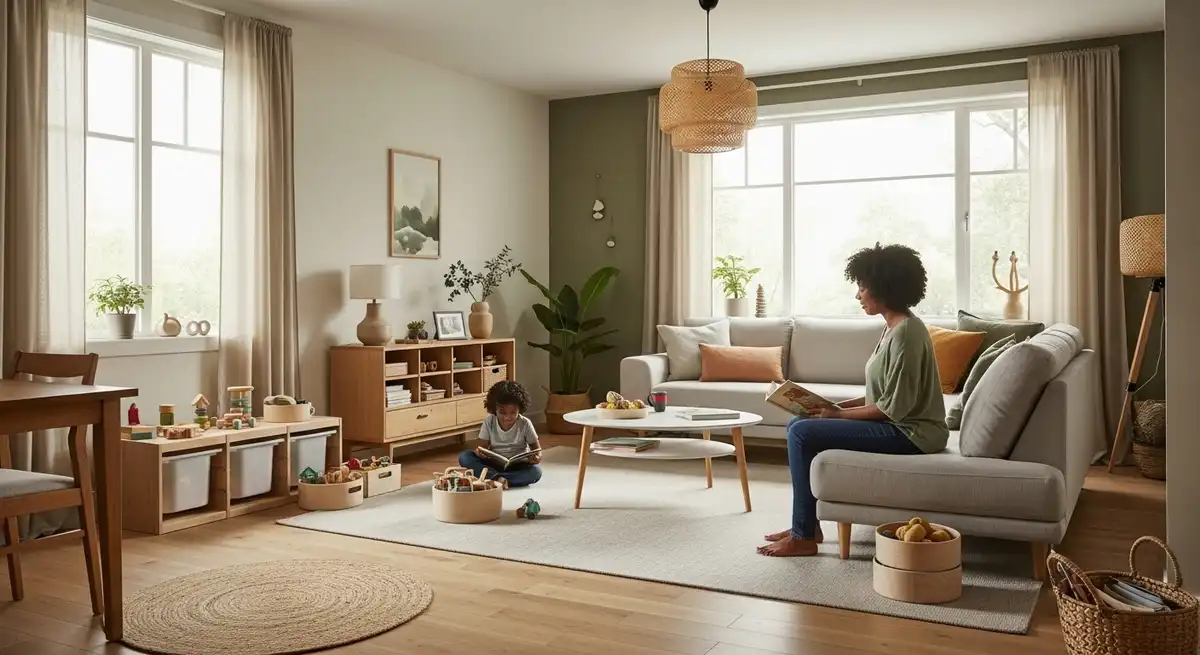
Family routines benefit from predictable evening pacing. Consistency supports children’s sense of security. Calm transitions reduce household tension.
Simple rituals such as shared meals or quiet activities create rhythm. These routines support connection without complexity. Presence matters more than structure.
Shared pacing reinforces individual habits. When the household slows collectively, everyone benefits. This supports sustainability.
Addressing Guilt Around Rest
Many people feel guilt when resting. Cultural messages often equate rest with laziness. Wellness education gently challenges this belief.
Rest is framed as maintenance rather than reward. It supports functioning rather than replacing effort. This reframing reduces internal conflict.
Accepting rest as necessary takes time. Repeated experience of benefits reinforces new beliefs. Gradual shifts feel more sustainable.
Consistency Over Perfection
Consistency underpins effective slowing down. Irregular routines provide weaker signals to the body. Predictable patterns support easier transitions.
Perfection is not required. Missed evenings do not erase progress. Flexibility supports long term adherence.
Over time, habits become automatic. The body learns what to expect. This reduces effort and supports balance.

Expanded Frequently Asked Questions
Why is it hard to relax after work?
It is often hard to relax after work because stress signals remain active beyond working hours. Without clear transitions, the nervous system stays alert. Structured evening routines commonly help signal closure and support gradual relaxation.
What is psychological detachment in simple terms?
Psychological detachment means mentally stepping away from work during personal time. It involves stopping task related thinking rather than avoiding responsibility. Research often links detachment with better recovery and mood stability.
How long should an evening routine be?
Evening routines can be effective even when brief. Many people benefit from ten to thirty minutes of consistent cues. Regularity matters more than length.
Does slowing down improve sleep?
Slowing down is commonly associated with improved sleep readiness because it reduces stimulation and supports melatonin release. It is not a treatment, but aligns with healthy sleep habits. Results vary between individuals.
Can busy parents realistically slow down?
Busy parents often adapt slowing down practices into small moments. Brief pauses and predictable cues support regulation. This approach acknowledges real life demands.
Is mindfulness necessary for slowing down?
Mindfulness is optional. Many people slow down through sensory routines or gentle activities. Awareness and reduced urgency remain the core elements.
What if evenings are unpredictable?
Unpredictable evenings benefit from flexible practices. Micro moments and simple cues provide adaptability. Consistency over time remains the goal.
Does screen time always interfere with rest?
Screen time often increases stimulation, especially before bed. Sensitivity varies between individuals. Setting boundaries supports calmer evenings for many people.
Is rest unproductive?
Rest supports long term productivity by maintaining energy and focus. It is widely viewed as maintenance rather than wasted time. Balanced routines integrate rest functionally.
How long before benefits appear?
Many people notice subtle changes within several weeks of consistent practice. Benefits build gradually rather than instantly. Individual experience varies.
Editorial Conclusion
The art of slowing down after 9 to 5 offers a grounded way to support balance in everyday life. Through consistent, realistic practices, evenings shift from extension of work to spaces for recovery. This approach respects modern responsibilities while protecting long term wellbeing through calm, intentional transitions.
Medical Disclaimer
This content is for informational purposes only and does not constitute medical advice. It is not intended to diagnose, treat, cure, or prevent any disease. Always consult a qualified healthcare provider before starting new health, fitness, or wellness practices.
Prompt 1: Featured Image A realistic evening home scene showing a diverse adult changing from work clothes into comfortable wear near a softly lit window, warm amber lighting, neutral earth tones, calm atmosphere, uncluttered space, gentle shadows, editorial wellness photography style, horizontal composition, shallow depth of field, natural textures, no staged poses, conveys calm transition and relief.
Prompt 2: Supporting Concept Image Close-up instructional scene of hands writing a to-do list on paper beside a closed laptop, warm desk lamp lighting, minimalist workspace, muted colors, focus on tactile detail, realistic proportions, instructional editorial photography, horizontal layout, clear visual hierarchy emphasizing closure ritual.
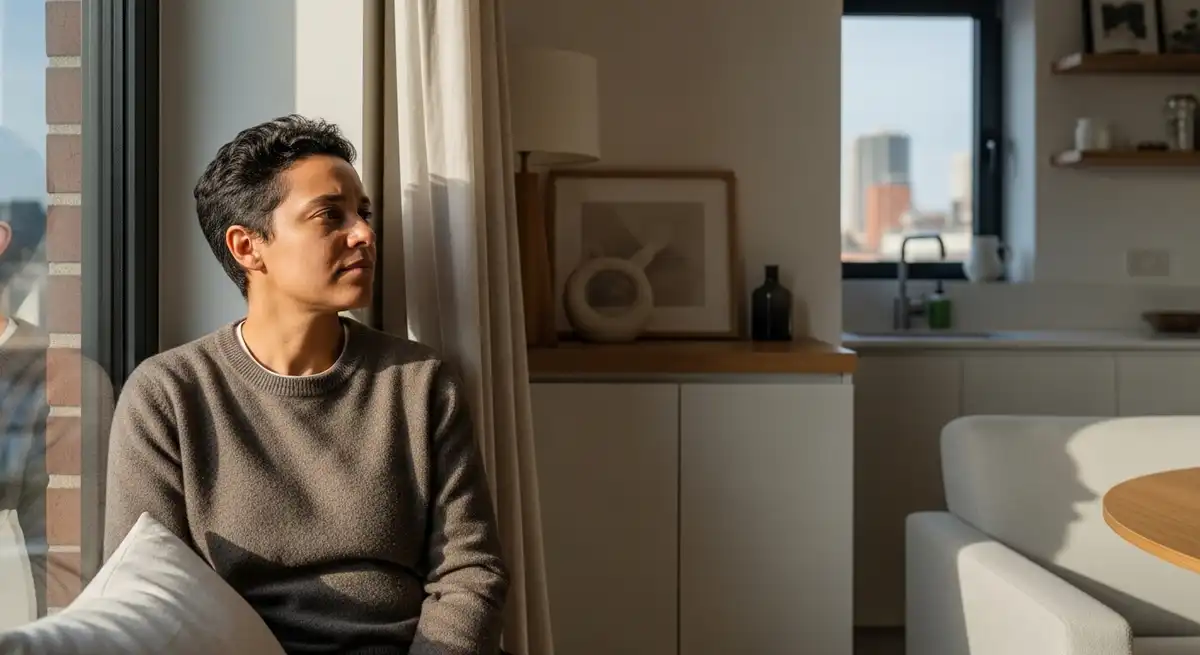
Prompt 3: Inspirational Image Person sitting quietly on a balcony or near a window at dusk, holding a warm mug, city or nature background softly blurred, golden hour light, relaxed posture, inclusive representation, calm expression, realistic lifestyle photography, soft contrast, horizontal frame, mood of contentment and emotional ease.
For wider background on this, see the American Psychological Association on healthy workplaces.