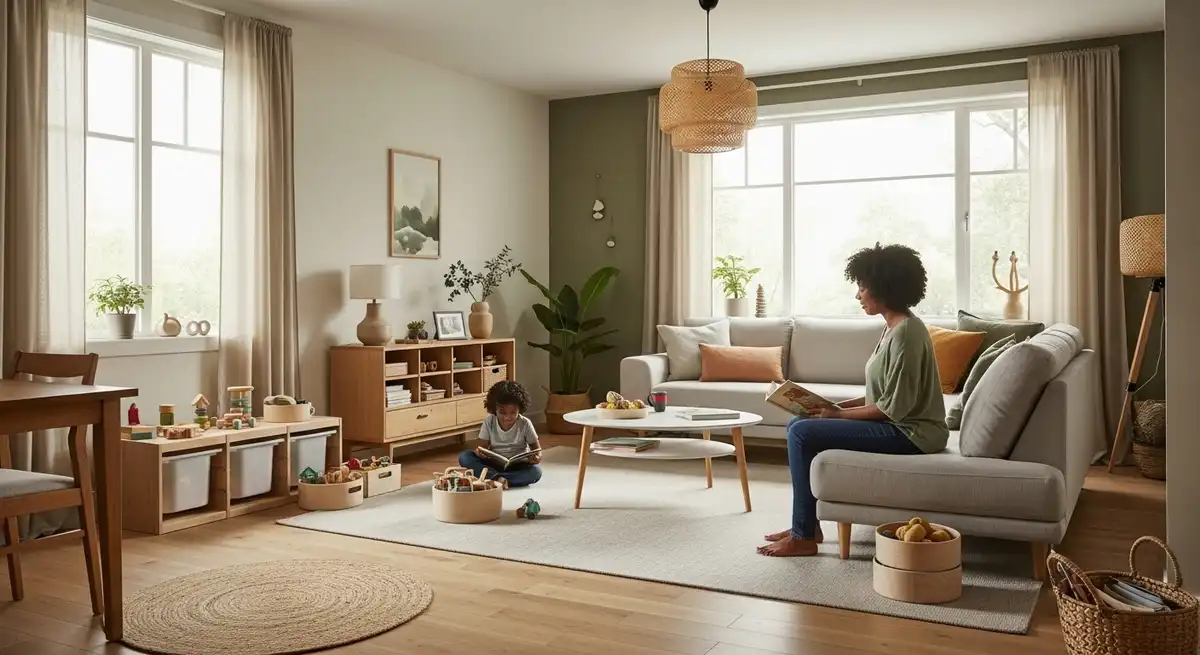

Managing time when kids constantly interrupt is a common and realistic challenge for parents balancing work, caregiving, and personal wellbeing. Interruptions often reflect normal developmental needs rather than poor boundaries or lack of discipline. Wellness educators generally frame this experience as a lifestyle adjustment that benefits from realistic expectations, flexible routines, and emotionally steady responses.
Daily life with children rarely follows predictable patterns, especially in shared home and work environments. Interruptions can feel mentally draining because attention is repeatedly redirected, not because a parent lacks focus or effort. Understanding this context helps reframe time management as a supportive life skill rather than a measure of personal productivity.
Modern parenting also involves layered responsibilities, including digital work, household planning, and emotional caregiving. These overlapping demands increase cognitive load throughout the day. Approaching time management with compassion and structure supports steadier energy and clearer priorities.
Managing time when kids constantly interrupt becomes more workable when routines are designed around interruptions instead of resisting them. This approach reduces frustration and supports calmer responses during unexpected moments. Lifestyle guidance often emphasizes flexibility and visible systems as practical tools for everyday balance.
Manage time kids constantly: Understanding Why Interruptions Feel Overwhelming
Interruptions feel overwhelming because the brain naturally prefers sustained attention over frequent switching. Each interruption requires mental effort to disengage from one task and reorient to another. Over time, this process can create fatigue without much visible progress.
Parents often experience interruptions in quick succession, leaving little time to regain focus. This can create a sense of constant urgency or mental clutter during the day. Recognizing this pattern helps normalize exhaustion and reduces self blame.
Wellness educators often explain that recovery time matters more than avoiding interruptions. When recovery windows shrink, emotional strain increases. Small lifestyle adjustments that shorten recovery time often provide meaningful relief.
Shifting Expectations Around Productivity
Traditional productivity advice assumes quiet spaces and predictable schedules. Parenting rarely offers these conditions, making many systems difficult to apply at home. This mismatch can increase frustration rather than efficiency.
Wellness guidance encourages redefining productivity during parenting seasons. Productivity may look like maintaining household stability or meeting essential needs. This reframing supports emotional wellbeing and reduces chronic pressure.
Managing time when kids constantly interrupt improves when expectations align with real life. Consistent small efforts often matter more than ambitious daily plans. Balance grows from continuity rather than volume.
Designing Time Around Interruption Patterns
Children often interrupt during transitions, boredom, or emotional discomfort. These moments are developmentally normal and not easily prevented. Observing patterns helps parents anticipate interruptions calmly.
Time design that includes buffer periods supports flexibility. Buffers are short gaps that absorb disruptions without derailing the day. Lifestyle educators often describe buffers as protective spaces for emotional regulation.
Managing time when kids constantly interrupt becomes easier when tasks match interruption likelihood. Short tasks fit well into busy periods, while longer tasks suit quieter windows. This alignment reduces stress.
Micro Tasking as a Supportive Strategy
Micro tasking involves dividing responsibilities into small, complete actions. Each action can be finished quickly without sustained focus. This approach fits naturally into unpredictable caregiving environments.
Completing micro tasks provides visible progress even on fragmented days. That sense of movement supports motivation without relying on uninterrupted time. Many parents find this approach reduces feelings of stagnation.
Wellness education often emphasizes that progress does not require long sessions. Repeated small efforts can accumulate over time. This principle supports sustainable routines rather than short bursts of output.
Visible Systems That Reduce Mental Load
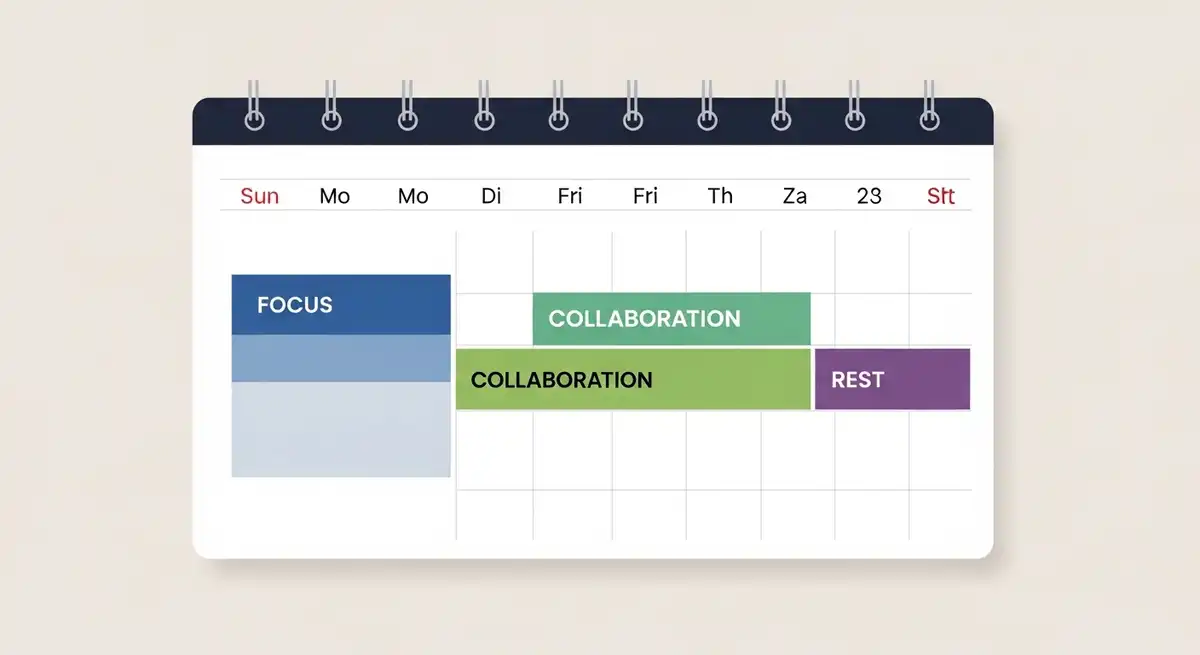
Mental load increases when parents track tasks internally. Visible systems place information into the environment instead of memory. Examples include written lists, shared calendars, or simple boards.
Externalizing tasks reduces cognitive strain during interruptions. When focus breaks, visible cues support faster re entry. Wellness educators describe this as reducing background mental noise.
Managing time when kids constantly interrupt improves when the brain is not overburdened. Clear visual systems support steadier decision making and emotional balance. These tools act as gentle supports, not rigid controls.
Establishing Predictable Daily Anchors
Daily anchors are recurring activities that provide structure without strict timing. Meals, outdoor time, or shared quiet moments often serve this role. Anchors help everyone orient within the day.
Predictability can reduce the intensity of interruptions. When children know what comes next, urgency often decreases. Wellness guidance highlights predictability as emotionally grounding.
Managing time when kids constantly interrupt benefits from shared routines. These routines do not remove interruptions but soften their impact. Over time, they create a calmer household rhythm.
Supporting Focus Without Ignoring Children
Supporting focus does not require ignoring children’s needs. Clear signals can communicate temporary unavailability in gentle ways. Visual timers or consistent phrases often work well.
Children respond better when boundaries are short and reliable. When boundaries are honored, trust develops naturally. Wellness educators note that trust reduces repeated attention seeking.
Managing time when kids constantly interrupt becomes more cooperative when children feel considered. Respectful communication balances caregiving with personal needs. This approach supports emotional security.
The Role of Transitions in Daily Flow
Transitions are moments when one activity ends and another begins. These moments often trigger resistance or interruptions. Recognizing transitions as sensitive periods supports calmer responses.
Simple transition rituals can ease these moments. Brief check ins or shared cues provide closure and preparation. These rituals help regulate emotions for both adults and children.
Managing time when kids constantly interrupt improves when transitions are supported. Smoother transitions reduce friction throughout the day. This supports a steadier pace.

Energy Management Over Time Control
Energy management focuses on working with physical and mental capacity. Energy naturally rises and falls throughout the day. Parenting often intensifies these fluctuations.
Lifestyle guidance suggests placing demanding tasks during higher energy periods. Routine or caregiving tasks fit better during lower energy times. This alignment reduces strain.
Managing time when kids constantly interrupt becomes more sustainable when energy is respected. This approach prioritizes wellbeing over constant output. Energy awareness supports long term balance.
Sleep and Its Influence on Daily Capacity
Sleep strongly affects attention, patience, and emotional regulation. Parenting often disrupts sleep, especially in early years. Reduced sleep can magnify the impact of interruptions.
Wellness education frames sleep as foundational lifestyle support. Small improvements in consistency often improve daily functioning. Regular bedtimes or wind down routines can help.
Managing time when kids constantly interrupt feels more manageable with adequate rest. Sleep supports resilience rather than productivity alone. This perspective encourages realistic self care.
Nutrition as a Supportive Lifestyle Factor
Nutrition influences energy stability and mood regulation. Irregular meals or skipped snacks can increase irritability. Parenting schedules often disrupt consistent eating.
Wellness guidance encourages simple nourishment routines. Balanced meals and hydration support steadier energy. These practices are generally framed as supportive habits.
Managing time when kids constantly interrupt benefits from physical stability. Nourishment supports patience and focus. This highlights how daily habits influence wellbeing.
Mindfulness as Awareness, Not Control
Mindfulness in wellness education refers to noticing present experiences without judgment. It does not aim to remove stress or control emotions. Instead, it supports awareness of reactions.
Interruptions can trigger frustration quickly. Mindfulness helps notice this response early. Awareness can create space for calmer choices.
Managing time when kids constantly interrupt is supported by mindful awareness. This approach encourages observation rather than criticism. It aligns with emotionally responsible wellness practices.
Emotional Regulation During Interruptions
Emotional regulation involves responding thoughtfully rather than reacting automatically. Interruptions often trigger frustration tied to unmet expectations. Recognizing this pattern supports understanding.
Wellness educators describe regulation as a skill built gradually. Simple practices include pausing or naming emotions internally. These steps support steadier reactions.
Managing time when kids constantly interrupt improves when emotional responses soften. Calm reactions reduce escalation for everyone. This fosters a more supportive environment.
Accepting Seasonality in Parenting
Parenting includes changing seasons with different demands. Early childhood often involves frequent interruptions and dependence. Other stages bring new challenges.
Lifestyle guidance encourages acceptance of these shifts. Acceptance supports adaptation rather than resignation. This perspective reduces pressure.
Managing time when kids constantly interrupt becomes less stressful when viewed as temporary. Flexibility allows routines to evolve naturally. This supports long term wellbeing.
Letting Go of Perfection Narratives
Perfection narratives suggest there is an ideal balance to reach. Parenting rarely fits static ideals. Chasing perfection often increases dissatisfaction.
Wellness editors often recommend redefining success as adequacy. Meeting core needs consistently is often enough. This reframing supports emotional health.
Managing time when kids constantly interrupt improves when perfection is released. Progress appears in small, steady ways. This supports sustainable routines.
Building Compassionate Self Talk
Self talk shapes emotional resilience. Harsh inner narratives increase stress during interruptions. Compassionate language supports patience and recovery.
Wellness education often encourages neutral descriptions. Describing situations factually reduces emotional load. This supports calmer responses.
Managing time when kids constantly interrupt becomes gentler with supportive self talk. Language influences mood and perception. This contributes to balance.

Shared Responsibility Where Possible
Shared responsibility reduces individual burden. Even young children can join simple routines. Participation fosters cooperation and belonging.
Lifestyle guidance supports age appropriate involvement. Shared tasks reduce constant parental intervention. They also model collaboration.
Managing time when kids constantly interrupt improves when responsibility is shared. Cooperation reduces interruption frequency. This supports smoother days.
Using Environment to Support Focus
Environment influences attention and behavior. Clear spaces reduce visual distraction. Activity zones support independent play.
Wellness educators discuss environmental cues as silent guides. These cues shape behavior without repeated instruction. Small changes can help.
Managing time when kids constantly interrupt benefits from supportive spaces. The environment becomes an ally. This supports calmer routines.
Managing Digital Distractions
Digital tools can support or fragment focus. Notifications add to interruptions. Managing digital boundaries matters.
Wellness guidance often suggests limiting alerts. Designated times for digital tasks support clarity. This reduces cognitive overload.
Managing time when kids constantly interrupt improves when digital noise is reduced. Fewer alerts support steadier attention. This aligns with mindful technology use.
Allowing Imperfect Days
Not every day will feel balanced or productive. Parenting includes unpredictable moments that override plans. Allowing imperfection reduces strain.
Wellness education encourages viewing days individually. One difficult day does not define effectiveness. This supports resilience.
Managing time when kids constantly interrupt becomes easier when days vary. Flexibility supports emotional wellbeing. This reduces chronic stress.
Reattach Through Connection
Connection after interruptions reassures children. Brief reconnection signals availability. This reduces repeated interruptions.
Wellness guidance highlights quality over quantity. Short present moments can be meaningful. These interactions support security.
Managing time when kids constantly interrupt improves with intentional reconnection. Trust grows. Trust supports smoother routines.
Understanding Emotional Needs Behind Interruptions
Children interrupt to express needs. These needs are part of healthy development. Understanding reduces frustration.
Wellness education frames behavior as communication. Recognizing needs supports empathy. This fosters calmer responses.
Managing time when kids constantly interrupt becomes more manageable with understanding. Empathy reduces conflict. This supports harmony.
Simplifying Commitments
Overcommitment increases stress. Simplifying schedules creates flexibility. This allows adaptation when disruptions occur.
Lifestyle guidance often suggests prioritizing essentials. Reducing optional commitments protects energy. This supports balance.
Managing time when kids constantly interrupt benefits from simpler calendars. Less pressure allows responsiveness. This supports steadier routines.
Allowing Recovery Time
Recovery time supports emotional reset. Short pauses prevent stress buildup. Recovery does not require long breaks.
Wellness educators suggest brief grounding moments. These can include posture changes or breathing. These support regulation.
Managing time when kids constantly interrupt improves with recovery moments. Recovery restores patience. This supports engagement.
Developing Long Term Perspective
Long term perspective reduces urgency. Parenting seasons change naturally. Current challenges are part of growth.
Lifestyle guidance encourages perspective. Viewing challenges within a timeline supports calm. This reduces reactivity.
Managing time when kids constantly interrupt feels lighter with perspective. Understanding change reduces pressure. This supports balance.
Conclusion
Managing time when kids constantly interrupt is about alignment, not control. Aligning expectations, energy, and routines with family life supports wellbeing. Calm, flexible approaches grounded in lifestyle education help parents maintain balance without sacrificing emotional responsibility or personal health.
Medical Disclaimer
This content is for informational purposes only and does not constitute medical or mental health advice. It is not intended to diagnose, treat, cure, or prevent any condition. Always consult a qualified healthcare or mental health professional regarding personal health concerns.
For wider background on this, see the National Heart, Lung, and Blood Institute on sleep.