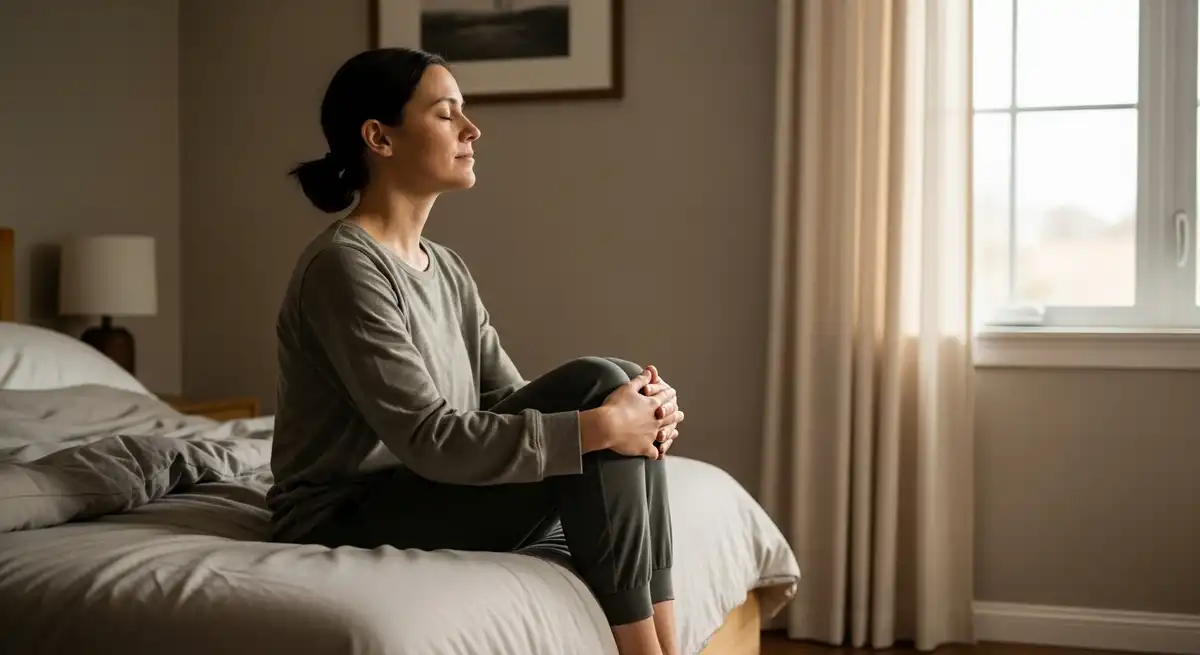
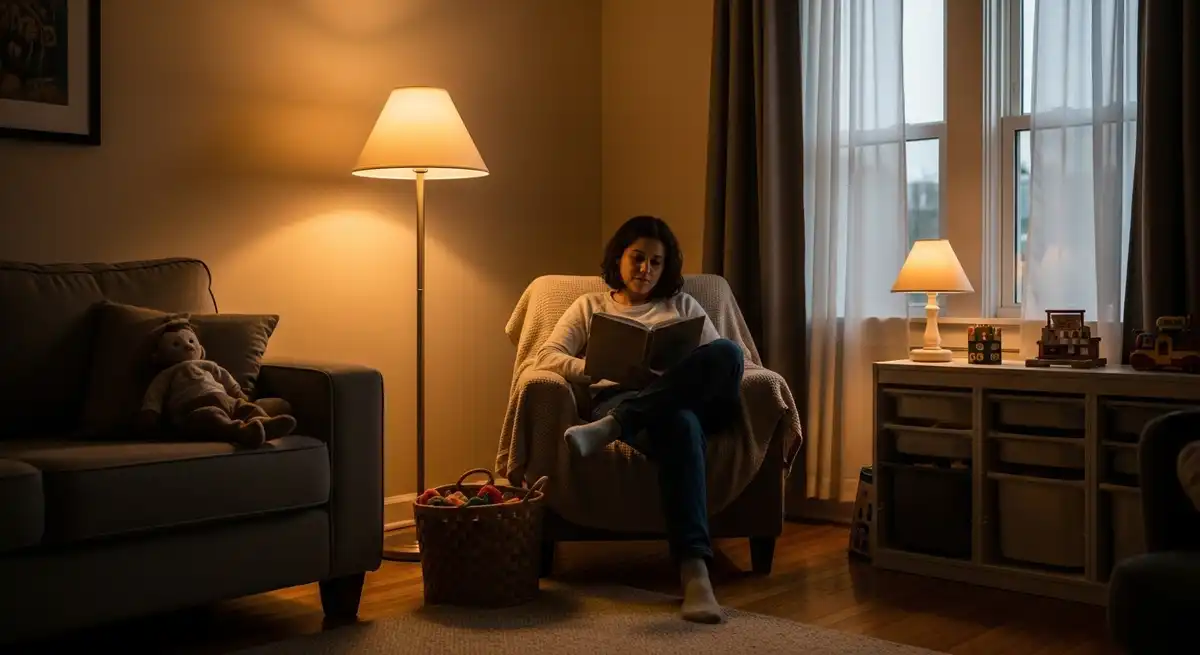
Evenings after children fall asleep are often quiet on the surface, yet many parents notice their thoughts remain busy and unsettled. The shift from constant caregiving to personal time can feel abrupt, leaving little emotional closure to the day. Learning how to unplug and truly relax after the kids’ bedtime supports healthier routines, steadier sleep, and a more balanced relationship with rest.
Unplug truly relax kids: Understanding the Post-Bedtime Mental State
The common evening letdown after parenting hours
After children are asleep, external demands drop suddenly, but the body and mind do not always follow at the same pace. Many parents experience a lingering alertness because their nervous system has spent hours responding to needs, noise, and movement. This mismatch explains why restlessness often appears right when quiet finally arrives.
This response reflects how responsibility delays emotional processing until silence creates space. Without a gentle transition, the mind looks for stimulation to stay occupied. Screens and snacks become stand-ins for decompression, even though they rarely provide the sense of relief people expect.
Revenge bedtime procrastination as a lifestyle pattern
Revenge bedtime procrastination describes delaying sleep to reclaim personal freedom after a day shaped by others’ schedules. Wellness educators often frame it as a response to limited autonomy rather than poor sleep habits. Staying awake becomes a way to experience control, even when the body is tired.
This pattern is common among parents and caregivers with little discretionary time. Viewing it as a lifestyle signal rather than a flaw reduces self-criticism. That perspective makes it easier to replace late-night scrolling with routines that still honor the need for personal time.
Emotional residue from daytime caregiving
Parenting requires emotional regulation, patience, and constant awareness. These efforts leave behind emotional residue that does not disappear when tasks end. Without acknowledgment, the body remains guarded, even in calm surroundings.
Evening relaxation becomes more accessible when the day is consciously closed. Small rituals that recognize effort and completion help the nervous system register safety. That sense of closure supports a smoother move toward rest.
Creating a Clear Transition Out of Parent Mode
Why transitions matter for the nervous system
Transitions signal change to the brain and body. Lifestyle guidance suggests predictable cues help the nervous system shift states efficiently. Without these cues, the brain treats evening hours as an extension of daytime demands.
Simple transitions work best because they reduce decision fatigue. Repeating the same small actions each night builds familiarity. Familiarity supports relaxation by lowering uncertainty and mental scanning.
Practical transition rituals at bedtime
Common transition rituals include changing clothes, washing the face, or dimming lights. These actions communicate that active duties have paused and a quieter phase has begun. Over time, the body associates these cues with reduced alertness.
Using the same sequence nightly strengthens this association. Consistency matters more than duration or creativity. Repetition builds a dependable sense of closure that supports emotional settling.
Managing physical needs before relaxing
Relaxation is harder when basic needs are unmet. Hunger, thirst, or physical discomfort can quietly drive irritability and restlessness. Addressing these needs early prevents interruptions later.
A light snack, water, or brief stretch stabilizes the body enough to allow mental unwinding. This step supports rest without turning evenings into another productivity task.
Reducing Digital Stimulation Safely
How screens affect evening calm
Screens stimulate attention through light, movement, and constant novelty. Research commonly links evening screen use to delayed sleep onset due to prolonged alertness. Beyond light exposure, digital content keeps the brain evaluating and reacting.
For parents, screens feel effortless after long days. That ease hides their activating effect, which explains why relaxation can feel out of reach even after extended scrolling.
Creating distance from devices without deprivation
Digital reduction does not require eliminating technology entirely. Lifestyle balance approaches focus on distance rather than strict avoidance. Charging phones outside the bedroom or placing them across the room introduces gentle friction.
This distance allows intentional choice instead of automatic use. Over time, reduced access supports calmer evenings without creating a sense of restriction or loss.
Choosing low-stimulation alternatives
Low-stimulation alternatives offer engagement without overactivation. Calm audio, reading familiar material, or quiet creative tasks occupy attention at a gentler level. These activities meet the need for personal time while supporting relaxation.
Selecting neutral rather than exciting options helps the nervous system settle. This balance supports rest without forcing silence or stillness too quickly.
Designing an Evening Space for Rest
The concept of a personal third space
A third space is an area separate from work and sleep. In everyday routines, this concept supports mental separation between roles. Even a small corner can serve as a place for evening decompression.
Using the same space consistently helps the brain associate it with calm. This spatial cue reinforces the transition out of caregiving mode and into restorative time.

Physical comfort and posture awareness
Evening seating influences physical tension. Overly soft furniture can strain the neck and spine, increasing discomfort that distracts from rest. Supportive seating encourages relaxed alignment without effort.
Simple adjustments such as cushions or foot support reduce strain. Physical comfort matters because it minimizes bodily signals that pull attention away from relaxation.
Lighting and sensory tone
Lighting strongly affects alertness. Warm, low-intensity light is commonly associated with evening calm because it reduces visual stimulation. Gradual dimming signals the body to prepare for rest.
Sound shapes the environment as well. Neutral background sounds or gentle music help mask sudden noises without demanding focus. Together, light and sound create a supportive atmosphere for unwinding.
Gentle Physical Release After a Long Day
Accumulated tension in parenting bodies
Caregiving involves repetitive movements, lifting, and sustained postures. These demands often lead to unnoticed muscle tension. Evening rest becomes difficult when the body remains physically guarded.
Gentle physical release helps the body register that effort has ended. Addressing tension directly supports relaxation more effectively than trying to ignore it.
Progressive muscle relaxation as a supportive practice
Progressive muscle relaxation involves gently tensing and releasing muscle groups. Wellness educators describe it as a way to increase body awareness rather than a treatment. The contrast between tension and release highlights where stress is held.
Practiced slowly, this technique encourages physical settling without mental effort. Many people use it as part of everyday routines to support calm before sleep.
Light movement and warmth
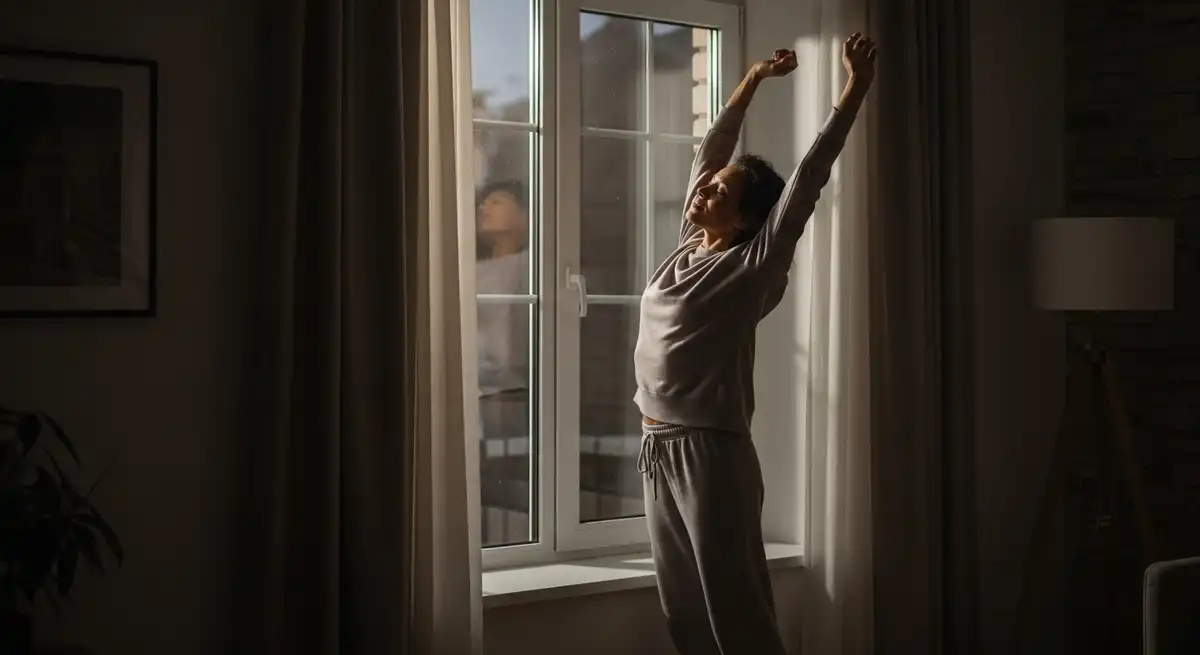
Light stretching or slow movement restores circulation and eases stiffness. Intensity is unnecessary at night, as gentle motion is enough to signal safety to the body. This approach respects fatigue rather than pushing against it.
Warm showers or baths further support relaxation through temperature changes. As the body cools afterward, many notice a natural increase in sleepiness.
Mindfulness and Rest Without Performance Pressure
Mindfulness as everyday awareness
Mindfulness refers to paying attention to present sensations without judgment. In lifestyle contexts, it supports awareness rather than emotional change. Evening mindfulness focuses on noticing rather than fixing.
This approach reduces mental effort. Allowing thoughts to pass without engagement removes pressure to resolve the day mentally.
Body-based mindfulness practices
Body scans involve noticing sensations sequentially through the body. This practice shifts attention away from planning and toward physical experience. Many find this grounding after long days of cognitive and emotional work.
Used gently, body-based mindfulness supports relaxation without requiring concentration. It works through attention redirection rather than control.
Non-sleep deep rest as supportive downtime
Non-sleep deep rest describes structured relaxation without aiming to fall asleep immediately. It is often used to support recovery during periods of limited rest. The focus remains on allowing the body to rest deeply while awake.
This approach fits well into evening routines as an alternative to screens. It offers restoration without pressure to sleep right away.
Closing the Day with Intention
Emotional closure through simple reflection
Writing down unfinished tasks provides emotional closure. This practice externalizes concerns so they no longer need to be held mentally. Many people use it to reduce nighttime rumination.
Keeping the process brief prevents it from becoming another task. The goal is acknowledgment, not problem-solving.
Supporting the next morning gently
Small preparations for the next day reduce morning stress. Setting out clothes or preparing simple items creates continuity and reassurance. This gesture supports a sense of completion.
These actions are not about productivity. They reinforce that future demands have been considered.
Environmental calm and visual order
Visual clutter increases mental load. A brief tidy focused on visible surfaces supports a calmer sensory environment. Perfection is unnecessary for this effect.
Creating a peaceful space supports ease both in the evening and upon waking. The environment becomes part of the relaxation process.
Parenting and Working-Life Context
The unique pressures on working parents
Working parents often juggle professional expectations alongside caregiving. This dual role extends mental workload into the evening. Relaxation becomes difficult when role-switching remains incomplete.
Evening routines that acknowledge both roles support balance. Recognizing effort without judgment prevents self-criticism during rest.
Guilt and the right to rest
Many parents feel guilty when prioritizing personal rest. Cultural narratives often frame self-care as indulgent rather than necessary. This belief undermines relaxation by creating internal conflict.
Reframing rest as maintenance supports acceptance. Rest enables continued caregiving rather than detracting from it.
Sustainable routines over perfect routines
Perfectionism undermines consistency. Sustainable routines prioritize simplicity and flexibility. Small, repeatable actions support long-term balance better than complex plans.
Allowing routines to evolve respects changing needs. Adaptability supports ongoing wellbeing without pressure.
Frequently Addressed Concerns
Staying awake late despite exhaustion
Staying awake late while feeling exhausted is commonly linked to unmet needs for autonomy and quiet. This pattern reflects lifestyle strain rather than poor self-control. Addressing the need for personal time earlier often reduces late nights naturally.
Reducing nighttime phone use
Reducing phone use at night works best through environmental changes. Physical distance from devices and low-stimulation replacements support gradual habit shifts. This approach aligns with everyday behavior patterns.
Understanding bedtime procrastination
Bedtime procrastination describes intentionally delaying sleep. It is often tied to daytime time pressure and emotional fatigue. Treating it as a signal encourages supportive adjustments rather than self-judgment.
Relaxing the mind after caregiving
Mental relaxation after caregiving often follows physical settling. Gentle movement, warmth, and quiet sensory input support this process. Cognitive strategies alone are often insufficient.
Helping the brain slow down for sleep
The brain slows down when cues signal safety and completion. Regular routines, reduced stimulation, and predictable environments support this shift. Over time, these cues strengthen sleep readiness.
Healthy ways to unwind in the evening
Healthy evening unwinding includes calming rather than distracting activities. Reading, stretching, or quiet hobbies are commonly used. These practices support rest without overstimulation.
Late nights and burnout awareness
Late nights can reflect burnout when paired with chronic fatigue and emotional distancing. Addressing sleep and evening structure supports recovery. Awareness encourages care rather than alarm.
Building routines that last
Routines last when they remain simple. Starting with one consistent action reduces resistance. Gradual additions support sustainability.
Screen-free evening activities
Screen-free activities include creative tasks, calm audio, or reflection. These options engage attention gently. They support evening calm.
Guilt around post-bedtime rest
Guilt around rest often comes from internalized expectations. Recognizing rest as functional supports emotional release. This perspective encourages healthier boundaries.
Conclusion
Learning how to unplug and truly relax after the kids’ bedtime involves understanding the emotional and physical residue of caregiving. Small, consistent routines support transition and rest without demanding perfection. When evenings are restorative rather than compensatory, parents often experience steadier energy, improved sleep, and a more sustainable relationship with daily responsibilities.
Medical Disclaimer
This content is for informational purposes only and does not constitute medical or mental health advice. It does not diagnose, treat, cure, or prevent any condition. Consult a qualified healthcare provider before making changes to sleep, stress, or lifestyle routines.
For wider background on this, see the American Psychological Association on stress.