
Social media is now woven into daily routines, work communication, parenting coordination, and social connection, often without clear limits. Many people notice that frequent checking leaves them mentally scattered rather than informed or rested. Learning how to set healthy boundaries with social media is commonly understood as a practical lifestyle skill that supports attention, emotional steadiness, and balanced daily functioning over time.
Digital platforms are designed to encourage repeated engagement, and this design interacts with human attention in predictable ways. Wellness educators often point out that feeling overwhelmed by constant updates is a normal response, not a personal failure. Clear, realistic boundaries help restore a sense of choice and reduce background mental strain during ordinary days.
This page explains social media boundaries from an educational and lifestyle perspective rather than a clinical one. The focus stays on awareness, everyday habits, and realistic adjustments that fit into modern working and family life. The information shared here is general and supportive, and it does not replace professional guidance when individual support is needed.
How to Set Healthy Boundaries With Social Media: Understanding the Attention Economy
The attention economy describes systems that earn revenue by keeping people engaged for as long as possible. Social media platforms commonly use notifications, endless feeds, and algorithm driven suggestions to encourage repeated checking across the day. Knowing this context helps people separate personal responsibility from designs that reward prolonged screen time.
From a lifestyle education view, attention is treated as a limited daily resource. When attention is repeatedly interrupted, people often notice reduced focus, slower thinking, and mental fatigue. Boundaries help protect attention so it can be used for work, family, and rest without constant disruption.
This awareness matters for parents and working adults managing many roles. When digital interruptions are constant, mental transitions become harder and exhaustion builds quietly. Setting boundaries is generally framed as an environmental adjustment, not a test of discipline or motivation.
How Social Media Shapes Emotional Awareness
Social media content often highlights achievements, appearance, and carefully selected moments. Repeated exposure to this material is commonly linked to comparison patterns that influence mood and self perception. Wellness educators describe this as upward social comparison, which can quietly shape emotions over time.
Emotional reactions to online content usually happen quickly and without reflection. Likes, comments, and views create feedback loops that encourage monitoring responses. Boundaries reduce how often these emotional triggers appear, giving feelings more room to settle naturally.
This does not mean avoiding social media entirely. Boundaries support selective engagement where emotional responses feel more manageable. Over time, many people notice that reduced exposure helps them reconnect with personal priorities and everyday experiences.
Why Boundaries Support Mental Clarity
Mental clarity is often described as the ability to think, plan, and reflect without constant distraction. Continuous access to social media interrupts thought processes and shortens attention during routine tasks. Setting boundaries creates predictable periods where focus can recover naturally.
From a mindfulness perspective, clarity develops when attention is directed intentionally rather than pulled reactively. Social media boundaries limit unplanned interruptions that fragment awareness. This approach supports steadier decision making and calmer daily rhythms.
For working parents, mental clarity affects both professional tasks and family presence. When attention is less divided, moving between roles feels smoother. Boundaries act as practical supports rather than strict rules.
Digital Minimalism as a Lifestyle Framework
Digital minimalism is often described as using technology with purpose instead of habit. This framework encourages evaluating each platform based on whether it supports personal values and responsibilities. It does not reject technology, but promotes intentional selection.
In everyday life, digital minimalism involves reducing optional digital noise. This might include limiting apps that offer little meaningful value or adjusting how often certain platforms are accessed. The goal is a digital environment that feels manageable rather than overwhelming.
This approach is frequently helpful for people balancing caregiving, work, and personal wellbeing. When technology use aligns with clear purposes, it is less likely to spill into rest or family time. Boundaries emerge naturally from clarity about priorities.
Identifying Personal Values Before Setting Limits
Values act as reference points when deciding how social media fits into daily life. Common values include presence with family, focused work time, adequate rest, and emotional steadiness. Clarifying these values makes boundary decisions feel grounded and consistent.
Without value clarity, boundaries may feel restrictive or arbitrary. With clear values, limits are framed as supportive structures. This reframing reduces inner conflict and increases long term follow through.
Values based boundaries remain flexible rather than rigid. As responsibilities change, boundaries can shift while still supporting core priorities. This adaptability is especially important for parents and caregivers.
Understanding Optional and Essential Technology
A helpful step in boundary setting is separating essential technology from optional technology. Essential tools support work communication, safety, or caregiving coordination. Optional tools usually provide entertainment, passive browsing, or non urgent updates.
This distinction reduces decision fatigue. When optional tools are clearly identified, they can be limited or paused without affecting responsibilities. Clarity simplifies boundary choices.
Many people discover that optional tools take more time than expected. Recognizing this pattern supports intentional reduction. The process stays observational rather than judgmental.
The Concept of a Digital Declutter
A digital declutter is commonly described as a temporary pause from optional digital platforms. The pause allows people to observe habits, emotional responses, and time use without constant online input. This period is usually treated as an experiment, not a permanent commitment.
During a declutter, people often notice how frequently impulses to check devices arise. This awareness is informative rather than problematic. It shows how often technology fills small gaps in the day.
After the pause, platforms are reintroduced selectively. Only tools that clearly support values and daily needs return. This process supports more intentional long term boundaries.
Filling Time With High Quality Offline Activities
When social media use is reduced, unstructured time becomes more noticeable. Wellness educators emphasize filling this time with activities that involve engagement or presence. Examples include walking, cooking, reading, or creative hobbies.
High quality offline activities offer a different kind of satisfaction than passive scrolling. They often involve movement, skill use, or direct interaction. These experiences support steadier energy levels.
For busy adults, even brief offline moments matter. Short walks or quiet routines can replace habitual checking. Over time, these substitutions support healthier daily patterns.
Managing Fear of Missing Out
Fear of missing out often drives frequent social media checking. It involves concern about missing information, events, or connection. This feeling is widely recognized and not unusual.
Boundaries help by reducing exposure to updates that trigger urgency or comparison. When checking becomes less frequent, perceived importance often decreases. Relevant information still tends to reach people through direct channels.
Managing this fear relies on reassurance rather than avoidance. Over time, reduced checking builds confidence that stepping back does not equal disconnection. This perspective supports emotional steadiness.
Addressing Availability Expectations
Modern communication often carries expectations of quick responses. These expectations can create pressure, especially for working parents managing many demands. Boundaries help clarify realistic response times.
Communicating availability in advance reduces confusion. Simple explanations about when messages are checked set clear expectations. This approach supports respectful communication without constant interruption.
Availability boundaries also protect rest and family time. When instant replies are not assumed, mental space opens. Healthier communication patterns develop gradually.
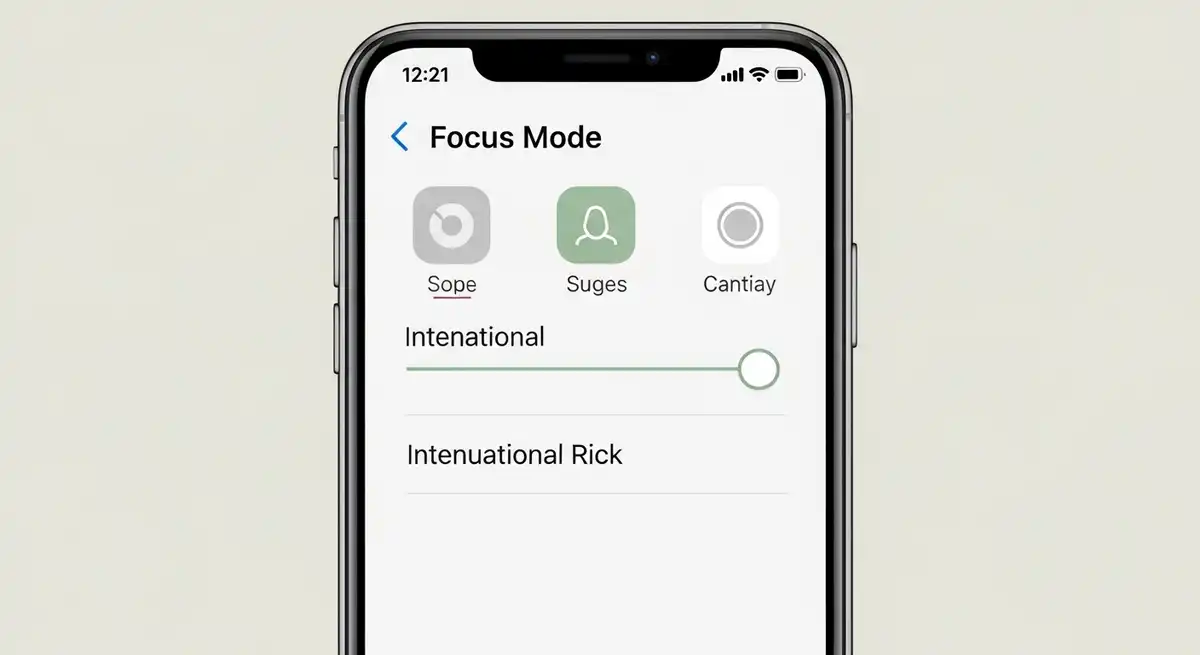
The Role of Technical Tools
Technical tools support boundaries by reducing reliance on constant self control. Features like focus modes and notification settings limit interruptions automatically. These tools are widely used as lifestyle supports.
Using these features adds external structure. Notifications can be silenced during work or rest periods. This reduces background alertness that contributes to fatigue.
Technical tools work best when paired with clear intentions. They support habits rather than replace awareness. Over time, structure and intention reinforce each other.
Screen Time Awareness Practices
Screen time awareness involves observing how long and when platforms are used. Many devices provide summaries that reveal patterns. This information supports informed adjustments.
Awareness practices focus on understanding, not criticism. The goal is clarity rather than self judgment. Patterns often guide boundary decisions naturally.
For parents, awareness also models balanced technology habits. Children observe adult behavior closely. Consistent awareness supports family wide digital wellbeing.
Creating Device Free Spaces
Device free spaces are areas where phones are intentionally absent. Common examples include dining tables or bedrooms. These spaces support presence and rest.
Removing devices from specific spaces reduces habitual checking. The environment itself becomes a cue for attention. This approach is widely used in lifestyle design.
For families, shared device free spaces support connection. Conversations often deepen without screens. Small changes contribute to relational wellbeing.
Single Purpose Device Use
Single purpose device use involves limiting a device to certain functions. A phone may be used for communication but not social browsing. This reduces accidental scrolling.
This practice changes how the brain associates the device. Instead of entertainment, the device becomes a practical tool. Over time, impulse checking declines.
Single purpose use can be gradual. Partial limits often feel more manageable. Small adjustments build consistency.
Daily Habits That Support Boundaries
Daily habits reinforce boundaries through repetition. Simple actions like scheduled check times or placing phones face down support consistency. Habits reduce decision making effort.
Consistency matters more than perfection. Occasional lapses do not erase progress. Habits develop through repeated practice.
For busy adults, small habits fit routines more easily. Over time, these habits create meaningful change.
Content Curation and Emotional Safety
Content curation involves choosing which accounts and topics appear in feeds. Muting or unfollowing accounts that trigger discomfort is widely considered supportive. This reduces emotional activation.
Curated feeds better reflect personal interests and values. Exposure becomes more aligned with learning or connection. Emotional responses feel easier to manage.
Curation can be revisited regularly. As needs change, preferences shift. Ongoing adjustment supports long term wellbeing.
Social Presence and Phone Placement
Phone placement affects social interactions. Visible phones often signal divided attention. Placing phones out of sight supports presence.
This practice is commonly recommended in relationship education. Conversations feel more engaging without visible devices. Presence supports connection.
For families, shared agreements about phone placement build respect. These agreements are lifestyle choices rather than strict rules.
Screen Free Time as Rest
Screen free time is often used to support mental rest. Even brief breaks allow attention to reset. This is helpful before sleep.
Rest periods without digital input reduce stimulation. Many people report feeling calmer afterward. These effects support balance.
Screen free time can be scheduled or flexible. Both approaches support recovery. Consistency strengthens benefits.
Parenting and Social Media Boundaries
Parents often manage both personal and family technology use. Children learn habits through observation. Adult boundaries shape household norms.
Clear adult boundaries model balanced use. Devices are seen as tools rather than constant companions. This modeling supports healthy attitudes.
Family discussions about technology can stay calm. Boundaries are explained as supportive. Understanding grows over time.
Work Life Balance and Digital Limits
Work related social media can blur boundaries between professional and personal time. Notifications outside work hours prolong work stress. Limits help contain demands.
Clear schedules for work communication support recovery. When messages are checked at defined times, rest feels more complete. Productivity becomes sustainable.
For remote workers, boundaries are especially important. Digital structure replaces physical separation. Intentional limits support balance.

Mindfulness Principles in Digital Use
Mindfulness in digital use refers to awareness of attention and intention. It involves noticing impulses to check without acting immediately. Awareness creates choice.
Mindfulness practices are commonly used as supportive tools. They do not require formal meditation. Simple noticing is enough.
Applied consistently, mindfulness reduces automatic behavior. Intentional use becomes easier over time. This supports calm engagement.
Emotional Responsibility in Online Spaces
Emotional responsibility involves noticing how content affects mood and behavior. It includes stepping back when reactions intensify. This supports self regulation.
Online interactions can trigger strong feelings. Boundaries allow space for processing offline. Reactive responses decrease.
Emotional responsibility also supports respectful communication. Pausing before responding encourages thoughtful engagement. Boundaries create this pause.
Long Term Sustainability of Boundaries
Sustainable boundaries evolve with life circumstances. What works now may change later. Flexibility supports longevity.
Periodic review keeps boundaries aligned with values. This review stays observational. Adjustments are expected.
Long term sustainability comes from realistic expectations. Boundaries reduce unnecessary strain but do not remove stress completely.
Frequently Asked Questions
What are healthy boundaries with social media.
Healthy boundaries with social media are limits that define when, why, and how platforms are used. They usually include time limits, notification controls, and intentional engagement. These boundaries are commonly used to support focus, emotional steadiness, and balanced daily routines.
How can someone reduce social media overuse safely.
Reducing social media use safely usually involves gradual changes rather than abrupt removal. Common approaches include scheduled check times and removing non essential notifications. These steps support awareness without creating added stress.
Can social media boundaries support better sleep.
Social media boundaries are often associated with improved sleep routines. Limiting use before bedtime reduces stimulation and alertness. This supports natural wind down processes without guaranteeing specific sleep outcomes.
How should boundaries be communicated to others.
Boundaries are commonly shared through clear statements about availability. This reduces misunderstandings and sets realistic expectations. Calm explanations are generally effective.
Are boundaries different for parents.
Parents often adapt boundaries to family needs. Adult modeling of balanced use influences children’s habits. Family discussions support shared understanding.
Is complete social media avoidance necessary.
Complete avoidance is not required for most people. Many find selective, intentional use more sustainable. Boundaries focus on moderation.
How often should boundaries be reviewed.
Boundaries are commonly reviewed during life transitions or higher stress periods. Reflection supports alignment with current needs. Adjustments are normal.
Do boundaries eliminate stress completely.
Boundaries do not eliminate stress entirely. They reduce unnecessary digital strain. Other life stressors still need attention.
Conclusion
Setting healthy boundaries with social media is widely understood as a supportive lifestyle practice rather than a corrective measure. Through awareness, intentional habits, and flexible limits, people often experience better balance across work, family, and personal time. These approaches emphasize realism and emotional responsibility, supporting sustainable digital wellbeing over time.
Medical Disclaimer
This content is for informational purposes only and does not constitute medical or mental health advice. It does not diagnose, treat, cure, or prevent any condition. Consult a qualified healthcare professional for personalized guidance related to health, mental wellbeing, or lifestyle concerns.
For wider background on this, see the American Psychological Association on healthy relationships.