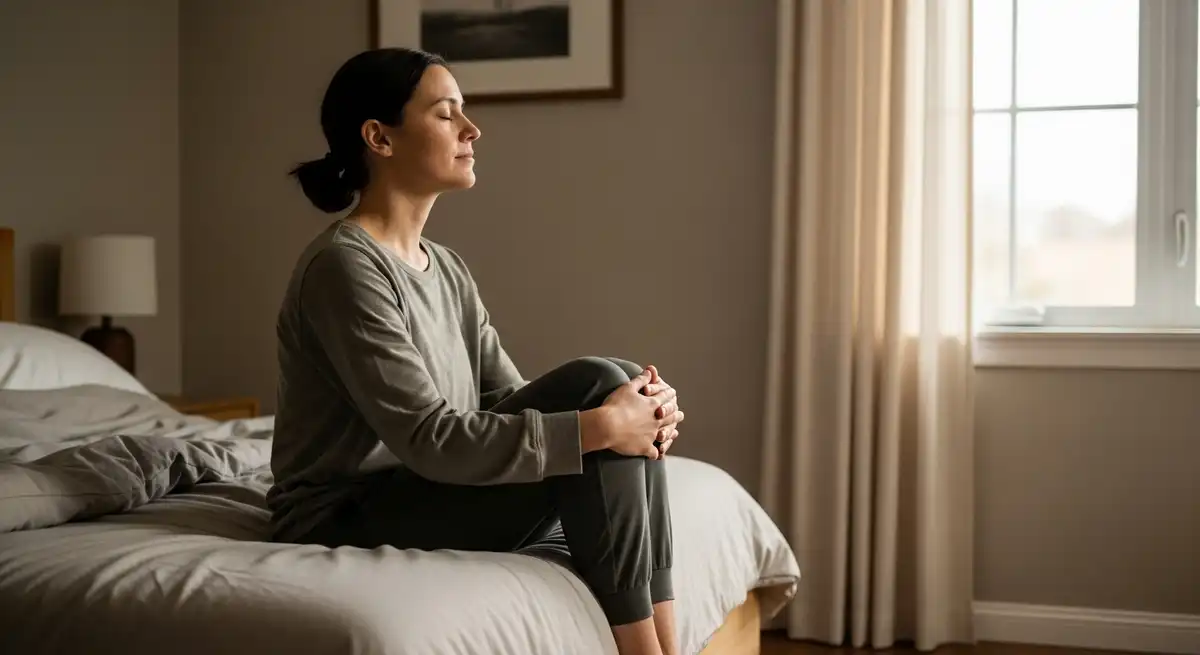
The value of 21 Affirmations for Sleep Healing is repetition in ordinary moments, not intensity in rare ones. Sleep often becomes difficult when the mind carries unfinished thoughts, emotional strain, and daily pressure into the night. Many people notice that even when the body feels tired, the mind continues to stay alert. In everyday wellness routines, simple practices like affirmations are often used to support relaxation and create a smoother transition into sleep.
Affirmations for sleep healing are repeated statements that guide attention toward calmness and emotional ease before rest. Wellness educators describe them as mental cues that gently shift focus away from stress and toward safety. With regular use, they are commonly included as a supportive part of a consistent bedtime routine.
Understanding the Role of Sleep and Mental Conditioning
Deep sleep supports physical repair, memory processing, and emotional balance in daily life. During this phase, the body carries out natural processes that help restore energy and maintain overall wellbeing. Lifestyle guidance often highlights the importance of preparing the mind before sleep to improve the quality of this restorative phase.
Affirmations are often used to shape thought patterns that might otherwise interrupt rest. Repeating calming statements can reduce mental noise and create a more stable internal environment. Over time, this practice may help the mind settle more easily at night.
How Neuroplasticity Supports Sleep Habits
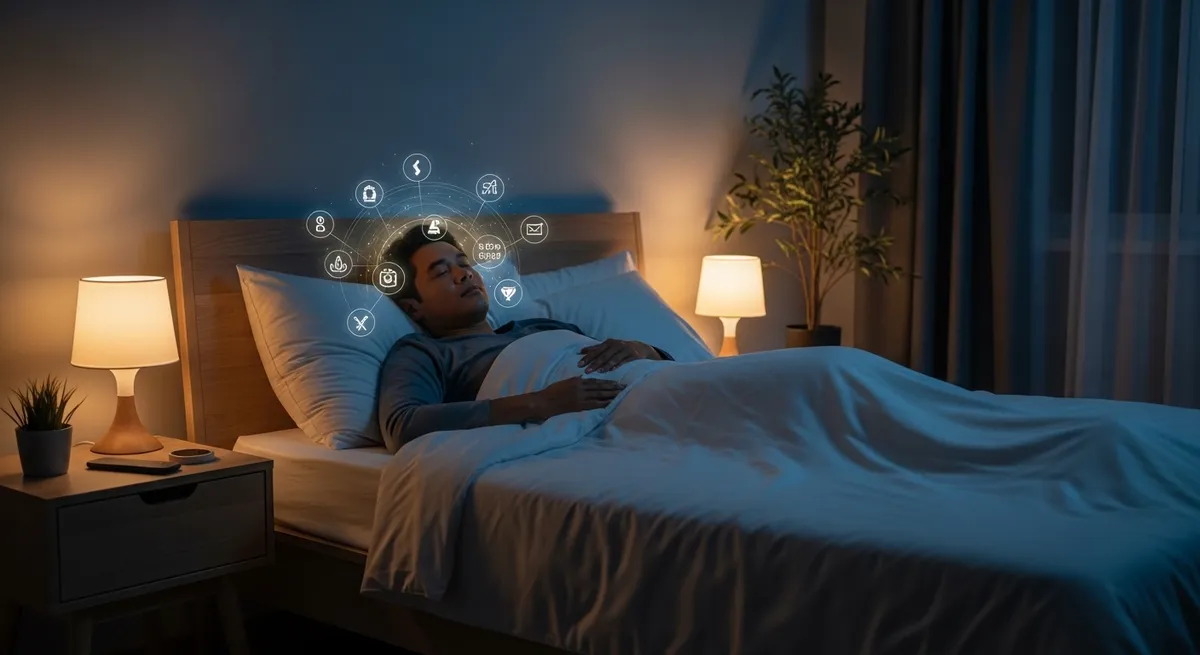
Neuroplasticity is the brain’s ability to adapt and form new patterns based on repeated thoughts and behaviors. This concept is widely discussed in wellness education as a reason habits become easier with practice. It also plays a role in how bedtime routines influence sleep quality.
When affirmations are repeated consistently, they may help reinforce calmer thinking patterns. The brain gradually becomes familiar with these patterns and responds more easily to cues linked with rest. This process is often associated with improved ease in falling asleep over time.
Why Consistency Matters in Nighttime Practices
Consistency helps build familiarity, which is important for any wellness habit, including sleep routines. Repeating the same calming activity each night signals the body to slow down and prepare for rest. This predictable pattern is often linked with improved readiness for sleep.
Many lifestyle approaches suggest practicing affirmations daily for a few weeks to support habit formation. During this time, repetition helps create a stronger mental association with relaxation. Over time, the process tends to feel more natural and less effortful.
21 Affirmations for Sleep Healing
1. Every cell in my body is healing and renewing right now
This affirmation reflects the body’s natural repair processes that occur during sleep. It encourages awareness that healing does not require constant effort or control. Many people use this statement to build trust in their body’s ability to restore itself overnight.
2. I release the stress of the day and welcome healing energy
This statement supports the shift from daytime activity to nighttime rest. Letting go of tension helps reduce mental and physical strain before sleep. It is commonly used to create a sense of separation from daily responsibilities.
3. My immune system is powerful, protective, and vigilant
Affirming internal strength can create a sense of reassurance. This statement is often used to reduce worry and promote calmness before bed. It supports a mindset focused on stability and confidence in the body’s natural functions.
4. I am safe, grounded, and protected in this moment
A sense of safety is closely linked with relaxation and sleep readiness. This affirmation encourages emotional stability and reduces feelings of alertness. Many people use it to support a calm and secure mindset at night.
5. Every breath I take supports my perfect health
Breathing awareness is a common part of relaxation practices. This affirmation connects breath with wellbeing and encourages slower breathing patterns. It is often paired with simple breathing exercises before sleep.
6. I forgive myself unconditionally and release past criticism
Self-criticism can create mental tension that interferes with rest. This affirmation encourages letting go of judgment and adopting a more compassionate mindset. It is commonly used to reduce emotional strain before bedtime.
7. My body knows how to restore balance naturally and effortlessly
This statement promotes trust in natural bodily processes. It helps reduce the urge to control sleep or force rest. Many individuals find it useful for encouraging a relaxed approach to bedtime.
8. I release the past and inhale the present moment
Focusing on the present moment is a key part of mindfulness practices. This affirmation supports letting go of earlier thoughts and concerns. It is often used to bring attention back to the experience of rest.

9. My heartbeat is in rhythm with the beat of perfect health
Awareness of internal rhythms can support a sense of calm. This affirmation encourages connection with the body’s natural processes. Many people use it to promote relaxation through gentle focus.
10. I am worthy of deep, restorative, and healing rest
Feelings of guilt can sometimes interfere with the ability to rest. This affirmation reinforces that sleep is an important part of wellbeing. It helps create permission to rest without resistance.
11. My mind is a safe place for peaceful thoughts
A calm mental environment supports better sleep readiness. This affirmation encourages gentle and stable thinking patterns. It is often used to reduce intrusive or repetitive thoughts.
12. I surrender my worries to the night and trust the process
Letting go of control can support easier transitions into sleep. This statement encourages releasing the need to manage every thought. Many people use it to reduce mental effort at bedtime.
13. Rest restores my body and renews my spirit for tomorrow
This affirmation connects sleep with preparation for the next day. It reinforces the value of rest as part of a balanced routine. Many individuals use it to build positive associations with sleep.
14. My muscles are relaxing, allowing healing to flow through me
Physical relaxation supports deeper rest. This statement encourages awareness of tension and gradual release. It is often used alongside simple body relaxation techniques.
15. I am grateful for my body’s incredible ability to heal
Gratitude can shift attention away from stress toward appreciation. This affirmation supports a more positive emotional state before sleep. Many people include it as part of a calming routine.
16. I am becoming healthier, stronger, and more vibrant with every hour of sleep
This statement frames sleep as a supportive process for overall wellbeing. It encourages a positive outlook on rest and recovery. Many individuals use it to maintain consistency in sleep habits.
17. My dreams are calm, peaceful, and filled with insight
Dream experiences are linked with emotional processing during sleep. This affirmation supports a stable and gentle mental environment. It is commonly used to encourage more peaceful sleep experiences.
18. I release any block in the way of my complete healing
Letting go of internal resistance can support relaxation. This statement encourages openness to rest and recovery. Many people use it to reduce subconscious tension before sleep.
19. I am aligned with perfect health and vitality
This affirmation focuses on identity and self-perception. It encourages a sense of balance and wellbeing. Many individuals use it to reinforce positive internal associations.
20. I trust my body’s natural wisdom to guide my recovery
Trusting natural processes can reduce anxiety around sleep. This affirmation supports a more relaxed approach to rest. It is often used to shift attention away from overthinking.
21. I end this day in peace and wake up renewed
Ending the day with a calming statement supports emotional closure. This affirmation helps create a smooth transition into rest. Many people use it to prepare for a refreshed start.
Practical Use in Daily Life
Affirmations are often practiced in quiet settings to support focus and consistency. Many people repeat them silently or softly while lying down or sitting comfortably. This approach is simple and easy to include in existing bedtime routines.
Some individuals combine affirmations with breathing exercises or gentle relaxation techniques. This combination supports both mental calmness and physical ease. The goal is to create a comfortable and repeatable experience each night.
Relevance for Busy Lifestyles and Working Individuals
Busy schedules often lead to both physical fatigue and mental overstimulation. Short practices like affirmations are commonly used because they require little time and effort. This makes them accessible for people managing work, family, and daily responsibilities.
In many households, consistent bedtime routines support better rest for everyone. Affirmations can be adapted for different age groups and preferences. This flexibility allows them to fit naturally into varied lifestyles.
Frequently Asked Questions
How do affirmations support sleep routines
Affirmations support sleep routines by encouraging calmer thinking before bedtime. They are commonly used to reduce mental distractions and promote relaxation. Many people include them as a simple and consistent part of their nightly habits.
Do affirmations work immediately for better sleep
Affirmations are not usually immediate solutions but supportive practices over time. Their effects are often linked with consistency rather than instant change. Many individuals notice gradual improvements in relaxation and sleep readiness.
How often should affirmations be practiced
Affirmations are commonly practiced once daily, usually before sleep. Consistency is often more important than duration or intensity. Even a few minutes each night can support the formation of a steady routine.
Can affirmations replace other sleep habits
Affirmations are generally used alongside other healthy sleep practices. They do not replace factors such as sleep environment or daily routine. A combined approach is often considered more supportive.
Is it better to say or listen to affirmations
Both speaking and listening are commonly used methods. Speaking can create stronger engagement, while listening may feel more relaxing. Many people choose the approach that fits their comfort and routine.
Are affirmations suitable for everyone
Affirmations are generally adaptable for different individuals and preferences. They can be adjusted to feel more natural and personal. Many people modify wording to match their comfort level.
How long should each session last
Sessions are typically brief and flexible in duration. Many people practice for a few minutes each night without strict timing. Consistency tends to be more important than session length.
Can affirmations be combined with meditation
Affirmations are often combined with simple meditation or breathing practices. This pairing supports both mental focus and relaxation. Many individuals find this combination helpful in building a calming routine.
Do affirmations require belief to work
Affirmations do not require immediate belief to begin practicing. Repetition can make statements feel more familiar over time. Many people approach them with openness rather than certainty.
Are affirmations a form of therapy
Affirmations are considered general wellness practices rather than therapy. They are often used as supportive tools in daily routines. Professional guidance is recommended for specific mental health concerns.
Conclusion
Affirmations for sleep healing are simple practices that support calmness and consistency before rest. They help create a stable mental environment that encourages relaxation. With regular use, many people find them helpful in building more restful and balanced nighttime habits.
Medical Disclaimer
This content is for informational purposes only and does not constitute medical advice. Consult a qualified healthcare provider before starting any new health practice, especially if you have existing conditions or ongoing sleep-related concerns.
Image Generation Prompts
A peaceful nighttime bedroom scene showing a diverse adult resting calmly in bed with soft ambient lighting, symbolizing 21 affirmations for sleep healing. Include subtle glowing neural pathways around the head to represent neuroplasticity and subconscious reprogramming. Photorealistic style with warm, dim lighting from a bedside lamp, soft blue and earthy tones, serene emotional mood, minimal clutter, horizontal composition, shallow depth of field, editorial wellness photography quality, calming and restorative atmosphere.
A close-up scene of a person sitting on a bed practicing affirmations with eyes closed, hand on chest, demonstrating diaphragmatic breathing. Include visual overlays of gentle brain wave patterns labeled theta and delta. Clean, instructional composition, neutral background, soft natural lighting, muted colors, photorealistic style, accessible representation, focus on clarity and calmness, horizontal orientation suitable for educational blog section.
A morning scene showing a refreshed individual waking up peacefully with sunlight streaming through curtains, representing successful sleep healing. Natural golden light, soft green and pastel tones, authentic home setting, relaxed facial expression, diverse representation, realistic lifestyle photography, shallow depth of field, horizontal framing, emotional tone of renewal, balance, and wellbeing without exaggerated perfection.
For wider background on this, see the Greater Good Science Center at UC Berkeley.