
The power of smiling is often viewed as a small social habit, yet it carries meaningful relevance in everyday emotional life. Across cultures and age groups, smiling is commonly understood as a signal of warmth, safety, and social ease. Wellness education increasingly presents smiling as a gentle lifestyle support that fits naturally into daily routines without effort or performance pressure.
In many ordinary situations, smiling happens automatically, but its effects extend beyond politeness. Observational research and public wellbeing discussions note that facial expressions are closely linked with emotional awareness and social connection. Smiling is therefore framed not as forced optimism, but as a natural behavior that can support emotional steadiness when used appropriately.
This page explores smiling as a lifestyle practice rather than a psychological technique. The focus remains educational, realistic, and ethically responsible. By understanding how smiling interacts with biology, social behavior, and routine stress, it can be viewed as one small but supportive element of balanced wellbeing.
The Power of Smiling: Boosting Positivity Naturally: The Power of Smiling as a Daily Lifestyle Practice
The power of smiling is commonly explained through its influence on mood, perception, and social interaction. Wellness educators often note that facial expressions send feedback signals to the brain that shape emotional interpretation. Smiling, when relaxed and genuine, is generally associated with feelings of ease and approachability in everyday settings.
As a daily habit, smiling does not require training or structure. Many people naturally smile during greetings, shared moments, or appreciation, which makes it easy to sustain. This simplicity allows smiling to complement other lifestyle supports such as balanced routines, rest, and social connection without adding pressure.
Smiling is not presented as a solution to emotional difficulty. It is better understood as a supportive behavior that may gently influence emotional tone. This framing maintains realistic expectations and aligns with responsible wellness communication standards.
Biological Processes Commonly Linked to Smiling
Smiling is often associated with the release of neurotransmitters such as dopamine, serotonin, and endorphins. These chemicals play roles in motivation, mood balance, and physical comfort, according to neuroscience education sources. The effects are modest and vary between individuals, reinforcing smiling as a supportive influence rather than a controlling factor.
From a physiological perspective, smiling involves coordinated facial muscle movement that sends sensory information to the brain. This interaction is part of what educators describe as facial feedback. It highlights how physical expression and emotional awareness work together in daily functioning.
Individual response to smiling differs based on context and personal factors. Smiling does not create uniform emotional outcomes. Wellness guidance therefore presents smiling as one of many small habits that together support emotional wellbeing.
Smiling and Stress Awareness in Everyday Life
Stress awareness education often highlights small behaviors that help people notice and soften their stress response. Smiling is sometimes included because it can signal a pause in tension. When used naturally, it may help shift attention away from pressure toward steadier emotional states.
Research on stress recovery has observed that people who smile during mild stress tasks often return to baseline physical states sooner. These findings are interpreted as supportive rather than therapeutic. Smiling is therefore described as a gentle aid during everyday stress, not a treatment strategy.
For parents and working adults, stress often builds through daily demands. Smiling during transitions, such as between tasks or interactions, may provide brief emotional resets. This approach aligns with realistic lifestyle guidance rather than performance-focused coping.
Facial Feedback and Emotional Interpretation
Facial feedback is an educational concept describing how facial movement influences emotional interpretation. Smiling sends signals that can shape how experiences are processed and remembered. This helps explain why people sometimes feel slightly lighter after smiling, even without a clear reason.
The facial feedback concept does not suggest emotions can be overridden. Instead, it highlights a two-way relationship between physical expression and emotional awareness. Smiling may gently influence perception while still allowing full emotional experience.
Understanding this relationship encourages mindful use of smiling. When expressions feel natural and appropriate, smiling supports awareness rather than avoidance. This framing maintains psychological responsibility.
Authentic Smiling and Social Trust
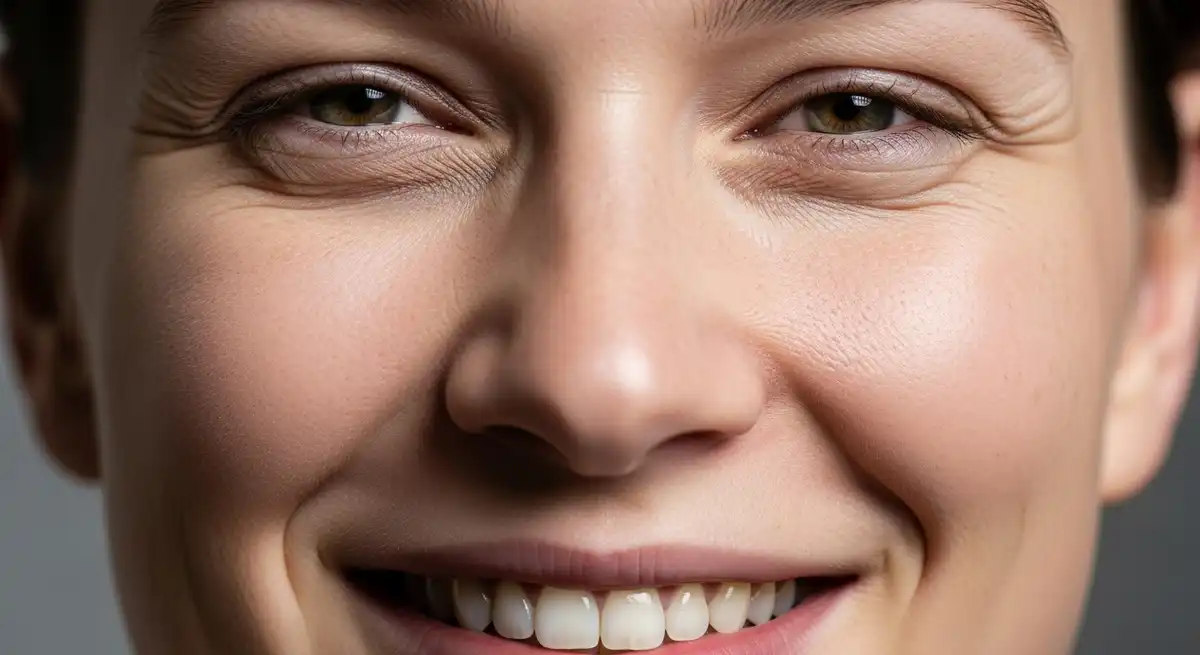
Authenticity strongly affects how smiles are perceived. Social psychology research often distinguishes between relaxed, genuine smiles and polite expressions. Genuine smiles typically involve both mouth and eye muscles, which observers associate with sincerity.
Trust is often built through nonverbal cues that signal safety. Smiling contributes by reducing perceived social distance. In everyday interactions, such as teamwork or community settings, a genuine smile can support smoother communication.
Authenticity also means recognizing when smiling is not appropriate. Emotional situations that require seriousness benefit from presence rather than positivity. Responsible wellness guidance emphasizes context awareness.
Smiling Within Professional and Leadership Contexts
In professional environments, smiling is often discussed as part of emotional intelligence. Leaders who smile appropriately are commonly perceived as approachable and open to dialogue. This perception can support team trust when paired with consistency and fairness.
Smiling in leadership does not mean constant cheerfulness. It functions as a nonverbal signal that encourages psychological safety. Used thoughtfully, it supports collaboration without minimizing challenges.
For working parents and professionals, balancing warmth and authority is ongoing. Smiling can soften interactions while maintaining clarity. This perspective aligns with realistic leadership development.
Smiling and Emotional Memory
Smiling has been studied in relation to emotional memory and perception. Some findings suggest smiling during experiences may influence recall toward a more positive framing. This effect is often referred to as positivity bias in psychology education.
The influence on memory does not imply distortion. It reflects how emotional tone shapes recall. Smiling during neutral moments may support balanced emotional memory over time.
Individual differences influence these effects, including personality and culture. Wellness education presents this as general insight, not a predictable outcome.
Cultural Perspectives on Smiling
Cultural norms shape how smiling is interpreted. In some societies, smiling at strangers signals friendliness, while in others it may raise caution. These differences reflect social history and trust norms.
Understanding cultural context prevents misunderstanding. Smiling remains valuable, but its use should align with local expectations. This awareness supports respectful communication in diverse environments.
Wellness content that acknowledges nuance avoids universal assumptions. Smiling is presented as adaptable rather than prescriptive.

Smiling as a Supportive Habit for Parents
Parenting involves frequent emotional transitions. Smiling can serve as a stabilizing behavior during routine moments. Many parents observe that calm, natural smiles contribute to a more settled family environment.
Children are responsive to facial expressions and nonverbal cues. Smiling often communicates reassurance and availability, supporting emotional security. This effect is observational and supportive.
Smiling does not require emotional suppression. Authentic expression remains essential. Wellness guidance encourages natural responses rather than constant positivity.
Smiling and Working-Life Balance
Working adults often experience time pressure and multitasking. Smiling during brief interactions may help soften these demands. This habit supports connection without adding tasks.
Smiling can also signal self-compassion during difficult moments. A gentle smile may mark a pause that allows attention to reset. This aligns with stress awareness practices in workplace wellness.
Consistency matters more than intensity. Smiling occasionally and naturally fits better into sustainable routines.
Safe and Responsible Use of Smiling in Wellness
Smiling should not be used to dismiss emotional difficulty. Forced positivity can reduce emotional awareness. Smiling works best when it complements honest emotional recognition.
Smiling is not a treatment for mental health conditions. Persistent distress requires professional care. This distinction maintains ethical boundaries.
Framing smiling as a supportive habit reinforces balanced expectations. It remains accessible, gentle, and adaptable.
Expanded Everyday Applications of Smiling
Smiling during greetings often sets a welcoming interaction tone. This includes workplaces, schools, and community settings. The signal is simple and nonverbal.
Using smiling during appreciation reinforces social connection. Combined with acknowledgment, it strengthens cooperation. This supports everyday relationship building.
Smiling during task transitions may help mark mental shifts. This approach supports focus without structured techniques.
Smiling in Digital and Virtual Communication
Digital communication lacks many nonverbal cues. Smiling during video calls conveys warmth and attention. This reduces misinterpretation.
Even in audio communication, facial expression can influence tone. Awareness of smiling may subtly shape delivery. Communication training often notes this effect.
As virtual interaction increases, these cues gain importance. Smiling helps humanize digital spaces.
Long-Term Perspective on Smiling and Wellbeing
Smiling alone does not create wellbeing. Over time, repeated small behaviors influence social environments. Effects are often seen in relationships.
Wellbeing frameworks emphasize layered habits. Smiling fits as one supportive behavior among many. Its value lies in consistency.
This perspective prevents unrealistic expectations. Smiling becomes part of everyday living.
Frequently Asked Questions
Does smiling actually influence emotional state.
Smiling is commonly associated with small shifts in emotional awareness due to facial feedback mechanisms. Research suggests it may gently influence mood rather than create happiness. Smiling is viewed as a supportive behavior within daily routines, not a guaranteed emotional change.
Is smiling helpful during stressful moments.
Smiling is often used as a calming signal during mild stress situations. Research on stress recovery suggests it may support quicker return to baseline states. It is considered a gentle aid rather than a stress management technique.
What happens in the body when someone smiles.
Smiling involves facial muscle activity that sends sensory feedback to the brain. This process is associated with neurotransmitters involved in mood balance. Effects are modest and vary between individuals.
Is a forced smile still useful.
Forced smiling may feel draining for some people. Wellness guidance encourages relaxed expressions instead. Authenticity is considered more supportive for emotional balance.
Why are smiles often described as contagious.
Smiles are linked to mirror neuron activity that supports social imitation. This helps people reflect observed expressions. The effect supports bonding rather than control.
Are there situations where smiling is inappropriate.
Certain emotional contexts require seriousness and presence. Smiling during grief or conflict may feel dismissive. Awareness of context supports respectful interaction.
Can smiling replace other wellbeing practices.
Smiling does not replace other lifestyle supports. It complements habits such as rest and communication. Integrated approaches are emphasized.
Does culture affect how smiling is perceived.
Cultural norms influence smiling interpretation. Some cultures expect frequent smiling, others do not. Context awareness is important.
Is smiling recommended for children.
Children often respond positively to natural, reassuring smiles. Smiling supports emotional security when paired with communication. It does not replace guidance.
How often should someone smile intentionally.
There is no recommended frequency. Smiling is most effective when natural and appropriate. Forced repetition is discouraged.
Editorial Conclusion
The power of smiling lies in its simplicity and adaptability. As a supportive lifestyle behavior, it contributes to emotional awareness, social connection, and stress sensitivity without demands. When used authentically and responsibly, smiling remains a small yet meaningful part of balanced wellbeing routines.
Medical Disclaimer
This content is for informational purposes only and does not constitute medical advice. It is not intended to diagnose, treat, cure, or prevent any condition. Consult a qualified healthcare provider regarding any health concerns or before making lifestyle or wellbeing changes.
Prompt 1 – Featured Image: A diverse group of adults in a natural outdoor setting, mid conversation, sharing relaxed, genuine smiles. Photorealistic editorial style, soft morning light, neutral earth tones with gentle greens and blues. Calm, authentic mood. Horizontal composition, shallow depth of field, professional wellness magazine quality.
Prompt 2 – Supporting Concept Image: Close up of a relaxed human face showing a genuine Duchenne smile, subtle eye engagement visible. Clean background, soft natural lighting, instructional clarity. Photorealistic style, neutral palette, medical illustration precision combined with warmth.
Prompt 3 – Inspirational Image: An individual walking calmly through a city park at golden hour, gentle smile, relaxed posture. Lifestyle photography style, warm light, natural colors, realistic and approachable mood. Horizontal framing with space for text overlay.
For wider background on this, see the National Heart, Lung, and Blood Institute on sleep.