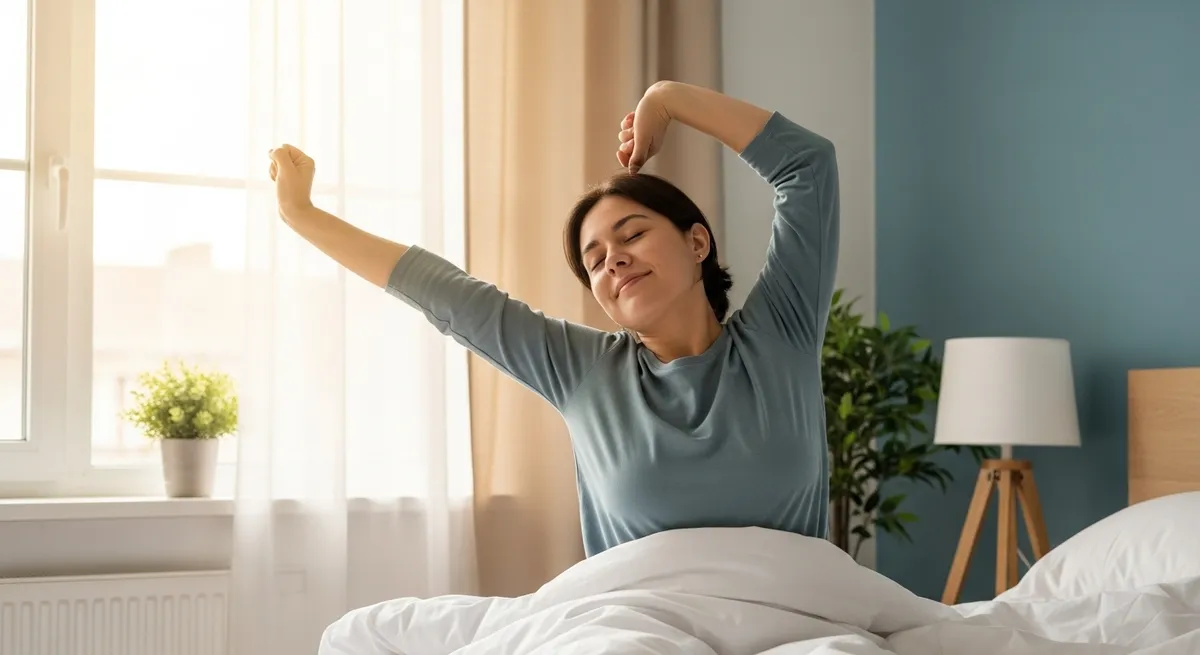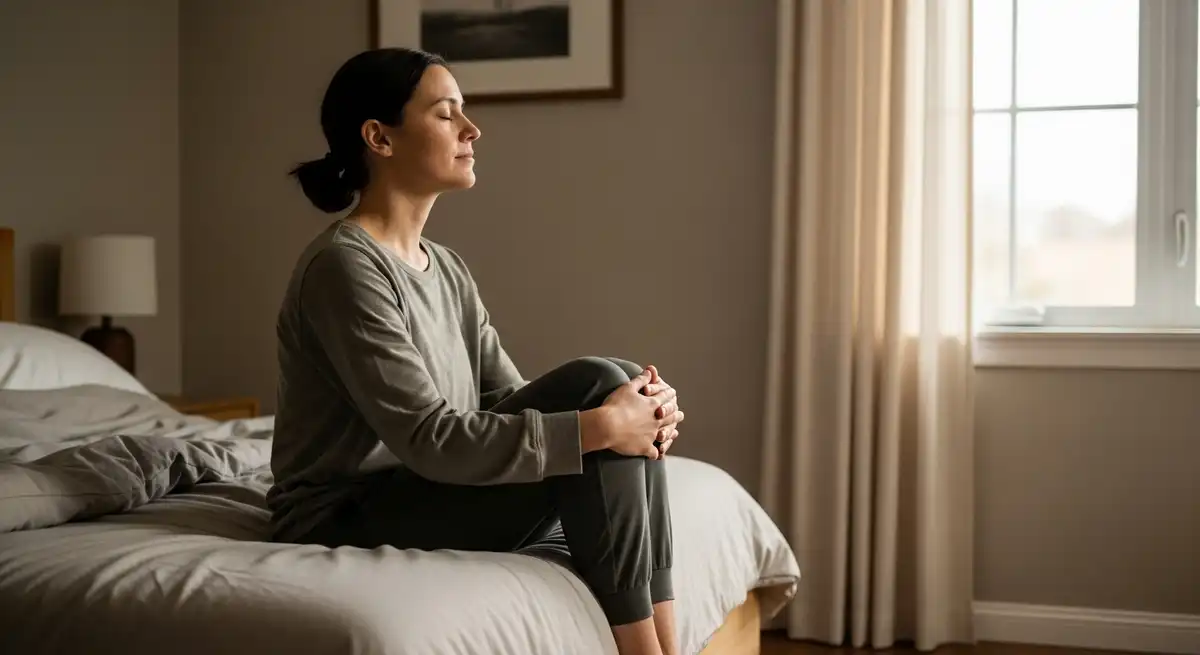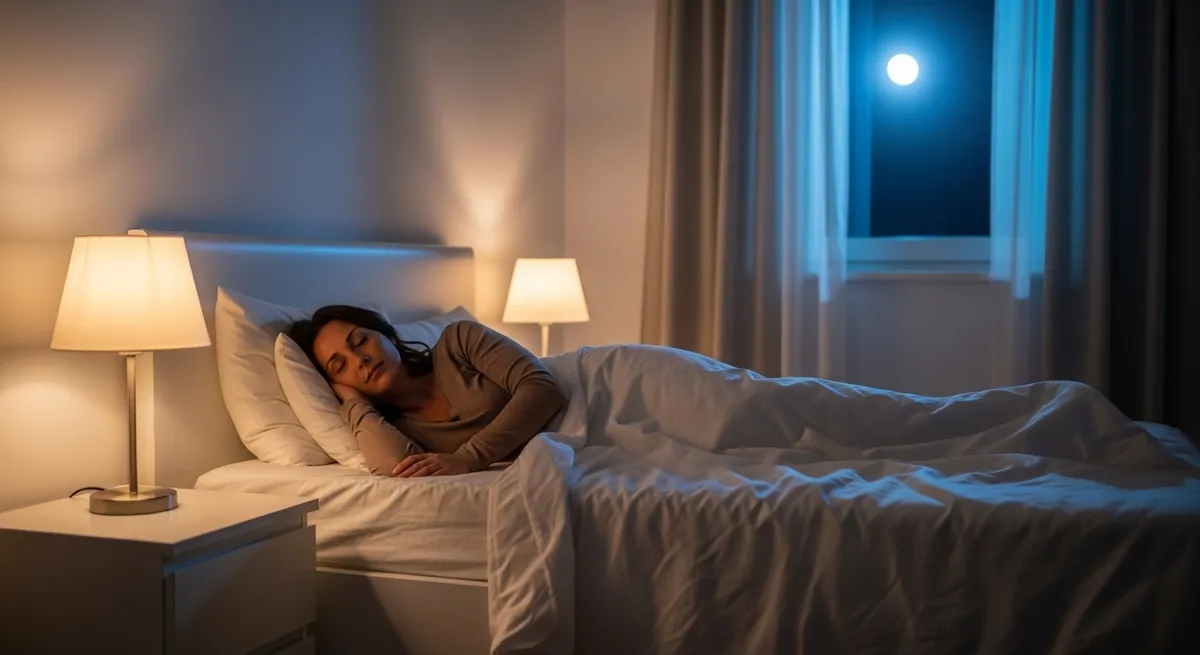
Many people reach bedtime feeling physically tired but mentally alert, with thoughts continuing to move even in a quiet room. This experience is widely described in modern routines where daily responsibilities extend into the evening. Gentle mental practices such as affirmations are often used to support a calmer transition into rest without creating pressure.
19 Affirmations for Night Relaxation: Understanding Night Relaxation and Affirmations
Affirmations for night relaxation are simple, repeated statements that support a calmer mental state before sleep. They are often used as part of a bedtime routine to reduce mental noise and encourage emotional settling. Many people include them as a daily habit to create a smoother shift from activity into rest.
This approach is linked with how repeated thoughts can influence mental patterns over time. When phrases are practiced regularly, they may begin to feel more familiar and easier to accept. This familiarity can support a more relaxed mindset at night without forcing the mind to become quiet immediately.
Why Nighttime Feels Mentally Active
Evening quietness often allows unfinished thoughts from the day to become more noticeable. Without daytime distractions, the mind may revisit conversations, responsibilities, or future plans. This pattern is a common experience and does not necessarily indicate a problem.
Daily routines filled with constant input can delay emotional processing until later hours. When the environment becomes calm, the mind naturally shifts toward reflection. Recognizing this pattern can reduce frustration and make it easier to introduce calming practices like affirmations.
How Affirmations Support Relaxation
Affirmations introduce steady, calming language that contrasts with fast or repetitive thinking. This gentle repetition can help redirect attention away from problem-solving toward rest. Over time, the mind may begin to associate these phrases with relaxation.
Pairing affirmations with slow breathing can deepen their effect. Breathing patterns influence the body’s relaxation response, helping reduce physical tension. When combined, these practices support both mental and physical calmness before sleep.
Building a Nighttime Routine with Affirmations
A consistent bedtime routine helps signal the body that it is time to wind down. Simple actions such as dimming lights or reducing screen exposure can support this transition. Adding affirmations creates a structured mental step that complements these physical cues.
The routine does not need to be long to be helpful. Even a few minutes of quiet repetition can create a sense of closure for the day. With regular practice, the mind may begin to associate these steps with rest and relaxation.
The 19 Affirmations for Night Relaxation Explained
1. I release the heaviness of today
This affirmation supports the idea of mentally closing the day and letting go of accumulated experiences. Many people carry emotional or mental weight into the night without realizing it. Repeating this phrase can help create a sense of completion and reduce lingering tension.
2. I forgive everything and everyone
Unresolved emotions can continue to occupy mental space during quiet moments. This affirmation encourages emotional release without focusing on specific situations. Practicing it regularly can help reduce internal tension and support a calmer mindset before sleep.
3. I have permission to fall asleep
Sleep can sometimes feel like a task that needs to be achieved quickly. This affirmation shifts the focus from pressure to permission. It creates a more relaxed approach to bedtime, which may support easier sleep over time.
4. I do not need to solve everything tonight
The mind often shifts into problem-solving mode when external distractions are reduced. This affirmation introduces a boundary between daytime thinking and nighttime rest. It reminds the mind that unresolved matters can be addressed later.
5. Even if my mind is busy, my body can rest
Mental activity does not always prevent physical relaxation. This affirmation separates thinking from resting. It encourages the body to relax even if thoughts continue, which can reduce frustration around sleep.
6. I am light enough for sleep to carry me
This affirmation uses imagery to support a sense of ease. Visualizing lightness can help reduce physical tension and slow breathing. Many people find that this approach creates a softer transition into sleep.
7. My bedroom is a place of peace
The environment plays an important role in relaxation habits. This affirmation reinforces a mental connection between the bedroom and calmness. Over time, this association may support a quicker shift into a restful state.

8. I am grateful for the quiet of night
Silence can feel unfamiliar or uncomfortable in a busy lifestyle. This affirmation reframes quietness as supportive rather than unsettling. Gratitude practices are often used to shift attention toward calm and acceptance.
9. With every breath, I feel calmer
Breathing awareness is a common part of relaxation practices. This affirmation connects attention to slow, steady breathing. It supports a gradual shift toward physical and mental calmness.
10. I trust my body to restore itself
The body naturally engages in recovery processes during rest. This affirmation encourages trust in those processes. It can help reduce worry about sleep and support a more relaxed mindset.
11. I am not failing if I am awake
Frustration around sleep can increase mental tension. This affirmation removes the idea of failure from being awake. It supports acceptance, which may reduce pressure and make rest feel more accessible.
12. I am stronger than this emotion
Emotions may feel more intense at night due to reduced distractions. This affirmation creates a sense of emotional distance. It helps support stability without dismissing feelings.
13. I naturally have peaceful dreams
This affirmation introduces a gentle expectation of calm sleep experiences. It focuses on the quality of rest rather than the effort of falling asleep. Many people find it supports a more positive mindset at bedtime.
14. My worth is not based on productivity
Daily routines often connect self-worth with output or achievements. This affirmation separates personal value from productivity. It supports a more balanced perspective that allows rest without guilt.
15. I move in harmony with natural rhythms
Sleep patterns are influenced by natural cycles such as light and darkness. This affirmation reinforces alignment with those rhythms. It can support consistency in sleep habits over time.
16. I am learning to love myself daily
Self-compassion plays a role in emotional balance. This affirmation encourages a supportive internal tone. Over time, it may reduce self-critical thinking and support relaxation.
17. It is safe to let go of today
A sense of safety is closely linked with the ability to relax. This affirmation reassures the mind that there is no immediate need for alertness. It supports a smoother transition into rest.
18. Rest nourishes me, even without sleep
Rest can still provide value even when sleep is delayed. This affirmation removes pressure to fall asleep quickly. It supports a calmer approach to bedtime.
19. I am allowed to be human
This affirmation emphasizes acceptance of imperfection and daily variation. It supports a balanced perspective on personal experiences. Many people find it helps create a more relaxed mental space.
Mindfulness and Lifestyle Principles for Night Relaxation
Mindfulness involves observing thoughts without reacting strongly to them. This approach is often included in nighttime routines to reduce mental intensity. By noticing thoughts without engaging with them, individuals can create a sense of distance.
Simple practices such as focusing on breathing or body awareness are commonly used. These methods are accessible and require no special tools. Over time, they can support a more balanced approach to rest and relaxation.

Relevance for Parents and Working Individuals
Parents and working individuals often carry responsibilities that extend beyond regular hours. This can make it harder to switch off mentally at night. Short practices like affirmations can fit into busy routines without requiring significant time.
Consistency tends to matter more than duration in these situations. Even a few minutes of calm repetition can create a sense of closure. This makes affirmations a practical option for those balancing multiple roles.
Supporting Relaxation with Simple Techniques
Physical relaxation techniques are often paired with affirmations to enhance their effect. Gentle muscle relaxation or slow breathing can support the body’s natural shift toward rest. These approaches are widely included in general sleep hygiene practices.
Journaling is another method used to reduce mental clutter before bedtime. Writing down thoughts can help create a sense of completion for the day. When combined with affirmations, it supports both mental and emotional settling.
Frequently Asked Questions
Do affirmations work while you are sleeping
Affirmations are generally practiced before sleep rather than during sleep. This timing aligns with a period when the mind is more open to calming input. Consistent use before bedtime is often associated with better integration into nightly routines.
What is the most powerful affirmation for sleep
There is no single affirmation that works for everyone in the same way. Effectiveness often depends on how comfortable and relatable the statement feels. Simple and believable phrases are usually easier to practice consistently.
How can I calm my mind before bed
Calming the mind before bed often involves reducing stimulation and creating a predictable routine. Practices such as dim lighting, slow breathing, and affirmations are commonly used. These steps support a gradual transition into rest.
How do you practice affirmations for deep relaxation
Affirmations are usually repeated slowly in a quiet environment. Pairing them with breathing or stillness can improve focus. Practicing regularly is often more helpful than focusing on duration.
Why do I get racing thoughts at night
Racing thoughts often become noticeable when external distractions are reduced. The mind may revisit unresolved ideas or plans. This is a common experience and can be supported with calming routines.
Can affirmations help with chronic insomnia
Affirmations are generally used as supportive practices rather than treatments. They may help reduce mental tension linked with sleep difficulties. Persistent concerns are often addressed with broader lifestyle or professional support.
How many times should I repeat a sleep affirmation
There is no fixed number required for repeating affirmations. Many people repeat them for a few minutes as part of their routine. Consistency is usually more important than exact repetition counts.
What are some believable affirmations for anxiety
Believable affirmations often use simple and realistic language. Statements focused on gradual calmness are commonly used. This approach can feel easier to accept and practice.
Is it better to say affirmations out loud or silently
Both methods are commonly used depending on personal comfort. Silent repetition is often preferred at night for convenience. The effect usually depends on focus rather than the method itself.
How long does it take for sleep affirmations to work
The experience can vary between individuals. Some people notice a sense of calm quickly, while others observe gradual changes over time. Regular practice is commonly linked with more consistent results.
Conclusion
Night relaxation is not about forcing the mind to stop thinking but about creating conditions that support calmness. Affirmations offer a simple and structured way to guide attention toward rest. With regular use, they can become a familiar part of a balanced nighttime routine.
Medical Disclaimer
This content is for informational purposes only and does not constitute medical advice. Consult a qualified healthcare provider before starting any new wellness routine, especially if you have existing health conditions or ongoing sleep-related concerns.
Image Generation Prompts
For wider background on this, see the Greater Good Science Center at UC Berkeley.