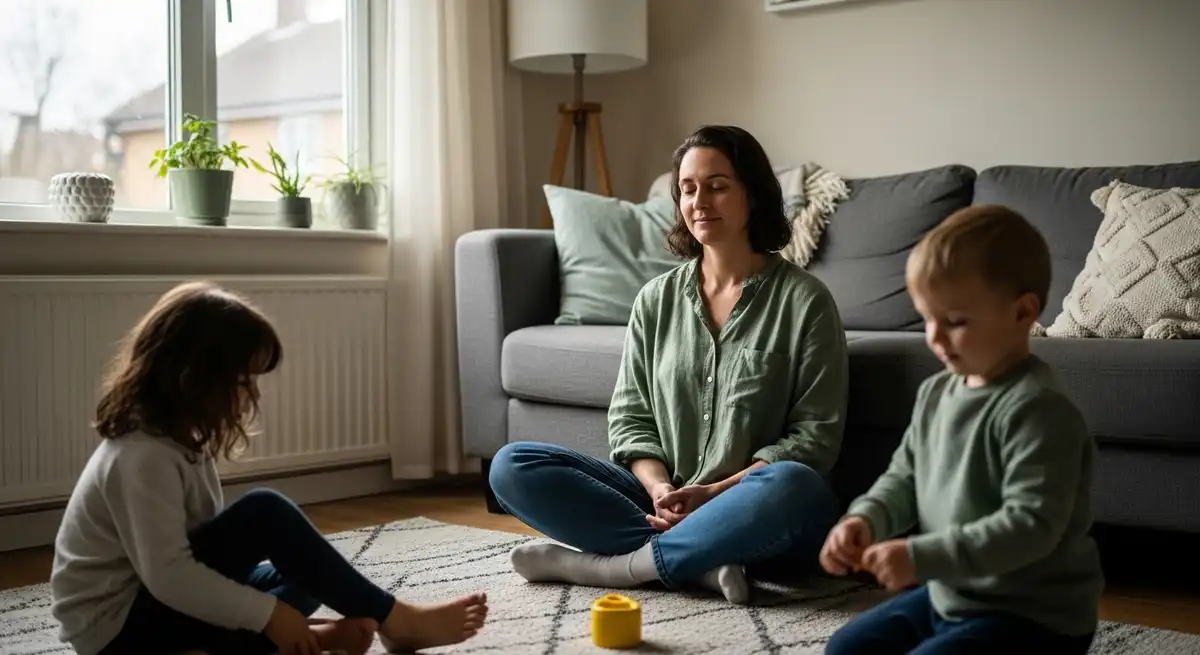
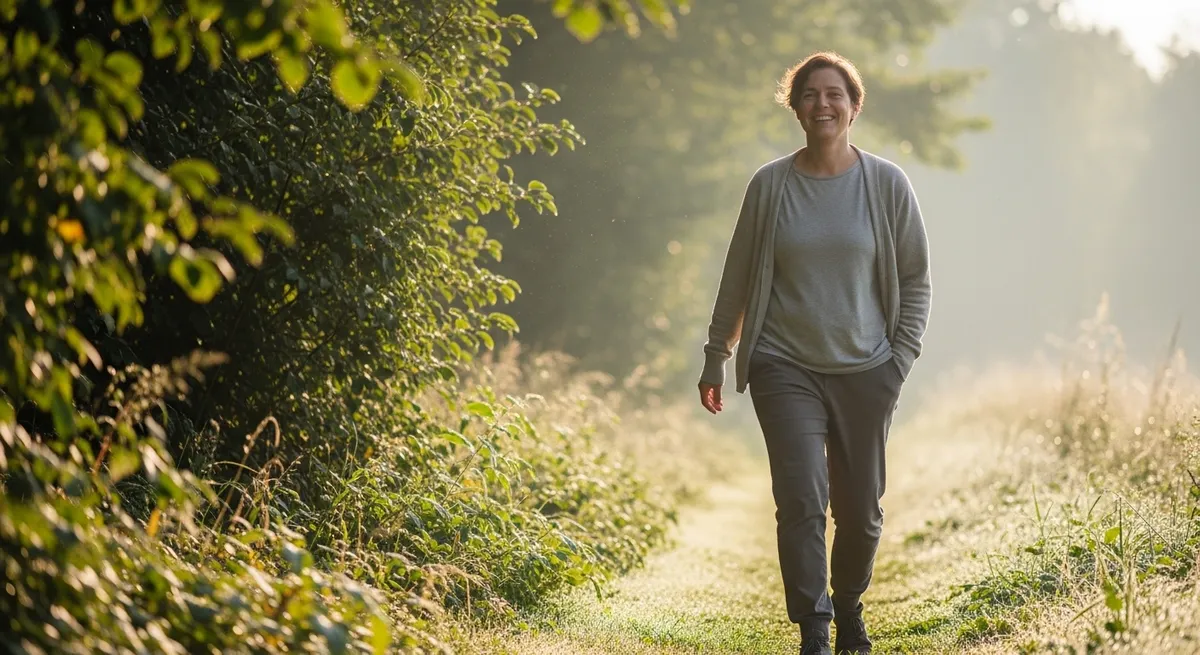
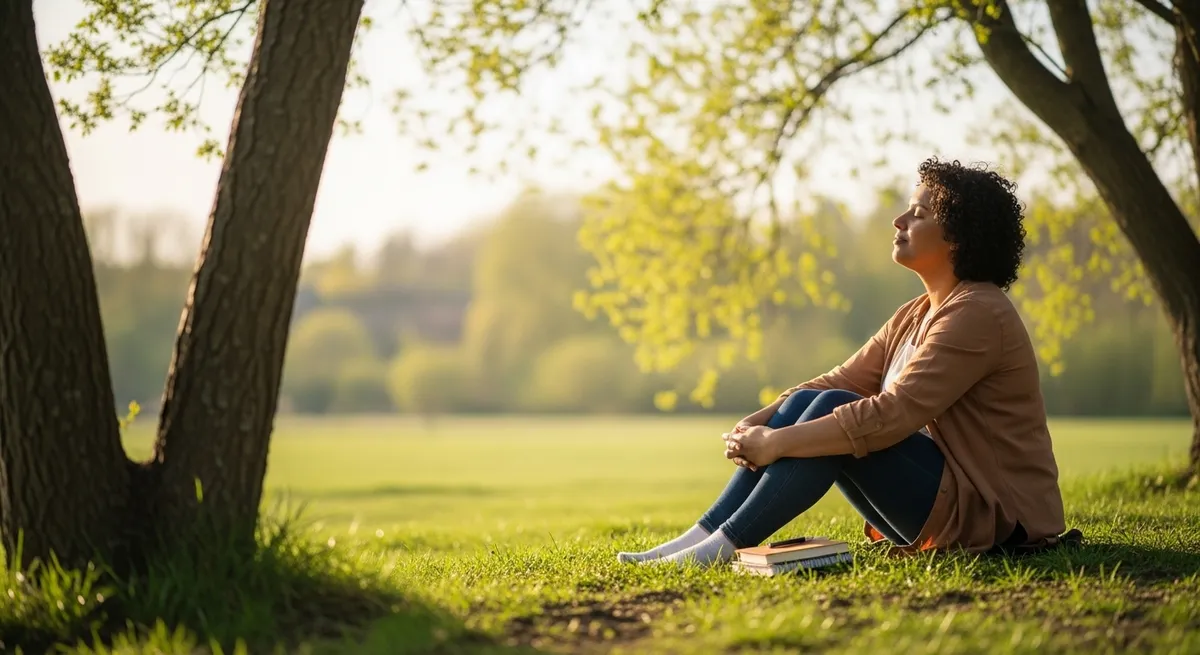
Modern daily routines often place steady demands on attention, emotional regulation, and decision-making. Many people notice that even after work hours, their minds remain busy, making rest feel incomplete. Relaxing hobbies that melt away stress are commonly used as everyday lifestyle supports because they create intentional pauses where attention softens without requiring silence, performance, or emotional analysis.
These hobbies are typically activities that engage the senses or hands while allowing thoughts to settle naturally. Unlike passive scrolling or background entertainment, they invite gentle participation that feels contained and predictable. Over time, this kind of engagement is often associated with improved focus, steadier moods, and a more settled transition between work and personal life.
Relaxing hobbies that melt away stress are best understood as maintenance practices rather than quick relief tools. They are usually practiced without pressure or outcome expectations, which makes them easier to sustain during busy weeks. This quality makes them especially suitable for parents, caregivers, and working adults managing limited personal time.
Relaxing Hobbies That Melt Away Stress: Understanding How Relaxing Hobbies Support Mental Balance
Relaxing hobbies that melt away stress are commonly associated with a shift in attention away from repetitive internal thoughts. Neuroscience research often describes this shift as movement from self-focused mental activity toward task-focused engagement. When attention rests on a manageable activity, the mind has fewer opportunities to cycle through worry or anticipation.
This redirection of focus sends subtle signals of safety to the nervous system. Many calming hobbies involve predictable movements or familiar sensory input, which lifestyle educators associate with reduced mental urgency. Over time, these repeated signals support a steadier baseline of emotional regulation within daily routines.
These effects are supportive and educational rather than therapeutic. Relaxing hobbies do not diagnose, treat, or resolve mental health conditions. They function as everyday practices that help people feel more grounded while continuing with normal responsibilities and professional care when needed.
Flow States and Gentle Absorption
Flow states describe periods of deep involvement where attention narrows to the activity at hand. Relaxing hobbies that melt away stress often encourage this experience by offering clear structure and manageable challenge. During flow, awareness of time and external pressures often fades, allowing mental rest without effort.
Wellness educators note that flow does not require skill or creative talent. Simple activities such as coloring, knitting, or light gardening support flow because the rules are clear and the outcomes are not judged. This accessibility allows people to experience absorption without fear of failure.
Repeated experiences of flow support emotional steadiness in everyday contexts. With consistency, many people notice it becomes easier to return to calm after stressful moments. These changes develop gradually and depend more on regular practice than duration.
Chemical Responses and Emotional Reward
Engaging in relaxing hobbies that melt away stress is often associated with gentle dopamine release. Dopamine supports motivation and satisfaction, especially when effort leads to visible progress or completion. Small accomplishments within hobbies provide closure that many daily tasks do not offer.
This type of reward differs from stimulation driven by constant alerts or digital novelty. Creative or tactile hobbies tend to produce slower, steadier feedback that feels settling rather than activating. This helps explain why people often feel calmer after hobby time rather than restless.
Over time, these reward patterns encourage consistent engagement without emotional dependence. The activity becomes linked with steadiness and comfort instead of urgency. This association supports long-term habit formation without pressure.
Physical Stress Signals and Lifestyle Calm
Relaxing hobbies that melt away stress often involve subtle physical responses such as slower breathing and relaxed posture. Gentle movement and sensory focus reduce signals of urgency within the body. These physical cues help the nervous system shift toward a calmer state during everyday activities.
Lifestyle research frequently associates activities like gardening or walking with lower perceived stress levels. The benefits are usually attributed to rhythm, predictability, and sensory engagement rather than physical exertion. This makes these hobbies accessible across age groups and fitness levels.
Physical comfort plays a meaningful role in mental ease. Activities that allow natural movement, touch, or warmth often feel intuitively soothing. This reinforces the idea that calm is supported through bodily experience as much as mental focus.
Nature-Based Hobbies and Mental Clarity
Nature-based relaxing hobbies that melt away stress encourage attention to move outward rather than inward. Gardening, bird observation, and time spent outdoors are commonly linked with calmer mood states. Natural environments offer varied but non-threatening sensory input that supports regulation.
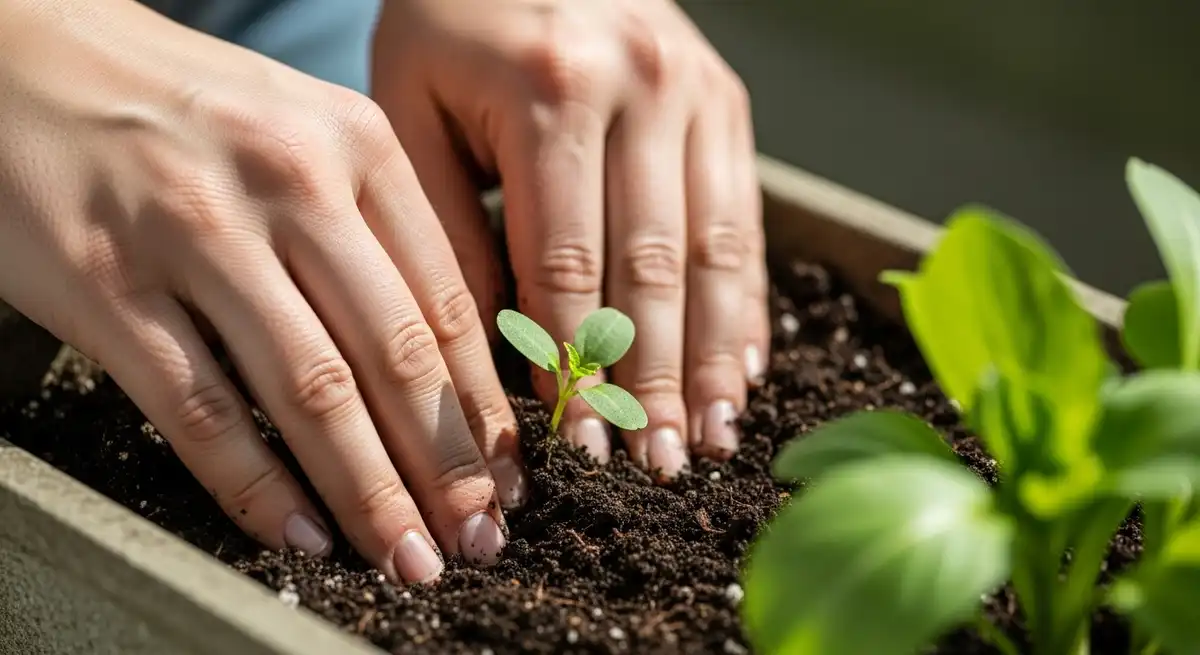
Gardening is often associated with emotional steadiness because it combines movement, care, and visible growth. Tending plants creates a sense of continuity and patience without urgency. Even small gardening setups provide these supportive elements.
Birdwatching promotes stillness paired with gentle alertness. Observing movement and sound naturally quiets internal dialogue. Many people find this hobby approachable because it requires minimal equipment and fits into short breaks.
Forest Exposure and Sensory Immersion
Forest bathing, also known as shinrin-yoku, involves slow, mindful presence in wooded areas. The practice emphasizes sensory awareness rather than exercise or goals. Research often associates forest exposure with calmer mood and reduced mental fatigue.
The unhurried pace of forest bathing contrasts with performance-oriented outdoor activities. Attention rests on textures, light, and sound rather than distance or speed. This allows relaxation without structured meditation techniques.
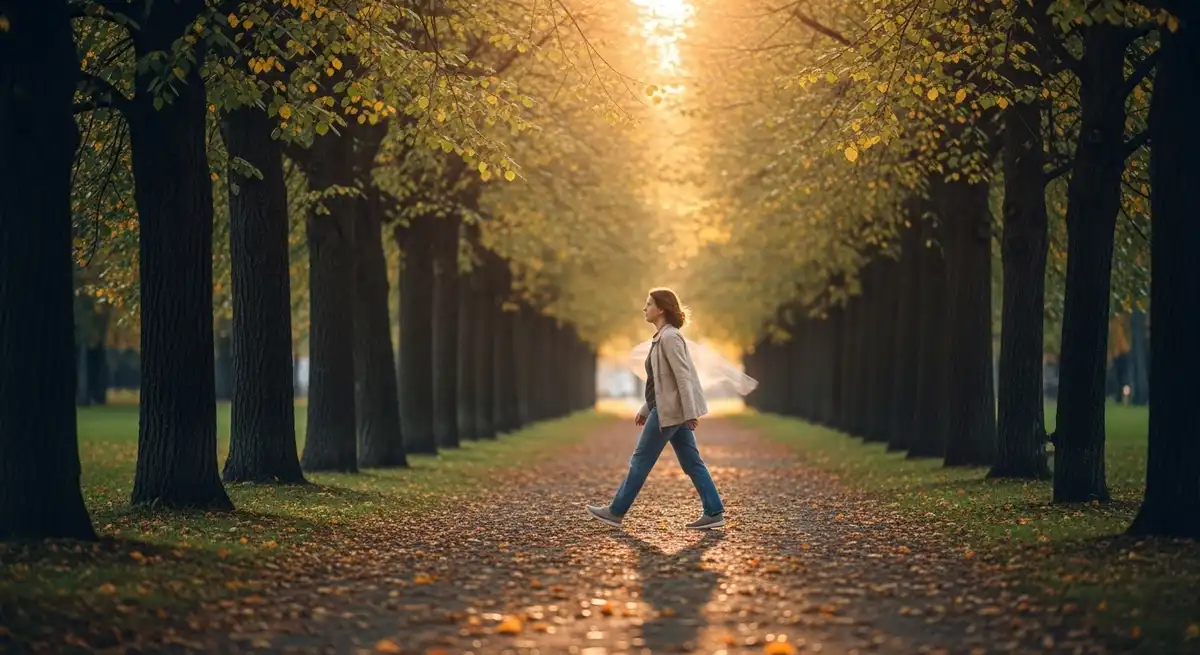
Urban environments can adapt similar principles in parks or tree-lined spaces. The key element is intentional sensory engagement rather than location. This flexibility allows nature-based calm across different living situations.
Creative Expression as Everyday Support
Creative relaxing hobbies that melt away stress provide a form of expression without verbal explanation. Drawing, painting, and crafting allow attention to rest on process rather than interpretation. This makes creative hobbies accessible during emotionally complex periods.
Drawing encourages observation and coordination between eye and hand. Translating what is seen onto paper naturally slows attention and reduces mental multitasking. Artistic skill is not required for the calming effect.
Creative hobbies also leave visible reminders of time spent calmly. Finished pieces reinforce presence and completion. This tangible outcome can feel grounding in routines dominated by abstract tasks.
Repetitive Crafts and Rhythmic Calm
Knitting and crochet are frequently described as relaxing hobbies that melt away stress due to their rhythmic structure. The repetition of stitches supports steady attention and relaxed breathing. Many people describe these activities as comforting rather than stimulating.
Occupational wellness literature often notes that repetitive crafts allow mental rest while keeping the hands busy. This balance reduces the urge to multitask. It supports focus without demanding creativity or decision-making.
These crafts adapt easily to different environments. Knitting can be practiced alone, socially, or during quiet observation. This flexibility makes it suitable for shared households and busy schedules.
Tactile Activities and Grounded Attention
Pottery and clay-based activities emphasize direct contact with materials. Tactile focus anchors attention in sensation rather than thought. This grounding quality is often valued during mentally crowded periods.
Working with clay requires continuous feedback between hands and material. Texture, resistance, and movement draw awareness into the present moment. This sensory engagement supports calm without structured relaxation methods.
Access to full pottery studios is not necessary. Simple air-dry clay or basic sculpting tools offer similar benefits. The focus remains on touch rather than outcome.
Structured Coloring and Visual Order
Adult coloring is widely used as a relaxing hobby that melts away stress because it reduces mental effort. Predefined patterns limit decision-making and planning. This structure is helpful during fatigue or overwhelm.
Research on art-based activities often links symmetry and repetition with calming effects. Coloring within patterns creates visual order that contrasts with daily unpredictability. This supports emotional steadiness.
Coloring sessions are typically brief and portable. They fit easily into breaks or evening routines. Regular short sessions tend to be more helpful than occasional long ones.
Mandalas and Centered Focus
Mandalas are circular designs traditionally used for reflection. Creating or coloring mandalas encourages centered focus through repetition. Many people associate this process with feelings of containment and balance.
The circular form gently narrows attention without demanding effort. This supports mental quiet through structure rather than discipline. Mandalas function as calming tools rather than spiritual practices.
They can be used in printed, digital, or hand-drawn formats. The medium matters less than the repetitive, centered process. This adaptability supports consistent use.
Hygge and Sensory Comfort at Home
Hygge describes a lifestyle approach centered on comfort, simplicity, and shared ease. Hygge-inspired relaxing hobbies that melt away stress focus on creating environments that feel safe and welcoming. Soft lighting and familiar routines support this atmosphere.
These practices are often integrated into daily life rather than treated as special events. Reading, quiet conversation, or gentle crafting commonly form part of hygge routines. The emphasis is emotional ease rather than productivity.
Sensory comfort includes clothing and physical surroundings. Cozy fabrics and familiar objects signal relaxation to the nervous system. This supports calm through environment rather than effort.
Shared Calm and Social Ease
Shared relaxing hobbies that melt away stress support connection without emotional intensity. Activities like casual cooking or knitting circles allow presence without pressure to talk. This reduces social fatigue.
Lifestyle educators note that low-demand interaction supports emotional wellbeing. Being together without performance expectations fosters comfort. This is helpful for parents and working adults with limited energy.
Shared calm can also happen quietly in the same space. Parallel activities provide connection without conversation. The focus remains ease and familiarity.
Movement-Based Calm Without Stillness
Some people find seated meditation uncomfortable or frustrating. Movement-based relaxing hobbies that melt away stress offer alternatives aligned with natural energy. Walking, swimming, and gentle movement are often used this way.
Walking meditation emphasizes awareness of physical sensation rather than stillness. Attention rests on steps and breath. This supports focus without mental strain.
Swimming provides rhythmic movement and steady breathing. Many people find the water environment calming. The repetition supports regulation without complexity.
Gentle Movement and Safety Considerations
Yoga and tai chi are commonly practiced as calming movement rather than fitness routines. Slow transitions and steady breathing support relaxation. These practices are often framed as lifestyle supports.
Modifications are important for comfort and safety. People with health concerns are encouraged to adapt movements. Consulting qualified instructors supports safe participation.
Gentle movement hobbies support body awareness over time. Benefits depend on regular, mindful practice rather than intensity.
Intellectual Engagement and Pleasant Distraction
Intellectual relaxing hobbies that melt away stress include puzzles, reading, and light games. These activities occupy attention without emotional demand. Many people use them during mental fatigue.
Puzzles offer clear boundaries and predictable challenge. Completing sections provides satisfaction without competition. This structure reduces intrusive thoughts.
Reading provides immersion through narrative or learning. It offers distance from daily concerns while keeping the mind engaged. This balance supports relaxation.
Strategic Play and Cognitive Balance
Games like crosswords or Sudoku offer light mental stimulation. They engage problem-solving skills without urgency. Many people use them as mental resets.
Strategic play supports attention control and patience. Rules provide structure that limits wandering thoughts. This helps maintain calm engagement.
Approaching these games casually is key. The goal is engagement, not mastery. This keeps the experience relaxing.
Productive Hobbies and Tangible Outcomes
Productive relaxing hobbies that melt away stress combine creativity with visible results. Cooking, baking, and simple woodworking offer sensory engagement. These activities often fit naturally into daily life.
Cooking involves smell, texture, and timing. These elements draw attention away from mental clutter. Simple recipes support calm more than complex projects.
Tangible outcomes reinforce usefulness and care. Creating something practical provides closure. This supports emotional balance without added pressure.
Writing and Reflective Practices
Journaling and blogging are reflective hobbies used for clarity. Writing allows thoughts to be organized externally. This supports awareness without problem-solving.
Writing does not require skill or structure. Short notes or lists are sufficient. The value lies in expression, not quality.
These practices fit into brief routines. Even a few minutes supports closure. Over time, this encourages steadier emotional processing.
Sensory Resets and Brief Calm
Listening to music mindfully is a simple relaxing hobby that melts away stress. Attention to rhythm and melody redirects focus. Many people use music during transitions.
Aromatherapy is sometimes used as sensory support. Familiar scents can signal relaxation through association. These practices are environmental aids rather than treatments.
Stargazing encourages stillness and perspective. Observing the night sky slows breathing. This supports calm through visual focus.
Choosing a Suitable Relaxing Hobby
Selecting relaxing hobbies that melt away stress depends on preference and context. Lifestyle guidance emphasizes enjoyment and accessibility. These factors support consistency.
Visual learners may prefer art-based activities. Physically oriented people may choose movement. Matching style reduces resistance.
Budget and space matter. Many calming hobbies are low-cost. Simple options often work best.
Maintaining Consistency Without Pressure
Consistency develops through realistic expectations. Short sessions are easier to maintain. Regularity matters more than duration.
Motivation fluctuates. Breaking activities into small steps helps return after breaks. This supports continuity.
Community involvement can help. Casual sharing encourages engagement. The focus remains enjoyment.
Integrating Calm Into Daily Life
Relaxing hobbies that melt away stress work best as routine supports. Scheduling them alongside meals or rest reinforces habit. This prevents them feeling optional.
Parents and working adults benefit from portable activities. Ten minutes fits into real schedules. Small practices add up.
Viewing calm as maintenance supports balance. Hobbies become everyday care. This framing supports sustainability.
Expanded Frequently Addressed Topics
What are some good relaxing hobbies for high stress jobs?
Relaxing hobbies for demanding work environments often focus on simplicity and portability. Activities such as knitting, coloring, short walks, or puzzles fit into limited breaks. These hobbies are commonly used to reset attention without requiring emotional discussion or extended time away from responsibilities.
Can hobbies really reduce chronic stress levels?
Hobbies are often associated with reduced perceived stress when practiced regularly. Many people notice gradual changes in mood and focus over several weeks rather than immediate relief. These effects are linked to consistency and realistic expectations rather than intensity.
Why does gardening make you feel better mentally?
Gardening combines light movement, sensory focus, and care. The visible growth of plants provides continuity and reassurance. Many people find this process supports patience and presence within everyday routines.
Does knitting help with anxiety management?
Knitting is often used as a calming activity because of its repetitive rhythm. The steady motion supports focus without strain. Many people use knitting during quiet moments or shared spaces to encourage steadiness.
What is the most relaxing hobby overall?
No single hobby is universally calming. Effectiveness depends on preference, environment, and consistency. Enjoyment remains the most reliable indicator of suitability.
How do I make time for calming hobbies daily?
Time is often created by pairing hobbies with existing routines. Short sessions are widely considered enough. Regular integration supports follow-through.
Are relaxing hobbies helpful for adults with ADHD?
Many adults with attention differences prefer movement or tactile hobbies. These activities channel energy without requiring stillness. Flexibility supports sustained engagement.
Is birdwatching good for mental health?
Birdwatching encourages outward focus and observation. Attention shifts from rumination to curiosity. This is often experienced as calming and accessible.
How long before I feel benefits from calming hobbies?
Some people notice immediate relaxation, while steadier changes develop over weeks. Experiences vary. Consistency matters most.
Can relaxing hobbies replace therapy or medication?
Relaxing hobbies complement but do not replace professional care. They function as lifestyle supports. Professional guidance remains important for ongoing concerns.
Editorial Conclusion
Relaxing hobbies that melt away stress offer steady support within everyday life rather than dramatic change. These practices encourage presence, sensory engagement, and manageable focus without emotional demand. When integrated gently and consistently, calming hobbies contribute to balanced routines that respect real-world responsibilities and individual variation.
Medical Disclaimer
This content is for informational purposes only and does not constitute medical or mental health advice. It is not intended to diagnose, treat, cure, or prevent any condition. Always consult a qualified healthcare provider regarding medical or mental health concerns.
For wider background on this, see the National Heart, Lung, and Blood Institute on sleep.