
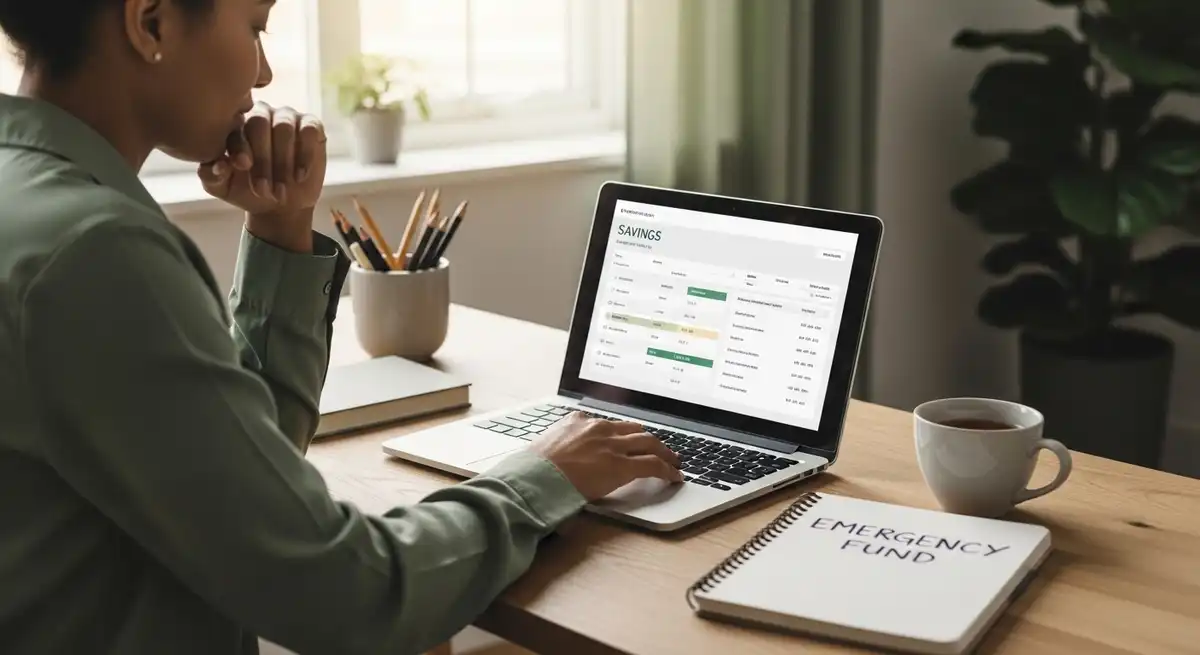
Unexpected expenses often create quiet tension because many households have little room for financial surprises. Even steady earners can feel unsettled when routine costs absorb most income, leaving limited flexibility. Learning how to build an emergency fund without the stress is commonly viewed as a practical lifestyle skill that supports steadier emotions, clearer thinking, and calmer responses when everyday disruptions occur.
Build emergency fund stress: Understanding Emergency Funds as a Lifestyle Support Tool
An emergency fund refers to money set aside for unplanned yet necessary expenses such as urgent home repairs, medical costs, or short-term income gaps. Wellness and financial educators describe it as a protective buffer rather than a growth tool, since its purpose centers on availability and reliability. This perspective helps people see saving as everyday preparation, not restriction.
Emergency funds are often linked with lower mental strain because uncertainty decreases once basic contingencies are covered. Behavioral finance research consistently connects even modest savings with improved feelings of control and stability. That sense of preparedness can support daily routines by easing background worry that interferes with focus, rest, and family interactions.
From a lifestyle standpoint, emergency savings are not about anticipating worst outcomes. They are generally understood as a supportive habit that allows households to respond calmly to normal disruptions. Treating emergency funds as part of lifestyle balance aligns financial habits with emotional steadiness rather than fear-driven planning.
Why Financial Stress Feels So Heavy in Daily Life
Financial pressure often feels overwhelming because it competes directly with essential responsibilities like caregiving, work demands, and household management. When money concerns feel urgent, mental energy shifts away from routine tasks, increasing fatigue and irritability. Many people experience this strain regardless of income level, since unpredictability often matters more than totals.
Decision science research shows that financial uncertainty raises cognitive load, making ordinary choices feel harder. Households without savings buffers tend to spend more time thinking about money during unrelated activities. This constant mental occupation can reduce patience, limit problem solving capacity, and affect emotional availability at home.
Understanding this pattern helps reframe emergency savings as stress reduction rather than delayed enjoyment. A modest buffer does not remove all financial challenges, but it often softens their impact. That softening supports steadier moods and more deliberate choices across work and family life.
The Value of Starting Small and Realistic
Many people postpone saving because traditional targets such as six months of expenses feel unreachable. Behavioral research shows that distant, large goals discourage action, while smaller milestones encourage participation. Starting with a manageable amount allows progress without overwhelming budgets or emotional capacity.
Financial wellbeing studies often highlight early milestones, especially savings around one to two thousand dollars. Individuals who reach this level frequently report reduced worry and greater confidence handling routine disruptions. These early gains reinforce the belief that saving is possible, even with limited flexibility.
Beginning small also respects modern living realities, particularly for parents and caregivers balancing multiple roles. Incremental goals fit more easily into daily routines and reduce feelings of deprivation. This approach supports consistency, which plays a larger role in long-term habits than intensity.
Reframing Emergency Savings as Peace of Mind
Emergency funds are sometimes viewed as idle money that could be used elsewhere. Lifestyle-focused guidance reframes this reserve as peace of mind rather than missed opportunity. Knowing that basic disruptions are covered allows people to focus more fully on work, relationships, and responsibilities.
This shift matters for households managing competing demands. Parents and caregivers often carry heightened stress during financial disruptions because others depend on their choices. Emergency savings offer reassurance that essentials remain covered, even during uncertainty.
When savings are seen as emotional infrastructure, resentment decreases. The fund becomes part of self-regulation rather than sacrifice. This mindset supports sustainable financial habits that align with overall lifestyle balance.
Structuring Emergency Funds for Practical Use
Emergency funds work best when they are accessible without being easily spent. Many households benefit from keeping emergency savings separate from daily checking accounts. This separation creates clearer mental boundaries and reduces impulse spending.
Lifestyle guidance often suggests dividing emergency money into layers, one portion readily accessible and another slightly less convenient. This balance supports quick response while encouraging thoughtful use. Funds remain available when truly needed but are protected from casual withdrawals.
Simple account structures also reduce management stress. High-yield savings accounts are commonly chosen for their liquidity, minimal fees, and modest interest. These features support readiness without unnecessary complexity.
The Role of Automation in Reducing Saving Stress
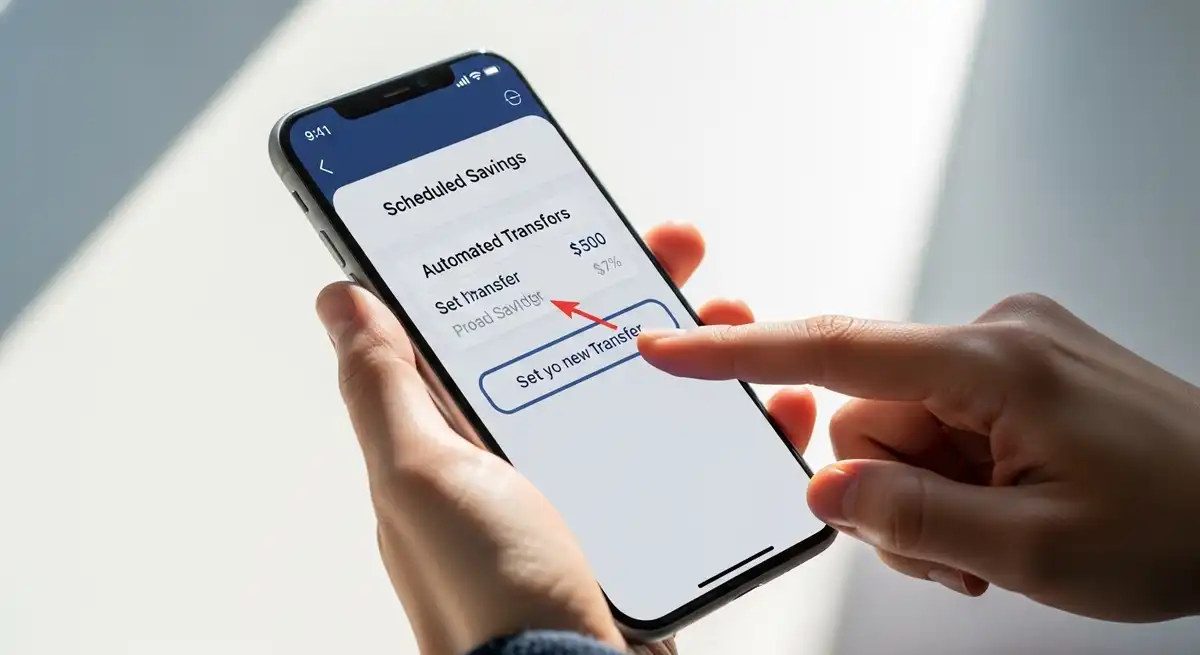
Automation is widely recognized as one of the most effective tools for consistent saving. Automatic transfers scheduled after income arrives reduce reliance on willpower and repeated decisions. Behavioral evidence shows that fewer choices increase follow-through over time.
Automated saving treats emergency contributions like routine household obligations. When transfers occur before discretionary spending, adjustments happen naturally. Many people adapt without feeling deprived, as habits shift gradually rather than abruptly.
For busy households, automation lowers administrative burden. Once systems are set up, saving becomes a background behavior instead of a recurring task. This simplicity supports long-term consistency and emotional ease.
Managing Emergency Savings While Living Paycheck to Paycheck
Living paycheck to paycheck presents real barriers to saving, yet many households still benefit from starting very small. Even modest contributions help establish the habit and create a sense of progress. That feeling of movement often matters more at first than the amount saved.
Financial educators often suggest reviewing discretionary spending gently rather than aggressively. Occasional redirection of small habitual expenses can seed emergency savings without major lifestyle changes. This approach respects limited margins while supporting gradual improvement.
Short-term income boosts such as refunds or bonuses are also used to strengthen emergency funds. Splitting windfalls between immediate needs and savings balances relief with preparation. This strategy avoids extremes and supports emotional sustainability.
Balancing Emergency Savings and Debt Obligations
Households managing debt often feel conflicted about saving at the same time. Many frameworks recommend building a small emergency buffer before focusing intensely on repayment. This buffer reduces the chance of new debt from minor disruptions.
High-interest debt does require attention because interest costs can outpace savings growth. After a modest emergency fund is in place, prioritizing expensive balances is commonly advised. This sequencing supports both financial stability and emotional reassurance.
Debt management alongside emergency savings works best when approached flexibly. Adjustments may be needed during income changes or family transitions. Viewing both goals as supportive rather than competing reduces guilt and rigidity.
Mindfulness Principles Applied to Financial Habits
Mindfulness in financial contexts refers to awareness and intention rather than detachment. Applied to emergency savings, it encourages noticing spending patterns without judgment. This awareness supports informed adjustments instead of reactive restrictions.
Many people find mindful expense tracking reveals habits rather than necessities. Recognizing these patterns allows gradual redirection toward savings without sudden deprivation. This approach supports steadier emotions and reduces resistance.
Mindfulness also shapes responses to financial setbacks. When emergencies occur, drawing from savings can be done calmly rather than with self-criticism. This nonjudgmental stance supports resilience and continuity.
Emotional Wellbeing and Family Stability
Emergency savings often support family wellbeing by reducing tension during unexpected events. When resources are available, conversations tend to stay practical instead of emotionally charged. This stability is especially valuable in households with children.
Caregivers frequently experience heightened stress during financial disruptions because dependents rely on their decisions. Emergency funds provide reassurance that essential needs remain covered. That reassurance supports calmer caregiving and clearer communication.
Over time, children may observe these behaviors and internalize lessons about preparation and balance. While not explicit teaching tools, emergency savings model steady problem solving. This modeling contributes to long-term household resilience.
Workplace Focus and Financial Preparedness
Financial stress often affects concentration and engagement at work. Employees managing ongoing money worries frequently report distraction and reduced productivity. Emergency savings are associated with improved focus because immediate threats feel less pressing.
This effect appears across income levels. Workers benefit from knowing basic disruptions are manageable. Reduced financial anxiety supports steadier performance and more consistent decision making.
Employers increasingly acknowledge links between financial wellbeing and productivity. While saving habits remain personal, emergency funds indirectly support professional stability. This connection reinforces their value as a lifestyle support tool.
Long Term Maintenance of Emergency Funds
Emergency funds need occasional review to stay effective. Expenses change with family size, housing, and healthcare needs. Periodic reassessment ensures the fund reflects current realities.
Maintenance does not require frequent changes. Many households review emergency savings annually or after major transitions. This low-maintenance approach keeps stress low while preserving relevance.
Interest rates and account features may shift over time. Occasional comparison helps ensure funds remain accessible and efficient. This flexibility supports ongoing financial calm.
Common Misunderstandings About Emergency Savings
A common misunderstanding is that emergency funds provide no benefit until a fixed target is reached. Evidence shows meaningful advantages appear well before traditional goals. This belief often discourages people from starting.
Another misconception is that emergency savings eliminate financial stress entirely. Savings reduce intensity and frequency of stress, but challenges still occur. Realistic expectations support satisfaction and consistency.
Emergency funds are also sometimes confused with discretionary savings. Clear purpose separation helps prevent misuse. Understanding these differences supports healthier financial habits.
Emergency Funds and Broader Lifestyle Balance
Financial habits interact with sleep, relationships, and daily routines. Reduced uncertainty often supports better rest by lowering late-night worry. This effect reinforces the wellness value of emergency savings.
Time management also improves when financial emergencies are less frequent. Fewer urgent decisions free time for family and self-care activities. This alignment supports balanced living.
Emergency funds function as part of a broader lifestyle system. They complement routines focused on stability, preparation, and emotional regulation. This integration supports long-term wellbeing.
Expanded Frequently Asked Questions
How much money is commonly recommended for an emergency fund
Most guidance suggests saving three to six months of essential expenses over time. Many people experience noticeable benefits with much smaller amounts. Starting with one month or a fixed modest sum supports stability while larger goals are built gradually.

Is saving for emergencies useful when income is irregular
Emergency savings are often helpful for irregular incomes because variability increases uncertainty. Even small buffers can smooth income gaps and reduce anxiety during lower earning periods. Consistent contributions during stronger months commonly support this approach.
Where are emergency funds typically kept
Emergency funds are usually kept in separate savings accounts that prioritize accessibility and security. High-yield savings accounts are commonly chosen for their balance of liquidity and modest interest. Keeping funds separate from daily spending supports clearer boundaries.
Is it appropriate to use emergency funds for job transitions
Temporary income gaps from job changes are commonly considered valid uses of emergency funds. These situations often involve essential expenses rather than discretionary choices. Using savings this way supports smoother transitions without immediate pressure.
Can emergency funds support mental wellbeing indirectly
Emergency savings are often associated with reduced background worry and improved perceived control. While not therapeutic, this stability can support emotional balance in daily life. Many people find this indirect effect meaningful.
Is it better to save or invest emergency money
Emergency funds are generally kept separate from investments because risk and accessibility differ. Investment values can fluctuate and may not be available quickly. Savings accounts prioritize reliability, which suits emergency purposes.
How often should emergency funds be reviewed
Many households review emergency savings annually or after major life changes. This review helps ensure coverage remains appropriate. Frequent monitoring is usually unnecessary and can increase stress.
Are emergency funds relevant for dual income households
Dual income households still face risks such as illness or job loss affecting one earner. Emergency savings provide flexibility during these events. Shared buffers support coordinated decision making and reduce strain.
Do emergency funds reduce reliance on credit
Having savings available often reduces the need for high-interest credit during disruptions. This reduction supports long-term financial stability. Avoiding emergency debt also lowers future stress.
Is building an emergency fund a long term habit
Emergency savings are typically maintained over time rather than completed once. Contributions may pause or resume as circumstances change. Viewing the fund as ongoing support encourages flexibility.
Conclusion
Building an emergency fund without the stress is widely viewed as a practical lifestyle habit rather than a rigid financial rule. Small, consistent actions support emotional steadiness, family stability, and clearer daily decisions. When approached with realistic expectations and mindful structure, emergency savings become a quiet yet reliable support for balanced living.
Medical Disclaimer
This content is for informational purposes only and does not constitute medical or mental health advice. It is not intended to diagnose, treat, cure, or prevent any condition. Always consult a qualified healthcare or mental health professional regarding personal health concerns.
For wider background on this, see the American Psychological Association on stress.




















