
Daily micro-habits for building inner strength are often discussed in modern wellness education because they align with how people actually live. Many adults manage work pressure, caregiving duties, household tasks, and emotional expectations at the same time. This approach focuses on brief, repeatable actions that fit into ordinary routines and support steadiness without demanding major lifestyle changes.
In wellness and lifestyle education, inner strength is usually described as the capacity to respond with clarity during pressure rather than reacting automatically. It is not framed as emotional toughness or constant calm. Instead, it is understood as a practical skill that develops through awareness, repetition, and supportive daily structure.
Micro-habits are emphasized because they reduce overwhelm. When an action feels manageable, people are more likely to repeat it even on difficult days. Over time, repetition creates familiarity, and familiarity supports steadier emotional responses during everyday stressors.
Daily Micro-Habits for Building Inner Strength: Understanding Daily Micro-Habits for Building Inner Strength
Daily micro-habits for building inner strength are small, intentional actions that usually take one or two minutes. These actions are commonly used in lifestyle education to support emotional balance, focus, and routine awareness. They are designed to fit into daily life without requiring special settings or extended time commitments.
Unlike large habit overhauls, micro-habits work by lowering resistance. Small actions feel easier to begin and easier to repeat. This makes them more sustainable during busy periods, travel, illness, or caregiving demands.
Over time, repeated small actions shape how people relate to stress. The goal is not to remove stress but to improve recovery and response. This perspective reflects modern stress awareness guidance that values adaptability rather than endurance.
Why Consistency Matters More Than Intensity
Consistency is highlighted in wellness education because the body and mind respond to patterns. Repeating a small action daily creates predictability, which many people find stabilizing during uncertain or demanding periods. Intense efforts may feel productive, but they are harder to maintain over time.
Lifestyle research shows that irregular high-effort routines are more likely to be abandoned. Micro-habits avoid this pattern by fitting naturally into existing schedules. This supports continuity without requiring high motivation or emotional energy.
In daily life, consistency reduces decision fatigue. Familiar actions require less thought, leaving more mental space for work, parenting, and problem-solving. This makes inner strength feel practical rather than effortful.
Inner Strength as a Lifestyle Capacity
Inner strength is often misunderstood as emotional hardness. Wellness educators typically describe it as flexibility, awareness, and recovery capacity. This definition focuses on how people respond, not on suppressing emotions.
Micro-habits support this view by creating brief moments of awareness throughout the day. These moments allow people to notice tension, fatigue, or emotional shifts without judgment. This noticing is commonly associated with clearer choices and calmer responses.
As these habits repeat, people often feel more confident in their ability to handle daily pressure. That confidence is based on familiarity, not avoidance. Over time, this familiarity supports steady engagement with challenges.
Nervous System Awareness in Everyday Routines
Modern wellness education often introduces basic nervous system awareness to explain stress responses. The nervous system plays a role in how people experience urgency, pressure, and recovery. Micro-habits are commonly used to support gentle regulation without clinical intervention.
Daily routines offer many opportunities for brief regulation. These moments are not meant to eliminate stress but to prevent prolonged activation. This aligns with lifestyle guidance that emphasizes balance rather than constant calm.
By integrating small regulating actions, many people notice they feel less rushed. These experiences are framed as supportive, not corrective. The aim is steadier engagement with daily responsibilities.
The Role of Breathing-Based Micro-Practices
Breathing-based micro-practices are widely used in non-clinical wellness education. Slow, intentional breathing is commonly associated with signaling safety to the body. These practices are brief and often used during transitions such as waking, commuting, or pausing between tasks.
Lifestyle guidance often recommends breathing practices because they require no equipment. A short breathing pause can be done quietly at work or at home. This accessibility supports regular use without disrupting routines.
Over time, breathing pauses may increase awareness of bodily tension. That awareness can encourage small adjustments, such as changing posture or pace. These adjustments support steadiness across the day.
Micro-Moments of Pause and Awareness
Pausing briefly before responding is a common micro-habit in wellness education. This pause may involve noticing breath, posture, or emotional tone. It creates space between stimulus and response.
In everyday life, this pause can happen before sending a message or moving to the next task. It is not about achieving calm, but about orientation. Even a few seconds of awareness can shift engagement.
Repeated pauses support clearer communication and reduced impulsivity. Over time, this habit contributes to a sense of control without rigidity. It allows responses to reflect priorities rather than urgency.
Gratitude and Perspective as Supportive Practices
Gratitude practices are commonly included in lifestyle wellness education as tools for perspective. They are not presented as solutions to difficulty but as ways to balance attention. Micro-habit gratitude focuses on brief acknowledgment rather than emotional performance.
Short gratitude moments are often integrated into morning or evening routines. These moments involve noticing simple supports such as routines, relationships, or comforts. The emphasis is on observation, not forced positivity.
Many people find that brief gratitude softens habitual focus on problems. This does not remove challenges but can reduce their emotional weight. Over time, balanced attention supports steadier mood.
Stoic-Inspired Reflection in Daily Life
Stoic-inspired reflection is sometimes used as a neutral perspective practice. It involves briefly acknowledging impermanence to increase appreciation. This reflection is short and grounded, not philosophical.
In daily life, it may involve recognizing that routines or comforts are temporary. The intention is awareness rather than worry. Many people find this increases attentiveness to ordinary moments.
Used in moderation, this reflection supports realistic appreciation. Wellness educators emphasize emotional neutrality. When practiced briefly, it supports perspective during frustration.
Recording Small Wins and Effort
Recording small wins is widely used in wellness and productivity contexts. It involves noting one completed effort each day. The focus is recognition, not evaluation.
This practice helps counter the tendency to overlook progress. Many people move quickly between tasks without acknowledgment. Writing down effort creates continuity.
Over time, this habit supports motivation through evidence. Seeing accumulated effort reinforces consistency. This contributes to inner strength grounded in experience.
Journaling as a Lifestyle Support Tool
Journaling is often recommended as a flexible lifestyle practice. Short journaling micro-habits focus on clarity rather than emotional analysis. These practices are brief and structured.
Common examples include writing one sentence about the day or noting a priority. The intention is presence, not depth. This keeps journaling accessible during busy periods.
With regular use, journaling can support clearer thinking. Externalizing thoughts reduces mental clutter. This clarity contributes to steadier daily functioning.
The Concept of a Quit List
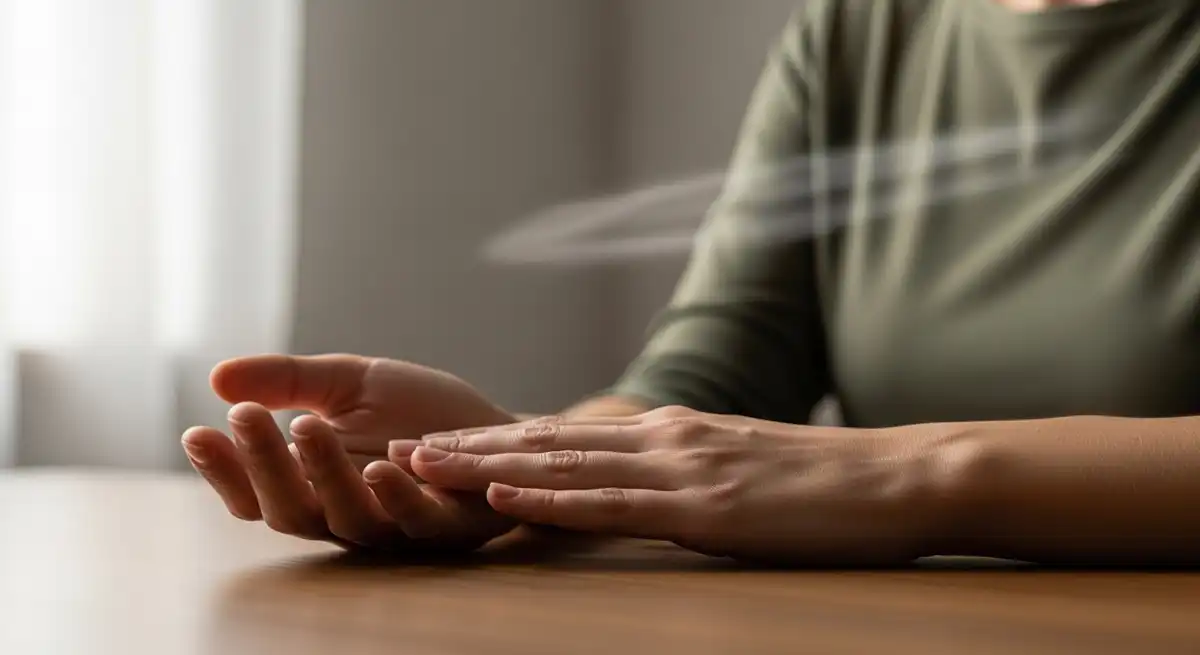
A quit list is a reflective practice used in lifestyle education. It involves identifying small habits that no longer support current priorities. The focus is awareness, not self-criticism.
Examples include excessive phone checking or skipping rest. Naming these habits creates choice. Many people find awareness alone reduces automatic behavior.
Gradually reducing low-value habits frees attention. This supports alignment with meaningful routines. Over time, this alignment strengthens agency.
Visualizing the Next Day Calmly
Brief visualization of the next day is sometimes used as a planning micro-habit. It involves imagining routine tasks unfolding smoothly. This practice is short and practical.
The purpose is orientation rather than prediction. Visualizing tasks can reduce uncertainty. Many people feel more organized afterward.
With repetition, visualization supports smoother transitions. It encourages realistic planning. This supports steadiness during busy schedules.
Identity and Habit Formation
Habit formation research highlights identity as a factor in sustainability. Micro-habits support identity by reinforcing self-perception through action. Each repetition signals capability.
Rather than relying on motivation, this approach builds familiarity. Familiar actions require less emotional effort. Over time, this supports confidence during disruption.
Wellness educators emphasize gradual identity change. Micro-habits allow identity to evolve without pressure. This aligns with realistic lifestyle adaptation.
Small Actions as Identity Signals
Repeated actions signal personal priorities. Micro-habits signal care and awareness through consistency. These signals accumulate quietly.
Over time, people internalize these signals. For example, regular pauses reinforce thoughtfulness. This supports self-trust.
Identity-based habits are resilient. When actions align with self-view, they feel meaningful. Meaning supports continuation.
Cognitive Reframing in Daily Contexts
Cognitive reframing in wellness education involves adjusting interpretation. Micro-habits support reframing by creating moments of observation. These moments allow alternative views.
For example, a pause can shift a thought from failure to effort. This shift is subtle and non-clinical. It supports balance.
With repetition, reframing becomes familiar. This reduces rigid thinking. Flexibility supports adaptability.
Social Support and Shared Structure
Inner strength is personal but influenced by context. Wellness education highlights shared routines and accountability. Micro-habits can be individual while socially supported.
A personal board of directors refers to trusted people who offer perspective. This support is conversational. It reduces isolation.
Shared reference points make habits easier to maintain. Acknowledgment supports consistency. This social dimension supports steadiness.
Accountability in Everyday Life
Accountability does not require formal tracking. It can involve simple check-ins. This keeps responsibility light.
Mentioning a habit to someone creates visibility. Visibility supports repetition. It does not require evaluation.
Over time, shared awareness reinforces commitment. Habits exist within relationships. This supports balance.
Mentorship and Perspective
Mentorship refers to guidance through experience. A mentor shares observations, not instructions. This supports learning.
Mentors model realistic routines. Observing this normalizes effort. It reduces pressure.
Perspective from mentors normalizes setbacks. Reduced self-judgment supports resilience.
Parenting and Working-Life Relevance
Micro-habits are especially relevant for parents and caregivers. Time and energy are limited. Small practices fit between responsibilities.
For working mothers, micro-habits occur during transitions. These moments include mornings or breaks. The focus is integration.
This approach respects changing energy. It supports steadiness without perfection. Realism supports sustainability.
Emotional Regulation During Caregiving
Caregiving involves frequent emotional shifts. Micro-habits provide grounding moments. These moments support presence.
Pausing before responding can change tone. This supports communication. Many caregivers notice improved interactions.
Over time, these adjustments support patience. They reduce fatigue. This supports long-term capacity.
Balancing Professional Demands
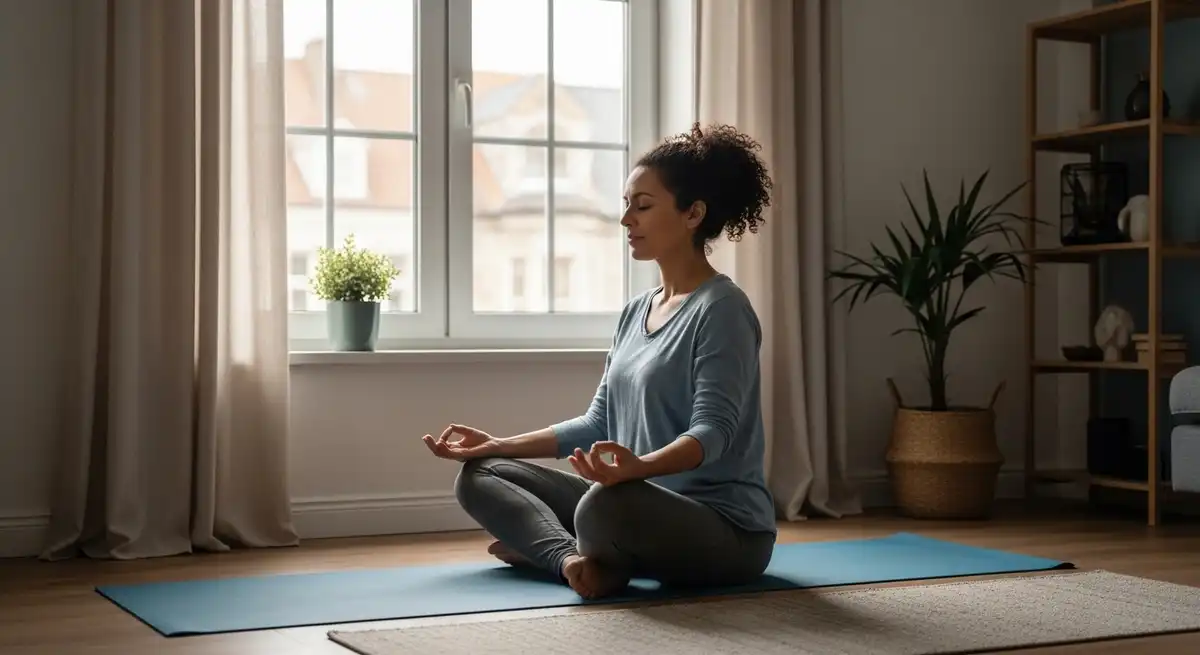
Work environments value speed. Micro-habits introduce regulation without reducing productivity. They support clarity.
A short pause before meetings improves focus. Focus supports efficiency. It reduces emotional carryover.
Consistent micro-habits help separate work stress from home life. Boundaries support recovery. Balance supports performance.
Frequently Asked Questions
What are daily micro-habits for building inner strength
Daily micro-habits for building inner strength are brief actions practiced consistently to support emotional steadiness and awareness. They are commonly used in lifestyle education because they fit into real schedules. These habits focus on repetition and practicality rather than guaranteed outcomes.
How do micro-habits support emotional wellbeing
Micro-habits support emotional wellbeing by creating regular moments of awareness and regulation. They are often associated with reduced reactivity during daily stress. Many people use them as lifestyle supports rather than solutions.
Can micro-habits replace professional care
Micro-habits are not intended to replace professional care. They are described as supportive lifestyle practices. Anyone experiencing ongoing distress is encouraged to seek qualified support alongside everyday routines.
How long do micro-habits take to practice
Most micro-habits take one or two minutes. Their short duration supports consistency. Repetition is emphasized over length.
Are micro-habits suitable for busy parents
Micro-habits are often suitable for busy parents because they require little time. They can be practiced during transitions. This flexibility supports regular use.
Do micro-habits require special training
Micro-habits usually do not require training. They are designed to be intuitive. Simplicity supports adoption.
Can micro-habits be practiced at work
Micro-habits are commonly practiced at work. Breathing or pause-based habits are discreet. This makes them practical.
Are results from micro-habits guaranteed
Micro-habits do not guarantee results. Experiences vary. They are framed as supportive practices.
How many micro-habits should be practiced daily
Lifestyle guidance often suggests starting with one habit. This supports consistency. Additional habits may be added gradually.
Are micro-habits culturally neutral
Micro-habits are generally culturally neutral. They focus on awareness and routine. This allows adaptation.
Conclusion
Daily micro-habits for building inner strength offer a grounded approach to wellbeing that respects real life demands. By focusing on small, repeatable actions, this framework supports steadiness without pressure. When practiced consistently, micro-habits act as lifestyle supports that encourage awareness, balance, and sustainable inner strength.
Medical Disclaimer
This content is for informational purposes only and does not constitute medical or mental health advice. It is not intended to diagnose, treat, cure, or prevent any condition. Always consult a qualified healthcare professional before starting new wellness practices.
For wider background on this, see the National Heart, Lung, and Blood Institute on sleep.