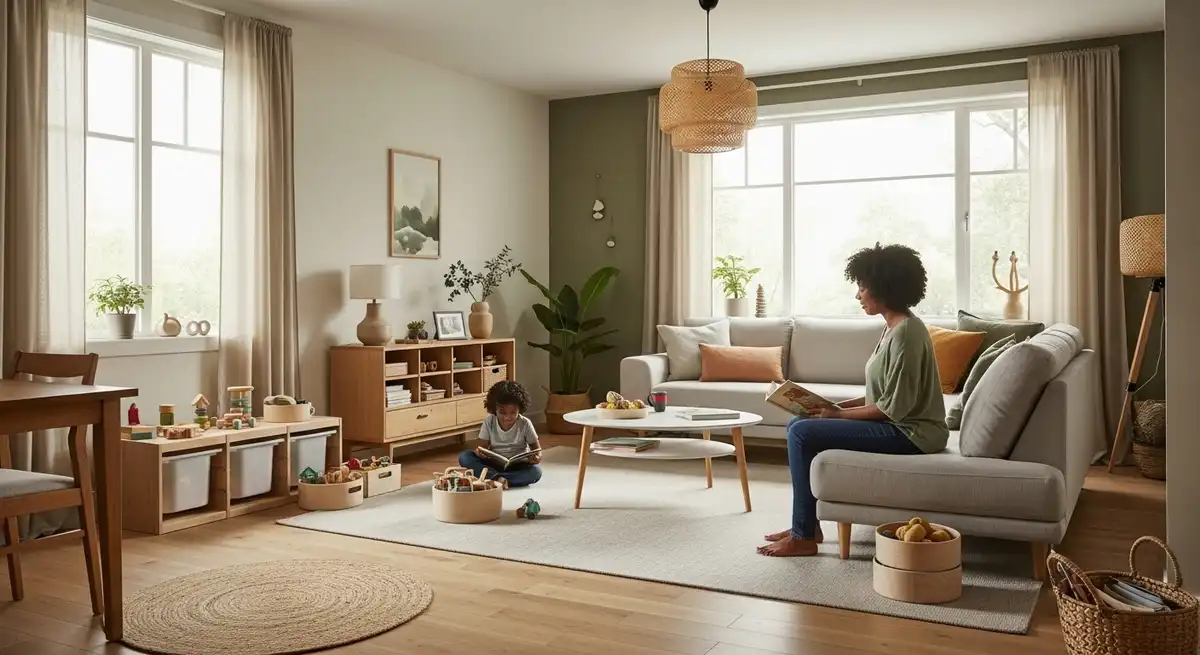

Becoming a parent often reshapes how a person experiences their body, time, and identity in quiet but lasting ways. Physical recovery, sleep disruption, and emotional responsibility often overlap, leaving little space to process personal change. Wellness education increasingly frames postpartum body acceptance as a gradual process rooted in understanding, safety, and realistic expectations rather than appearance driven goals.
Learning how to fall in love with your body again after kids is less about returning to a former version of yourself and more about rebuilding trust with the body you live in now. This perspective reflects current wellness and lifestyle guidance that emphasizes emotional steadiness, physical respect, and long term health. The goal is not admiration, but a stable, non hostile relationship that supports daily life.
Fall love body again: Understanding Postpartum Body Changes and Identity
After pregnancy and childbirth, the body commonly feels unfamiliar due to hormonal shifts, muscle stretching, skin changes, and altered energy levels. These changes are widely recognized in medical and wellness education as normal physiological responses rather than personal shortcomings. Understanding this context reduces unnecessary self blame and supports a calmer emotional adjustment during early parenthood.
Alongside physical change, identity often shifts in less visible ways. Many parents describe feeling more functional than expressive, with their bodies focused on caregiving rather than self expression. Wellness professionals note that this shift can create emotional distance from the body, especially when combined with fatigue and limited personal time.
Postpartum recovery timelines vary widely and rarely follow a straight line. Comparing recovery speed or appearance to others often increases dissatisfaction and stress. Acknowledging individual variability allows people to relate to their bodies with patience, which supports emotional wellbeing and reduces pressure to perform recovery on a schedule.
Moving Away From the Bounce Back Narrative
The idea of quickly returning to a pre pregnancy body remains common in social media and popular culture. Wellness educators consistently caution that this narrative ignores biology, healing demands, and emotional recovery. Muscles, connective tissue, and hormonal systems often take many months to stabilize after childbirth.
When bounce back expectations dominate, attention often shifts away from functional health and toward appearance based outcomes. Lifestyle guidance generally suggests prioritizing nourishment, rest, and gradual movement instead. This approach aligns with evidence showing that sustainable routines support emotional balance more effectively than short term aesthetic goals.
Letting go of bounce back pressure does not mean abandoning personal wellbeing. It means redefining wellbeing around comfort, strength, and daily capacity. This reframing often reduces frustration and creates space for healthier habits to develop without constant self criticism.
Body Neutrality as a Supportive Framework
Body neutrality is commonly described as a middle ground between dissatisfaction and forced positivity. Rather than asking people to love how they look, it encourages factual, non judgmental descriptions of the body. Many wellness professionals consider this approach more realistic during postpartum recovery.
By reducing constant evaluation, body neutrality lowers mental strain. Attention moves away from appearance monitoring and toward how the body functions throughout the day. This shift often brings emotional relief, especially for parents navigating demanding schedules.
Over time, neutrality can allow appreciation to develop naturally without pressure. The absence of hostile self talk creates a calmer internal environment. This framework supports emotional steadiness while respecting personal readiness for deeper acceptance.
Reframing Physical Changes With Context
Stretch marks, weight changes, and altered body shape often carry emotional weight after childbirth. Wellness education increasingly emphasizes placing these changes within a biological and functional context. Skin stretching, fluid retention, and fat redistribution are adaptive responses to pregnancy.
Reframing involves understanding how the body responded to support growth and recovery. Viewing changes as evidence of adaptation rather than damage often reduces emotional distress. This perspective aligns with educational approaches that prioritize function over aesthetics.
Contextual understanding does not require celebrating every change. It simply removes moral judgment from physical differences. This neutral stance supports fairness and reduces the emotional charge attached to appearance.
Reconnecting Through Gentle Movement
Gentle movement is widely used as a supportive lifestyle practice during postpartum recovery. Activities like walking, stretching, and low impact mobility exercises encourage circulation and body awareness without excessive strain. Wellness guidance emphasizes starting slowly and paying attention to physical signals.
Movement can also offer mental separation from caregiving demands. Brief periods of physical activity help attention return to the body without evaluation. This reconnection supports familiarity and confidence over time.
Consistency matters more than intensity during this phase. Short, regular movement sessions often feel more manageable. This approach aligns with public wellness recommendations for sustainable habit formation.
Safety Considerations for Postpartum Exercise
Medical and fitness guidance generally recommends waiting for professional clearance before resuming structured exercise. Gentle activities such as walking are often introduced earlier when recovery is uncomplicated. This cautious approach supports tissue healing and reduces injury risk.
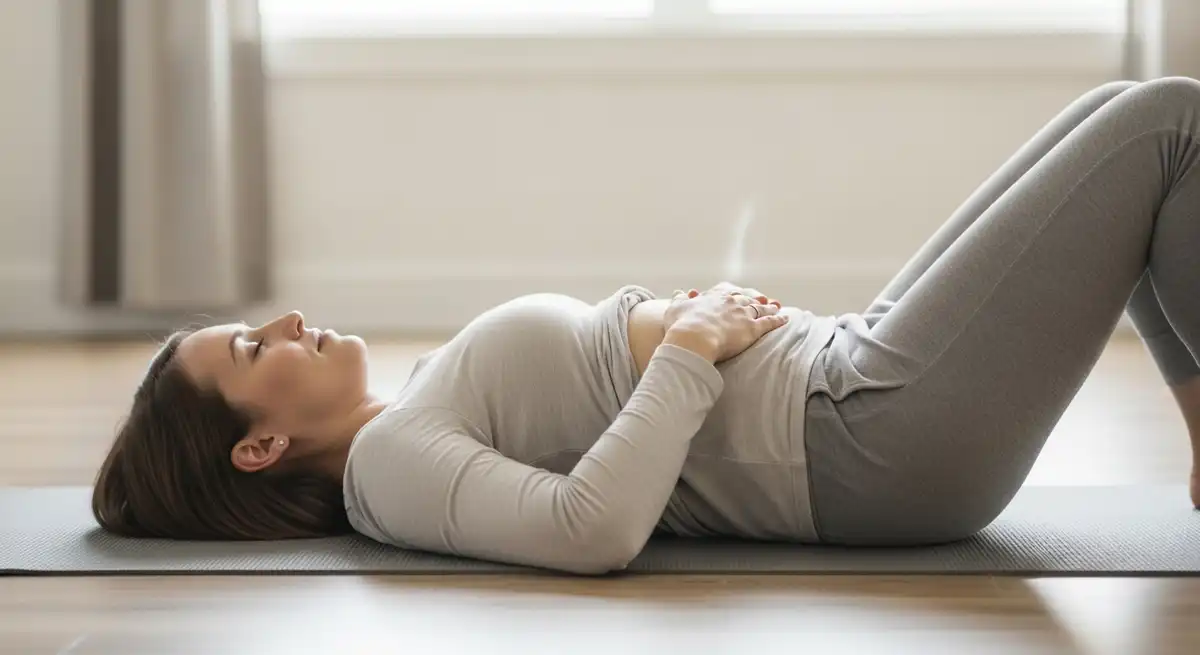
Core and pelvic floor exercises are usually introduced gradually through breathing based techniques. Wellness educators emphasize avoiding high pressure movements early on. This helps protect abdominal muscles and pelvic structures during recovery.
Listening to discomfort, fatigue, or unusual sensations remains essential. Modifying or pausing activity when needed supports safety. Consulting qualified professionals offers individualized reassurance when uncertainty arises.
Understanding Pelvic Floor and Core Recovery
The pelvic floor plays an important role in posture, stability, and daily comfort. Pregnancy and childbirth place significant strain on these muscles. Educational resources highlight gentle reactivation rather than aggressive strengthening as a safer starting point.
Core recovery often focuses on reconnecting with deep abdominal muscles through breath coordination. This method supports stability without increasing internal pressure. Many people find these practices helpful for rebuilding trust in movement.
Progress often feels uneven due to sleep disruption and caregiving demands. Accepting variability supports patience. This understanding reduces frustration and encourages consistent, respectful care.
Awareness of Diastasis Recti
Diastasis recti refers to separation of the abdominal muscles during pregnancy. This condition is common and varies in degree. Wellness education emphasizes awareness and appropriate movement choices rather than alarm.
Certain exercises can increase abdominal pressure and slow recovery when separation is present. Educational guidance often suggests avoiding crunches or intense planks early on. Gentle, guided exercises are generally preferred.
Professional assessment can provide clarity when concerns persist. Pelvic health specialists focus on function rather than appearance. This supports safe progression and emotional reassurance.
Walking as a Supportive Daily Practice
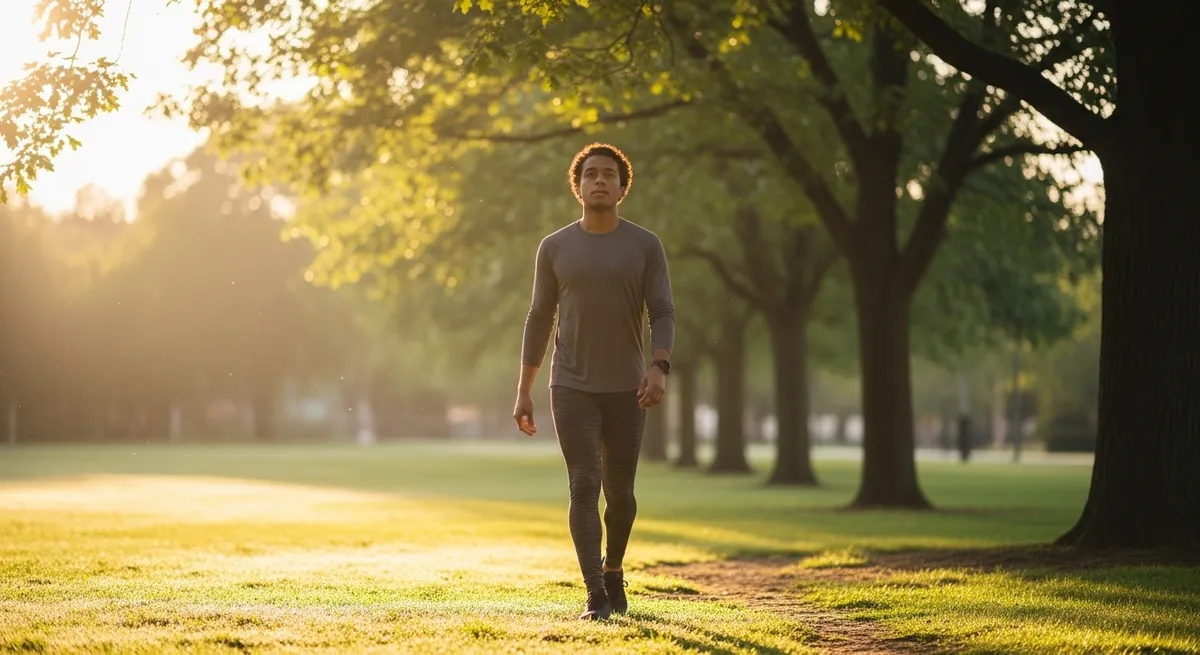
Walking is frequently highlighted as an accessible form of postpartum movement. It supports circulation, gentle cardiovascular activity, and exposure to natural light. Wellness research often associates walking with steadier mood and improved daily rhythm.
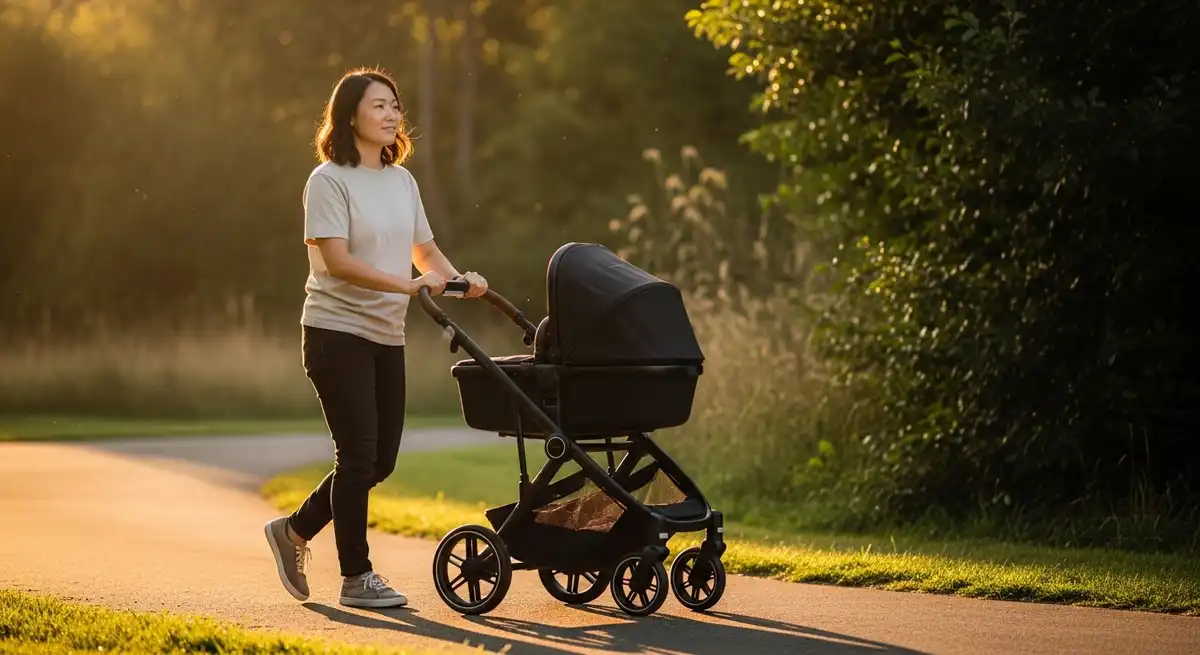
Walking fits easily into caregiving routines. Strolling with a stroller or walking during short breaks reduces barriers to consistency. This adaptability makes walking a practical choice for many parents.
Attention to pace and duration helps prevent overexertion. Short, frequent walks often feel more supportive than long sessions. This aligns with lifestyle based wellness guidance.
Emotional Benefits of Moderate Movement
Moderate movement is commonly associated with improved emotional regulation. Gentle activity supports nervous system balance without overstimulation. This can be helpful during periods of interrupted sleep.
Unlike intense workouts, moderate movement often feels restorative rather than draining. Wellness educators encourage matching movement intensity to current energy levels. This respects physical recovery and emotional capacity.
Positive emotional associations with movement increase long term consistency. When activity feels supportive, people are more likely to continue. This reinforces a respectful relationship with the body.
Adapting Movement to Realistic Schedules
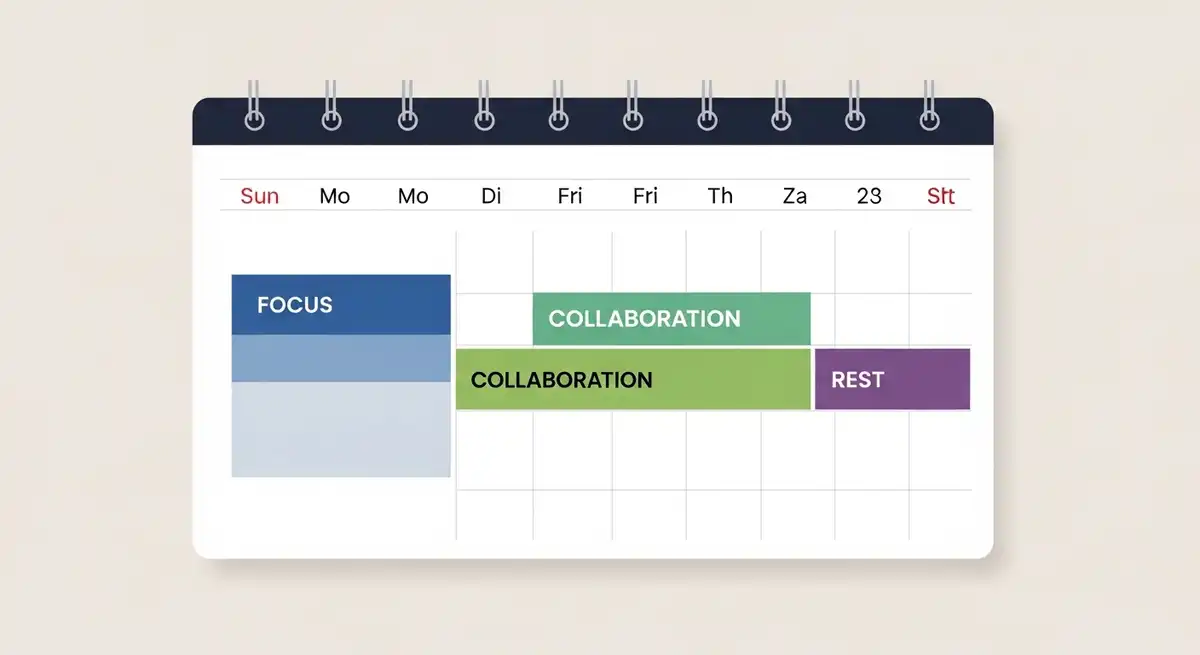
Postpartum routines are often unpredictable. Rigid exercise plans can increase stress rather than support wellbeing. Lifestyle guidance encourages flexibility and responsiveness.
Short sessions spread throughout the day are often more feasible. Movement can be integrated into daily tasks or outdoor time. This reduces the sense of exercise as another obligation.
Rest days are also part of sustainable routines. Choosing rest when needed supports recovery. This balanced approach aligns with responsible wellness education.
The Role of Self Talk in Body Acceptance
Internal dialogue strongly influences body perception. After childbirth, self talk often becomes more critical due to fatigue and comparison. Wellness education emphasizes awareness of these patterns.
Noticing critical thoughts without engaging with them reduces emotional impact. Labeling thoughts as opinions rather than facts creates distance. This practice supports emotional regulation.
Replacing criticism with neutral language shifts focus away from judgment. Describing the body in functional terms reduces distress. Over time, this supports a calmer internal environment.
Practicing Mindful Self Compassion
Mindful self compassion involves acknowledging difficulty while responding with kindness. It does not deny challenges or demand positivity. Wellness research associates this practice with emotional resilience.
Simple practices include gentle breathing and supportive internal statements. These moments help regulate stress during demanding days. Consistency matters more than duration.
Self compassion supports patience during recovery. It reduces urgency and comparison. This approach aligns with responsible emotional wellbeing guidance.
Cognitive Behavioral Perspectives on Body Image
Cognitive behavioral frameworks explore how thoughts shape emotions and behavior. Postpartum body image concerns often involve rigid beliefs about worth and appearance. Educational CBT approaches focus on identifying and reframing these beliefs.
Structured support can help individuals recognize patterns like comparison or perfectionism. Replacing rigid expectations with flexible thinking reduces distress. This supports healthier coping strategies.
Professional support may be helpful when body image concerns interfere with daily life. Seeking help is considered a proactive wellness step. Addressing psychological aspects complements physical recovery.
Clothing Choices and Body Comfort
Clothing strongly influences daily comfort and self perception. Ill fitting clothes often reinforce frustration. Wellness guidance encourages dressing for the body as it exists now.
Comfortable fabrics and flexible fits reduce physical irritation. Clothing that supports movement and caregiving improves daily ease. This practical adjustment can positively affect mood.
A simple wardrobe reduces decision fatigue. Fewer choices create mental space during busy mornings. This supports emotional steadiness in everyday routines.
Nourishment and Functional Health
Postpartum nourishment supports recovery, energy, and mood. Balanced meals provide fuel for caregiving and work responsibilities. Wellness education emphasizes adequacy rather than restriction.
Functional health focuses on how the body feels. Energy, digestion, and comfort become primary indicators. This reduces appearance driven pressure.
Rest also plays a central role. While uninterrupted sleep may be limited, prioritizing rest opportunities supports emotional balance. This holistic view aligns with responsible lifestyle guidance.
Modeling Healthy Body Relationships for Children
Children observe how adults speak about their bodies. Negative comments can influence developing attitudes. Wellness educators highlight the importance of neutral language.
Modeling respect for the body supports healthier generational patterns. Focusing on abilities rather than flaws teaches emotional literacy. Behavior communicates more than instruction.
Calm acceptance and balanced routines provide practical examples. This supports long term family wellbeing.
Community and Social Support
Connecting with others experiencing similar transitions reduces isolation. Peer groups provide validation and shared understanding. Social support is often linked with improved emotional wellbeing.
Online and in person communities offer flexible access. Shared experiences normalize challenges. This perspective reduces self blame.
Professional support remains important when distress persists. Therapists specializing in postpartum transitions offer structured guidance. Seeking help aligns with responsible wellness practices.
Integrating Mindfulness Into Daily Life
Mindfulness involves paying attention to present experience without judgment. In postpartum life, mindfulness is often practiced informally. Brief moments of awareness support emotional grounding.
Mindful attention during routine tasks reconnects awareness with the body. Noticing breath or posture supports familiarity. This gentle approach fits busy schedules.
Mindfulness is considered a supportive lifestyle practice rather than treatment. It complements other wellbeing habits. Consistency enhances calming effects.
Balancing Work, Parenting, and Self Care
Working parents often manage competing demands. Wellness education emphasizes realistic balance rather than perfection. Small adjustments add up over time.
Self care is reframed as maintenance. Supporting basic needs enables sustainable caregiving and work performance. This perspective reduces guilt.
Clear boundaries and flexible expectations protect emotional wellbeing. Accepting limits supports stability. This aligns with responsible lifestyle guidance.
Conclusion
Learning how to fall in love with your body again after kids is a gradual process built on understanding, patience, and respect. Focusing on function, neutral self talk, and gentle daily practices helps rebuild trust over time. This calm, realistic approach supports emotional steadiness and long term wellbeing within the realities of parenthood.
Frequently Asked Questions
How long does it take to feel like yourself after having a baby?
Most people notice gradual changes over several months rather than sudden shifts. Physical recovery, sleep patterns, and emotional adjustment all influence this timeline. Wellness education emphasizes variability and encourages patience instead of fixed expectations.
How can I improve my body image after pregnancy?
Improving body image often involves reducing critical self talk and focusing on function rather than appearance. Practices like body neutrality and gentle movement are commonly used as supportive tools. Consistency and emotional safety matter more than rapid change.
What is the difference between body positivity and body neutrality?
Body positivity focuses on liking appearance, while body neutrality emphasizes respect without judgment. Many wellness educators find neutrality more accessible during recovery periods. It reduces pressure to feel positive before readiness develops.
When is it safe to start core exercises after birth?
General guidance suggests waiting for professional clearance, often around six weeks. Gentle breathing based exercises are commonly introduced first. Individual recovery factors influence appropriate timing.
Why do I feel disconnected from my body postpartum?
Disconnection often arises from physical changes, fatigue, and identity shifts. These experiences are widely recognized as common during postpartum adjustment. Gentle reconnection practices support familiarity over time.
How do I safely address abdominal changes after pregnancy?
Focusing on deep core engagement and pelvic floor support is commonly recommended. Avoiding high pressure movements early on supports recovery. Professional guidance can provide reassurance when concerns arise.
Can breastfeeding affect body weight changes?
Breastfeeding influences energy needs, but weight changes vary widely. Wellness guidance emphasizes nourishment and energy rather than weight outcomes. Individual experiences differ.
What clothing choices support postpartum comfort?
Comfortable, flexible clothing that fits current body shape supports daily ease. Reducing physical discomfort often improves emotional wellbeing. Dressing for present needs lowers stress.
How does mood affect postpartum body perception?
Emotional states influence body perception. Increased stress or low mood often intensifies critical thoughts. Supporting emotional wellbeing contributes to healthier body perception.
Are stretch marks permanent after pregnancy?
Stretch marks often fade gradually over time, though complete disappearance varies. Wellness education encourages neutral acceptance rather than correction. Viewing them as adaptive changes can reduce distress.
Medical Disclaimer
This content is for informational purposes only and does not constitute medical advice. It does not diagnose, treat, cure, or prevent any condition. Always consult a qualified healthcare provider before beginning new health, fitness, or lifestyle practices, especially after pregnancy or childbirth.
For wider background on this, see the American Psychological Association on stress.