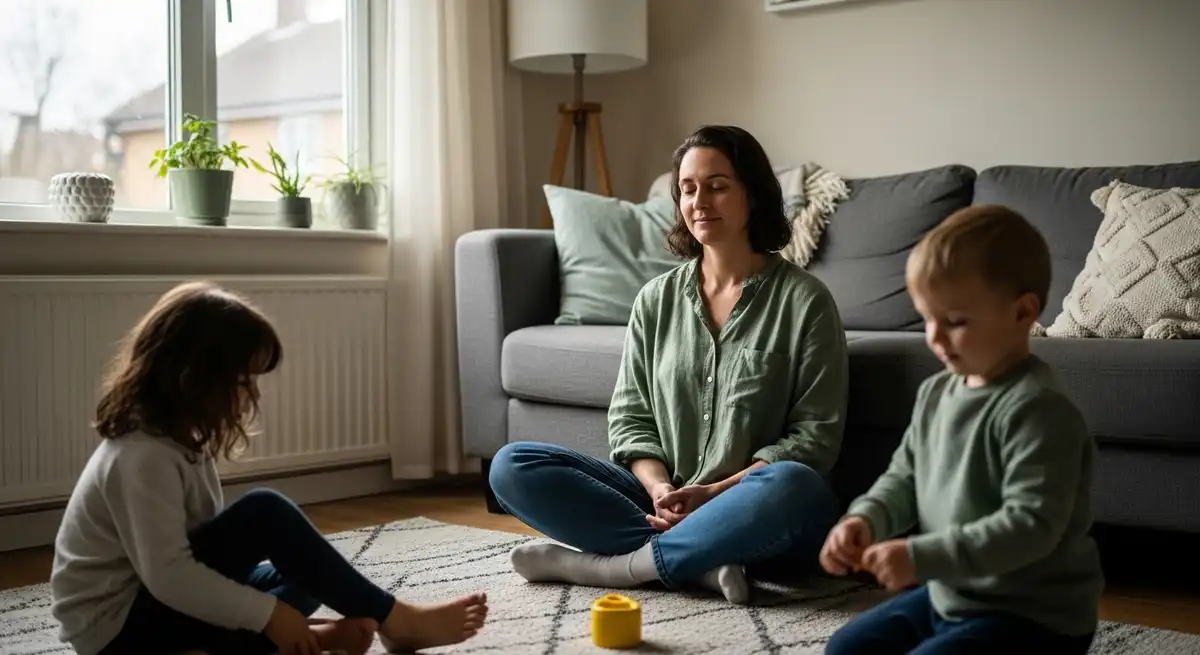
Designing a daily ritual that feels realistic has become more relevant as everyday life places steady demands on attention, energy, and emotional balance. Many people try routines that look effective online but struggle to maintain them alongside work, caregiving, and household responsibilities. A well designed daily ritual focuses on consistency, meaning, and adaptability rather than intensity or perfection.
A daily ritual differs from productivity schedules because it supports stability rather than performance. Wellness educators often describe rituals as predictable anchors that reduce mental load at the start or end of the day. When designed thoughtfully, rituals offer gentle structure that fits naturally into varied lifestyles without creating pressure or guilt.
This page explains how to design a daily ritual you will actually stick to by applying practical lifestyle principles. The guidance remains educational and supportive, emphasizing safety, realism, and long term sustainability. The focus stays on everyday application rather than outcomes or therapeutic claims.
How to Design a Daily Ritual You’ll Actually Stick To: Understanding Daily Rituals as Lifestyle Support
Daily rituals are repeated actions carried out with intention and consistency within normal routines. They are commonly used to create rhythm and predictability, especially during busy or emotionally demanding periods. Unlike rigid schedules, rituals allow flexibility while still providing reliable structure that supports daily functioning.
Wellness educators often note that rituals work best when they are small and emotionally neutral. A ritual may involve movement, reflection, or preparation, but its main role is to signal transition. In everyday life, this transition helps the mind shift between roles such as parent, professional, or caregiver.
Rituals are generally considered lifestyle support tools rather than solutions to health concerns. They do not replace professional care or address medical conditions. Their value lies in offering continuity and familiarity, which many people find helpful for maintaining balance during changing circumstances.
Why Many Daily Routines Feel Unsustainable
Many routines fail because they are designed around ideal conditions rather than real ones. Lifestyle guidance suggests that plans built for high energy days often collapse when fatigue, interruptions, or caregiving demands appear. This mismatch can lead to frustration and abandonment rather than adjustment.
Social media and productivity culture often promote uniform routines that overlook individual differences. These routines may appear effective but rarely account for varied sleep patterns, workloads, or family responsibilities. When routines feel unrealistic, difficulty is often misread as personal failure rather than design mismatch.
Unsustainable routines also rely heavily on motivation, which naturally fluctuates. Motivation is influenced by sleep, stress, and emotional demands, making it unreliable as a foundation. Rituals designed around ease and predictability remain usable even when motivation is low.
The Difference Between Routines and Rituals
A routine focuses on efficiency and task completion, while a ritual emphasizes consistency and meaning. Routines often change when priorities shift, whereas rituals are intended to remain stable through changing circumstances. This stability is what makes rituals easier to maintain over time.
Rituals are typically anchored to existing parts of the day such as waking, meals, or bedtime. By attaching actions to familiar moments, rituals reduce the need for reminders or planning. This approach supports continuity without requiring constant decision making.
Wellness educators often describe rituals as supportive rather than corrective. They do not aim to improve performance or productivity directly. Instead, they provide a reliable starting point that helps the day feel organized and manageable.
Identity Based Design for Daily Rituals
Designing rituals around identity focuses on who a person is becoming rather than what they are achieving. Identity based design emphasizes repeated actions that align with personal values and roles. Over time, consistent actions reinforce self perception in a gradual and non pressuring way.
Many people find identity based rituals easier to maintain because they feel personally relevant. A ritual framed as part of being a caring parent or balanced professional feels more meaningful than one tied to external goals. This relevance supports consistency without relying on motivation.
Identity based rituals remain flexible and non competitive. They allow adjustments as life stages change while maintaining a sense of continuity. This approach supports long term adherence by aligning daily actions with evolving responsibilities.
The Role of Small Actions in Habit Consistency
Small actions reduce resistance and make rituals easier to begin. Lifestyle research consistently shows that behaviors requiring minimal effort are more likely to be repeated consistently. When actions feel manageable, they fit more easily into busy schedules.
A small ritual may involve brief movement, preparation, or reflection. Its purpose is not intensity but reliability. Many people find that once a ritual begins, it naturally extends without pressure or expectation.
Small actions also support emotional safety. They reduce the risk of burnout or discouragement caused by over commitment. This makes rituals suitable for periods of low energy, illness, or increased caregiving demands.
Lowering Activation Energy in Daily Life
Activation energy refers to the effort required to start an action. Lowering this effort increases the likelihood of follow through. In daily life, this often involves simplifying steps and removing obstacles.
Examples include preparing materials in advance or choosing locations that reduce setup time. These small adjustments make rituals feel accessible even during demanding days. Over time, reduced effort supports automatic repetition.
Lower activation energy also supports consistency during emotional stress. When energy is limited, easy actions feel achievable. This allows rituals to remain intact during challenging periods rather than being abandoned.
Using Existing Habits as Anchors
Anchoring rituals to existing habits supports consistency without additional planning. Existing habits already have strong cues that occur naturally each day. By attaching new actions to these cues, rituals become easier to remember and repeat.
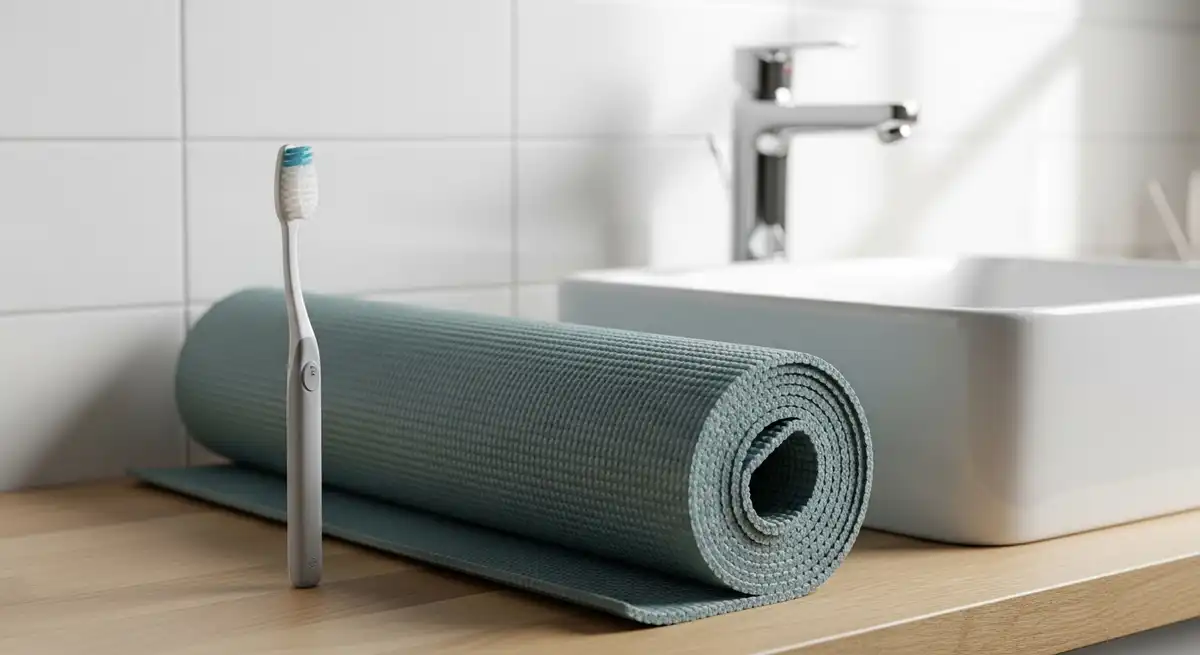
Common anchors include waking, brushing teeth, meals, or preparing for bed. These moments provide predictable opportunities for gentle ritual integration. This approach supports automatic repetition without reminders.
Anchored rituals adapt well to different environments. Whether at home, work, or traveling, familiar anchors remain available. This portability supports long term consistency across changing circumstances.
Environmental Design as Silent Support
Environment plays a significant role in shaping daily behavior. Items placed within easy reach are more likely to be used, while obstacles discourage action. Thoughtful environmental design supports rituals without conscious effort.
Simple adjustments include placing supportive items where they are visible and accessible. Removing distractions from ritual spaces also supports focus and continuity. These changes reduce reliance on self control.
Environmental design is considered a supportive strategy rather than behavior control. It gently encourages consistency while allowing choice. This approach aligns well with non pressuring wellness guidance.
Energy Awareness and Daily Rhythm
Energy levels vary throughout the day due to biological and lifestyle factors. Designing rituals that align with natural energy patterns improves sustainability. Activities placed during low resistance periods feel easier to maintain.
Some people prefer gentle rituals early in the day, while others benefit from evening rituals that support winding down. Recognizing personal patterns allows rituals to fit naturally rather than compete with fatigue.
Energy aware rituals also support caregiving and work demands. When energy is limited, smaller rituals remain achievable. This flexibility supports continuity during demanding life phases.
Flexible Structure Versus Rigid Scheduling
Rigid schedules often fail because they do not account for unpredictability. Flexible ritual structures allow actions to occur within time ranges rather than fixed hours. This adaptability supports real life demands.
A flexible structure may involve selecting a window of time rather than a precise moment. This reduces stress when interruptions occur. Rituals remain intact even when schedules shift.
Flexible rituals are particularly useful for parents and caregivers. Daily demands often change unexpectedly. A flexible approach allows rituals to continue without creating additional pressure.
Rituals and Emotional Neutrality
Emotionally neutral rituals are easier to maintain long term. They do not rely on enthusiasm or excitement to function. Instead, they provide calm predictability.
Neutral rituals feel familiar rather than stimulating. This makes them suitable during periods of stress or fatigue. Many people find neutral rituals grounding without being demanding.
Emotional neutrality also supports safety. It avoids creating expectations of emotional change or improvement. Rituals remain supportive without promising specific outcomes.
Sensory Awareness in Daily Rituals
Sensory awareness can deepen engagement without adding complexity. Paying attention to physical sensations such as breath, movement, or temperature enhances presence. This awareness supports calm transitions between activities.
Sensory focus does not require special techniques. It involves noticing ordinary experiences during ritual actions. This simplicity makes sensory awareness accessible to most people.
Many wellness educators consider sensory awareness a supportive practice. It is used to enhance attention rather than address emotional conditions. This framing maintains safety and neutrality.
Screen Boundaries and Ritual Space
Screen use often competes with ritual consistency. Notifications and information flow can disrupt attention and intention. Establishing gentle screen boundaries supports ritual continuity.
Boundaries may include delaying screen use during ritual time. This creates space for uninterrupted actions. Many people find rituals easier to maintain when distractions are minimized.
Screen boundaries are considered optional lifestyle supports. They are not rules or restrictions. Their purpose is to protect focus rather than eliminate technology.
Parenting and Daily Rituals
Parents often experience fragmented time and unpredictable schedules. Daily rituals offer stability within this variability. Small, flexible rituals fit more easily into caregiving routines.
Parenting rituals may involve brief moments of preparation or reflection. These actions support emotional steadiness without requiring additional time. They integrate naturally into existing responsibilities.
Wellness educators emphasize that parental rituals should remain gentle. They are not meant to add pressure or expectations. Their role is to support caregivers in maintaining personal continuity.
Working Mothers and Ritual Sustainability
Working mothers often balance professional responsibilities with caregiving demands. Daily rituals provide consistent support across these roles. Small rituals create moments of grounding within busy schedules.
Rituals for working mothers should remain adaptable and low effort. This allows continuity during varying workloads and family needs. Flexibility is essential for sustainability.
Lifestyle guidance generally suggests prioritizing ease over ambition. Rituals that feel manageable are more likely to remain part of daily life. This approach respects real world constraints.
Managing Disruptions Without Abandonment
Disruptions are a normal part of daily life. Travel, illness, or caregiving demands may interrupt rituals temporarily. Viewing disruptions as expected rather than failures supports long term consistency.
When disruptions occur, returning to the smallest version of a ritual helps maintain continuity. This avoids restarting with unrealistic expectations. Gentle resumption supports habit preservation.
Wellness educators often note that consistency is measured over time rather than daily perfection. This perspective reduces self criticism and supports sustainable practice.
The Role of Self Compassion in Habit Maintenance
Self compassion supports habit maintenance by reducing negative self judgment. Harsh responses to missed rituals often lead to avoidance. Compassionate responses encourage gentle re engagement.
Self compassion involves acknowledging difficulty without assigning blame. This approach supports emotional safety and resilience. Many people find rituals easier to maintain when self judgment is minimized.
This perspective aligns with educational wellness guidance. It emphasizes support rather than correction. Rituals remain tools for stability rather than measures of success.
Adapting Rituals Across Life Stages
Life stages influence energy, time, and responsibilities. Rituals should adapt accordingly to remain relevant. Flexibility allows rituals to evolve without being abandoned.
Adjustments may involve changing timing, duration, or components. These changes reflect shifting needs rather than inconsistency. Adaptation supports longevity.
Wellness educators often encourage periodic reflection to ensure rituals still fit current life circumstances. This maintains alignment without pressure.
Avoiding Outcome Focus in Daily Rituals
Outcome focused rituals often create pressure and disappointment. When rituals are tied to results, inconsistency feels like failure. Shifting focus to process supports sustainability.
Process focused rituals emphasize showing up rather than achieving. This framing reduces emotional risk and supports repetition. Rituals remain neutral and supportive.
Lifestyle guidance generally recommends separating rituals from expectations. This allows rituals to function as anchors rather than performance tools.

Safety and Realistic Expectations
Daily rituals are considered supportive lifestyle practices. They do not replace professional care or address medical conditions. Their role is to provide structure and continuity.
It is important to maintain realistic expectations. Rituals support daily functioning but do not guarantee emotional or physical changes. Individual experiences vary.
Maintaining this perspective supports ethical wellness communication. It avoids overstatement and respects individual circumstances.
Frequently Asked Questions
How long does it usually take for a daily ritual to feel consistent
A daily ritual commonly begins to feel familiar after several weeks of repetition. Consistency depends on simplicity, fit, and ease rather than duration. Many people find that small rituals stabilize faster when they are anchored to existing habits and maintained without pressure.
Why do daily rituals stop working after a few weeks
Daily rituals often stop when they become too demanding or rigid. Changes in schedule, energy, or responsibilities can disrupt consistency. Adjusting the ritual rather than abandoning it supports long term maintenance and reflects realistic lifestyle needs.
Are daily rituals suitable for people with busy family lives
Daily rituals are commonly used by people with busy family lives because they can be brief and flexible. Small rituals integrate easily into caregiving routines. Their purpose is to provide stability rather than add responsibility.
Can daily rituals replace professional mental health support
Daily rituals are not substitutes for professional mental health support. They are considered lifestyle tools that may support daily structure. Individuals experiencing ongoing distress are encouraged to seek qualified professional guidance.
Is it necessary to perform a ritual at the same time every day
Performing a ritual at the same time can help some people, but it is not required. Flexible timing often supports consistency better. The key is repetition within familiar daily anchors.
What happens if a daily ritual is missed for several days
Missing a ritual for several days is common and does not negate its value. Resuming with the smallest version supports continuity. Viewing interruptions as temporary supports sustainable practice.
Do daily rituals need to include mindfulness practices
Daily rituals do not need to include mindfulness practices to be effective. They may involve preparation, movement, or organization. The defining feature is consistency rather than content.
Are morning rituals better than evening rituals
Morning and evening rituals both offer support depending on lifestyle and energy patterns. The most sustainable option aligns with daily rhythm. Personal fit is more important than timing.
Can daily rituals change over time
Daily rituals often change as life circumstances evolve. Adjusting duration or content supports relevance. Flexibility allows rituals to remain supportive across different life stages.
Is it normal for daily rituals to feel neutral rather than inspiring
It is normal for daily rituals to feel neutral rather than inspiring. Neutrality supports consistency and reduces pressure. Rituals function as anchors rather than sources of motivation.
Conclusion
Designing a daily ritual that can be maintained over time requires attention to simplicity, flexibility, and emotional neutrality. Rituals support everyday structure by fitting into real life rather than ideal scenarios. When designed thoughtfully, daily rituals offer steady lifestyle support without pressure, promises, or expectations, making them suitable across changing responsibilities and life stages.
Medical Disclaimer
This content is for informational purposes only and does not constitute medical advice. It is not intended to diagnose, treat, cure, or prevent any disease. Consult a qualified healthcare provider before making changes related to health, mental wellbeing, or daily lifestyle practices.
For wider background on this, see the National Heart, Lung, and Blood Institute on sleep.