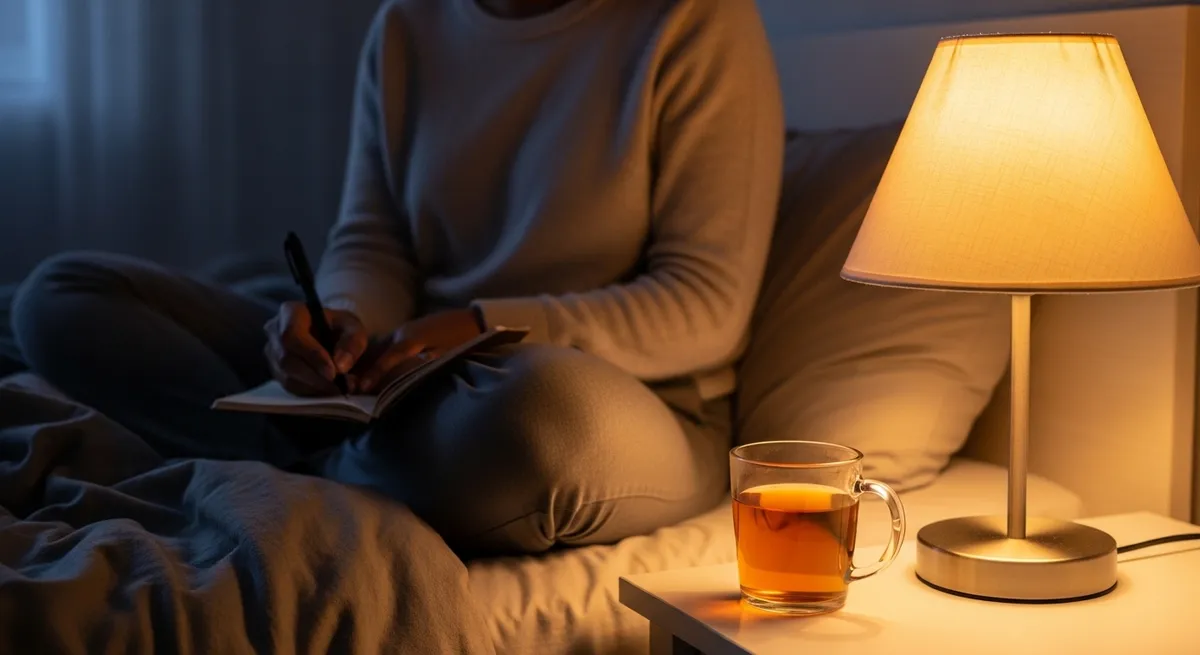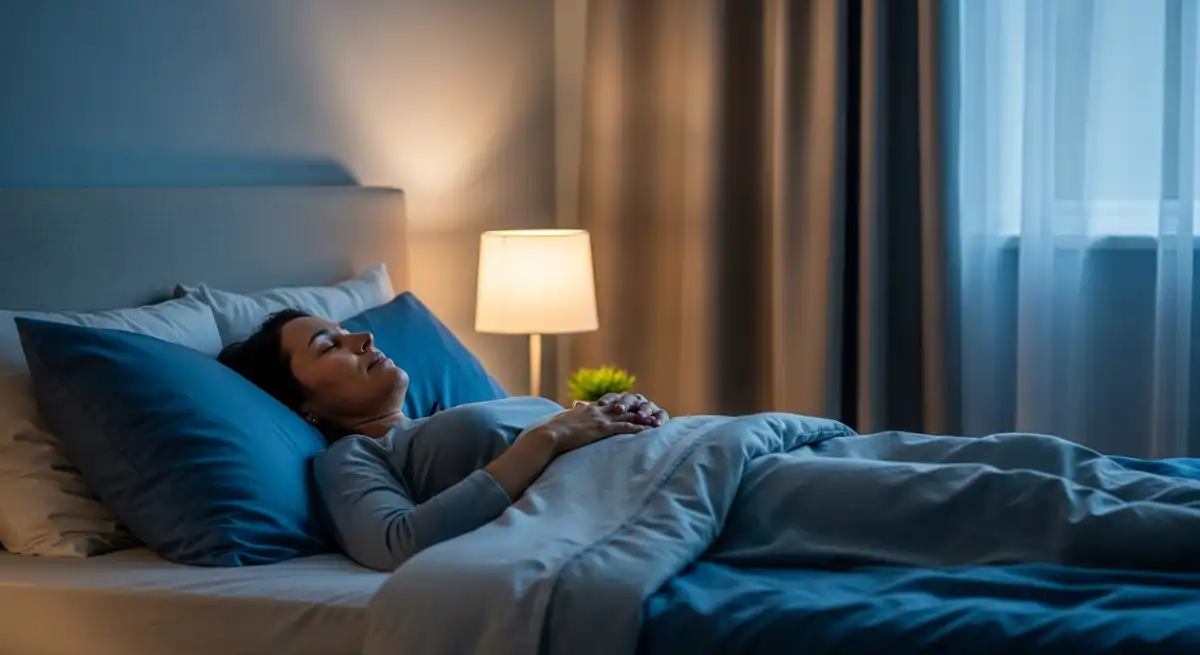
Falling asleep quickly is a common concern in modern routines shaped by long work hours, caregiving demands, and constant digital input. Many adults reach bedtime physically drained yet mentally alert, which can make rest feel distant. Understanding how to fall asleep in under 10 minutes starts with everyday habits that gently support the body’s natural sleep process.
Sleep educators often explain that fast sleep onset is not about forcing results. It is about creating steady signals of safety and routine that the brain learns to recognize. When those signals are repeated night after night, falling asleep tends to become easier and more predictable.
This guide shares science-informed lifestyle practices that many people use to support quicker sleep onset. The information is educational in nature and focuses on general wellbeing rather than diagnosis or treatment.
How do you fall asleep in under 10 minutes?
How to fall asleep in under 10 minutes works by calming the nervous system, lowering mental stimulation, and supporting natural sleep signals. Practices like slow breathing, muscle relaxation, and neutral mental imagery reduce alertness. When used consistently, these approaches often shorten sleep onset latency and help the body transition into sleep more smoothly.
How to Fall Asleep in Under 10 Minutes: Understanding Sleep Onset and Everyday Wakefulness
Sleep onset describes the short window between lying down and actually falling asleep. In daily life, this period can feel long when stress or stimulation keeps the mind active. Wellness educators describe sleep onset as a gradual biological shift rather than a switch you can flip instantly.
During this transition, brain activity slows and the body releases sleep-related hormones. Light exposure, emotional load, and routine consistency all influence this process. When these factors are misaligned, the brain may stay alert even when the body feels tired.
Many people confuse exhaustion with readiness for sleep. Physical fatigue can exist alongside mental alertness, especially after demanding days. Recognizing this difference helps explain why calming the mind is often as important as resting the body.
Circadian Rhythm and Consistent Sleep Timing
Circadian rhythm is the internal clock that guides sleep, wakefulness, and hormone release. It responds strongly to light exposure and regular schedules. When bedtimes change often, the brain receives mixed signals, which can delay natural sleepiness.
Lifestyle guidance usually emphasizes consistency over perfection. Going to bed and waking up at similar times helps the brain anticipate rest. Over time, this predictability supports faster sleep onset and fewer restless nights.
Simple habits can support circadian rhythm alignment. Dimming lights in the evening, limiting bright screens, and keeping weekends close to weekday schedules are commonly used strategies. These cues support melatonin release without relying on supplements.
The Role of Body Temperature in Falling Asleep Faster
Body temperature plays a quiet but important role in sleep onset. As bedtime approaches, the body naturally moves heat away from the core toward the hands and feet. This cooling signal helps initiate sleep.
Rooms that are too warm can interfere with this process. Many sleep specialists suggest slightly cooler sleeping spaces because they support natural temperature shifts. Breathable bedding and lightweight sleepwear also contribute to comfort.
Warm showers or baths earlier in the evening are often used as a supportive routine. After leaving warm water, the body cools down, which many people associate with feeling sleepy. Timing matters, since very hot showers right before bed can feel stimulating.
Mental Arousal and Performance Pressure Around Sleep
Mental alertness is a common reason sleep feels delayed. Thoughts about responsibilities, plans, or unfinished tasks can keep the brain active. This response reflects daily demands rather than a medical problem.
Pressure to fall asleep quickly can add another layer of alertness. When sleep becomes a goal to achieve, frustration often increases. Sleep educators describe this as a cycle where effort and monitoring make rest harder.
Shifting focus away from outcomes can reduce this pressure. Calm routines that emphasize rest rather than success help the nervous system settle. Over time, this change in mindset often supports quicker sleep onset.
The Military Sleep Method as a Relaxation Sequence
The military sleep method is a structured relaxation routine developed for high-stress environments. It combines muscle relaxation, slow breathing, and calming imagery. Many people use it as a repeatable nightly sequence rather than a quick fix.
The method starts with relaxing facial muscles, then moves down through the shoulders, arms, torso, legs, and feet. This progression helps release tension that builds during busy days. Physical relaxation often makes mental settling easier.
Visualization is a key part of this approach. Neutral scenes like floating on water or resting in a quiet place are commonly used. The aim is gentle mental disengagement, not vivid imagination or effortful focus.
Breathing Patterns and Nervous System Regulation
Controlled breathing patterns are widely used in mindfulness education. Slower breathing with longer exhalations is linked with calming nervous system responses. This shift supports the body’s natural move toward rest.
The 4-7-8 breathing pattern is one commonly taught example. It involves breathing in quietly, holding briefly, and breathing out slowly. Many people find the rhythm itself reduces mental chatter.
Breathing practices are meant to feel comfortable, not forced. Some prefer simple slow breathing without counting. The main idea is to let breathing become a cue for rest rather than another task to complete.
Progressive Muscle Relaxation in Everyday Use
Progressive muscle relaxation involves gently tightening and releasing muscle groups in sequence. It is often taught in stress awareness and sleep education because it links body sensations with calm. No special equipment is needed.
The practice usually begins at one end of the body and moves step by step. Attention is placed on the contrast between tension and release. This awareness helps reduce unnecessary muscle activity.
Many people use progressive muscle relaxation as part of bedtime routines or during nighttime awakenings. Over time, the body may start to associate the sequence with rest, which can support faster sleep onset.

Cognitive Shuffling and Gentle Mental Distraction
Cognitive shuffling is a mental technique designed to interrupt structured thinking. It involves imagining random, neutral objects without forming a story. This style of thinking resembles the natural mental drift before sleep.
Wellness educators explain that this approach reduces problem-solving activity in the brain. By shifting attention to simple images, emotional engagement often fades. This supports the transition into sleep.
People adapt cognitive shuffling to personal preference. Some visualize everyday items, while others imagine colors or shapes. The technique is meant to be light and flexible, not effortful.
Combining Physical and Mental Relaxation Approaches
Many people find that combining physical and mental relaxation works better than using one approach alone. Physical techniques calm the body, while mental techniques reduce cognitive activity. Together, they support overall readiness for sleep.
For example, progressive muscle relaxation may be followed by cognitive shuffling. This order allows physical tension to ease first. Mental disengagement often follows more naturally.
Consistency matters more than intensity. Gentle repetition helps the nervous system learn familiar patterns. Over time, these routines often become reliable signals that bedtime has arrived.
Environmental Signals That Support Faster Sleep
The sleep environment sends constant signals to the brain. Light, sound, and comfort all shape how quickly sleep begins. Adjustments do not need to be extreme to be effective.
Lowering light levels in the evening supports melatonin release. Soft lighting is often associated with relaxation. Screen brightness reduction can also help reduce alertness.
Sound preferences vary. Some people prefer silence, while others use steady background noise. The goal is predictability and comfort rather than stimulation, which helps the brain relax.
Bedtime Routines and Emotional Safety
Bedtime routines create a sense of predictability. Familiar sequences signal that the day is ending. This sense of closure helps the nervous system shift toward rest.
Routines may include washing up, light stretching, reading, or listening to calming audio. The specific activities matter less than their consistency. Over time, the body learns to associate these actions with sleep.
For parents and caregivers, routines often need flexibility. Even short, repeated habits can provide useful signals. The focus stays on comfort rather than perfection.
Stress Awareness Without Pathologizing Sleep
Stress is part of everyday life and does not automatically signal a health problem. Sleep educators emphasize awareness rather than elimination of stress. Recognizing stress allows for supportive responses.
Evening stress often reflects accumulated demands. Creating a brief pause between daytime responsibilities and bedtime can help. This might include stepping away from work tasks earlier in the evening.
Approaching sleep with neutrality rather than judgment is often encouraged. Difficult nights do not cancel progress. A supportive mindset helps prevent sleep from becoming another source of pressure.
Parenting, Caregiving, and Irregular Sleep Patterns
Parents and caregivers frequently experience disrupted sleep schedules. Nighttime responsibilities and early mornings affect sleep timing. Wellness guidance acknowledges these realities without unrealistic promises.
Flexibility becomes essential in these situations. Short relaxation practices and adjusted routines are often more practical than rigid plans. The goal shifts toward supportive rest whenever possible.
Self-compassion around sleep is commonly encouraged. Recognizing limits and focusing on controllable factors supports emotional wellbeing. Over time, even small habits can reduce bedtime struggle.
When Lifestyle Strategies Are Not Enough
Occasional difficulty falling asleep is common. When challenges persist despite consistent habits, professional support may be appropriate. Lifestyle strategies are not meant to replace evaluation.
Healthcare providers and sleep specialists can help identify contributing factors. They may suggest structured approaches suited to individual needs. Seeking guidance supports safety and clarity.
Educational strategies work best as complementary tools. Knowing when to ask for help is part of responsible wellbeing care.
Frequently Asked Questions
How can I fall asleep in 5 minutes?
Falling asleep in five minutes can happen during extreme sleepiness, but it is not a realistic goal every night. Many people focus on calming routines instead of speed. Breathing and relaxation techniques are commonly used to support sleep onset without pressure.
Does the military sleep method really work?
The military sleep method works for some people when practiced consistently. It combines muscle relaxation, breathing, and imagery. Results vary, and it is generally used as a supportive routine rather than a guaranteed solution.

Why tiredness does not always lead to quick sleep
Tiredness reflects physical fatigue, while sleep readiness involves mental and biological signals. Stress and light exposure can keep the brain alert. Addressing these factors often supports quicker sleep more effectively than focusing on exhaustion.
How breathing techniques support falling asleep
Breathing techniques support falling asleep by slowing heart rate and calming the nervous system. Longer exhalations are linked with relaxation responses. These practices are commonly used as gentle supports rather than treatments.
Is cognitive shuffling safe to use nightly?
Cognitive shuffling is generally considered safe as a neutral mental distraction. It involves simple imagery without emotional content. Many people use it regularly as part of bedtime routines.
Can parents use these techniques with limited time?
Parents often adapt sleep-supportive techniques to short time windows. Brief routines and flexible use are common. Consistency over perfection is usually emphasized.
How bedroom temperature affects sleep onset
Bedroom temperature influences the body’s natural cooling process. Slightly cooler spaces often support sleep onset. Comfort and personal preference still matter.
When to consider professional sleep support
Professional support is often considered when sleep difficulties persist for weeks. Healthcare providers can assess contributing factors safely. Lifestyle strategies are supportive tools, not substitutes for care.
Are relaxation techniques helpful during nighttime awakenings?
Relaxation techniques are often used during nighttime awakenings. Gentle breathing or muscle relaxation may support returning to sleep. These practices focus on calming rather than forcing sleep.
How long it takes to see changes in sleep onset
Changes in sleep onset usually develop gradually. Consistent habits support nervous system adaptation. Immediate results vary from person to person.
Editorial Conclusion
Learning how to fall asleep in under 10 minutes is about supporting natural rhythms rather than controlling outcomes. Calm routines, environmental cues, and gentle relaxation help the body and mind align with sleep. With patience and consistency, bedtime often becomes more settled and predictable over time.
Medical Disclaimer
This content is for informational purposes only and does not constitute medical advice. It is not intended to diagnose, treat, cure, or prevent any condition. Always consult a qualified healthcare provider before starting new sleep routines or if sleep difficulties persist.
For wider background on this, see the National Heart, Lung, and Blood Institute on sleep.