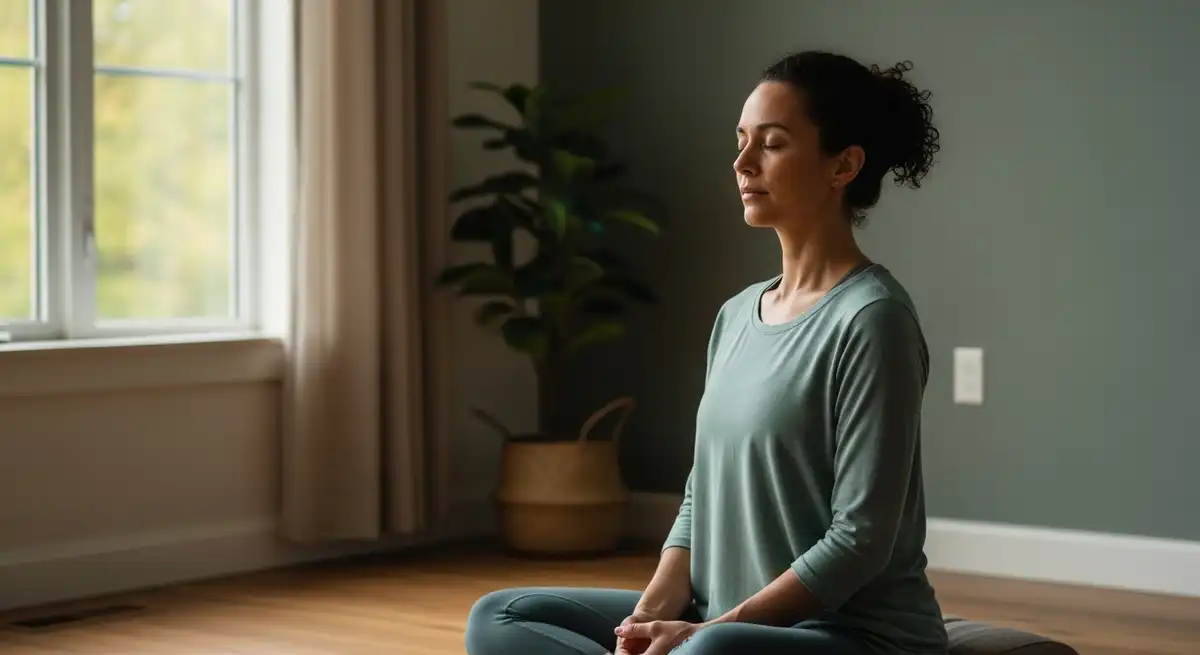
Learning how to meditate without getting distracted is often misunderstood as forcing the mind into silence. In everyday life, attention naturally shifts between tasks, worries, and sensory input, especially for people managing work, family, and constant digital exposure. Wellness educators usually describe meditation as learning to notice attention patterns calmly, rather than trying to control or eliminate thoughts.
Distraction during meditation is not a sign of failure or lack of ability. Many people become more aware of mental movement once they sit quietly, which can feel uncomfortable at first. This increase in awareness is commonly understood as the foundation of mindfulness, because noticing distraction is the skill being trained, not stopping thinking altogether.
From a lifestyle perspective, meditation is generally treated as a supportive habit rather than a performance task. It sits alongside daily routines like work, parenting, commuting, and caregiving. When approached realistically, meditation becomes a way to relate to attention with steadiness, without promising outcomes or replacing professional support.
How to Meditate Without Getting Distracted: Understanding Distraction as a Normal Part of Meditation Practice
Distraction is a normal feature of how the human brain functions. Cognitive science shows the mind moves between memories, planning, sensations, and inner commentary throughout the day. During meditation, these shifts stand out more clearly because attention is intentionally narrowed, not because distraction has increased.
Wellness educators often explain meditation as attention training rather than perfect concentration. Each moment of noticing that attention has wandered already reflects awareness. That moment is considered the practice itself, because it strengthens the ability to recognize mental activity without becoming absorbed in it.
In everyday life, this understanding reduces self criticism and unrealistic expectations. Meditation does not aim to stop thoughts, which would be biologically unrealistic. Instead, it supports a calmer, more observant relationship with mental activity, allowing attention to return gently to a chosen focus.
Reframing Distraction as Skill Development
Many people assume successful meditation means uninterrupted focus. This belief often creates tension and discouragement. Lifestyle guidance commonly reframes distraction as repetition, similar to learning a physical skill that improves through repeated practice rather than flawless execution.
Each return of attention is associated with strengthening awareness pathways. Over time, these repetitions often make attention feel steadier, even though variability remains normal. Progress usually unfolds unevenly, which reflects learning patterns rather than personal limitations.
In practical terms, this reframing makes meditation more sustainable for busy lives. Parents, professionals, and caregivers experience frequent interruptions internally and externally. Viewing distraction as expected helps maintain short, consistent practices without emotional strain or pressure.
Training Attention With a Gentle Mental Approach
Meditation traditions often describe attention training using gentle metaphors. One common comparison is guiding attention patiently, similar to redirecting a young child without harsh correction. This approach emphasizes repetition, calm redirection, and kindness rather than force.
When attention wanders, the recommended response is brief acknowledgment followed by a return to the chosen anchor. The anchor might be breathing, a sound, or a simple word. This method supports emotional neutrality, reducing frustration and self judgment.
In daily routines, a gentle approach is often easier to maintain. People balancing many responsibilities benefit from practices that do not demand intensity or rigid discipline. Meditation then functions as a supportive habit that fits real life rather than competing with it.
Preparing the Body to Reduce Distraction
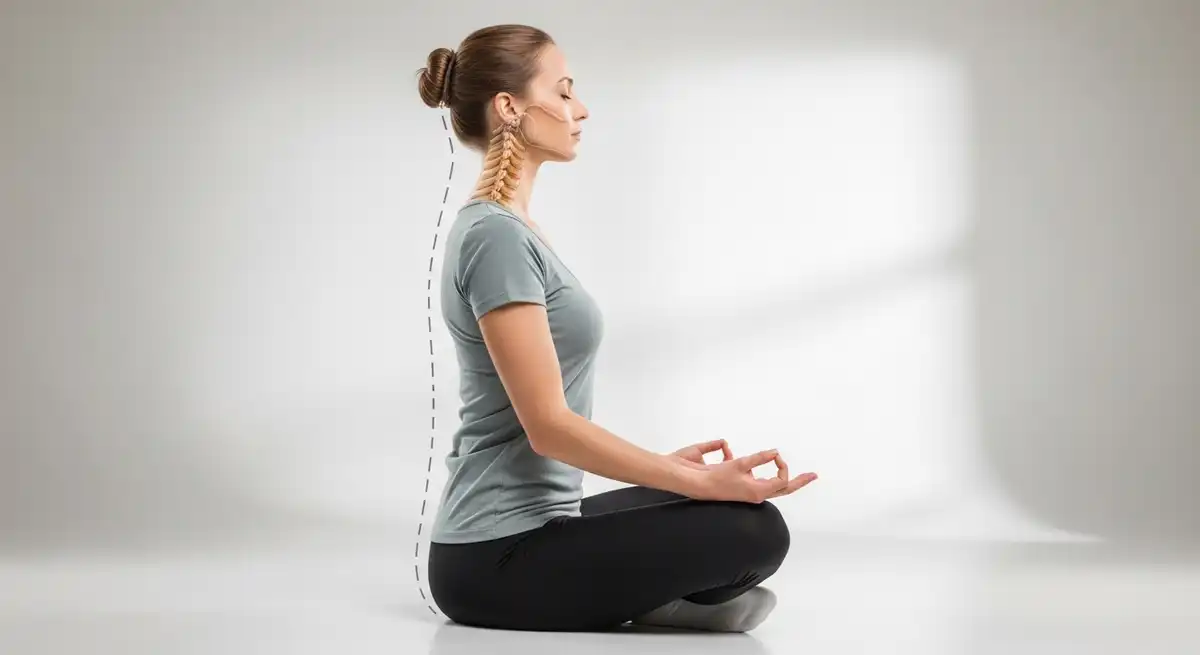
Physical comfort strongly influences attention stability. Discomfort tends to pull attention away from the intended focus, creating unnecessary distraction. Wellness guidance usually emphasizes simple posture alignment rather than strict or traditional positions.
Aligning the head, neck, and spine allows breathing to remain free and natural. This alignment supports diaphragmatic breathing, which is often linked with calmer nervous system activity. Physical ease reduces the need for constant adjustment, allowing attention to remain steadier.
In everyday settings, meditation does not require special equipment. A chair, cushion, or folded blanket is often enough. The focus stays on comfort and alertness, not appearance or tradition.
The Role of Breathing in Attention Stability
Breathing is commonly used as an anchor because it is always present and rhythmical. Observing natural breathing provides a neutral focus that does not require imagination or visualization. This simplicity makes it accessible across ages and experience levels.
Diaphragmatic breathing is often associated with parasympathetic nervous system activation. This state supports calm alertness when posture remains upright. Many people find that breath awareness creates a steady rhythm for attention without mental effort.
In daily life, breathing awareness can extend beyond formal practice. Brief moments of noticing breath during transitions, such as before meetings or after work, reinforce attentional habits gently. This integration supports continuity without added time demands.
Creating a Supportive Environment for Meditation
External surroundings influence internal attention more than many people expect. Noise, clutter, and constant alerts increase mental load. Reducing these factors during meditation supports attention training by limiting unnecessary stimulation.
A consistent meditation space often becomes associated with calm focus over time. This association works through habit conditioning, where the body and mind respond to familiar cues. Even small spaces can serve this purpose when kept simple.
Consistency in timing also reduces resistance. Practicing at the same time daily limits internal debate about when to meditate. Early morning or evening often fits naturally into household routines, though flexibility remains important.
Understanding the Five Common Attention Obstacles
Mindfulness traditions describe several mental states that commonly interfere with attention. These states are not personal flaws but patterns of mental energy. Recognizing them supports awareness without judgment, which is central to safe practice.
Restlessness and worry are especially common in modern lifestyles shaped by multitasking and constant input. During meditation, this energy may show up as rapid thoughts or physical agitation. Seeing this clearly helps reduce identification with it.
Rather than suppressing restlessness, observation is usually encouraged. Noticing how it feels in the body and mind creates distance from it. Over time, this reduces intensity without requiring forceful control.
Addressing Dullness and Low Energy States
Dullness may appear as heaviness, fogginess, or a tendency to drift toward sleep. This experience often reflects low energy rather than lack of motivation or interest. Many people encounter it, especially when tired.
Simple adjustments are commonly suggested. Straightening posture, taking a deeper breath, or opening the eyes slightly can increase alertness. These changes maintain calm while supporting clarity.
Energy naturally fluctuates in daily life. Meditation practices that allow adjustment prevent discouragement. Adapting posture or duration based on current energy supports consistency without rigid expectations.
Managing Doubt Without Self Criticism
Doubt often arises during meditation practice. Thoughts may question effectiveness, personal ability, or whether the time investment is worthwhile. Wellness educators usually describe doubt as a mental habit rather than an accurate assessment.
Acknowledging doubt without engaging with it supports metacognitive awareness. Briefly recognizing doubt as a passing mental state reduces its influence. This approach aligns with mindfulness principles of observation rather than debate.
Over time, lived experience replaces doubt more effectively than reassurance. Noticing small changes in attention or emotional steadiness builds confidence gradually. This process avoids forcing belief or dismissing uncertainty.
Using Mantras as Attention Supports
Mantras are simple sounds or words repeated mentally. They are often used to give attention a clear task, reducing the pull of unrelated thoughts. Unlike affirmations, mantras are usually neutral and not outcome focused.
The So Hum mantra aligns naturally with breathing. Repeating it mentally with inhalation and exhalation creates rhythmic focus. This coordination supports steadiness without mental strain.
In daily contexts, mantra use is optional. Some people prefer breath awareness, while others find mantras more supportive. Choosing what feels manageable supports regular practice.
Mental Noting for Thought Awareness
Mental noting involves briefly labeling distractions when they arise. Labels like thinking, planning, or remembering are used without elaboration. This practice supports awareness without becoming absorbed in content.
Labeling creates distance between awareness and thought. This distance often reduces emotional reactivity and supports attentional return. Research on mindfulness based approaches highlights this skill as central to practice.
In everyday life, mental noting can be used informally. Recognizing mental states during stressful moments supports clarity. This approach complements meditation without requiring formal sessions.
Encouraging Attention Through Positive Reinforcement
Attention training benefits from supportive internal feedback. Harsh self criticism activates stress responses that interfere with learning. Gentle acknowledgment supports consistency and motivation.
When attention returns after distraction, a subtle mental acknowledgment reinforces the behavior. This aligns with learning principles seen across skill development. Over time, attention often returns more quickly.
In busy lives, maintaining a supportive tone reduces burnout. Meditation becomes restorative rather than demanding. This attitude supports long term integration.
Active Meditation for High Activity Minds
Some people find stillness challenging because of high cognitive activity. Active meditation techniques offer structured focus for these minds. Visualization or sequencing occupies attention constructively.
One approach involves visualizing a simple word or shape step by step. Attention follows the process, leaving less room for wandering. This technique often serves as a bridge toward quieter practices.
In everyday routines, active meditation works well in short sessions. Five to ten minutes offers structure without overwhelm. Flexibility supports inclusion across attention styles.
Meditation and Attention Differences
Research suggests mindfulness practices are associated with changes in attention regulation. Studies observe differences in brain regions linked to focus and impulse control. These findings describe associations rather than guarantees or treatments.
People with attention variability often benefit from clear structure. Short sessions, defined anchors, and consistent routines support engagement. Meditation is generally framed as complementary to professional care.
In daily life, these practices support awareness rather than symptom management. Emphasizing realistic expectations prevents overinterpretation. Meditation remains a lifestyle support tool.
Building Stable Attention Gradually
Attention stability develops over time. Early stages involve noticing distraction quickly. Later stages involve staying with focus longer without strain.
Frameworks describing stages of meditation emphasize gradual learning. Each stage builds foundational skills for the next. This perspective discourages comparison and rushing.
In daily routines, gradual development supports habit formation. Short daily practices tend to be more sustainable than infrequent long sessions. Consistency supports adaptation.
Integrating Meditation Into Family and Work Life
For parents and working individuals, meditation must fit existing responsibilities. Practices requiring long isolation are often impractical. Short, consistent sessions integrate more easily.
Meditation can be practiced during quiet household moments or before sleep. Even brief sessions support awareness without schedule changes. This adaptability supports long term use.
Calmer attention can influence family dynamics indirectly. While meditation is personal, emotional regulation often shapes interactions. This influence remains supportive, not prescriptive.
Everyday Applications of Mindfulness Principles
Mindfulness principles extend beyond formal meditation. Noticing attention during routine tasks reinforces awareness habits. Simple activities like walking or listening become opportunities for focus.
These applications do not require extra time. Awareness is integrated into existing tasks. This approach supports continuity between practice and daily life.
Over time, attention often becomes more responsive. Emotional reactions may be noticed earlier, allowing calmer responses. These changes are commonly associated with sustained practice.
Frequently Asked Questions

Why does my mind wander constantly during meditation
The mind wanders because thought generation is a normal brain function. Meditation increases awareness of this activity rather than causing it. Recognizing wandering is considered part of the practice and supports attention training without suppressing thoughts.
Is it normal to feel distracted when starting meditation
Feeling distracted is common for beginners. Increased awareness makes mental activity more noticeable at first. With consistent practice, attention often steadies gradually without forcing change.
How long does it take to meditate without getting distracted
There is no fixed timeline for reducing distraction. Many people notice changes after several weeks of regular practice. Progress varies based on routine and individual differences.
Should I stop meditating if I feel restless
Restlessness is a common meditation experience. Adjusting posture or shortening sessions can help. Continuing gently supports familiarity without discomfort.
Can meditation be practiced with a busy schedule
Meditation can fit short durations. Five to ten minutes daily is often suggested. Consistency matters more than length.
Is meditation suitable for everyone
Meditation is generally considered a lifestyle practice. Individual experiences vary. Professional guidance is appropriate when mental health concerns are present.
Does meditation require spiritual beliefs
Meditation can be practiced without spiritual framing. Many people use it as an attention exercise. Techniques can be chosen based on comfort.
Can meditation replace professional care
Meditation does not replace professional care. It is often used alongside other supports. Professional guidance remains important when needed.
Why do some days feel easier than others
Attention varies with sleep, stress, and energy. Fluctuation is normal. Observing patterns supports realistic expectations.
Is distraction ever eliminated completely
Distraction remains part of mental activity. Meditation supports awareness and relationship to distraction rather than elimination. This perspective supports long term practice.
Conclusion
Learning how to meditate without getting distracted involves understanding attention realistically. Distraction is a normal mental function, and noticing it is part of practice. When approached as a supportive lifestyle habit, meditation fits daily life calmly, offering steadiness without pressure, promises, or replacement of professional care.
Medical Disclaimer
This content is for informational purposes only and does not constitute medical advice. It is not intended to diagnose, treat, cure, or prevent any condition. Always consult a qualified healthcare provider before starting new wellness practices, especially if you have existing medical or mental health concerns.
For wider background on this, see the National Heart, Lung, and Blood Institute on sleep.