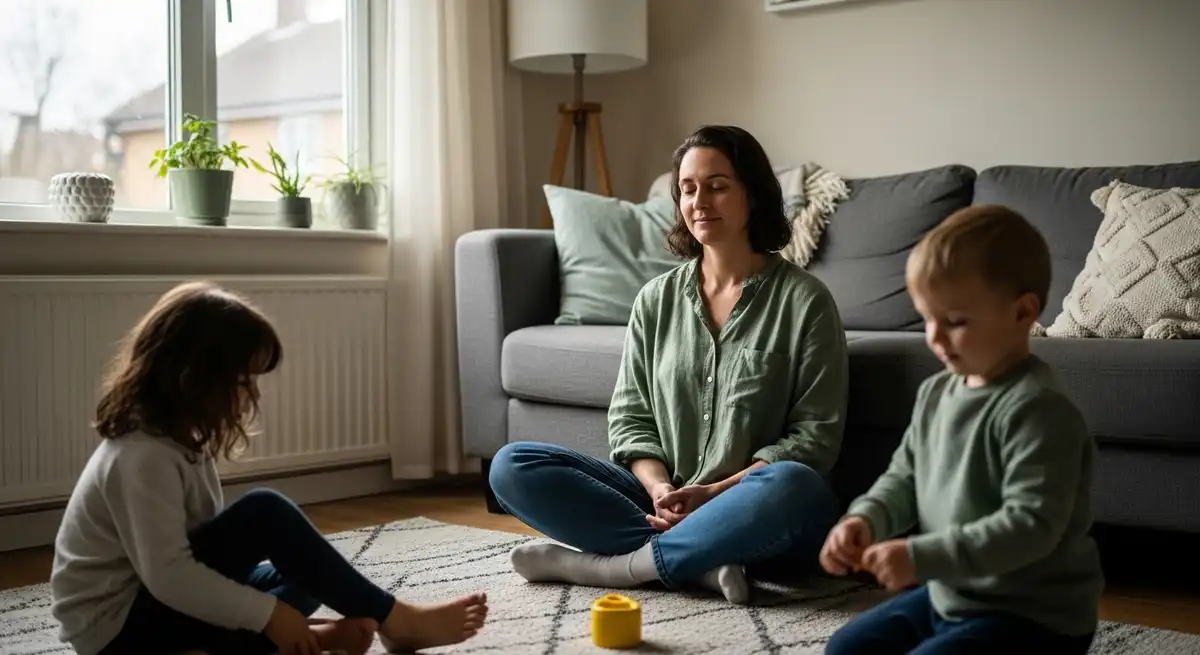
Hormonal awareness can feel confusing when energy, mood, and focus shift without clear reasons during daily life. Many people manage work, family, and personal tasks while quietly experiencing these changes. A simple journaling routine creates space to notice patterns, helping you respond with more clarity and less frustration over time.
Journaling prompts for hormonal awareness are guided reflections used to track emotional patterns, physical sensations, and lifestyle habits. This practice helps connect everyday experiences with internal changes in a structured way. Over time, it supports better understanding of personal rhythms without needing complex tools or constant monitoring.
Journaling Prompts for Hormonal Awareness: Understanding Journaling Prompts for Hormonal Awareness in Daily Life
Journaling prompts for hormonal awareness are short written reflections that help you observe mood, energy, sleep, and physical sensations regularly. These prompts are usually simple, which makes them easy to repeat without mental strain. Over time, this habit creates a clearer picture of how hormonal patterns influence daily routines and emotional responses.
In daily use, many people combine journaling with basic cycle tracking or general wellness notes. Writing helps organize thoughts that might otherwise feel scattered or overwhelming. This structured reflection supports calmer thinking and reduces the urge to react quickly to temporary emotional or physical changes.
From a lifestyle perspective, journaling works as a supportive awareness tool rather than a diagnostic method. Wellness educators often describe it as a low-pressure habit that adapts to individual routines. Even short, consistent entries can build meaningful insight when reviewed across several weeks or months.
The Role of Pattern Recognition in Hormonal Awareness
Pattern recognition plays a key role in journaling prompts for hormonal awareness because it helps reveal repeated emotional and physical trends. Writing about sleep, appetite, or mood creates a personal record that can be reviewed later. These observations often highlight connections between daily habits and internal changes.
In everyday life, people often notice shifts such as lower energy before certain phases or higher motivation during others. These patterns are not fixed rules but helpful signals for planning. For example, scheduling demanding tasks during higher energy days becomes easier when patterns are clearly understood.
Keeping a written record also supports clearer conversations with healthcare professionals if needed. Organized notes provide useful context about recurring experiences. While journaling does not replace medical guidance, it helps present information in a structured and practical way.
Somatic Awareness and Body-Based Reflection
Somatic awareness focuses on noticing physical sensations in the body without judgment, and it fits naturally into journaling prompts for hormonal awareness. Writing about sensations such as tension, heaviness, or restlessness helps connect emotional states with physical responses. This awareness supports a more grounded understanding of daily changes.
In practice, somatic journaling is simple and descriptive rather than analytical. Many people write short notes about how their body feels at specific times of the day. These small observations build a consistent record of how the body communicates through subtle signals.
Lifestyle guidance often highlights that noticing the body in this way can support calmer responses to discomfort. Instead of ignoring or resisting sensations, journaling helps acknowledge them clearly. This approach can reduce emotional overwhelm and encourage a more balanced response to everyday stress.
Nervous System Awareness Through Reflective Writing
Hormonal changes often influence the nervous system, which affects mood, focus, and overall energy. Reflective journaling creates a pause between experience and reaction, allowing thoughts to settle before responding. This small pause can support steadier emotional responses during daily challenges.
In everyday routines, people use simple prompts that focus on present experiences rather than past analysis. Writing about current feelings or physical states helps reduce mental clutter. This process is not meant to solve problems immediately but to improve awareness.
With regular practice, reflective writing can support a more stable internal rhythm. Many people find it easier to manage daily stress when they take a few minutes to write consistently. This habit fits easily into busy schedules because it does not require long or detailed entries.
The Four Inner Seasons and Cycle Syncing Awareness
The concept of inner seasons describes the menstrual cycle in four phases, menstrual, follicular, ovulation, and luteal. Each phase is linked with different energy patterns and emotional tendencies. Journaling prompts for hormonal awareness often align with these phases to reflect natural changes.
During the menstrual phase, energy is usually lower, so journaling focuses on rest and reflection. Writing about recent experiences or emotional release supports a slower pace. This phase encourages attention to personal needs without adding pressure.
The follicular phase often brings increased clarity and motivation, which makes it suitable for planning and idea generation. Journaling during this time may include goals or creative thoughts. This aligns with the natural rise in energy that many people experience.
Ovulation is commonly associated with higher social energy and confidence. Journaling in this phase often includes reflections on communication and relationships. Writing about interactions can support better understanding of personal connections and social engagement.
The luteal phase is often linked with sensitivity and reflection, making it a time to focus on boundaries and emotional needs. Journaling can help identify areas where rest or adjustment is needed. This supports a smoother transition into the next cycle phase.
Journaling for PCOS and Emotional Wellbeing Support
Journaling prompts for hormonal awareness are often used as a supportive habit for people managing PCOS-related challenges. While not a treatment, journaling can help track mood, energy, and lifestyle patterns. This creates a clearer view of how daily habits may relate to overall wellbeing.
In everyday life, many individuals use journaling to process emotions related to body image or routine changes. Writing allows thoughts to be expressed without judgment, which can reduce internal pressure. This supports a more balanced approach to self-care over time.
Wellness educators suggest viewing journaling as a complementary tool alongside professional care. It works best when combined with realistic lifestyle adjustments and guidance from qualified professionals. This balanced approach helps maintain trust and avoids unrealistic expectations.
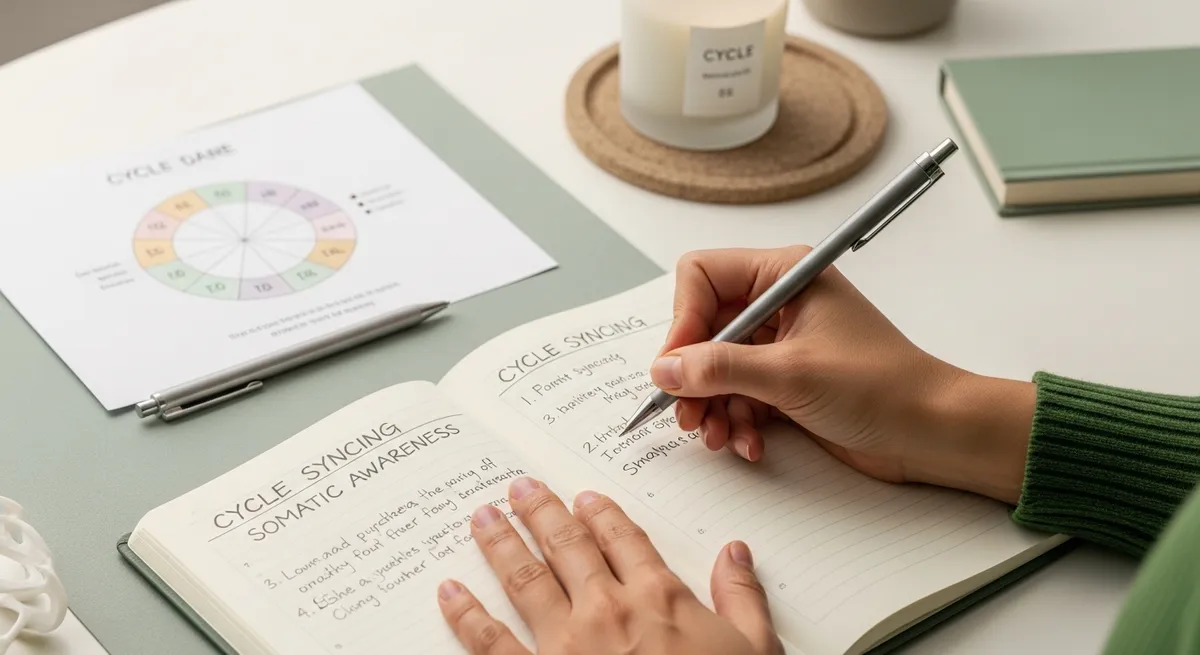
PMDD Awareness and Structured Reflection
PMDD is associated with significant emotional changes during the luteal phase, and journaling is often used to track these experiences. Writing daily observations creates a clearer timeline of mood patterns and possible triggers. This structured approach supports awareness without assigning blame.
In practice, journaling for PMDD focuses on consistency rather than depth, allowing entries to remain simple. Many people find that brief notes are enough to identify patterns across cycles. This reduces pressure to write extensively during more challenging days.
Journaling does not replace professional support for severe symptoms, but it can assist in organizing experiences. Clear written records may help improve communication with healthcare providers. This makes journaling a practical addition to a broader care approach.
Perimenopause and Changing Hormonal Patterns
Perimenopause involves gradual hormonal changes that can affect sleep, mood, and physical comfort. Journaling prompts for hormonal awareness are often used to track these changes over time. Writing observations helps create a sense of continuity during a period that may feel unpredictable.
In daily routines, individuals often record factors such as diet, stress, or environment alongside symptoms. These notes may help identify patterns that are not immediately obvious. This supports more informed lifestyle adjustments based on personal observations.
Many people also use journaling as a way to document their experiences during this transition. This creates a record that can be reviewed later for perspective. It often helps individuals feel more grounded as they move through changing phases.
Building a Consistent Journaling Practice
Consistency is one of the most important aspects of journaling prompts for hormonal awareness. Many people begin with short entries that take only a few minutes each day. This approach reduces resistance and makes the habit easier to maintain over time.
Choosing a specific time, such as morning or evening, helps integrate journaling into daily routines. Keeping the journal in a visible place also supports consistency. Over time, this repeated action becomes a natural part of everyday life.
Lifestyle guidance often emphasizes progress rather than perfection when building habits. Missing a day or writing briefly does not reduce the overall value of the practice. This flexible approach helps maintain long-term consistency without added pressure.
Integrating Journaling into Busy Family and Work Life
Balancing journaling with work and family responsibilities requires flexibility and realistic expectations. Many people fit journaling into short breaks or quiet moments during the day. This allows the practice to remain supportive rather than becoming another task.
In family settings, journaling can be part of an evening routine or a short personal break. This creates space for reflection without affecting shared responsibilities. The practice remains private and adaptable to different lifestyles.
For working professionals, journaling can act as a brief transition between tasks or at the end of the day. Writing a few sentences helps organize thoughts and reduce mental overload. This makes it a practical tool for maintaining clarity in structured environments.
Conclusion: A Steady Approach to Hormonal Awareness
Journaling prompts for hormonal awareness offer a simple way to observe patterns in mood, energy, and daily experiences. With consistent practice, this habit supports clearer understanding of personal rhythms. Over time, it helps create a more balanced and informed approach to managing everyday life.
Frequently Asked Questions
How do you start a hormone journal?
Starting a hormone journal involves writing short daily notes about mood, energy, sleep, and physical sensations. Most people begin with simple entries to keep the process manageable. Over time, these observations build a clearer picture of patterns without requiring detailed tracking.
What are the best journaling prompts for each phase of the cycle?
The best journaling prompts usually align with each cycle phase, focusing on rest during menstruation, planning during the follicular phase, connection during ovulation, and reflection during the luteal phase. These prompts reflect typical energy patterns. This approach supports a balanced and structured journaling routine.
How can journaling help with PMDD symptoms?
Journaling for PMDD is commonly used to track mood patterns and identify recurring triggers across cycles. Writing daily observations helps create a clear timeline of experiences. This practice supports awareness and is often used alongside professional care when needed.

What should I track in a perimenopause journal?
A perimenopause journal often includes notes on sleep, mood, physical sensations, and daily habits. Tracking these factors helps identify patterns that may not be obvious at first. Over time, this information supports a clearer understanding of changing hormonal rhythms.
How does cycle syncing journaling improve mental health?
Cycle syncing journaling supports emotional awareness by aligning daily activities with natural energy patterns. This reduces pressure to maintain constant productivity throughout the month. Recognizing these changes helps individuals adjust routines in a more balanced and supportive way.
Can journaling help regulate hormones?
Journaling does not directly regulate hormones, but it supports habits linked to overall wellbeing. By increasing awareness of patterns, it encourages consistent routines such as rest and stress management. These lifestyle factors may influence hormonal balance over time.
What are somatic prompts for body awareness?
Somatic prompts focus on noticing physical sensations such as tension, warmth, or fatigue. These prompts help build awareness of how the body responds to daily experiences. Over time, this practice supports a more grounded understanding of internal signals.
How do I journal for PCOS self-care?
Journaling for PCOS self-care involves tracking mood, energy, and daily habits while reflecting on emotional experiences. This structured approach helps organize thoughts and identify patterns. It is commonly used as a supportive tool alongside professional guidance.
What are the four inner seasons of the menstrual cycle?
The four inner seasons include menstrual, follicular, ovulation, and luteal phases, each linked with different energy patterns. This framework simplifies complex hormonal changes into understandable stages. Many people use it to guide journaling and daily planning.
Why is written journaling better than period tracking apps?
Written journaling allows for detailed reflection on emotional and physical experiences beyond basic tracking. While apps provide structured data, journaling offers space for personal expression. This flexibility supports a deeper understanding of individual patterns over time.
Medical Disclaimer
This content is for informational purposes only and does not constitute medical advice. Consult a qualified healthcare provider before starting any new health program, supplement, or treatment, especially if you have existing medical conditions.
Image Generation Prompts
For wider background on this, see the Greater Good Science Center at UC Berkeley.