
Meditation apps have become part of everyday life for people balancing work deadlines, family responsibilities, and constant digital input. Rather than replacing traditional mindfulness practices, these tools are commonly used as practical supports that fit modern routines. This page explains how meditation apps are typically used, what they offer, and how they can be approached responsibly within everyday wellness habits.
Understanding Meditation Apps in Everyday Wellness
Meditation apps are digital platforms that guide mindfulness and relaxation practices through audio, video, or simple interactive tools. They are commonly used to support attention awareness, emotional steadiness, and calm routines without needing prior experience or special settings. Many people turn to them as an accessible starting point when time, energy, or consistency feels limited.
In daily life, meditation apps often serve as reminders rather than solutions. They provide structure through scheduled sessions, gentle prompts, and guided instructions that reduce uncertainty about how to begin. As lifestyle tools, they are usually paired with existing routines such as morning preparation, short work breaks, or evening wind down habits.
Wellness educators often describe meditation apps as supportive frameworks rather than outcomes. Their value generally comes from regular engagement instead of any single session or feature. Used thoughtfully, they can encourage awareness and reflection without promising emotional change or medical benefit.
How the Best Meditation Apps Support Your Practice
The best meditation apps to support your practice are usually those that fit realistic daily schedules rather than idealized routines. They emphasize short sessions, clear guidance, and flexible timing that respects work demands, parenting needs, and household responsibilities. This practical alignment helps people stay consistent without added pressure or self criticism.
These apps often rely on guided practices that explain what to do and why it matters in straightforward language. Clear explanations help users understand breathing, attention, or body awareness without technical jargon or spiritual framing. This clarity is especially helpful for beginners who may feel distracted or unsure.
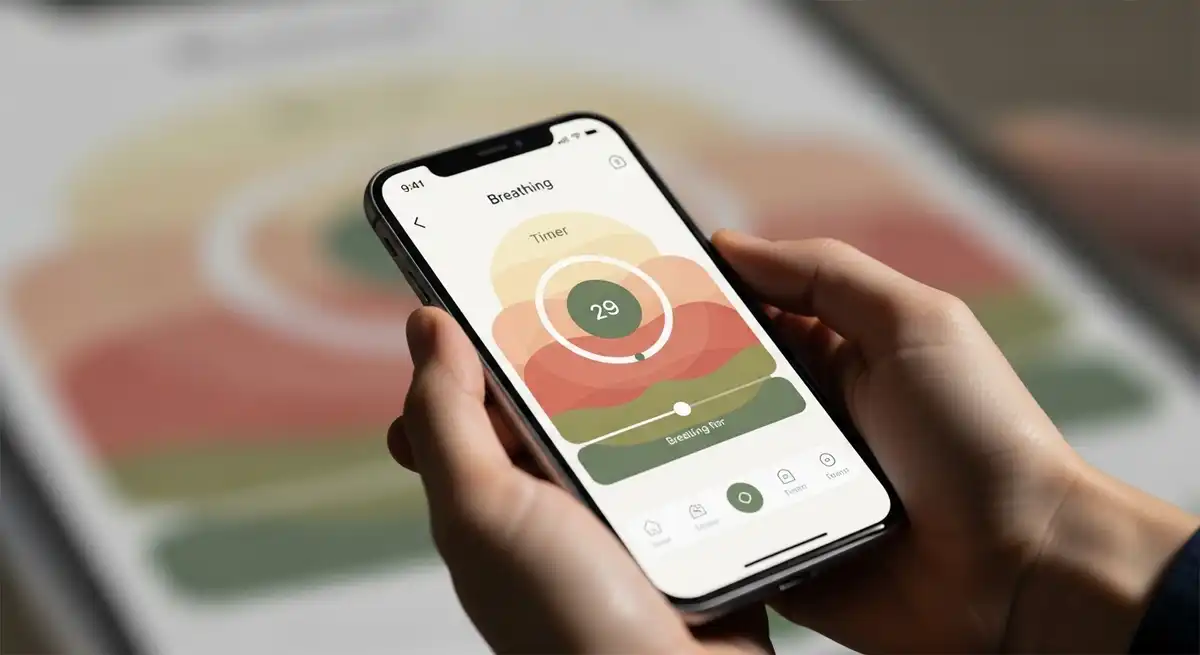
Supportive meditation apps also keep design simple and calm to avoid overstimulation. Minimal visual clutter and predictable layouts reduce mental effort. This design approach is often associated with better habit continuation, particularly for people already managing mental fatigue.
Personalization and Adaptation in Meditation Apps
Personalization in meditation apps usually starts with basic settings such as session length, voice style, or focus area. These options allow users to choose content that feels approachable rather than overwhelming. Many people find this helpful because it respects individual comfort levels and available time.
Some apps use adaptive systems that suggest sessions based on past use. While often described as intelligent, these systems typically notice consistency and preferred topics rather than emotions. This adaptation helps users avoid searching large libraries when attention or energy is low.
From a lifestyle standpoint, personalization reduces friction. Instead of deciding what to practice each day, users receive gentle suggestions. This simplicity supports routine building without claiming emotional outcomes or behavior change.
Evidence Based Foundations and Editorial Responsibility
Many popular meditation apps are developed with guidance from mindfulness educators, psychologists, or wellness professionals. Their content often reflects established practices such as breath awareness, body scanning, or focused attention. These methods are commonly discussed in wellness education as supportive tools rather than treatments.
Research literature frequently links consistent mindfulness practice with improved stress awareness and emotional regulation. Responsible wellness communication avoids presenting these associations as guarantees. Meditation apps usually reflect this by positioning content as optional support instead of care.
Editorially responsible apps also include reminders that their content is educational. This framing respects individual differences and encourages professional support when appropriate. Such boundaries are essential for YMYL safety and public facing wellness education.
User Experience and Habit Formation
User experience strongly influences whether meditation apps are used consistently. Simple onboarding, clear menus, and predictable session formats reduce mental effort. For many people, ease of use matters more than content depth when forming new habits.
Habit research often highlights repetition over duration. Meditation apps support this by offering brief sessions that feel manageable. Five or ten minute practices are common because they fit into busy days without major lifestyle changes.
By lowering barriers to participation, these apps support consistency without pressure. Reminders and streaks are usually framed as encouragement rather than obligation. This tone helps users return after breaks instead of giving up entirely.
Headspace as a Structured Learning Platform
Headspace is often described as a structured meditation app designed for beginners. Its content is organized into progressive courses that explain foundational ideas in simple language. This structure helps users understand meditation rather than expecting immediate familiarity.
The app frequently includes short explanations before guided sessions to clarify purpose and technique. These explanations reduce confusion about posture, breathing, or attention. Many users find this educational framing reassuring when starting out.
As a lifestyle tool, Headspace fits well into routine based practice. Its predictable format supports regular use without constant decision making. This consistency is commonly associated with greater comfort and long term engagement.
Calm as a Relaxation Oriented Platform
Calm is widely used for relaxation focused practices, especially around sleep and emotional easing. Its content includes guided meditations, ambient soundscapes, and narrated stories meant for rest periods. These features are often used during evenings or moments of overload.
Instead of emphasizing technique, Calm prioritizes soothing sensory experiences. This approach appeals to people seeking immediate relaxation rather than skill development. The app is commonly included in bedtime routines or quiet breaks.
From an editorial view, Calm positions itself as a lifestyle aid. Its content supports relaxation without presenting itself as mental health care. This distinction helps maintain clear and responsible boundaries.
Insight Timer and Open Access Meditation
Insight Timer is known for its large library of free meditation content from teachers around the world. Users can explore different styles, lengths, and themes without subscription pressure. This openness improves access for people with varying budgets.
The app also includes customizable timers for unguided practice. These features are commonly used by people who already have some familiarity with meditation. Flexibility allows sessions to match personal preferences.
Community features such as group sessions offer a sense of shared participation. Some users find this supportive, while others ignore it. The app presents these options as optional rather than required.
Meditation Apps for Analytical and Secular Users
Some meditation apps are designed for users who prefer secular, analytical explanations. These platforms focus on attention training and awareness without spiritual language. This framing often feels approachable for people unfamiliar with contemplative traditions.
Educational content in these apps explains why certain practices are used. By linking techniques to cognitive processes, they offer intellectual context. This approach supports understanding without claiming certainty.
Such apps are often used by professionals seeking practical tools. Their neutral tone fits workplace wellness settings. This neutrality supports broader adoption without cultural assumptions.
Meditation Apps for Busy Professionals
Meditation apps for busy professionals focus on short, targeted sessions. These sessions fit between meetings, commutes, or work transitions. The emphasis stays on practicality rather than immersion.
Content often addresses common workplace experiences like distraction or reactivity. Practices are framed as skills that support presence rather than fixes for stress. This realistic positioning helps maintain trust.
By respecting time limits, these apps reduce obligation. Users can engage without reorganizing schedules. This flexibility supports long term consistency.
Free Meditation Apps and Accessibility
Free meditation apps play an important role in inclusive wellness education. They offer access to guided practices without subscriptions. This accessibility supports participation across income levels.
Many free platforms work with educators or nonprofits. Their content often follows structured programs for schools, families, or communities. This educational focus aligns with public health goals.
Free apps usually emphasize foundational practices rather than advanced features. For many users, this simplicity is enough for regular use.
Specialized Meditation Apps for Sleep
Sleep focused meditation apps combine relaxation techniques with calming audio. These may include body awareness, slow breathing, or gentle narration. Such content is commonly used to support bedtime routines.
These apps usually recommend consistent use instead of quick results. Sleep hygiene education often appears alongside guided sessions. This context helps users see meditation as part of broader habits.
Responsible apps avoid claims about treating sleep disorders. They present content as supportive practices that may encourage relaxation. This framing respects medical boundaries.
Meditation Apps for Children and Families
Meditation apps for children use age appropriate language and short activities. Content often centers on emotions, kindness, or focus instead of abstract ideas. These sessions are commonly used at home or school.
Parental involvement is often encouraged. Parents may use apps alongside children as shared routines. This shared use supports modeling calm behavior without instruction.
Such apps emphasize playfulness and flexibility. They avoid adult expectations of stillness. This approach supports emotional learning in a developmentally suitable way.
Emotional Awareness and Mood Based Apps
Some meditation apps include emotional check in features that guide session choice. Users identify their current mood and receive suggested practices. This process links awareness with intentional response.
These features are often used to pause and reflect rather than to fix emotions. Naming feelings supports emotional recognition. This awareness is widely discussed as a foundational mindfulness skill.
Responsible apps clarify that emotional awareness does not replace professional support. Practices are framed as everyday tools for reflection. This clarity supports ethical wellness communication.

Artificial Intelligence and Meditation Content
AI driven meditation apps often generate sessions based on user input or past activity. These systems usually adjust length, tone, or theme rather than invent new techniques. The goal is personalization.
From a lifestyle perspective, AI features are valued for convenience. They reduce decision fatigue by offering tailored suggestions. This support can make daily practice feel easier.
Editorial responsibility requires clarity about limits. These apps present AI as assistive, not as human guidance. This distinction maintains trust.
Measuring Engagement Without Overpromising
Some meditation apps integrate with health tracking platforms. These integrations may log session duration or frequency. Users often find this data helpful for noticing patterns.
Responsible framing avoids linking metrics to outcomes. Mindful minutes are shown as engagement indicators rather than performance measures. This avoids comparison or judgment.
Tracking features are optional in most apps. Users can decide whether data supports or distracts from practice. This choice supports healthy engagement.
Creating a Sustainable Meditation Routine
Sustainable meditation routines are built on realistic expectations. Many educators suggest starting with short sessions and flexible timing. Meditation apps support this with brief practices.
Environmental cues such as headphones or quiet spaces can support consistency. Apps often recommend pairing meditation with existing habits. This reduces reliance on motivation.
Breaks and interruptions are treated as normal. Apps that encourage gentle return rather than perfection align better with long term use. This approach supports self compassion.
Meditation Apps and Parenting Life
Parents often use meditation apps during brief quiet moments. Short sessions fit into early mornings or evenings after children sleep. These practices support grounding during demanding days.
Some parents use apps to model calm behavior for children. Shared practices create connection without instruction. Modeling is often more effective than explanation.
Meditation apps for parents emphasize flexibility. They recognize interruptions and unpredictability. This acknowledgment supports realistic integration.
Meditation Apps for Working Mothers
Working mothers often balance professional and caregiving roles. Meditation apps offer brief pauses within busy schedules. These moments support awareness rather than escape.
Apps that respect time limits are especially valued. Sessions under ten minutes are common. This brevity supports consistency without guilt.
Responsible content avoids suggesting meditation solves systemic stress. Apps frame practices as personal supports within complex lives. This framing maintains credibility.
Mindfulness Principles Explained Safely
Mindfulness is commonly defined as present moment awareness with openness. In everyday contexts, it involves noticing sensations, thoughts, or emotions without immediate reaction. Meditation apps teach this through guided attention.
This awareness is often linked to self understanding. It is not framed as emotional control or positivity. Mindfulness includes noticing pleasant and unpleasant experiences.
Responsible explanations emphasize observation rather than change. Apps encourage curiosity and patience. This avoids pressure to reach specific mental states.
Emotional Wellbeing Without Therapeutic Claims
Emotional wellbeing content in meditation apps focuses on awareness and acceptance. Practices guide users to notice feelings without judgment. This process supports emotional literacy.
Apps avoid diagnosing emotions or offering treatment advice. They clarify that feelings are part of normal experience. This normalization supports safety.
Wellness educators often note that emotional awareness develops over time. Apps present practice as optional support. This avoids dependency.
Cultural Sensitivity in Meditation Content
Many meditation practices come from diverse traditions. Responsible apps acknowledge these roots respectfully. They avoid oversimplification.
Content is adapted for general audiences. Language remains inclusive and accessible. This balance supports respect and usability.
Editorial standards encourage transparency. Apps present practices as inspired by traditions rather than complete representations. This honesty supports trust.
Conclusion
The best meditation apps to support your practice are those that fit naturally into daily life without pressure or promise. Used responsibly, they offer structure, clarity, and moments of awareness within busy routines. As lifestyle tools, they support consistency and reflection while respecting personal boundaries and professional care.
Frequently Asked Questions
Which meditation app is truly free. Several meditation apps offer free access to guided sessions and timers without subscriptions. These platforms are often supported by nonprofits or community funding. They are commonly used as entry points into mindfulness without financial commitment.
Is Calm or Headspace better for anxiety. Calm and Headspace are both used for relaxation and mindfulness support. Calm focuses on soothing audio, while Headspace emphasizes structured learning. Individual preference usually determines usefulness.
Can meditation apps help with sleep. Meditation apps are often included in bedtime routines to support relaxation. They may offer breathing guidance or calming audio. These practices are considered supportive habits, not treatments.
Are meditation apps suitable for beginners. Most meditation apps are designed for beginners with no experience. They provide clear instructions and short sessions. This allows gradual and comfortable exploration.
How long should daily meditation sessions be. Many people begin with five to ten minute sessions. Short practices are easier to maintain. Length can change based on routine and comfort.
Do meditation apps replace therapy. Meditation apps do not replace therapy or professional care. They are educational lifestyle tools. People experiencing distress should seek qualified support.
Are there meditation apps without spiritual language. Some meditation apps use secular language and focus on attention training. These avoid religious framing. They are often chosen for practical explanations.
Can children use meditation apps safely. Apps designed for children use age appropriate language and themes. They focus on emotions and focus. Parental involvement is encouraged.
Do meditation apps work offline. Many apps allow session downloads for offline use. This supports practice during travel or limited connectivity. Availability varies.
How soon do people notice benefits. Some people notice relaxation during sessions. Broader changes are linked to consistent use. Experiences vary.
Medical Disclaimer
This content is for informational purposes only and does not constitute medical advice. It is not intended to diagnose, treat, cure, or prevent any condition. Always consult a qualified healthcare provider regarding health concerns, symptoms, or before starting any wellness practice.
For wider background on this, see the National Heart, Lung, and Blood Institute on sleep.