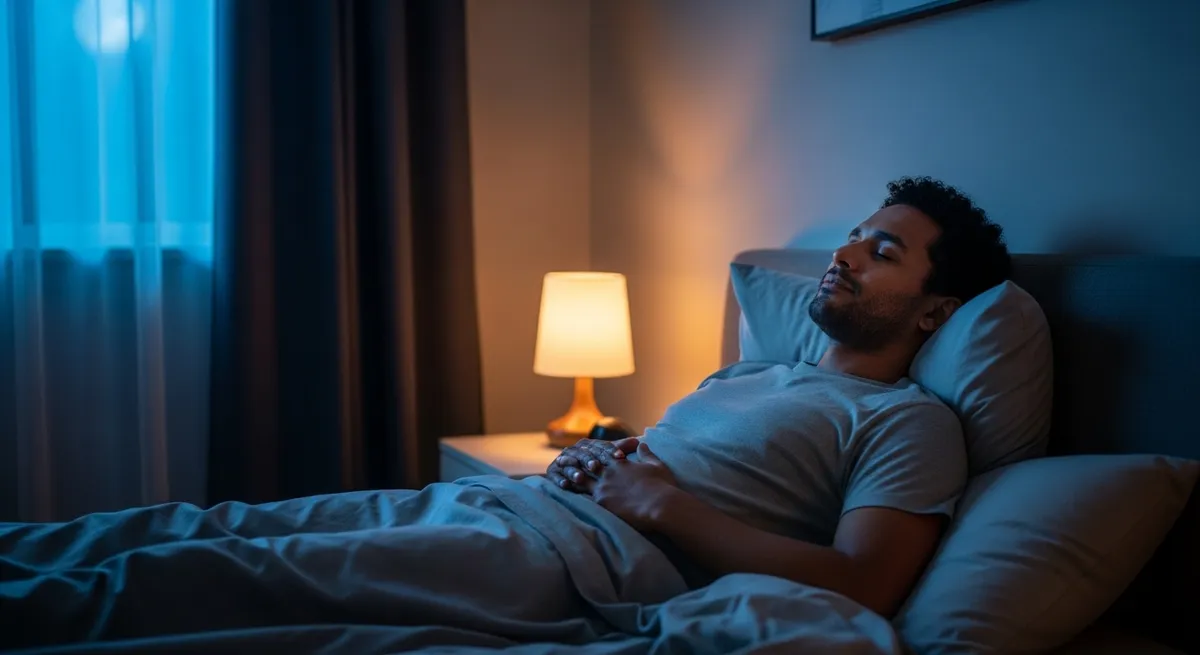
Reconnect yourself: Understanding Disconnection in Everyday Life
Feeling disconnected from yourself is a common experience in modern daily life, especially when work pressure, family responsibility, and constant digital input compete for attention. This disconnection often shows up quietly as emotional flatness, irritability, or a sense of moving through days on autopilot. Wellness educators describe this as a natural response to overload rather than a personal failure.
In everyday routines, many people continue meeting expectations while feeling internally distant. Ongoing mental demands can slowly reduce self-awareness and emotional clarity without obvious warning signs. Over time, this pattern can make it harder to notice personal needs, limits, or values.
Reconnecting with yourself focuses on restoring awareness and internal steadiness, not fixing or improving yourself. Lifestyle-based practices support this process by encouraging attention, rhythm, and consistency. These approaches are designed to fit realistically into busy lives, including parenting and full-time work schedules.
The Core Idea Behind Reconnecting With Yourself
Reconnecting with yourself refers to restoring awareness of internal cues such as emotions, physical signals, and personal priorities that often fade when attention stays outward. Lifestyle guidance frames this as an attentional shift rather than emotional repair. Many people find this helpful because it supports clearer decision-making and steadier daily responses.
From a wellness education standpoint, self-reconnection is linked to nervous system regulation and reflective awareness. When external demands dominate, internal signals like fatigue or emotional strain may go unnoticed. Gentle reconnection practices help bring those signals back into awareness without disrupting responsibilities.
This process is considered a supportive lifestyle practice, not a therapeutic method. It can complement professional care when appropriate but does not replace it. Maintaining this boundary helps keep expectations realistic and ethically responsible.
Establishing a Morning Ritual for Internal Stability
A morning ritual is a brief, intentional activity practiced at the start of the day to create internal steadiness. Research in lifestyle psychology links predictable morning habits with improved emotional regulation and reduced perceived stress. Even short routines can help orient attention inward before external demands take over.
A ritual might involve sitting quietly, slow breathing, light stretching, or reading something calming. Duration matters less than consistency. Many people find that five to ten minutes is enough to feel grounded without adding pressure.
For working adults and parents, morning rituals offer a moment of self-directed time. This practice supports emotional clarity later in the day. Over time, it becomes a stabilizing habit rather than another task.
Mirror Acknowledgment as a Self-Awareness Practice
Mirror acknowledgment involves briefly making eye contact with yourself and offering neutral recognition. Wellness educators associate this with self-awareness rather than confidence building. The aim is familiarity and presence, not self-evaluation.
This practice usually fits into existing routines like morning preparation. A simple statement such as acknowledging your presence is enough. Over time, this can soften habitual self-criticism.
Mirror acknowledgment works well for people who spend much of their day focused on others. It reinforces internal recognition without emotional pressure. This makes it accessible and easy to repeat consistently.
Using Threshold Breaths to Anchor Attention
Threshold breathing uses everyday transitions as reminders to pause. Behavioral research shows habits stick better when paired with physical cues. Doorways, elevators, or car doors become signals to take one slow breath.
The practice involves a gentle inhale followed by a relaxed exhale. This brief pause reduces mental carryover between tasks. Over time, it supports smoother role transitions.
Threshold breathing suits busy environments because it requires no privacy or equipment. Many people use it at home or work without disruption. It supports awareness while maintaining productivity.
Structured Breathing for Nervous System Balance
Structured breathing patterns are often used in wellness settings to support calm and focus. Slower breathing rhythms are associated with parasympathetic nervous system activity. These practices are presented as optional tools rather than requirements.
A common pattern includes equal inhalation and a slightly longer exhalation. Practicing for a few minutes can reduce physical tension. People are advised to stay within comfort limits.
For those managing ongoing responsibilities, structured breathing offers flexibility. It can be practiced almost anywhere. As a lifestyle support, it complements other grounding habits.
Sensory Grounding Through the Five-Sense Method
The five-sense grounding method focuses attention on immediate sensory input. Wellness practitioners describe it as a way to restore presence during mental overload. It encourages noticing without analysis.
People identify what they can see, feel, hear, smell, and taste. This shifts attention from internal loops to external reality. Many find it helpful during overstimulation.
This method is widely used because it is simple and adaptable. It works in public, at work, or at home. As a lifestyle practice, it supports emotional steadiness.
Body Tapping for Physical Awareness
Body tapping involves gently tapping areas of the body with the hands. Somatic education links rhythmic touch with increased physical awareness. The focus stays on sensation rather than emotional interpretation.
People usually tap arms, legs, or shoulders in a steady rhythm. Sessions are brief and non-invasive. Many notice increased physical presence afterward.
Body tapping suits moments of restlessness or fatigue. It reconnects attention to the body without effort. This makes it practical for daily use.
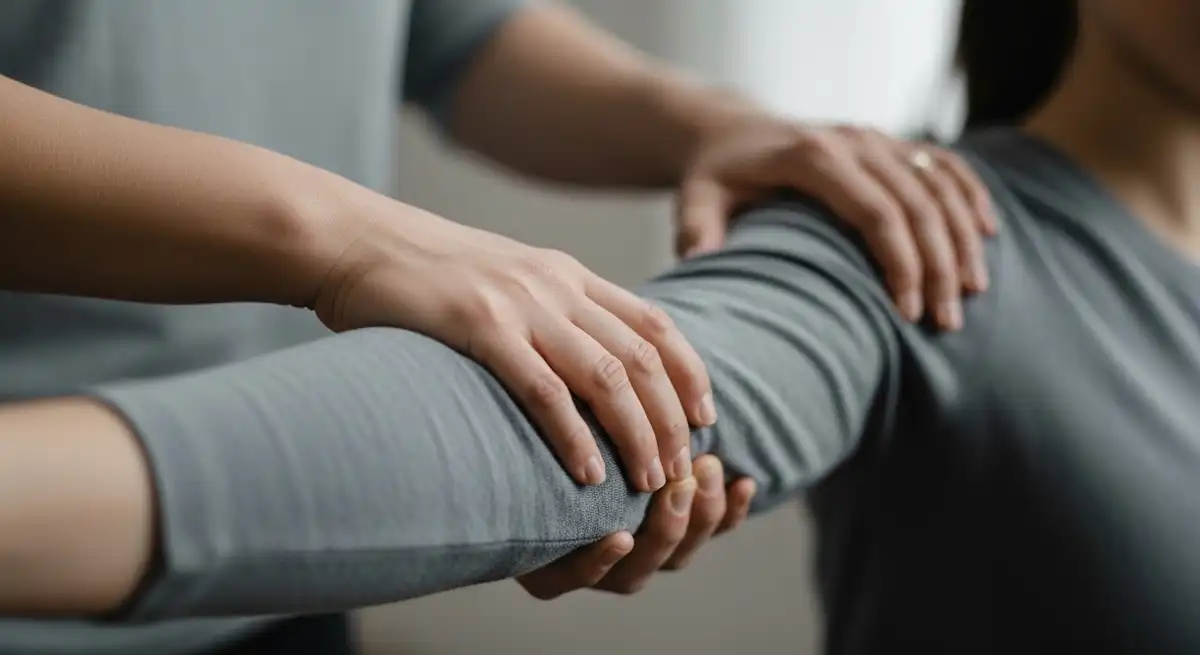
Gentle Movement to Release Built-Up Tension
Gentle movement refers to non-strenuous activity guided by comfort rather than goals. Wellness guidance highlights intuitive movement as supportive of body awareness. This contrasts with outcome-driven exercise.
Examples include stretching, slow walking, or light mobility work. Attention stays on sensation rather than performance. Many find this easier to maintain consistently.
For people with limited time, gentle movement offers flexibility. It supports comfort and awareness without pressure. As a habit, it encourages sustainability.
Reflective Journaling for Self-Awareness
Reflective journaling focuses on internal experiences rather than events. Writing research links this practice to improved emotional organization. The benefit comes from expression rather than solutions.
People typically write freely for a few minutes. Editing is avoided. Over time, patterns may become clearer.
Journaling often fits into evenings or quiet moments. It provides private reflection space. As a lifestyle tool, it supports insight gently.
Values Clarification as a Reconnection Tool
Values clarification involves identifying guiding principles. Wellness educators note that misalignment often increases stress. Clarifying values supports steadier choices.
The process includes listing meaningful qualities and narrowing them. Reflection follows on daily alignment. This builds awareness rather than perfection.
For busy adults, this practice offers perspective. It supports prioritization without guilt. As a lifestyle approach, it encourages clarity.
Scheduling Non-Transactional Time
Non-transactional time refers to time without goals or outcomes. Lifestyle research links constant productivity to prolonged stress. Rest without earning supports recovery.
Activities might include reading or quiet sitting. The key is absence of measurement. Many initially find this uncomfortable.
Over time, non-transactional time becomes grounding. It supports emotional balance. This is especially useful for caregivers.
Practicing Digital Distancing
Digital distancing involves setting boundaries with screens. Research links heavy digital exposure to reduced focus. Distancing emphasizes intentional use.
Strategies include scheduled checks or app removal. This creates mental space. Many report clearer attention.
For families, digital distancing supports presence. It balances connectivity with rest. As a habit, it supports focus.
Allowing Emotional Awareness Without Judgment
Emotional awareness involves noticing feelings without reaction. Wellness models emphasize observation over control. This reduces secondary stress.
People name emotions and bodily sensations. The process remains descriptive. Over time, clarity improves.
This practice fits into brief pauses. It requires no resolution. As a support tool, it encourages acceptance.
Intuitive Physical Activity as Self-Care
Intuitive physical activity prioritizes comfort and enjoyment. It differs from structured exercise. The goal is responsiveness.
Movement varies by energy level. Listening guides duration. This supports consistency.
For busy adults, intuitive activity reduces burnout. It aligns movement with self-respect. Sustainability improves.
Nature Exposure for Sensory Reset
Nature exposure involves time in green spaces. Research links this with mood improvement. Even brief exposure helps.
Activities include walking or observation. Sensory focus matters. This supports grounding.
Urban families benefit from accessible nature. It complements routines. As a habit, it restores perspective.
Integrating Reconnection Practices Into Parenting and Work Life
Reconnection practices adapt to shared environments. Parents model regulation through habits. Children benefit indirectly.
At work, brief grounding fits professional settings. Focus improves without disruption. Consistency matters.
Integration supports balance across roles. Awareness and responsibility coexist. This supports wellbeing.
Frequently Asked Questions

What causes people to feel disconnected from themselves
People often feel disconnected during prolonged stress or constant external focus. This response reflects adaptive attention shifts rather than personal failure. Lifestyle-based grounding practices help restore awareness gradually.
Is feeling disconnected a sign of something wrong
Feeling disconnected is a common response to sustained demands. It does not automatically indicate illness. Many people experience it temporarily.
How do people typically reconnect with themselves safely
People often reconnect through gentle routines like breathing or journaling. These are used as lifestyle supports. Consistency matters more than intensity.
Can busy parents use these practices realistically
Busy parents adapt practices into short moments. Threshold breathing and grounding fit daily routines. Time demands stay minimal.
How long do reconnection practices usually take to feel noticeable
Many notice subtle changes within weeks. Progress is gradual. Individual experience varies.
Are these practices meant to replace professional support
These practices do not replace professional care. They complement support. Persistent distress requires qualified help.
Is journaling necessary for everyone
Journaling is optional. Some prefer movement or sensory methods. Awareness is the goal.
Does digital distancing require avoiding technology completely
Digital distancing focuses on boundaries. Complete avoidance is unnecessary. Intentional use matters.
Can emotional awareness make feelings stronger
Awareness may increase noticing briefly. Over time, reactivity often reduces. The approach stays gentle.
Are these practices culturally or age specific
These practices adapt across cultures and ages. Principles remain universal. Personal adjustment is encouraged.
Conclusion: A Calm Approach to Coming Back to Yourself
Reconnecting with yourself is an ongoing lifestyle process rather than a single achievement. These simple practices support awareness and steadiness without dramatic promises. When used consistently, they help maintain a grounded relationship with yourself alongside everyday responsibilities.
Medical Disclaimer
This content is for informational purposes only and does not constitute medical advice. It does not diagnose, treat, cure, or prevent any condition. Consult a qualified healthcare provider before starting new wellness practices, especially if you have medical conditions or concerns.
For wider background on this, see the American Psychological Association on stress.