The connection between screen time and anxiety has become a widely discussed lifestyle concern as digital devices shape work, family life, and rest. Many adults notice mental fatigue, emotional tension, or disrupted sleep after long hours on phones or computers. Wellness education frames this connection as an interaction between habits and stress awareness, not a medical diagnosis or mental health label.
Digital routines expanded rapidly through remote work, online schooling, and constant mobile access. Screen use now fills moments once reserved for movement, conversation, or rest, often without clear boundaries. Understanding how these habits interact with emotional wellbeing supports calmer, more intentional daily choices grounded in balance rather than fear or restriction.
This page explains the connection between screen time and anxiety using research informed insights, everyday examples, and lifestyle framing. The goal is clarity and awareness, not treatment or promises. The information is educational and intended to support thoughtful habit building alongside professional care when needed.
Screen time and anxiety: Understanding Screen Time as a Lifestyle Factor
Screen time refers to hours spent using phones, computers, tablets, and televisions for work, communication, or leisure. Wellness educators describe screen time as a neutral tool whose impact depends on duration, timing, and intention. Its effects appear gradually through repeated routines rather than isolated moments of use.
Daily exposure to screens shapes attention, rest patterns, and social interaction. Long uninterrupted sessions may reduce opportunities for movement or quiet reflection. Over time, these shifts can increase mental load and stress sensitivity without indicating illness or disorder.
Viewing screen time through a lifestyle lens helps avoid extreme conclusions. Devices are neither inherently harmful nor universally beneficial. Balanced use, paired with rest and movement, supports steadier emotional rhythms in everyday life.
Biological Sensitivity to Light Exposure
Screens emit blue and green light that closely resembles daylight signals processed by the brain. This light influences cortisol and alertness hormones that help maintain focus during daytime hours. When exposure continues late into the evening, the body may stay alert longer than intended.
Melatonin, a hormone supporting sleep readiness, usually rises as natural light fades. Evening screen exposure can delay this process, making rest feel harder to access. Over time, irregular sleep timing may increase emotional reactivity and mental fatigue the following day.
Lifestyle guidance focuses on managing light exposure rather than eliminating screens. Dim lighting, night filters, and earlier shutdown routines support natural transitions toward rest. These habits act as supportive adjustments, not corrective interventions.
Circadian Rhythm and Emotional Balance
Circadian rhythm refers to the body’s internal clock that regulates sleep, wakefulness, and energy levels. Consistent timing helps maintain emotional steadiness and mental clarity across the day. Disruptions often occur when routines shift unpredictably due to late nights or irregular screen habits.
Inconsistent sleep schedules can increase stress sensitivity and reduce resilience. Emotional regulation often depends more on regular timing than on total sleep hours alone. This explains why people may feel unsettled despite sleeping long enough.
Maintaining regular bedtimes and wake times supports circadian alignment. Lifestyle guidance commonly highlights consistency as a foundation for wellbeing. These practices support balance without implying guaranteed outcomes.
Dopamine and Attention Patterns
Digital platforms often use notifications, scrolling, and rapid content changes to hold attention. These features stimulate dopamine pathways linked to anticipation and motivation. Over time, frequent stimulation can make quiet moments feel uncomfortable or mentally restless.
This pattern reflects learned attention habits rather than addiction or pathology. Repetition trains the brain to expect constant input. When stimulation pauses, the mind may seek more engagement, increasing perceived tension.
Intentional breaks help reset attention tolerance. Scheduled screen sessions and offline transitions reduce mental overload. These strategies support steadier focus without requiring full digital withdrawal.
Passive and Active Screen Engagement
Not all screen use influences emotional wellbeing in the same way. Passive engagement includes scrolling or watching without interaction or clear purpose. This pattern often increases comparison and disconnection from immediate surroundings.
Active engagement involves writing, learning, communicating, or creating. These uses tend to support agency and connection rather than detachment. Many people report feeling less drained after purposeful digital activity.
Shifting from passive to active engagement offers a practical lifestyle adjustment. This change reframes screen time as intentional rather than automatic. It supports emotional steadiness while keeping digital tools accessible.
Social Comparison in Digital Spaces
Digital platforms often present curated highlights of achievements, appearance, or lifestyle moments. Regular exposure to these images can encourage upward social comparison. Over time, this may influence self perception and emotional tone.
Social comparison theory explains that people naturally assess themselves relative to others. Online environments intensify this process due to constant access and selective presentation. Emotional discomfort often stems from incomplete context rather than personal inadequacy.
Managing digital environments supports healthier comparison patterns. Following varied content and limiting exposure to distressing feeds can ease emotional strain. These steps reflect responsible digital literacy rather than avoidance.
Fear of Missing Out as a Lifestyle Pressure
Fear of missing out describes concern about being excluded from experiences or information. Continuous updates can reinforce a sense of urgency and pressure to stay connected. Over time, this may increase mental noise and reduce satisfaction with present activities.
FOMO reflects modern information abundance rather than individual weakness. Many people experience it intermittently without long term harm. Awareness helps distinguish social connection from constant monitoring.
Intentional digital boundaries reduce unnecessary urgency. Scheduled check times and notification limits help restore attention control. These habits support calmer engagement without cutting off connection.
Sleep as a Mediating Factor
Sleep quality often mediates the relationship between screen time and emotional wellbeing. Late night device use can delay sleep onset and fragment rest cycles. This pattern may influence mood stability the next day.
Irregular bedtimes tend to create greater disruption than shorter sleep duration alone. Emotional resilience relies on predictable recovery rhythms. This explains why weekend catch up sleep may feel insufficient.
Lifestyle guidance emphasizes bedtime regularity as a supportive habit. Consistent digital wind down routines help prepare the body for rest. These practices remain educational and non therapeutic.
Sedentary Behavior and Emotional Load
Extended screen use often reduces physical movement during the day. Sedentary behavior limits natural stress release associated with activity. Over time, reduced movement may contribute to feelings of heaviness or mental stagnation.
Physical activity supports neurotransmitter balance linked to mood regulation. Even gentle movement can improve alertness and emotional clarity. This relationship reflects general wellbeing principles rather than treatment effects.
Adding movement breaks offsets sedentary patterns. Short walks, stretching, or household tasks support balance. These changes fit easily into varied daily routines.
Physical Activity as Lifestyle Support
Regular movement complements healthy screen habits by supporting energy regulation. Physical activity helps the body recover from prolonged mental focus. Many people notice better sleep quality with consistent activity.
Wellness guidance encourages moderate movement suited to individual capacity. The focus stays on regularity rather than intensity. This approach avoids pressure or performance expectations.
Pairing movement with screen boundaries creates reinforcing routines. Together, they support emotional steadiness across busy days. These practices remain adaptable and realistic.
Technostress in Professional Settings
Technostress describes strain linked to constant digital demands at work. Email overload, notifications, and remote systems can blur boundaries between professional and personal time. This strain often reflects workload structure rather than personal shortcomings.
Continuous connectivity may reduce a sense of control over time. Emotional fatigue can increase when recovery periods disappear. These experiences are common in modern work environments.
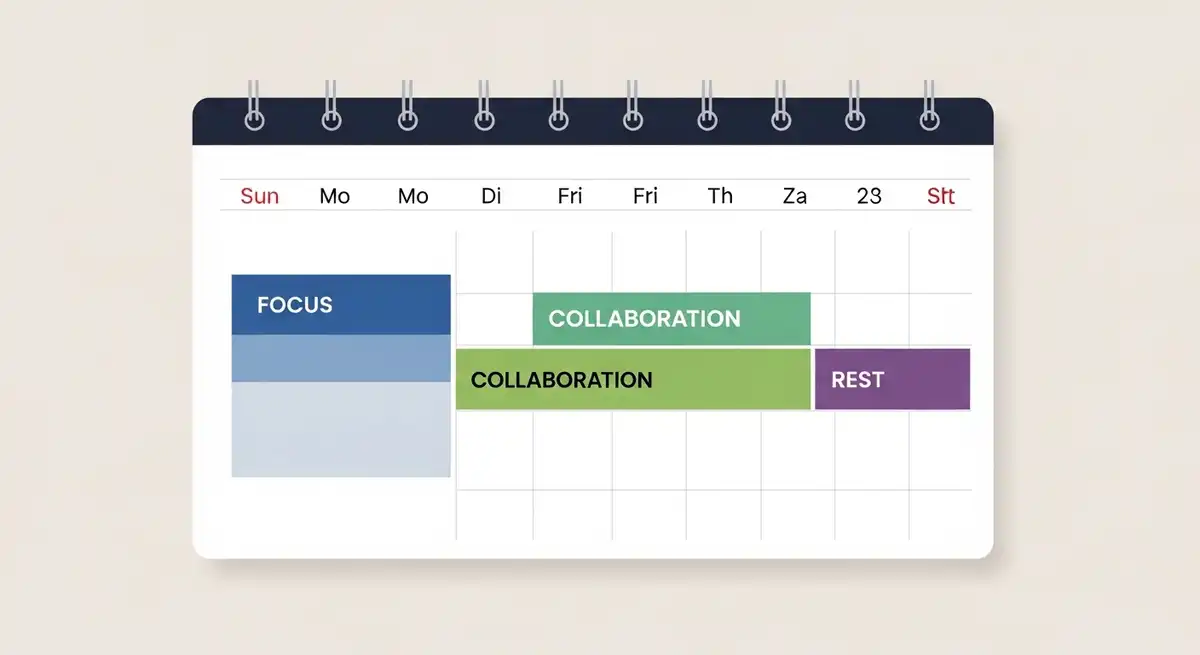
Clear communication boundaries support healthier digital engagement. Defined offline periods and task prioritization reduce overload. These strategies align with workplace wellbeing practices.
Digital Work and Emotional Awareness
Remote work increases reliance on screens for collaboration and monitoring. Without physical cues, workers may remain constantly available. This pattern can raise stress awareness over time.
Emotional load increases when work and rest share the same space. Digital boundaries help separate roles and recovery periods. Awareness of these dynamics supports sustainable routines.
Employers and individuals share responsibility for healthy digital cultures. Reasonable expectations and flexibility help protect emotional balance. These practices remain preventive and educational.
Children and Adolescent Sensitivity
Children and adolescents encounter screens during key developmental stages. Sleep disruption and social comparison may influence emotional regulation more strongly in younger populations. This sensitivity reflects context rather than inherent vulnerability.
Higher daily screen exposure often correlates with emotional challenges among youth. Guidance emphasizes moderation and supervision rather than bans. Supportive environments encourage balanced habits.
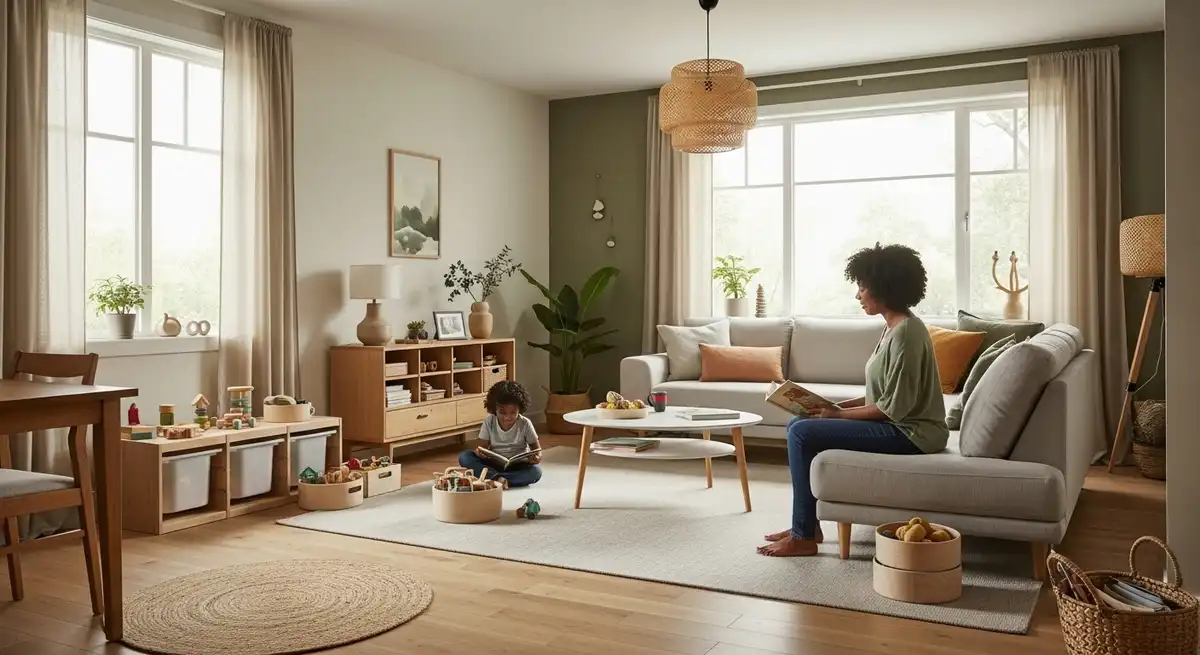
Parental involvement plays an important role in digital literacy. Modeling healthy use and discussing content builds awareness. These approaches empower young users without restricting learning opportunities.
Guidance Over Restriction in Families
Strict bans may increase conflict or secrecy around device use. Collaborative guidelines encourage trust and shared responsibility. Children learn self regulation through participation in decisions.
Family routines that include offline activities create natural balance. Shared meals, outdoor play, and reading reduce passive screen reliance. These practices support emotional security.
Wellness educators often recommend guidance over control. This approach respects autonomy while promoting safety. It aligns with healthy parenting frameworks.
The Goldilocks Principle of Screen Use
The Goldilocks principle suggests moderation rather than extremes. Too little digital engagement may limit social connection, while excessive use can strain balance. Appropriate use varies by context and purpose.
Research often shows a curved relationship between screen time and wellbeing. Moderate recreational use may support connection and learning. Complete avoidance is not inherently superior.
This principle reframes digital habits as adjustable. Balance remains achievable through awareness and choice. The focus stays on sustainability rather than perfection.
Digital Detox as a Supportive Practice
Digital detox refers to intentional reduction of screen exposure for defined periods. Short, consistent breaks often feel more manageable than long abstinence. These breaks help reset attention patterns.
Studies associate reduced screen exposure with improved mood awareness. Responses vary by person and circumstance. Detox practices remain supportive rather than corrective.
Starting with small daily windows improves adherence. Screen free mornings or evenings create breathing room. These habits integrate smoothly into everyday life.
Consistency Over Intensity in Habit Change
Habit consistency often influences emotional steadiness more than dramatic changes. Small adjustments practiced daily support nervous system familiarity. Sudden restrictions can feel unsustainable.
Wellness guidance favors gradual shifts. This approach respects personal schedules and energy levels. It avoids pressure and self judgment.
Digital habits respond well to incremental change. Consistent boundaries build cumulative benefits. This method supports long term balance.
Tools That Support Mindful Use
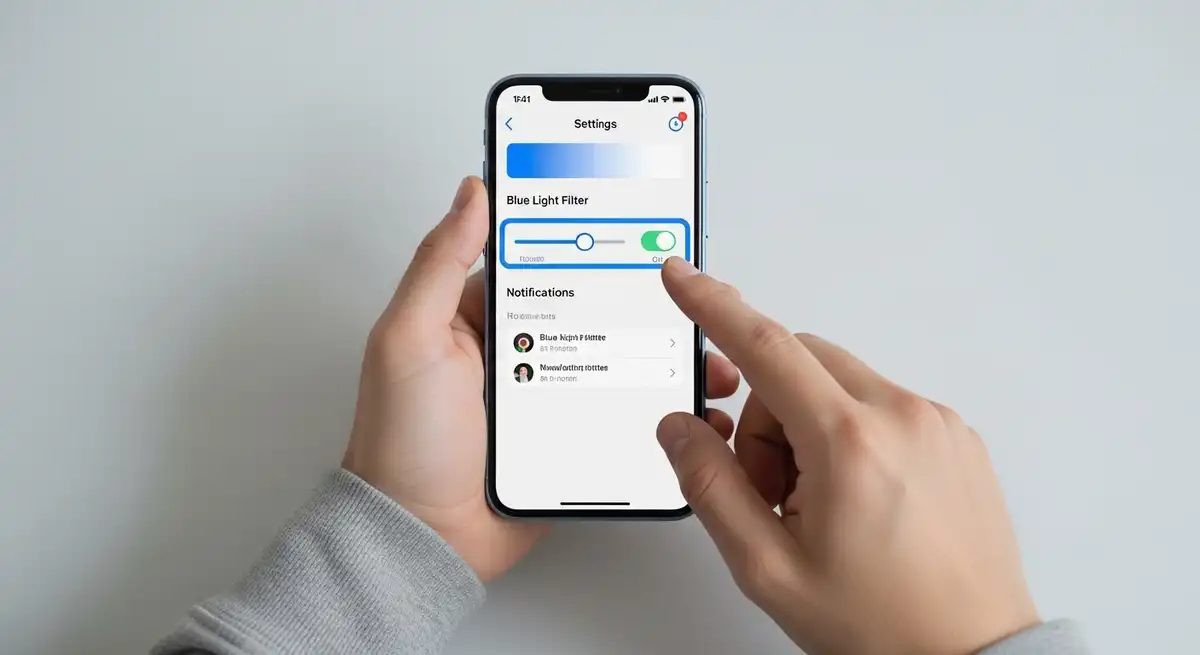
Digital tools can support healthier screen habits. Blue light filters reduce evening stimulation. Notification settings limit interruptions.
These features lower cognitive load without removing access. They act as environmental supports rather than controls. Many people find them useful in daily routines.
Using tools intentionally reinforces autonomy. Technology becomes adjustable rather than dominant. This shift supports emotional clarity.
Emotional Awareness Without Diagnosis
Feeling restless or overwhelmed after screen use does not signal illness. Emotional responses often reflect situational demands and energy levels. Awareness supports choice without labeling.
Wellness education avoids diagnostic language. Emotional fluctuations are part of normal experience. Lifestyle adjustments address patterns rather than symptoms.
This perspective reduces fear and stigma. It encourages gentle observation and adaptation. Support remains informational and empowering.
Mindfulness Principles in Digital Life
Mindfulness principles emphasize present awareness without judgment. Applied to digital habits, mindfulness encourages noticing patterns of use. Awareness informs intentional choices.
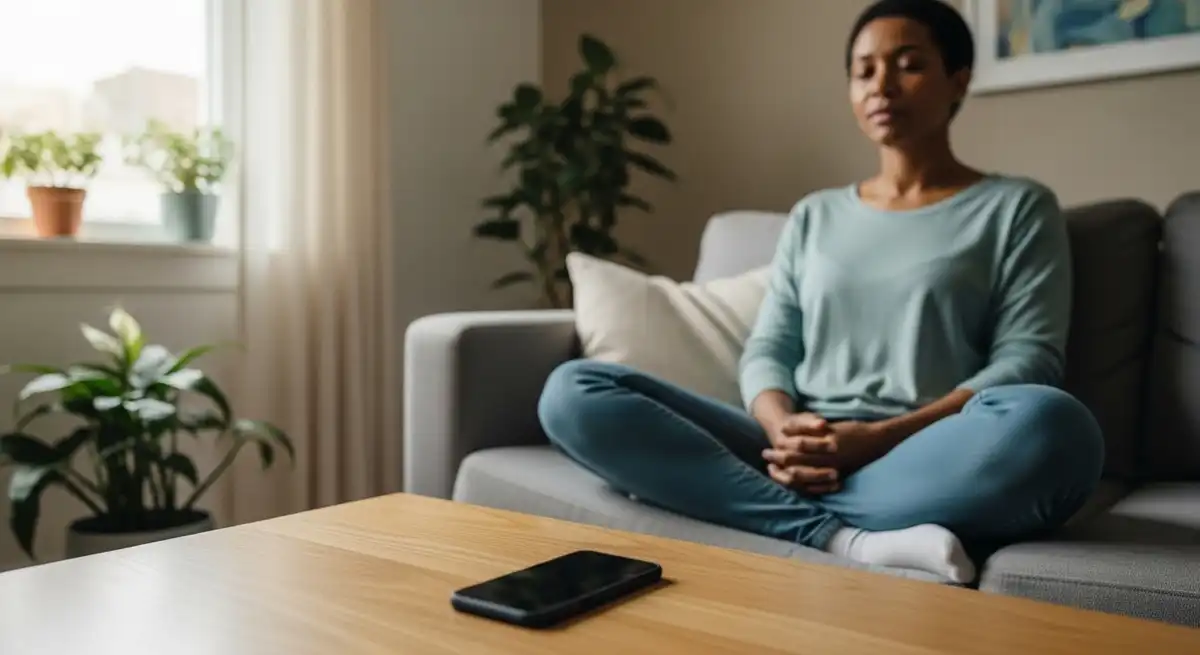
Mindful use does not require formal meditation. It involves pausing before engaging with devices. This pause supports agency.
Integrating mindfulness into routines increases self awareness. It complements other lifestyle practices. The approach stays accessible and non clinical.
Applying Mindfulness to Screen Habits
Mindful screen use includes recognizing purpose before engagement. Checking devices intentionally reduces automatic behavior. This clarity supports emotional steadiness.
Observing emotional shifts during use informs boundaries. Awareness guides adjustment without self criticism. This process builds digital literacy.
Many people include brief check ins during transitions. These moments reinforce presence. They support balance throughout the day.
Parenting and Working Life Considerations
Parents and working adults juggle many demands on attention. Screens often serve as tools for efficiency and connection. Emotional load increases when boundaries blur.
Balancing screen use supports role clarity. Dedicated work periods and family time reduce fragmentation. These structures support presence.
Wellness guidance acknowledges real life constraints. Flexibility and compassion matter. Balance evolves rather than perfects.
Everyday Integration Strategies
Practical integration focuses on realistic routines. Charging devices outside bedrooms reduces night exposure. Scheduled offline meals support connection.
These strategies suit varied lifestyles. They emphasize feasibility over ideals. Small steps build confidence.
Lifestyle balance grows through repetition. Adjustments remain personal and adaptable. No single formula fits everyone.

Professional Support and Boundaries
Lifestyle information complements professional care. Persistent emotional distress warrants qualified support. Digital habits represent one factor among many.
This content does not replace therapy or medical guidance. It supports awareness and prevention. Respecting boundaries ensures safety.
Combining lifestyle awareness with professional advice often proves helpful. Each plays a distinct role. Collaboration supports overall wellbeing.
Expanded Frequently Asked Questions
Does too much screen time cause anxiety
Excessive screen time is commonly linked with increased stress awareness rather than direct causation of anxiety. Research shows associations shaped by sleep disruption, social comparison, and reduced movement. Adjusting habits often supports emotional balance, though experiences differ and do not indicate a medical condition.
How can phone use contribute to daily stress
Phone use can add to daily stress through constant notifications, information overload, and disrupted rest. These factors increase mental stimulation and limit recovery time. Managing settings and timing often supports calmer engagement with devices.
What are common signs of digital overload
Digital overload may appear as mental fatigue, restlessness, or reduced focus after extended screen use. These experiences reflect overstimulation rather than illness. Introducing breaks and varied activities often eases these sensations.
Can reducing screen time support emotional wellbeing
Reducing screen time can support emotional steadiness by improving sleep and attention balance. Many people notice benefits with gradual changes rather than strict limits. Results vary by context and consistency.
Why does social media affect self perception
Social media influences self perception through selective presentation of others’ lives. This exposure encourages comparison without full context. Awareness and content curation help reduce emotional strain.
How much screen time is considered balanced
Balanced screen time differs by age, role, and purpose. Research supports moderation paired with healthy sleep and activity. Personal routines guide appropriate limits.
Does blue light affect mood
Blue light affects alertness and sleep timing more than mood directly. Evening exposure may influence next day emotional tone through disrupted rest. Managing timing supports balance.
What role does sleep play in digital wellbeing
Sleep mediates how screen habits influence emotional regulation. Consistent routines support resilience. Screen boundaries before bedtime promote rest readiness.
Is passive screen use less supportive than active use
Passive use often links with lower satisfaction compared to active engagement. Active use supports agency and connection. Shifting patterns improves balance.
When should professional support be considered
Professional support is appropriate when emotional distress continues despite lifestyle adjustments. Digital habits interact with broader factors. Qualified guidance ensures comprehensive care.
Conclusion
The connection between screen time and anxiety reflects how daily habits shape emotional awareness over time. Digital tools influence sleep, attention, and comparison patterns without determining outcomes. Balanced use, supported by mindful awareness and realistic routines, encourages steadier wellbeing while respecting individual needs and professional boundaries.
Medical Disclaimer
This content is for informational purposes only and does not constitute medical advice. It is not intended to diagnose, treat, cure, or prevent any condition. Always consult a qualified healthcare provider regarding mental health concerns or before making significant lifestyle changes.
For wider background on this, see the American Psychological Association on stress.