
Self-care often feels confusing when daily responsibilities pile up and advice pulls in many directions. Many households want routines that feel steady, realistic, and respectful of limited time. Self-Care Rituals Inspired by Ayurveda are commonly shared as lifestyle supports rooted in rhythm and moderation, offering structure without pressure for people balancing work, family, and personal wellbeing.
What are Self-Care Rituals Inspired by Ayurveda?
Self-Care Rituals Inspired by Ayurveda are everyday lifestyle practices that focus on routine, nourishment, and awareness rather than quick change. Originating from a long-standing Indian health tradition, they emphasize steady habits that support digestion, rest, and mental steadiness. Many people use these rituals for 20 to 30 minutes daily as a supportive framework rather than a fixed rulebook.
Self-Care Rituals Inspired by Ayurveda and Daily Balance
Dinacharya as a stabilizing daily routine
Self-Care Rituals Inspired by Ayurveda often begin with Dinacharya, which refers to maintaining consistent daily habits. Traditional guidance suggests that regular wake times, meals, and rest periods help the body recognize patterns and reduce internal stress signals. In everyday life, people usually adopt only a few elements, finding that predictability brings a sense of calm during busy schedules.
Dinacharya does not require rigid timing or early mornings for everyone. Many households start by fixing one anchor, such as a regular breakfast or bedtime. Over time, this steady rhythm can feel grounding, especially for working parents managing unpredictable demands.
Understanding doshas for individualized self-care
Self-Care Rituals Inspired by Ayurveda recognize that people respond differently to routines through the concept of doshas. Vata, Pitta, and Kapha describe tendencies related to movement, metabolism, and stability rather than medical categories. These ideas are commonly used as observation tools to notice patterns in energy, appetite, and rest.
Rather than labeling oneself strictly, many people simply observe how their body reacts to food timing, workload, or seasonal changes. This awareness supports small, thoughtful adjustments, such as choosing warming meals in cooler weather or slowing evenings during demanding weeks.
Ayurvedic biological clock and energy cycles
Self-Care Rituals Inspired by Ayurveda also reference a daily energy rhythm linked to time of day. Morning hours are traditionally associated with steadiness, midday with focus and digestion, and evenings with slowing down. Modern lifestyle education often echoes this by encouraging larger meals earlier and quieter nights.
Following this rhythm does not require perfect adherence. Small shifts, such as scheduling complex tasks earlier or eating the main meal at midday, often feel more manageable. Many people notice smoother energy patterns within a few weeks of gentle alignment.
Ayurvedic Morning Hygiene and Sensory Care
Brahma Muhurta and circadian alignment
Self-Care Rituals Inspired by Ayurveda traditionally mention Brahma Muhurta, a quiet period before sunrise. This time is associated with mental clarity and fewer distractions. From a modern perspective, consistent wake times support circadian rhythm stability, which influences alertness and sleep quality.
Not everyone can wake before sunrise, and that flexibility is widely acknowledged. Even waking slightly earlier than usual can create calm space for hydration or reflection. Over time, this gentle start may reduce rushed mornings.
Tongue scraping and oil pulling benefits
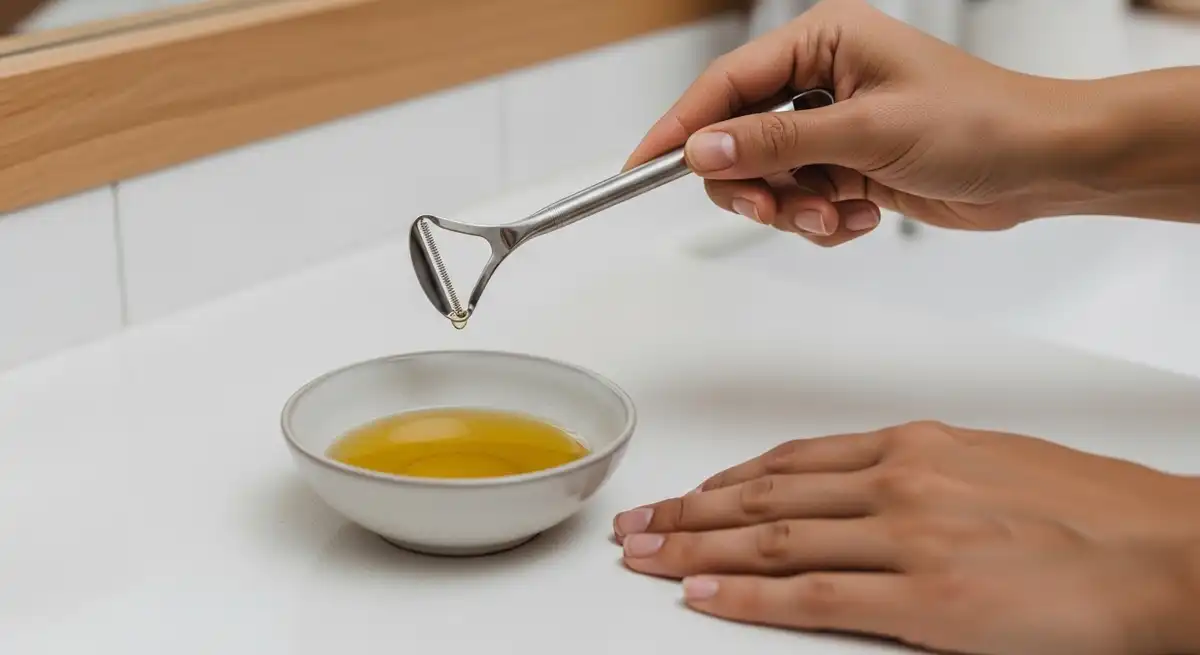
Self-Care Rituals Inspired by Ayurveda include oral care practices like tongue scraping and oil pulling. Tongue scraping removes surface buildup that forms overnight and brings attention to oral hygiene. Oil pulling involves swishing oil briefly and is commonly treated as a complementary habit.
In daily routines, people often keep these practices simple and brief. They are usually paired with regular brushing rather than replacing it. Many find the rituals helpful as sensory cues that signal the start of the day.
Nasya and sensory clarity
Self-Care Rituals Inspired by Ayurveda sometimes include Nasya, the gentle application of oil to the nasal passages. Traditionally, this practice supports comfort during dry or dusty conditions. It is generally framed as optional and seasonal rather than essential.
In everyday use, people often apply a small amount of oil in the morning when the environment feels dry. This practice is avoided during illness and adjusted based on comfort, reinforcing a cautious, supportive approach.
Abhyanga and Nervous System Regulation
Warm oil self-massage benefits
Self-Care Rituals Inspired by Ayurveda highlight Abhyanga, or self-massage with warm oil. This practice is traditionally associated with relaxation and skin nourishment. Modern stress education often notes that slow, rhythmic touch can encourage a calming response.
Many people practice abhyanga once or twice weekly rather than daily. Even short sessions before bathing can feel grounding. This flexibility makes the ritual accessible for households with limited time.
Choosing oils and massage technique
Self-Care Rituals Inspired by Ayurveda adapt oil choice to season and comfort. Sesame oil is commonly used during cooler months, while coconut oil feels lighter in warm weather. These choices are presented as practical preferences, not strict rules.
Massage technique focuses on gentle pressure with long strokes on limbs and circular motions around joints. This approach allows people to practice safely at home without specialized training or equipment.
Mindful Movement, Breath, and Nutrition
Yoga and pranayama integration
Self-Care Rituals Inspired by Ayurveda integrate gentle movement and breath awareness. Simple yoga postures encourage circulation without strain. Breathing practices like alternate nostril breathing are commonly used to support calm focus.
Most people begin with short sessions lasting five to ten minutes. Practices are kept comfortable and unforced. This gradual approach fits well into busy routines without adding pressure.
Ayurvedic nutrition and digestive fire
Self-Care Rituals Inspired by Ayurveda place importance on digestion, often described through the concept of Agni. Eating when hunger is present and favoring midday meals aligns with traditional guidance. Modern nutrition education also values mindful eating and regular timing.
Rather than strict food rules, people often focus on freshness and simplicity. Eating without distractions is encouraged when possible. These habits support awareness rather than restriction.
Evening routines for restorative sleep
Self-Care Rituals Inspired by Ayurveda conclude with evening practices known as Ratricharya. These routines emphasize slowing activity and reducing stimulation. Dimming lights and limiting screens are commonly suggested.
Warm beverages made with milk and spices are traditionally used as comforting rituals. Bedtime routines are adapted to household needs, with earlier wind-down periods often feeling more realistic than fixed sleep times.
Closing paragraph Self-Care Rituals Inspired by Ayurveda offer a steady, lifestyle-based framework rather than quick solutions. By focusing on rhythm, observation, and moderation, these practices fit into modern family and work life. Starting small and remaining flexible allows routines to grow naturally, supporting balance over time without added pressure or unrealistic expectations.
Frequently Asked Questions
What is a basic Ayurvedic morning routine?
A basic Ayurvedic morning routine usually includes consistent waking, hydration, and simple hygiene practices. These habits are commonly associated with smoother daily transitions. Many people adapt the routine to available time, focusing on one or two practices rather than the full traditional sequence.
How do I know my Ayurvedic body type or dosha?
Ayurvedic body types are described through observed tendencies in energy, digestion, and rest. Many people notice patterns over time rather than seeking fixed labels. Professional guidance can help, but everyday self-observation often provides enough insight for gentle lifestyle adjustments.
What are the benefits of Ayurvedic self-massage?
Ayurvedic self-massage is traditionally used for relaxation and skin care. Slow, rhythmic touch is commonly linked to calming responses. People usually practice it occasionally, choosing duration and frequency based on comfort and schedule.
Is oil pulling effective for oral health according to Ayurveda?
Oil pulling is a traditional oral care practice used alongside regular brushing. It is commonly viewed as supportive rather than curative. Many people include it briefly in morning routines, stopping if discomfort occurs.
What is the best time to wake up for Ayurveda?
Ayurveda traditionally suggests waking before sunrise, but flexibility is widely accepted. Consistent wake times matter more than exact hours. Even small shifts earlier can create calmer mornings when paired with earlier bedtimes.
How does Ayurveda recommend managing work stress?
Ayurveda emphasizes routine, breath awareness, and regular meals for stress support. Short, consistent practices are often preferred over occasional long sessions. This approach fits well into demanding work schedules.
Can Ayurvedic rituals help with chronic fatigue?
Ayurvedic rituals are generally framed as lifestyle supports rather than treatments. They may contribute to steadier routines and improved rest awareness. Persistent fatigue should always be discussed with a qualified healthcare professional.
What is tongue scraping and why is it done?
Tongue scraping removes surface buildup from the tongue as part of oral hygiene. It is traditionally used to support awareness of digestion. Gentle daily practice is common, with attention to comfort.
What should I eat for an Ayurvedic breakfast?
An Ayurvedic breakfast is usually warm and easy to digest. Cooked grains or stewed fruit are common examples. Portions are adjusted based on hunger rather than habit.
How do I practice Ayurvedic self-care during winter?
Winter self-care often emphasizes warmth, regular routines, and nourishing meals. Oil massage and earlier evenings are commonly suggested. Adjustments are made gradually to match climate and energy levels.
Medical Disclaimer
This content is for informational purposes only and does not constitute medical advice. It is not intended to diagnose, treat, cure, or prevent any disease. Consult a qualified healthcare provider before starting any new health routine, especially if you have medical conditions.
For wider background on this, see the National Heart, Lung, and Blood Institute on sleep.