Skin care is often framed as an appearance-focused habit, yet many people notice its emotional impact long before any visible changes appear. Simple daily routines involving touch, scent, and quiet attention often create a pause from constant responsibility. When approached as self-care, skin care becomes a steady lifestyle practice that supports emotional balance, routine consistency, and a sense of personal upkeep within everyday life.
Modern wellness education increasingly recognizes that skin responds to lifestyle patterns, emotional load, and environmental exposure rather than products alone. Long work hours, caregiving demands, disrupted sleep, and mental overload commonly show up through dryness, sensitivity, or fluctuating comfort. Viewing skin care through a self-care lens helps place these signals in context without urgency, judgment, or unrealistic expectations.
This page explains skin care as a supportive daily ritual rather than a results-driven system. The focus remains educational, realistic, and lifestyle-based, aligned with YMYL safety expectations and public wellness standards. All explanations are informational and non-clinical, offering clarity and context rather than promises or outcomes.
Skin Care as Self-Care as a Lifestyle Concept
Skin care as self-care refers to using everyday skin maintenance routines as moments of regulation and personal consistency rather than cosmetic correction. The practice highlights how routine, gentle touch, and pacing can support emotional steadiness alongside basic skin comfort. Wellness educators often describe this approach as a practical way to build calm into otherwise demanding schedules.
Unlike outcome-driven beauty routines, self-care oriented skin care values the process itself. Cleansing, moisturizing, or applying oil becomes a predictable anchor rather than another task to perfect. This reframing is especially relevant for people managing work, family, and caregiving responsibilities where personal needs are often delayed.
In everyday contexts, skin care as self-care remains simple and repeatable. It does not rely on expensive products, extended time, or specialized knowledge. The emphasis stays on regularity, sensory awareness, and emotional neutrality rather than visible change.
The Skin and Emotional Awareness Connection
The skin is the body’s largest sensory organ and plays a role in how people physically register stress and environmental change. Wellness education often notes that emotional strain can influence skin comfort through hormonal shifts and nervous system responses. These reactions are commonly described as adaptive signals rather than problems to eliminate.
Emotional load does not directly cause skin conditions, but it can affect daily habits that influence skin health. Irregular sleep, dehydration, skipped meals, and rushed routines often appear during high-pressure periods. Skin care rituals help reintroduce moments of steadiness during these phases.
Understanding skin as responsive rather than flawed reduces frustration and self-criticism. This perspective encourages gentler care choices and more consistent habits. Over time, it supports emotional self-trust instead of appearance-focused vigilance.
The Role of Routine in Emotional Stability
Daily routines are widely recognized as supportive structures for emotional regulation in lifestyle guidance. Predictable actions performed at similar times each day help create a sense of order. Skin care routines often fit naturally into morning and evening transitions.
These transitions mark shifts between activity and rest or work and home. Repeating the same simple steps daily can offer familiarity and grounding without effort. Consistency often matters more than the specific products used.
For working parents and caregivers, routine-based self-care is especially relevant. Time is limited and expectations are high. Brief, repeatable skin care rituals support personal boundaries without adding complexity.
Sensory Elements in Skin Care Rituals
Skin care routines engage multiple senses through touch, temperature, texture, and scent. Sensory engagement is commonly used in wellness practices to support awareness without formal mindfulness training. When applied gently, sensory input can create a calming effect without demanding focus.
Touch plays a central role because it provides direct physical feedback. Applying moisturizer or oil with slow, steady movements can signal safety and care to the body. This type of touch is often associated with relaxation responses in everyday settings.
Scent also shapes emotional tone. Mild, familiar fragrances are often chosen for their comforting associations. In skin care as self-care, fragrance is used subtly rather than as a dominant feature.
Stress Awareness and Skin Comfort
Stress awareness in wellness education focuses on noticing patterns rather than labeling conditions. Many people observe tighter, more reactive skin during demanding periods. These changes are usually discussed as part of broader lifestyle strain.
When stress awareness informs skin care routines, it encourages gentler choices. This may involve simplifying steps, reducing product experimentation, or avoiding over-cleansing. Such adjustments often reduce irritation linked to overuse.
Skin care rituals become check-in points rather than correction tools. They create moments to slow down and notice physical sensations without urgency. This approach supports emotional steadiness while maintaining basic care.
Gentle Touch and Everyday Regulation
Gentle touch is often described in wellness education as a non-verbal form of self-support. Applying skin care products slowly allows the body to register rhythm and pressure. This kind of touch is commonly associated with calming nervous system responses.
Unlike formal bodywork, everyday skin care touch is informal and self-directed. It does not aim to release deep tension or change posture. Its value lies in regularity and familiarity.
In busy households or high-responsibility roles, quiet moments of touch are limited. Skin care routines may provide one of the few opportunities for inward attention. Over time, this contributes to emotional balance.
Ayurvedic Perspectives on Personalized Skin Care
Ayurvedic wellness traditions describe skin tendencies through broader constitutional patterns rather than fixed categories. These patterns, often called doshas, guide lifestyle choices rather than diagnose conditions. In modern wellness use, they serve as observational tools.
From this view, skin care routines adjust based on season, stress, and daily habits. Dryness, oiliness, or sensitivity are seen as temporary states shaped by environment and routine. This encourages flexibility instead of rigid labeling.
Ayurvedic-informed skin care emphasizes moderation and consistency. Oils, herbs, and cleansing methods are chosen gently. This approach aligns well with skin care as self-care by prioritizing balance over intensity.
Facial Massage as a Supportive Practice
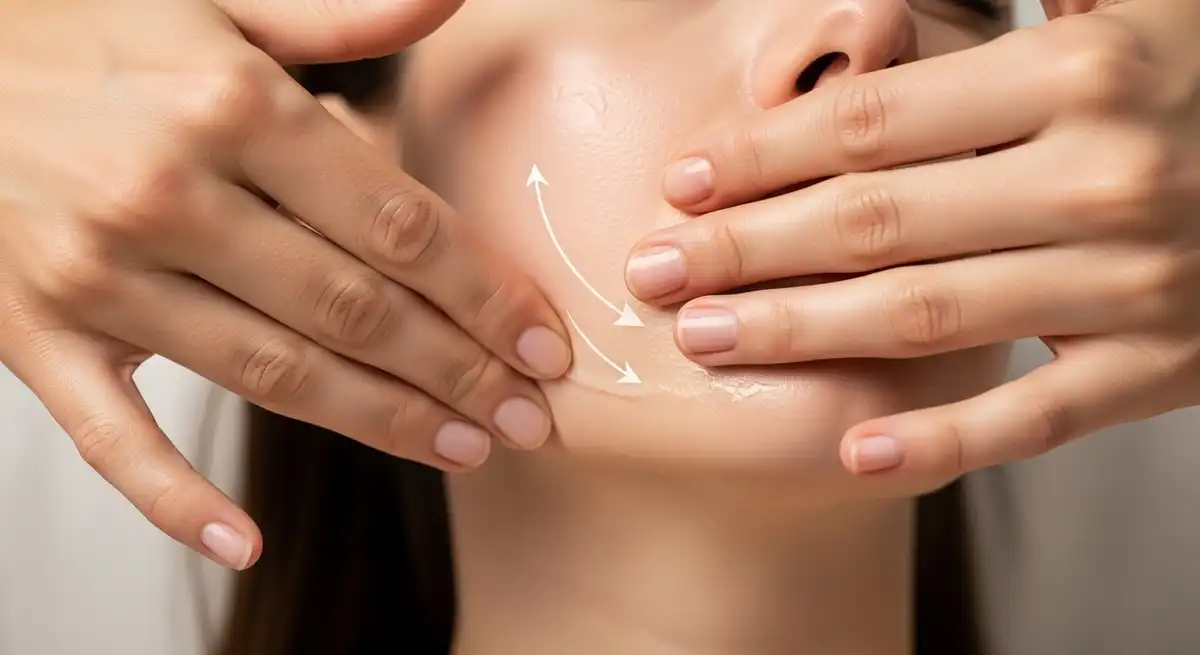
Facial massage is often included in skin care routines for comfort and circulation support. In everyday wellness settings, it is used gently without technical goals. The practice involves light pressure and repetitive movements.
Many people find facial massage helpful for releasing habitual facial tension. Jaw clenching, brow holding, and shallow breathing often accompany daily stress. Gentle massage brings awareness to these patterns without forcing change.
As a self-care ritual, facial massage remains brief and informal. It may occur during cleansing or moisturizing. The focus stays on sensation and presence rather than visible results.
Lymphatic Awareness in Everyday Care
Lymphatic awareness in wellness education refers to understanding how gentle movement supports fluid balance. The lymphatic system relies on movement and breathing rather than pumping. Facial movements during skin care may contribute modestly to this process.
In non-clinical settings, lymphatic concepts encourage gentleness rather than force. Light sweeping motions and upright posture are commonly suggested. Aggressive manipulation is generally discouraged.
This approach fits skin care as self-care by reinforcing patience and restraint. It avoids outcome-driven expectations and emphasizes comfort. The practice supports awareness without medical claims.
Nutrition as Part of Skin Care Awareness
Nutrition is often discussed alongside skin care as part of a broader lifestyle picture. Wellness education emphasizes that skin reflects overall nourishment patterns rather than single foods. Balanced meals, hydration, and regular eating habits are commonly linked to skin comfort.
Rather than promoting restriction, skin care as self-care encourages steady nourishment. Skipping meals or extreme diets can affect energy and emotional balance, indirectly influencing skin. A supportive approach values consistency over control.
This perspective is especially relevant for parents and working individuals with irregular schedules. Simple, reliable nutrition supports both emotional regulation and physical maintenance. Skin care routines often reinforce this awareness.
Supplements and Safety Awareness
Ingestible supplements for skin health are widely available, but wellness education emphasizes informed and cautious use. Supplements are described as optional supports rather than necessities. Responses vary based on overall lifestyle and health.
Skin care as self-care avoids presenting supplements as solutions. Consultation with qualified professionals is commonly recommended before long-term use. This aligns with YMYL safety standards.
The emphasis remains on foundational habits like hydration, rest, and routine. Supplements stay secondary within a balanced lifestyle.
Nighttime Skin Care and Daily Closure
Evening skin care routines often act as markers of daily closure. Removing makeup, cleansing, and moisturizing signal the shift from activity to rest. This consistency supports wind-down without promising sleep improvement.
Nighttime routines are typically slower and quieter than morning care. Reduced light and fewer interruptions allow more sensory awareness. This supports emotional downshifting after demanding days.
For caregivers and working parents, nighttime skin care may be one of the few uninterrupted moments. Keeping the routine simple helps maintain consistency without pressure.
Skin Care and Parenting Responsibilities
Parents often postpone personal care due to time and emotional load. Skin care as self-care reframes personal upkeep as sustainability rather than indulgence. This supports long-term wellbeing without conflicting with caregiving roles.
Children also observe adult self-care behaviors. Calm, routine-based practices model balance without instruction. Skin care rituals quietly demonstrate that care can coexist with responsibility.
In practice, parent-focused routines remain brief and flexible. They adapt to interruptions and changing schedules. This realism aligns with responsible wellness communication.
Skin Care in Working Life Contexts
Working professionals often face cognitive overload and time pressure. Skin care rituals offer a tactile contrast to screen-based tasks and abstract thinking. This sensory grounding supports emotional steadiness without extra effort.
Morning routines help mark the shift into work roles. Evening routines support disengagement from stimulation. Skin care fits naturally into both transitions.
Workplace wellness guidance increasingly recognizes these micro-practices. They are accessible, low-cost, and adaptable. Skin care as self-care reflects these principles.
Mindfulness Principles Without Formal Practice
Mindfulness is often misunderstood as requiring meditation or focused attention. In lifestyle education, mindfulness principles can appear through ordinary activities. Skin care routines offer moments of non-striving awareness.
This form of mindfulness does not require observing thoughts or emotions. Attention rests on physical sensations and simple actions. This reduces mental load and improves accessibility.
Skin care as self-care integrates mindfulness indirectly. Presence emerges without instruction, making it suitable for people who find formal practices difficult.
Emotional Neutrality and Self-Care Language
Responsible wellness communication avoids framing self-care as a fix for emotional distress. Skin care as self-care is presented as supportive rather than corrective. This maintains realistic expectations.
Language matters in YMYL contexts. Describing practices as commonly helpful rather than effective avoids overstatement. This respects individual variation and builds trust.
Skin care rituals are framed as maintenance, not transformation. This supports sustainable engagement.
FAQs
Does skincare help with mental health and anxiety?
Skin care routines are commonly associated with emotional steadiness because they involve routine, touch, and sensory engagement. They are often used as supportive lifestyle practices rather than interventions for mental health conditions. Many people find them helpful for daily regulation, but they do not replace professional mental health care.
What is the connection between the skin and the brain?
The skin and brain share developmental and sensory pathways that influence how the body responds to stress and environment. Emotional load can affect skin comfort through hormonal and behavioral changes. This connection is discussed in wellness education as part of understanding lifestyle patterns rather than diagnosing conditions.
How can skincare be practiced as self-care safely?
Skin care as self-care is typically practiced through simple, consistent routines that prioritize comfort. Gentle cleansing, moisturizing, and slow application are commonly used. Safety involves avoiding overuse, harsh products, and unrealistic expectations.
What are Ayurvedic beauty rituals used for in everyday life?
Ayurvedic beauty rituals are often used to support balance and routine rather than treat skin concerns. They involve observing seasonal changes and adjusting care gently. In modern contexts, they are applied flexibly as lifestyle guidance.
How does stress commonly affect skin appearance?
Stress can influence sleep, hydration, and routine consistency, which may affect skin comfort. These changes are usually temporary and reflect broader lifestyle strain. Skin care routines can help maintain baseline care during these periods.
Can nighttime skincare improve sleep quality?
Nighttime skin care routines are often associated with relaxation because they mark the end of daily activity. They support routine and sensory calming but do not directly improve sleep. Their value lies in consistency and closure.
Are beauty supplements necessary for healthy skin?
Beauty supplements are generally considered optional and not essential for skin care. Their effects vary and depend on overall lifestyle factors. Consultation with a qualified professional is commonly recommended before regular use.
How can busy parents maintain skin care routines?
Busy parents often benefit from keeping skin care routines brief and flexible. Consistency matters more than complexity. Even minimal routines can support personal maintenance without adding pressure.
Is facial massage safe for everyday use?
Facial massage is generally considered safe when done gently and infrequently. It should avoid active irritation or broken skin. The practice is commonly used for comfort rather than physical change.
Can skin care routines support emotional balance long term?
Skin care routines can support emotional balance as part of broader lifestyle structure. They contribute to routine, sensory grounding, and self-awareness. Long-term wellbeing depends on many factors beyond skin care alone.
Conclusion
Skin care as self-care reframes everyday routines as acts of maintenance rather than correction. Through consistency, gentle touch, and sensory awareness, these rituals support emotional steadiness within ordinary life. When approached realistically and without expectation, skin care becomes a sustainable lifestyle practice aligned with responsible wellness education.
Medical Disclaimer
This content is for informational purposes only and does not constitute medical advice. It is not intended to diagnose, treat, cure, or prevent any condition. Consult a qualified healthcare provider before starting new wellness practices, supplements, or routines, especially if you have existing health concerns.
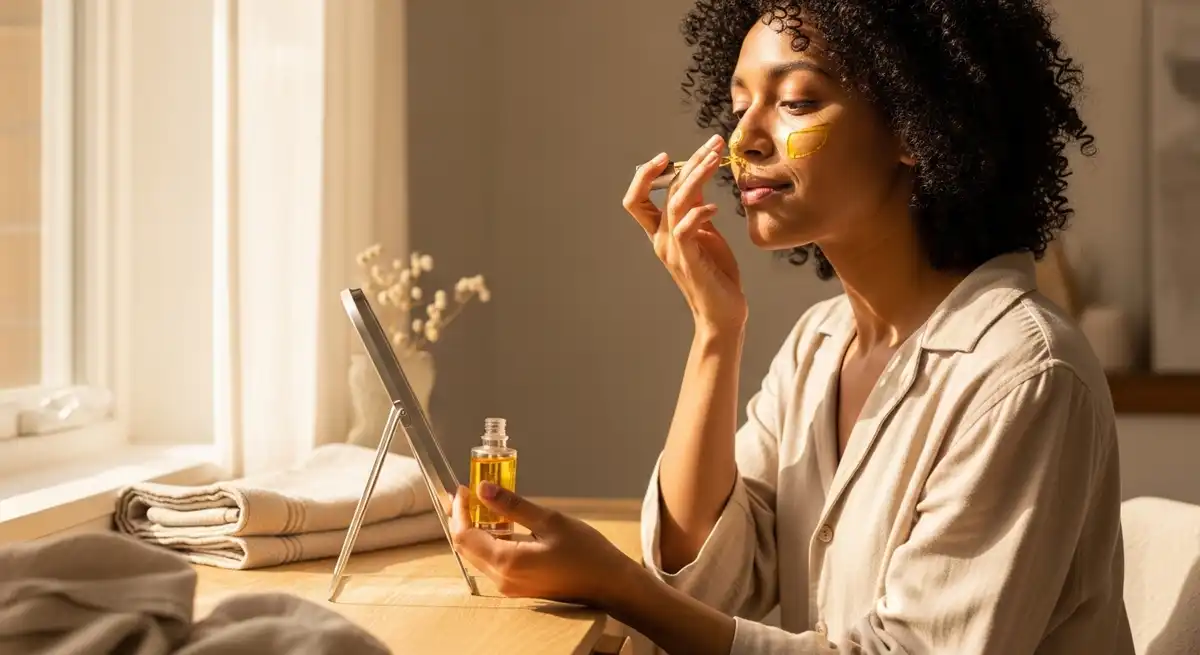
Prompt 1: Featured Image A serene, photorealistic wellness scene showing a diverse adult gently applying facial oil at a sunlit wooden vanity, soft linen textures, neutral earth tones, warm natural lighting, calm reflective mood, shallow depth of field, editorial skincare photography, horizontal composition, minimal styling, authentic home environment, professional magazine quality, no exaggerated beauty standards, inclusive representation.
Prompt 2: Supporting Concept Image Close-up instructional image of hands performing gentle facial massage along jawline and cheeks, neutral background, clear directional focus, soft diffused lighting, natural skin textures, minimalist composition, educational clarity, diverse skin tone representation, clean aesthetic suitable for wellness blogs, horizontal orientation, professional instructional photography.
Prompt 3: Inspirational Image Lifestyle photograph of a person resting peacefully near a window after evening skincare ritual, soft golden light, muted greens and creams, relaxed posture, emotional contentment, realistic home setting, balanced composition, editorial wellness photography style, inclusive age representation, calm aspirational mood without perfection emphasis.
For wider background on this, see the National Heart, Lung, and Blood Institute on sleep.