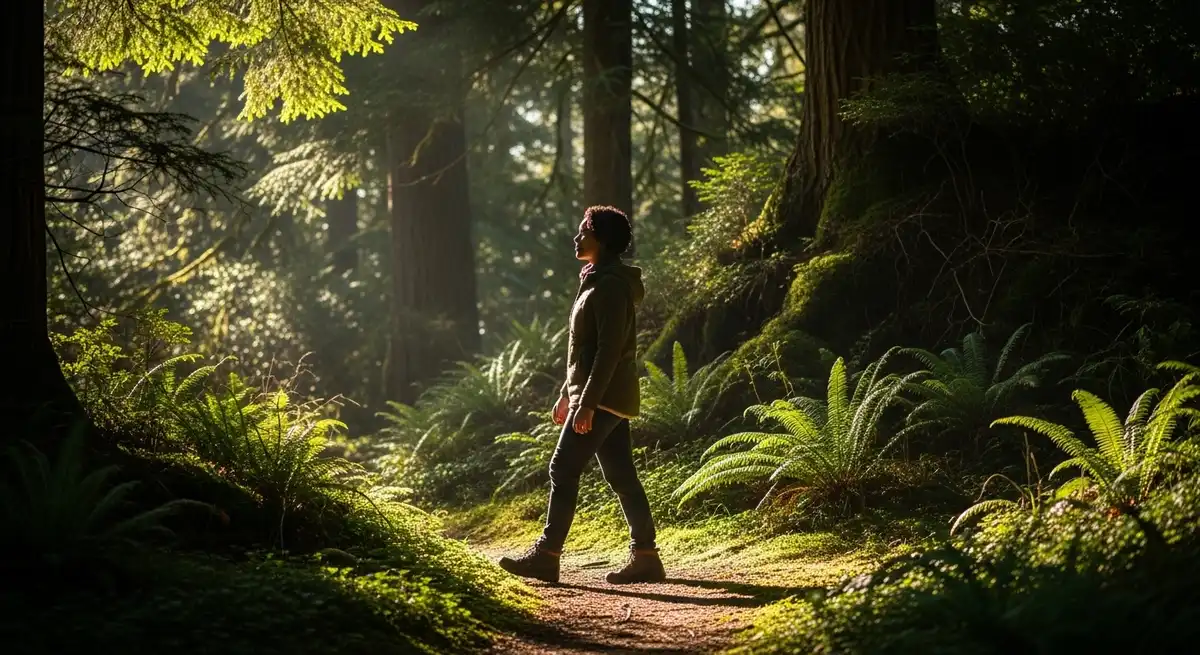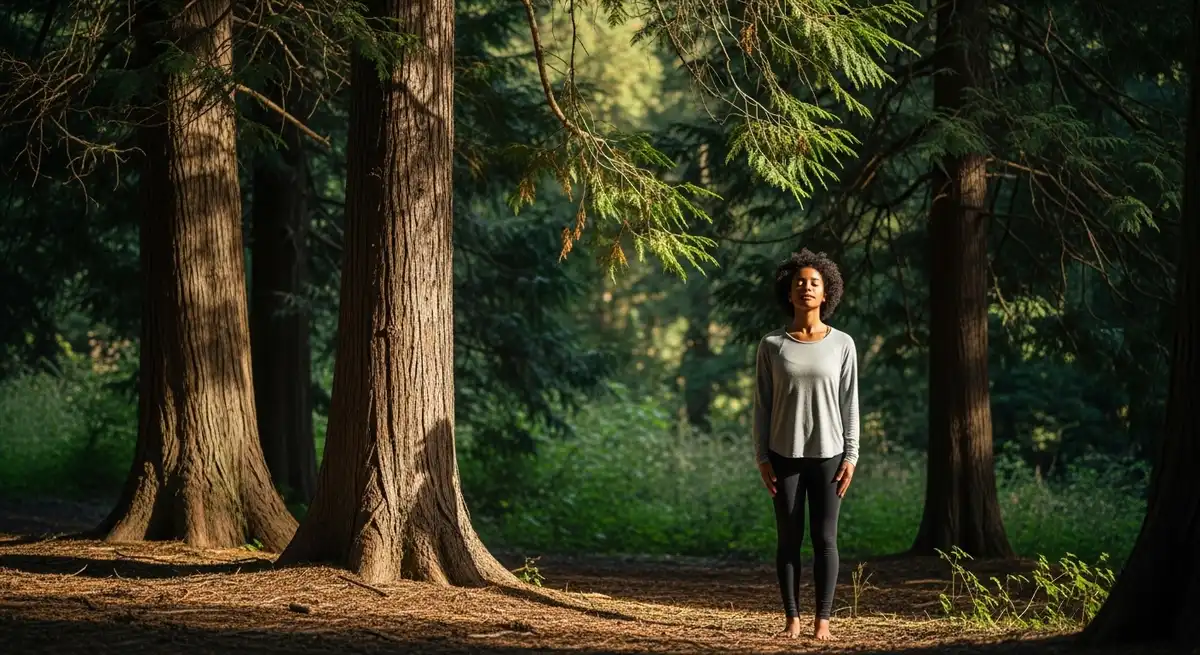
Forest bathing is a structured yet gentle lifestyle practice that involves spending slow, attentive time in wooded or tree-rich environments. The term comes from the Japanese concept of shinrin yoku, meaning taking in the forest atmosphere through the senses rather than through physical effort. Wellness educators describe forest bathing as an awareness-based activity that supports calm attention and environmental connection without exercise goals.
Modern routines often keep people mentally alert for long hours, especially in urban settings shaped by screens, schedules, and constant noise. Forest bathing is commonly used as a quiet counterbalance to this stimulation, offering space where the mind and body can slow naturally. Its appeal lies in accessibility, as it requires no equipment, training, or physical conditioning to practice safely.
Public health researchers began examining forest bathing to understand why time in natural environments appeared calming across cultures and age groups. Over time, studies suggested that forest settings influence stress perception, attention regulation, and physiological responses. These findings positioned forest bathing as a supportive lifestyle habit rather than a recreational trend or therapeutic treatment.
The Healing Science Behind Forest Bathing: Understanding Forest Bathing as a Lifestyle Practice
Forest bathing differs from activities like hiking or outdoor fitness because it removes performance expectations entirely. The practice focuses on slow walking, standing, or sitting while allowing the senses to register the surrounding environment. Many people find this approach helpful because it replaces goal-oriented behavior with simple presence.
Lifestyle guidance often frames forest bathing as a form of environmental mindfulness. Participants are encouraged to notice visual patterns, natural sounds, and subtle scents without trying to analyze or improve the experience. This reduction in mental effort supports nervous system settling, especially for people accustomed to constant decision-making.
Forest bathing is typically practiced alone or in small groups, depending on comfort and preference. It is often used during weekends, short breaks, or quiet mornings when fewer distractions are present. Because sessions can be brief or extended, the practice adapts easily to varied schedules and energy levels.
The Science of Sensory Exposure in Forest Environments
Forest environments offer sensory input that differs greatly from built spaces. Visual greenery, organic textures, and natural light patterns provide gentle stimulation that does not demand rapid processing. Environmental psychology research associates such settings with reduced mental fatigue and improved attentional balance.
Visual exposure to trees and plants is linked with calmer brain activity patterns. Repeating natural forms, such as leaves and branches, are processed more smoothly than sharp or artificial shapes. This supports sustained attention without creating sensory overload.
Soundscapes in forests often include wind, birds, and distant movement rather than abrupt noise. These sounds follow irregular but predictable rhythms that do not require interpretation. Many people report feeling mentally refreshed after forest exposure, even without deliberate relaxation techniques.
Phytoncides and Forest Air Composition
Phytoncides are aromatic compounds released by trees as part of their natural defense systems. These substances contribute to the distinctive scent of forests, particularly in pine, cedar, and cypress areas. Scientific studies have explored how breathing air containing these compounds may influence human physiological responses.
Research suggests that exposure to phytoncides is associated with shifts in nervous system activity linked to relaxation. Time spent breathing forest air has been linked with changes in stress-related hormone levels and immune markers. These effects are observed during slow, non-strenuous exposure.
In everyday wellness contexts, phytoncides are not treated as medicinal substances. Instead, they are described as one of several environmental qualities that make forests calming. Gentle breathing and stillness allow natural exposure without deliberate effort or technique.
Immune System Associations Observed in Research
Several studies have examined immune markers before and after forest bathing experiences. Findings often note temporary increases in natural killer cell activity following extended forest exposure. These cells are involved in general immune surveillance within the body.
Wellness educators emphasize that these findings describe associations rather than treatments. Forest bathing is not presented as an intervention for immune conditions. It is framed as a supportive lifestyle habit that aligns with broader health maintenance practices.
Participants in research settings usually engage in slow walking, sitting, and observation. Environmental exposure appears more influential than physical movement. This supports forest bathing as an accessible activity across age groups and physical abilities.
Attention Restoration and Mental Clarity
Attention restoration theory helps explain why natural environments support cognitive recovery. Modern work and digital tasks require prolonged directed attention, which leads to mental fatigue over time. Forest settings engage involuntary attention, allowing directed attention systems to rest.
This process occurs without conscious effort. Gentle stimuli like light movement and natural sound hold awareness softly rather than demanding focus. Many people notice improved mental clarity after forest time without intentional concentration exercises.
In daily life, forest bathing is often used as a pause from mentally demanding routines. It supports reflection and calm awareness rather than problem-solving. This makes it especially relevant for people managing high cognitive workloads.
Soft Fascination and Environmental Ease
Soft fascination refers to attention drawn effortlessly by non-demanding stimuli. Forests naturally provide this through patterns, textures, and subtle motion. Environmental psychology identifies soft fascination as a key element of restorative settings.
When attention is held gently, mental strain decreases. Emotional regulation processes can stabilize without deliberate control. Many individuals describe a sense of mental lightness after time spent in such environments.
Forest bathing encourages noticing rather than analyzing surroundings. This prevents mental effort from replacing relaxation. The practice remains accessible because it avoids technique-driven complexity.
Cardiovascular Responses in Natural Settings
Studies comparing forest and urban environments often measure heart rate and blood pressure. Results frequently show lower readings during forest exposure. These changes are associated with parasympathetic nervous system activity linked to relaxation.
These observations are interpreted as indicators of calm rather than physical conditioning. Forest bathing is not framed as cardiovascular training. It is described as an environmental influence that supports physiological balance.
People with existing cardiovascular concerns are encouraged to approach forest bathing gently. Slow pacing and rest reduce strain. Healthcare consultation is generally advised when adding new lifestyle activities.
Metabolic Observations and Environmental Context
Research has explored how calm environments may influence metabolic markers. Some studies observe changes in hormones related to energy regulation following forest exposure. These findings suggest environmental context can affect physiological balance indirectly.
Forest bathing does not involve dietary change or exertion. Its potential metabolic associations are thought to arise from nervous system regulation. Reduced stress perception may support broader bodily equilibrium.
Lifestyle discussions present these findings cautiously. Forest bathing is not promoted as a solution for metabolic conditions. It is described as one supportive factor within balanced routines.
Stress Awareness and Autonomic Balance
Stress awareness involves noticing internal states without immediate correction. Forest bathing supports this by slowing sensory input and reducing external demands. Many people find it easier to notice bodily cues in quiet natural settings.
The autonomic nervous system responds to signals of safety and calm. Forest environments often provide consistent, non-threatening sensory patterns. This supports parasympathetic activity associated with rest and recovery.
Forest bathing sessions commonly include pauses for breathing and observation. These pauses are not framed as exercises. They allow natural rhythms to re-establish without instruction.
Sleep Quality and Environmental Calm
Sleep researchers note that daytime stress influences nighttime rest. Activities that encourage nervous system settling may indirectly support sleep quality. Forest bathing is often practiced earlier in the day for this reason.
Exploratory studies observe changes in sleep efficiency after forest exposure. Participants report longer total sleep time and fewer awakenings. These outcomes are described as associations rather than guarantees.
Forest bathing is not positioned as a sleep treatment. It is considered part of a calming lifestyle pattern. Reducing stimulation after forest time may help preserve its settling effects.
Psychological Wellbeing and Mood Patterns
Psychological wellbeing includes mood stability, energy levels, and emotional regulation. Forest bathing research often uses standardized mood assessments. Results frequently show reduced tension and improved vigor after sessions.
These changes are interpreted as short-term mood support. Forest bathing is not described as therapy. It is presented as an environment that supports emotional ease.
People experiencing persistent emotional distress are encouraged to seek professional care. Forest bathing may complement support but does not replace clinical guidance.
Forest Based Programs and Structured Use
Some wellness programs offer guided forest bathing sessions. Facilitators support slow pacing and sensory awareness while keeping structure minimal. This reduces pressure and supports comfort.
Participants often feel more at ease engaging in silence with guidance. Group settings allow shared presence without discussion. Such programs are common in retreats and community initiatives.
Guided sessions are optional. Many people practice independently. Both approaches fit within lifestyle wellness frameworks.
Practicing Forest Bathing Safely
Forest bathing begins with choosing an accessible natural area. Safety considerations include stable ground, weather awareness, and appropriate clothing. These steps support comfort and reduce distraction.
Many practitioners silence or leave devices behind. This limits interruptions and supports attention restoration. The goal is reduced demand rather than isolation.
Sessions involve slow walking or stillness. Sitting is acceptable. Forest bathing adapts easily to different physical capacities.
Engaging the Five Senses in Practice
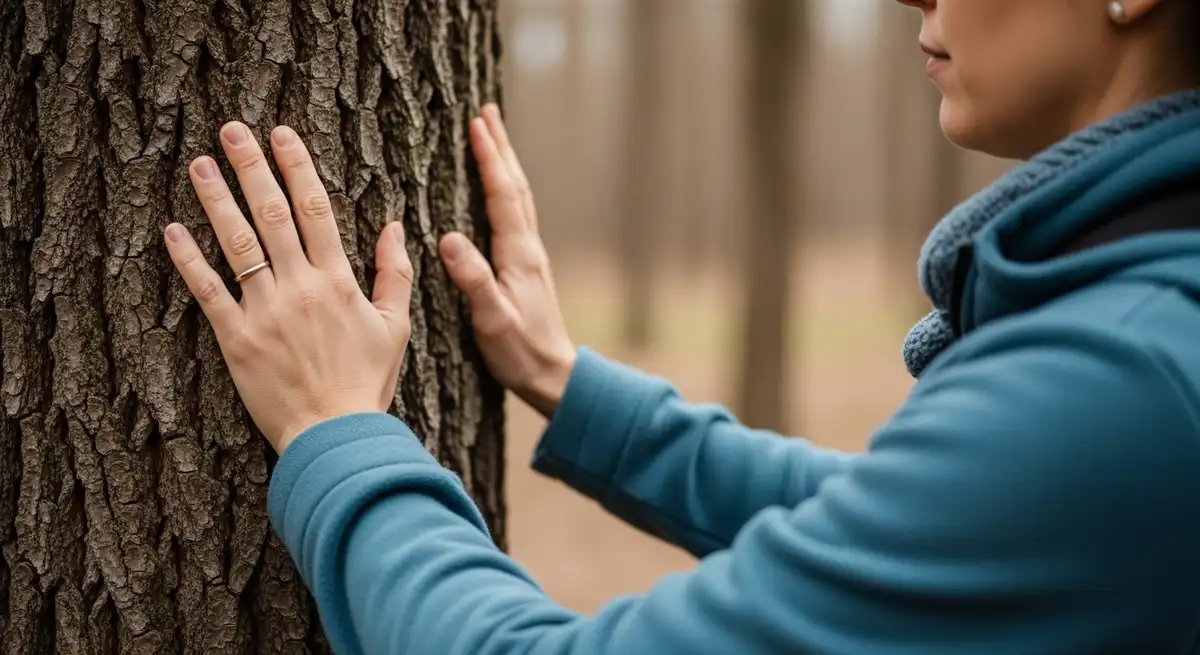
Visual awareness involves noticing color variation and light movement without judgment. Auditory awareness includes near and distant sounds. Touch may involve air temperature or tree bark.
Smell arises naturally through breathing. Taste awareness is limited to fresh air sensations. Eating is not required.
These sensory elements together support grounded awareness. No element requires focus or control.
Time Frames and Frequency
Forest bathing sessions often last between twenty and ninety minutes. Short sessions fit daily routines. Longer sessions may occur on weekends.
Consistency is valued more than duration. Regular exposure supports familiarity and comfort. Many people practice weekly or monthly.
There is no required schedule. Flexibility supports sustainability.
Parenting and Family Life Relevance
Parents often manage ongoing cognitive and emotional demands. Forest bathing offers quiet time without multitasking. This simplicity can feel restorative.
Families may practice together without instruction. Children naturally engage with sensory elements. Shared presence supports calm connection.
Natural settings provide space free from household tasks. This supports emotional reset for caregivers.
Working Mothers and Lifestyle Balance
Working mothers often juggle overlapping responsibilities. Forest bathing provides non-productive time without expectations. This supports mental reset.
Short sessions during breaks are common. Nearby green spaces allow access without travel. The practice respects time limits.
Low mental effort makes forest bathing accessible during fatigue. Many women find it easier than structured routines.
Urban Access and Adaptation
Not everyone has access to forests. Urban parks and tree-lined streets can still support forest bathing principles. Sensory awareness remains central.
Even limited greenery can feel supportive. Choosing quieter times helps immersion. Adaptation supports inclusion.
Forest bathing prioritizes experience over ideal settings.
Cultural Context and Global Use
Forest bathing originated in Japan but resonates worldwide. Many cultures value time in nature. The practice aligns with diverse traditions.
Modern explanations emphasize scientific observation. This supports broad acceptance. Cultural respect remains important.
Forest bathing is not belief-based. It functions as environmental interaction.
Ethical Wellness Communication
Responsible wellness communication avoids promises. Forest bathing is described through observed associations. This maintains trust.
Education emphasizes autonomy. Participation is optional and flexible. No pressure is applied.
This approach aligns with public health standards. Safety and realism guide presentation.
Conclusion
The healing science behind forest bathing shows how natural environments support attention, sensory regulation, and physiological balance. Through gentle exposure rather than effort, forest bathing fits into everyday life without performance demands. Practiced thoughtfully, it functions as a calm lifestyle support that complements modern routines while respecting individual needs.
Frequently Asked Questions
What is the science behind forest bathing
The science behind forest bathing describes observed changes in stress perception, attention patterns, and physiological markers during forest exposure. Research focuses on environmental factors such as sensory input and air composition. These findings frame forest bathing as a supportive lifestyle practice rather than a medical intervention.
Does forest bathing help with everyday stress
Forest bathing is commonly associated with reduced perceived stress in daily life. Calm environments support nervous system settling through sensory regulation. It is generally used as a complementary habit alongside other stress awareness strategies.
How long should forest bathing sessions last
Forest bathing sessions often last between twenty and ninety minutes depending on access and comfort. Short sessions can still feel supportive. Consistency is often valued more than duration.
Is forest bathing different from hiking
Forest bathing differs from hiking because it emphasizes slow presence rather than physical exertion. Movement is optional and unstructured. The focus remains on sensory awareness rather than fitness goals.
Can children participate in forest bathing
Children can participate naturally through observation and exploration. Forest bathing does not require instruction or silence. Shared outdoor time often supports calm engagement.
Is forest bathing safe for older adults
Forest bathing is generally accessible to older adults due to its slow pace. Sitting and standing are acceptable alternatives. Attention to terrain supports safety.
Do urban parks provide similar benefits
Urban parks with trees can support forest bathing principles. Sensory awareness remains central. Quieter areas improve the experience.
Is guidance required to practice forest bathing
Guidance is optional rather than necessary. Many people practice independently. Facilitated sessions may support beginners.
How often is forest bathing practiced
Forest bathing frequency varies widely. Some people practice weekly while others engage monthly. Flexibility supports sustainability.
Does forest bathing replace professional care
Forest bathing does not replace medical or psychological care. It is considered a lifestyle support practice. Professional guidance remains essential for health concerns.
Medical Disclaimer
This content is for informational purposes only and does not constitute medical advice. It is not intended to diagnose, treat, cure, or prevent any disease. Consult a qualified healthcare provider before starting any new health practice, especially if you have existing medical conditions.
For wider background on this, see the American Psychological Association on stress.