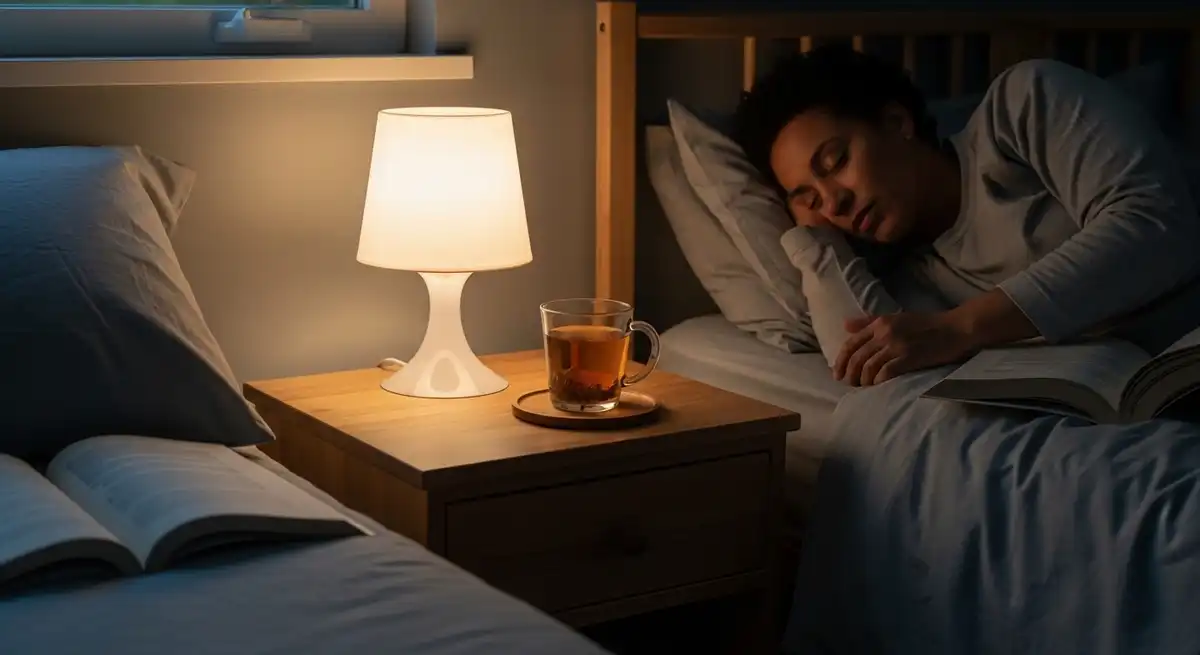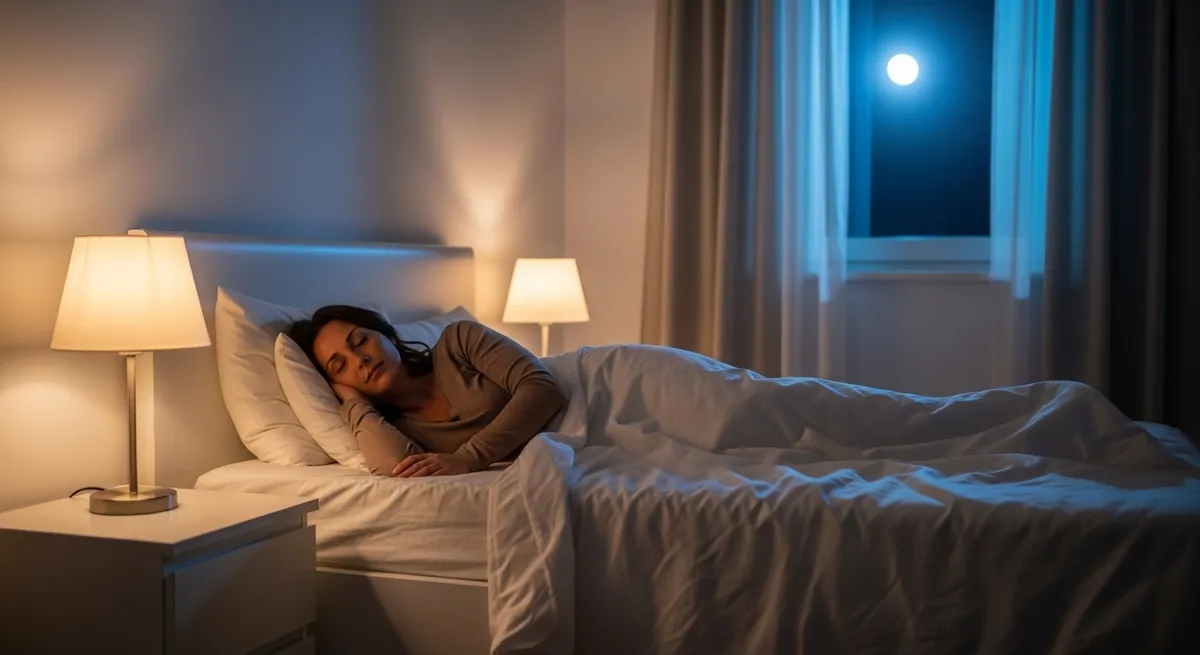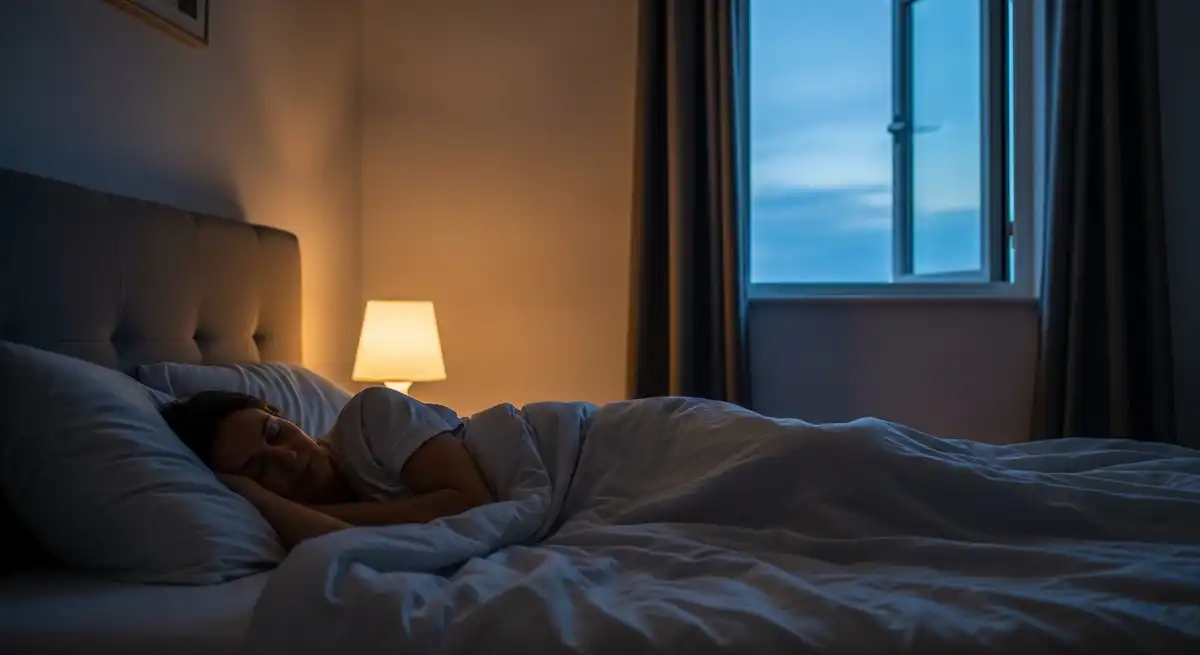
The point of 10 Evening Rituals for the Best Sleep of Your Life is not discipline. It is removing decisions you should not have to make twice. Sleep quality is shaped well before bedtime arrives. For many people, evenings carry leftover work stress, household responsibilities, and digital exposure that quietly keep the nervous system alert. Wellness educators often explain that sleep struggles usually reflect how the day ends, not what happens in bed. Evening rituals provide a realistic, steady way to help the body and mind move from activity into rest.
Modern routines rarely allow a natural slowdown. Artificial lighting, late meals, and constant notifications blur the boundary between day and night. Over time, this pattern can interfere with circadian rhythm, the internal timing system that guides sleep and wake cycles. Evening rituals are commonly used as lifestyle supports to restore predictability and reduce stimulation without extreme or unrealistic changes.
Evening rituals are not about perfection or strict rules. They are repeatable signals that help the brain recognize when the day is closing. When practiced consistently, these habits are often associated with a greater sense of calm and readiness for sleep. The sections below explain ten evening rituals one by one, using grounded explanations that fit real daily life.
10 Evening Rituals for the Best Sleep of Your Life: Understanding evening rituals and sleep regulation
Evening rituals are simple habits practiced at similar times each night to support the shift from wakefulness to rest. Lifestyle guidance often emphasizes repetition over duration, since the nervous system responds to familiar patterns. These rituals aim to reduce stimulation, support melatonin production, and encourage the body’s natural relaxation response.
Sleep regulation depends on two main processes, sleep pressure and circadian rhythm. Sleep pressure builds through daily activity, while circadian rhythm responds to light, temperature, and routine. Evening rituals help align these processes by calming mental activity and signaling that night is approaching. Many people notice gradual improvement when small changes are repeated consistently.
Evening routines matter even more for parents and working adults with unpredictable schedules. While mornings are often rushed, evenings allow space for intentional slowing. Wellness educators frequently note that flexible rituals work better than rigid routines. Adaptability helps rituals fit real life rather than compete with it.
1. Following the 10-3-2-1-0 sleep rule
The 10-3-2-1-0 sleep rule is a time-based structure that organizes the final hours of the day. It suggests stopping caffeine ten hours before bed, avoiding alcohol and heavy meals three hours before, ending work tasks two hours before, turning off screens one hour before, and avoiding the snooze button in the morning. This framework simplifies evening decisions.
Caffeine can stay active in the body longer than expected, which is why an early cutoff is often recommended. Alcohol and large meals close to bedtime are commonly linked with lighter, fragmented sleep. Ending work tasks earlier allows mental activity to slow, which many people find helpful when trying to fall asleep.
The final steps focus on light exposure and wake time consistency. Screens emit light that can delay melatonin release, while irregular mornings weaken circadian rhythm. Many people treat this rule as a guide rather than a strict checklist. Over time, it helps create clearer boundaries between daytime activity and nighttime rest.
2. Using the 90-minute temperature hack
The body naturally cools as sleep approaches, and evening temperature changes can support this process. The 90-minute temperature hack involves taking a warm bath or shower about ninety minutes before bedtime. Warm water increases blood flow to the skin, which allows heat to release afterward and lowers core body temperature.
This cooling phase is commonly associated with faster sleep onset. Research in sleep science shows that falling body temperature signals the brain that nighttime has begun. Many people also find that warm water creates physical relaxation, which reduces restlessness without active effort.
When baths are not practical, similar effects may come from warming the feet or using a heating pad briefly. The key is allowing enough time for cooling before sleep. This ritual is typically used as a supportive habit rather than a guaranteed solution.
3. Keeping the bedroom cool for sleep support
A cool bedroom environment is widely considered supportive for sleep. Sleep specialists often suggest a temperature range between 15 and 19 degrees Celsius, depending on comfort and climate. This range aligns with the body’s natural nighttime cooling and helps reduce unnecessary awakenings.
Rooms that are too warm can increase restlessness and subtle alertness. When the body struggles to cool, sleep stages may become lighter. Many people notice better comfort and deeper rest when they adjust airflow, bedding, or ventilation to maintain a cooler environment.
Cooling strategies vary by household. Breathable fabrics, lighter blankets, or fans can help when air conditioning is unavailable. The goal is balance, not discomfort. This ritual works best alongside other evening habits that support natural rhythms.
4. Creating darkness and reducing noise
Darkness plays an important role in melatonin production. Bright or overhead lighting at night can delay the brain’s sleep signals. Creating a dark sleep environment helps reinforce the difference between day and night and supports rest.
Noise can keep the nervous system slightly alert, even when it does not fully wake a person. White noise or steady background sounds are often used to reduce sudden disturbances. Many people find that minimizing sensory input helps maintain deeper sleep stages.
This ritual is especially relevant in shared or urban living spaces. Blackout curtains, eye masks, or simple lighting adjustments can make a noticeable difference. The aim is reducing stimulation, not achieving perfect silence or darkness.
5. Managing evening light exposure
Light exposure strongly influences circadian rhythm. Viewing natural light in the late afternoon or early evening helps anchor the internal clock. This practice strengthens the contrast between day and night, supporting melatonin release later.
Bright artificial light at night sends a daytime signal to the brain. Overhead lights, televisions, and device screens contribute to this effect. Many people benefit from dimming lights and using warmer tones as evening progresses.
When screens cannot be avoided, some individuals use blue light filtering tools as partial support. These tools reduce but do not remove stimulation. This ritual works best as part of a broader approach to evening calm.
6. Practicing progressive muscle relaxation
Progressive muscle relaxation involves gently tensing and releasing muscle groups in sequence. The practice increases awareness of physical tension and encourages gradual release. It is often used in everyday wellness routines to support relaxation before sleep.
By focusing on physical sensation, attention shifts away from mental activity. Many people find this approach calming without requiring visualization or complex breathing patterns. It can be done lying down or seated comfortably.
Progressive muscle relaxation is usually practiced for short periods. Gentle effort is key, avoiding strain or discomfort. This ritual supports physical unwinding and complements mental calming habits.

7. Using gentle evening movement
Gentle movement in the evening helps release stiffness from the day. Light stretching, slow yoga, or relaxed mobility exercises are commonly used to support comfort before bed. These movements differ from intense workouts that raise alertness.
Slow movement encourages the body’s relaxation response. Many people notice areas of tension they missed during busy hours. This awareness supports easing into rest without pressure.
Evening movement routines are typically brief and flexible. They are often helpful for desk workers or parents with limited time. The focus remains comfort rather than performance.
8. Journaling to support mental unloading
Evening journaling is commonly used to reduce mental carryover from the day. Writing thoughts or tasks allows the mind to release information instead of holding it internally. This practice is often linked with less bedtime rumination.
Structured journaling tends to work better than open-ended writing late at night. Many people keep it brief and end well before bedtime. Including a neutral or appreciative note can help shift emotional tone without denying challenges.
This ritual is practical rather than emotional. It does not require deep reflection. Its main purpose is creating mental space before sleep.
9. Using stimulus control for bed association
Stimulus control strengthens the connection between bed and sleep. When beds are used for work or screens, the brain may associate them with alertness. Limiting bed use to sleep and intimacy helps reinforce its role as a rest cue.
If sleep does not arrive easily, leaving the bed briefly for a calm activity under dim light can reduce frustration. This approach prevents the bed from becoming linked with wakefulness. Over time, associations shift through repetition.
Stimulus control is commonly included in sleep hygiene education. It requires patience rather than force. Many people notice gradual improvement with consistency.
10. Maintaining consistency and sleep hygiene discipline
Consistency is central to sleep hygiene. Going to bed and waking at similar times supports circadian rhythm stability. Irregular schedules can confuse internal timing and reduce sleep quality.
Daytime habits also influence nighttime rest. Long or late naps may reduce sleep pressure, while clock-watching can increase stress. Many people focus on routine rather than sleep duration alone.
Sleep hygiene works gradually. It varies by individual and situation. When sleep difficulties persist, professional evaluation is encouraged rather than relying only on routines.
Mindfulness and lifestyle balance in evening routines
Mindfulness in the evening refers to gentle awareness, not formal practice. It involves slowing actions and reducing multitasking. Many people use simple mindfulness principles to support calm without structured meditation.
Evening mindfulness may include intentional breathing, quiet observation, or slow movement. These practices support emotional regulation at the end of the day. They do not require silence or extended time.
For parents and working adults, mindfulness often looks practical. Noticing a warm shower or a quiet moment can be enough. Small, repeated moments support balance within daily limits.
Relevance for parents and working adults
Parents and working adults often experience fragmented evenings. Household responsibilities and delayed personal time can make routines feel unrealistic. Lifestyle guidance emphasizes adapting rituals rather than abandoning them.
Evening rituals may be shorter or occur later for caregivers. Brief, repeated habits still signal closure to the day. Consistency within available time is more supportive than lengthy routines.
Mental disengagement can also be challenging. Clear boundaries between work and rest are commonly linked with better sleep. Evening rituals help mark that boundary gently.
Expanded FAQs
Does the 10-3-2-1-0 sleep rule really work
The 10-3-2-1-0 sleep rule is often used as a practical framework to reduce evening stimulation. Research supports limiting caffeine, alcohol, and light exposure before bed. Effectiveness varies, but many people find it helpful when applied consistently and flexibly.

How long before bed should a warm shower be taken
Warm showers are typically used about ninety minutes before bedtime. This timing allows the body to cool afterward, which supports sleep onset. People adjust timing based on comfort and schedule.
What is the best bedroom temperature for sleep
A bedroom temperature between 15 and 19 degrees Celsius is often suggested. This range supports natural nighttime cooling. Comfort varies, so adjustments are individual.
Can phones be used at night with blue light filters
Blue light filters reduce some impact but do not remove stimulation. Brightness and content also matter. Limiting duration remains commonly recommended.
How do weighted blankets support sleep
Weighted blankets provide gentle pressure linked with comfort. Many people associate this pressure with relaxation. Proper weight and comfort are important for safe use.
What is the difference between fatigue and sleepiness
Fatigue reflects low energy, while sleepiness reflects readiness for sleep. Evening rituals aim to support sleepiness by aligning biological signals.
When should caffeine be stopped for better sleep
Caffeine is often stopped ten hours before bedtime. Sensitivity varies, so earlier cutoffs may help some people.
Does journaling before bed help sleep
Journaling is commonly used to reduce mental activity. Writing thoughts down helps externalize concerns. Keeping it brief supports calm.
Are supplements necessary for good sleep
Supplements are not necessary for many people. Lifestyle routines are often used first. Professional guidance is advised before supplements.
Is daytime napping acceptable with sleep issues
Short early naps may be acceptable. Long or late naps can interfere with nighttime sleep pressure. Adjustments depend on patterns.
Conclusion
Evening rituals provide a steady way to support sleep without extremes. Consistent habits help reduce stimulation and reinforce circadian rhythm. These practices work gradually and within real life, supporting rest through routine rather than pressure.
Medical Disclaimer
This content is for informational purposes only and does not constitute medical advice. It does not diagnose, treat, cure, or prevent any disease. Consult a qualified healthcare provider before starting any new health routine, especially if you have existing medical conditions or concerns.
For wider background on this, see the National Heart, Lung, and Blood Institute on sleep.