Modern life moves quickly, especially for adults balancing work, family responsibilities, and personal obligations. Many people want supportive wellness habits that feel realistic rather than idealized or demanding. Gratitude practices are often discussed in lifestyle education because they can be brief, adaptable, and integrated into ordinary routines without requiring extra time or emotional intensity.
In public wellness education, gratitude is described as a skill of attention rather than a forced emotional state. It involves noticing supportive elements of daily life, including people, moments, or personal capacities, without dismissing difficulty. For busy people, gratitude practices are commonly framed as small, repeatable actions that fit into real schedules and shifting energy levels.
This guide explains twelve simple gratitude practices for busy people using a careful, educational approach. Each practice is commonly used in everyday settings and is not a substitute for medical or mental health care. The focus stays on clarity, emotional responsibility, and realistic use within daily routines.
12 Simple Gratitude Practices for Busy People: Understanding Gratitude as a Lifestyle Skill
Gratitude, in wellness education, refers to intentionally recognizing aspects of life that feel supportive, meaningful, or helpful. These can include relationships, resources, skills, or small daily experiences that often go unnoticed. Wellness educators describe gratitude as an awareness practice rather than an emotional demand.
Many people find gratitude useful because it does not require ignoring stress or discomfort. It allows space for mixed experiences, where appreciation can exist alongside fatigue or frustration. This balanced framing matters for busy individuals who already manage competing demands and emotional pressures.
Research in positive psychology suggests that repeated patterns of attention can shape how people interpret daily experiences. Gratitude practices are often introduced as supportive tools that encourage broader perspective. They are typically recommended as part of everyday lifestyle routines rather than as solutions to emotional challenges.
Why Gratitude Is Often Used by Busy People
Busy schedules can make traditional self-care routines feel unrealistic. Long journaling sessions or structured programs may not fit into packed days. Gratitude practices are often highlighted because they can be short, flexible, and placed within activities people already do.
In daily life, gratitude is often used during transitions such as mornings, work breaks, or evenings. These moments already exist, which makes them practical anchors for brief reflection. Many people prefer habits that do not require extra planning or decision-making.
From an emotional wellbeing perspective, gratitude is usually described as a way to widen attention rather than manage mood. It supports noticing balance instead of enforcing positivity. This makes it appealing to working adults seeking grounded and emotionally safe practices.
Habit Stacking as a Supportive Framework
Habit stacking involves linking a new behavior with an existing routine. In lifestyle guidance, this method is often suggested to reduce mental effort and support consistency. The idea is to build on habits that already happen without conscious effort.
For gratitude practices, habit stacking may involve pairing reflection with brushing teeth, making tea, or starting work. The familiar routine becomes a cue, reducing the need for reminders or motivation. This approach is especially helpful for people managing mental fatigue.
Wellness educators emphasize that habit stacking supports flexibility. If a day is missed, the practice resumes naturally with the next routine. This mindset reduces self-criticism and encourages long-term use rather than short bursts of effort.
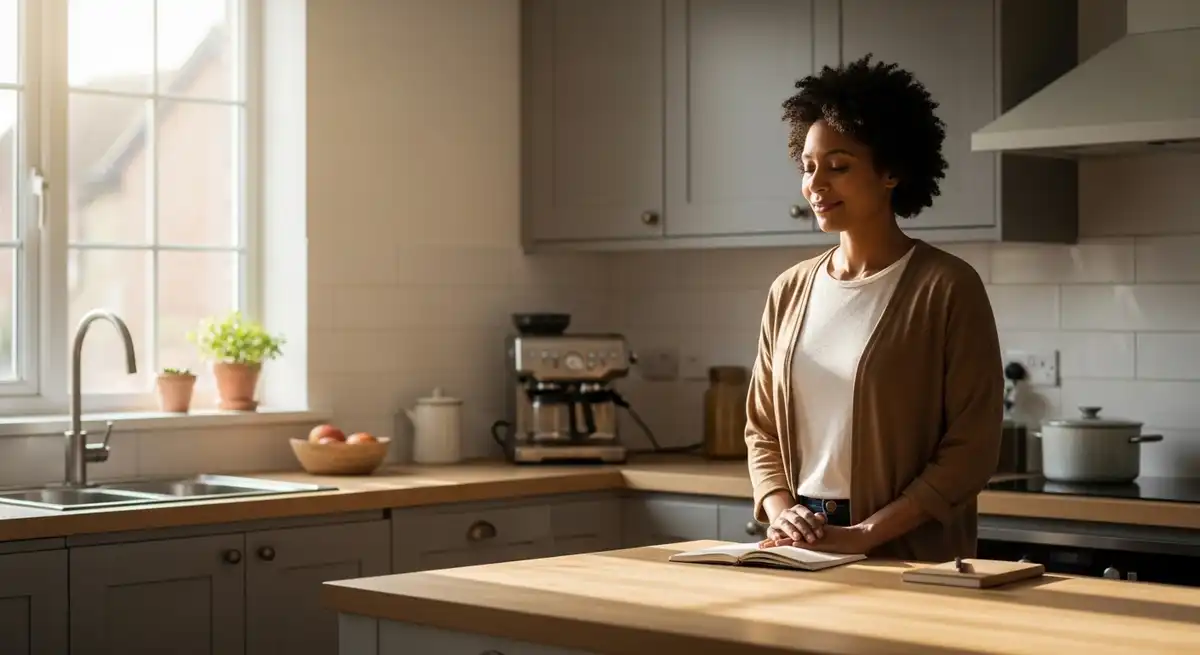
Practice 1: Coffee or Tea Preparation Gratitude
This practice uses the time spent preparing coffee or tea as a moment for brief gratitude reflection. The activity already includes a pause, making it a natural space for awareness. Many people use this time to notice three specific things they appreciate.
Specific details are often emphasized because they are easier to recall and feel more grounded. Instead of broad statements, people may focus on a recent interaction, a practical resource, or a small comfort. The reflection usually lasts one or two minutes.
In everyday routines, this practice is used to create a calmer start to the day. It does not aim to change emotions instantly. Over time, repetition can support steadier transitions into daily responsibilities.
Practice 2: Anticipatory Gratitude Reflection
Anticipatory gratitude involves appreciating something expected later in the day. This could include a shared meal, finishing a task, or a routine interaction. The practice is commonly used to frame upcoming activities with intention.
Rather than vivid visualization, people keep this reflection brief and practical. The focus stays on recognizing opportunity instead of predicting emotional outcomes. This keeps the practice accessible during busy mornings.
In daily routines, anticipatory gratitude is often paired with reviewing schedules or planning tasks. It supports a sense of meaning without pressure to feel positive. Many people find it helpful for approaching responsibilities with steadier perspective.
Practice 3: Intentional Presence Before Interactions
This practice involves pausing briefly before meetings or caregiving moments and acknowledging appreciation for the chance to engage. It is commonly used in professions centered on service or collaboration. The emphasis remains on presence, not performance.
The pause usually lasts less than a minute. People may silently note the value of offering time, skills, or attention. This acknowledgment does not remove fatigue but helps ground awareness.
In everyday use, this approach supports smoother emotional transitions between tasks. It can reduce reactivity during busy interactions. Many people find it helpful for maintaining professionalism and empathy under pressure.
Practice 4: Structured Verbal Appreciation
Structured verbal appreciation uses three elements: the action, the effort, and the impact. This format is often used in workplaces and families to keep appreciation clear. It reduces ambiguity and helps messages feel sincere.
The structure makes gratitude easier to express, especially for people who feel awkward offering praise. It also explains why the action mattered, which supports understanding. The exchange usually takes less than a minute.
In daily contexts, this practice supports respectful communication. It does not require emotional disclosure, making it suitable for professional settings. Over time, it can strengthen trust and clarity in relationships.
Practice 5: Brief Written Appreciation Messages
This practice involves sending short written notes of thanks, often by email or text. Messages usually refer to a specific recent action. They are kept concise to respect time and attention.
Written gratitude works well because it allows reflection without immediate interaction. It also creates a record of appreciation that can be revisited. Many people find this format comfortable and straightforward.
In daily routines, written gratitude fits naturally into work communication. It supports positive social dynamics without formal recognition systems. The focus stays on sincerity rather than frequency.

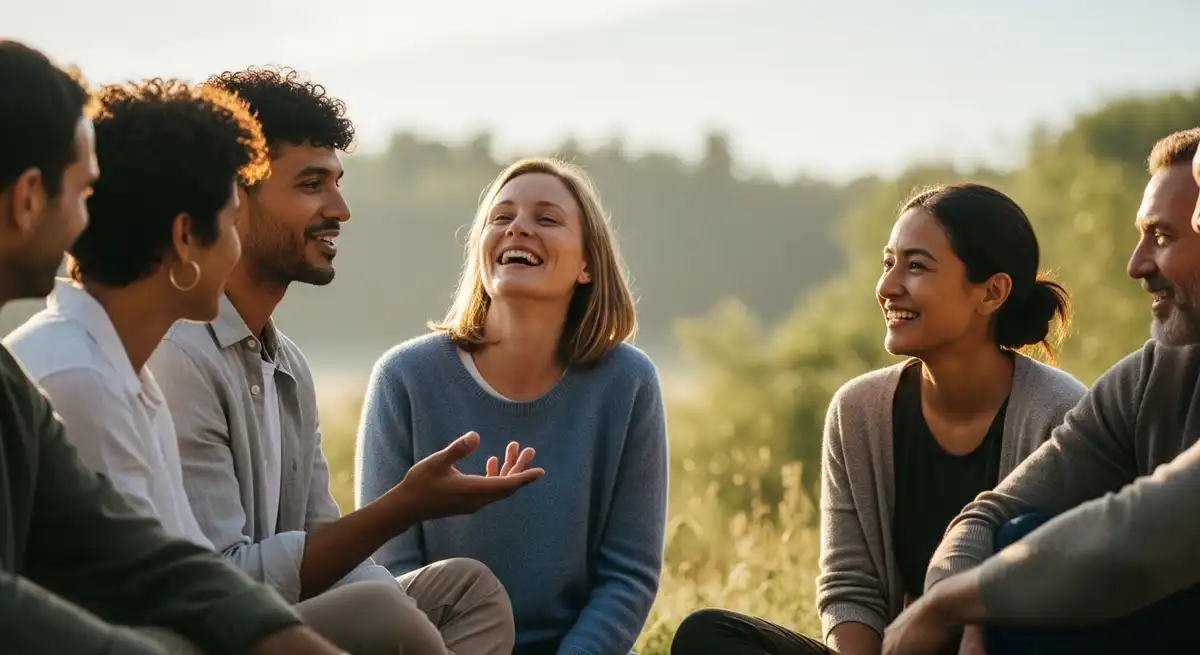
Practice 6: Shared Gratitude in Group Settings
Shared gratitude practices involve brief acknowledgments within teams or families. One example includes taking turns naming something appreciated during short gatherings. Participation is usually voluntary and informal.
Group gratitude is used to normalize appreciation without forcing emotional sharing. It can shift group tone while respecting individual comfort. These moments are typically limited to a few minutes.
In everyday settings, this approach supports social connection. It does not aim to address conflict or stress directly. Many groups find it helpful when kept predictable and low-pressure.
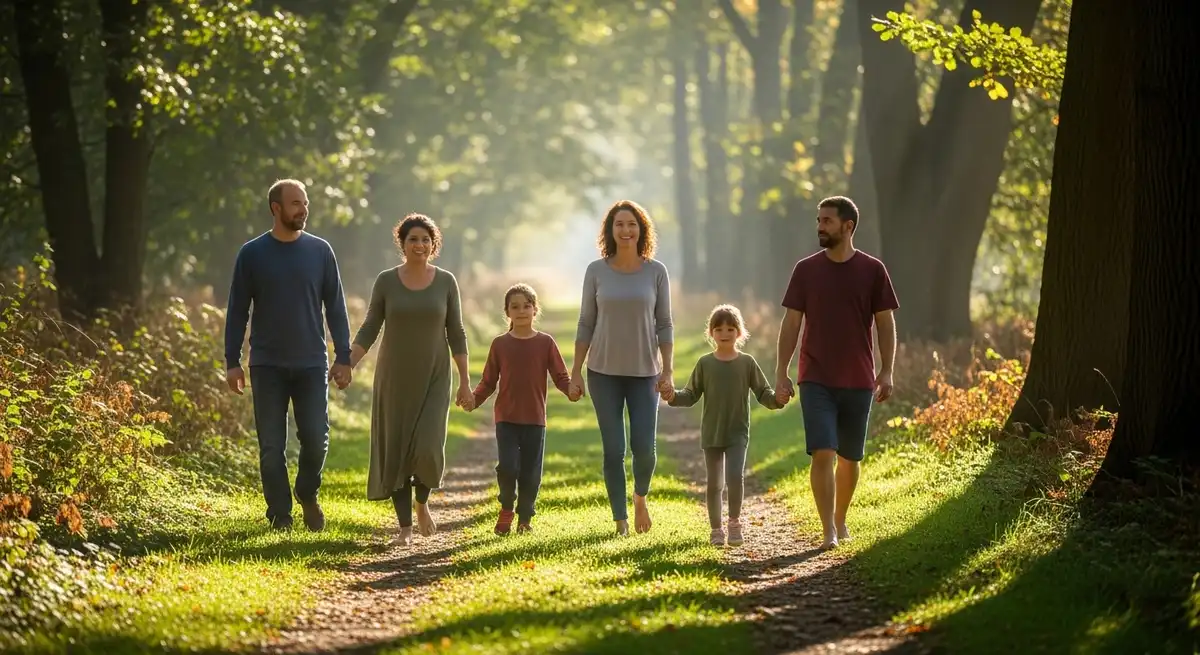
Practice 7: Sensory Awareness Walks
Sensory awareness walks focus on noticing physical sensations during brief movement breaks. People may attend to light, sound, temperature, or movement. The emphasis stays on observation rather than interpretation.
This practice is commonly used during lunch breaks or short pauses. It requires no special setting and works indoors or outdoors. Walks may last five to ten minutes.
In daily routines, sensory walks support mental clarity. They offer a reset without emotional processing. Many people find them useful during long periods of screen-based work.
Practice 8: Reflecting on Effort Behind Support
This practice involves acknowledging the effort someone made to offer help. It shifts attention from outcome to process. The reflection is usually internal and brief.
Recognizing effort is often associated with deeper appreciation. It highlights relational dynamics without requiring conversation. This can be useful in busy or structured environments.
In everyday contexts, this approach supports empathy and perspective-taking. It does not require agreement or closeness. Many people find it helpful for maintaining awareness in shared spaces.
Practice 9: Family Gratitude Collection
Family gratitude collections involve writing short notes of appreciation and storing them together. Notes are usually specific and simple. Participation remains optional and age-appropriate.
This practice is often used to model awareness for children. It highlights everyday contributions rather than special events. Review sessions are typically relaxed and infrequent.
In daily life, family gratitude collections support communication. They do not enforce positivity. Many families find them helpful when integrated naturally into routines.
Practice 10: Mental Subtraction Reflection
Mental subtraction involves briefly imagining life without a valued element, such as a relationship or resource. The reflection remains short to avoid distress. It is usually followed by appreciation for presence.
This practice is described as increasing awareness of taken-for-granted aspects. It is used sparingly due to emotional intensity. The focus stays observational rather than dramatic.
In everyday use, mental subtraction supports perspective during routine moments. It is not recommended during emotional vulnerability. Many people find it helpful when approached gently.
Practice 11: Evening Reflection on Positive Moments
Evening reflection involves noting a few positive moments from the day and considering why they occurred. The practice may be written or mental. Depth is prioritized over quantity.
This approach is often included in evening routines. It supports closure without analysis. Sessions usually last under five minutes.
In daily life, evening gratitude helps transition toward rest. It does not evaluate the day. Many people find it supportive when kept consistent.
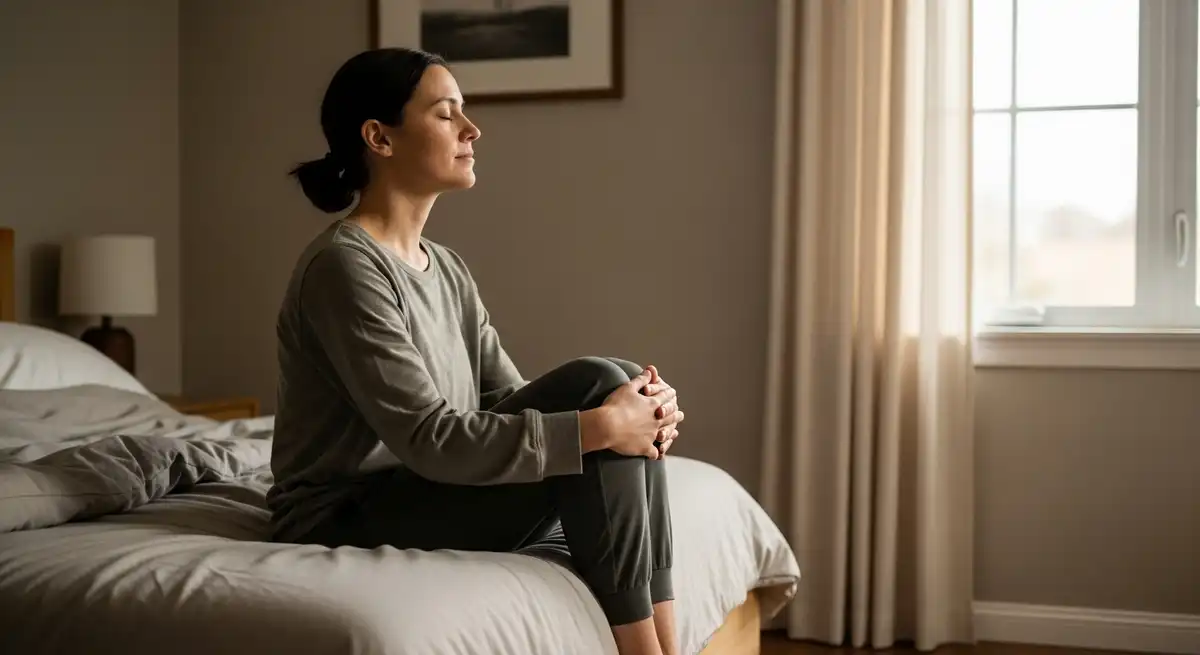
Practice 12: Body-Based Gratitude Awareness
Body-based gratitude involves noticing physical sensations linked with appreciation. People may observe warmth, relaxation, or ease. Attention remains gentle and non-interpretive.
This practice is often used before sleep. It supports body awareness without emotional labeling. Sessions are quiet and brief.
In everyday routines, body-based gratitude supports calm transitions. It does not replace care for sleep difficulties. Many people include it as part of winding down.
Gratitude and Parenting or Working Life
For parents and caregivers, gratitude practices are often adapted to unpredictable schedules. Flexibility matters more than consistency. Practices change with energy levels.
In parenting contexts, gratitude is modeled rather than instructed. Children observe how adults notice everyday support. This indirect approach is commonly recommended.
In professional environments, gratitude supports respectful communication. It helps maintain connection without crossing boundaries. Many workplaces encourage simple, voluntary practices.
Common Barriers and Gentle Adjustments
Time constraints are the most common barrier. Gratitude practices are adjusted to fit transitions that already exist. Short duration is acceptable.
Repetition fatigue can occur when reflections become vague. Rotating focus areas helps maintain engagement. Specific details are often emphasized.
Missed days are handled with flexibility. Wellness guidance suggests resuming without self-judgment. Consistency supports practice, not perfection.
Frequently Asked Questions

How do busy people usually practice gratitude safely?
Busy people usually practice gratitude through short, structured moments linked to existing routines. These practices are brief and specific to avoid emotional overload. They are commonly used as lifestyle habits rather than emotional interventions or treatment approaches.
Does gratitude require writing every day to be effective?
Gratitude does not require daily writing to be commonly useful. Many people reflect mentally or offer brief verbal appreciation. Consistency and specificity tend to matter more than the format used.
Is gratitude appropriate during stressful periods?
Gratitude is often used alongside stress rather than instead of acknowledging difficulty. It focuses on noticing balance without denying challenges. People usually adjust intensity based on emotional capacity.
Can gratitude replace other wellbeing practices?
Gratitude is generally described as a complementary practice. It does not replace rest, professional support, or medical care. Wellness guidance suggests using it alongside broader lifestyle supports.
How long do people usually spend on gratitude practices?
Most everyday gratitude practices last between one and five minutes. Longer sessions are optional but not required. Sustainability is emphasized over duration.
Is gratitude suitable for children and families?
Gratitude practices are commonly adapted for families using simple language. Participation remains voluntary and age-appropriate. The focus stays on observation rather than instruction.
Does gratitude require feeling positive emotions?
Gratitude practices do not require feeling happy or positive. They involve noticing aspects of life without emotional pressure. This makes them accessible during varied emotional states.
How often are gratitude practices recommended?
Frequency varies by routine and preference. Many people practice once daily or several times a week. Flexibility is encouraged.
Can gratitude be practiced silently?
Silent gratitude is widely used and considered practical. It allows privacy and discretion. Many people prefer this approach in professional settings.
Is gratitude considered a medical or therapeutic tool?
Gratitude is considered a lifestyle and wellbeing practice. It is not a medical treatment or therapy. Professional support is recommended for ongoing emotional distress.
Conclusion
Gratitude practices are commonly used as simple, supportive habits that fit into daily life without adding pressure. For busy people, their flexibility and brief nature make them accessible across responsibilities. When approached with care and realism, gratitude can support perspective and awareness as part of a balanced wellbeing routine.
Medical Disclaimer
This content is for informational purposes only and does not constitute medical advice. It is not intended to diagnose, treat, cure, or prevent any condition. Consult a qualified healthcare provider before starting any new wellness practice, especially if you have existing health concerns.
For wider background on this, see the National Heart, Lung, and Blood Institute on sleep.