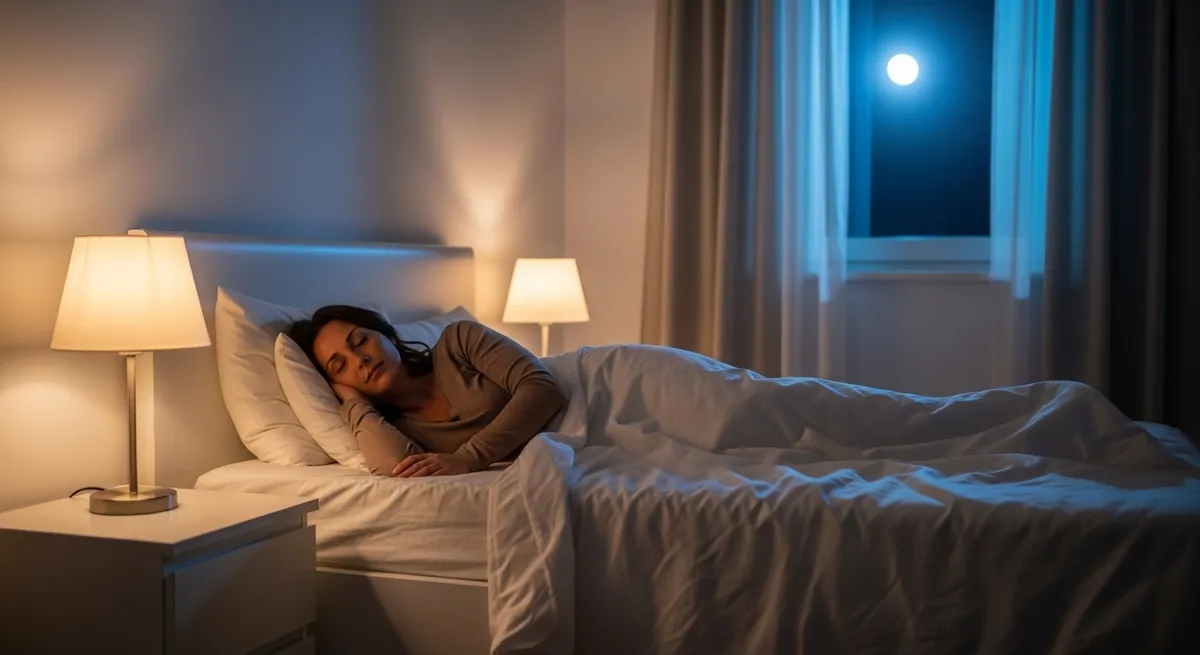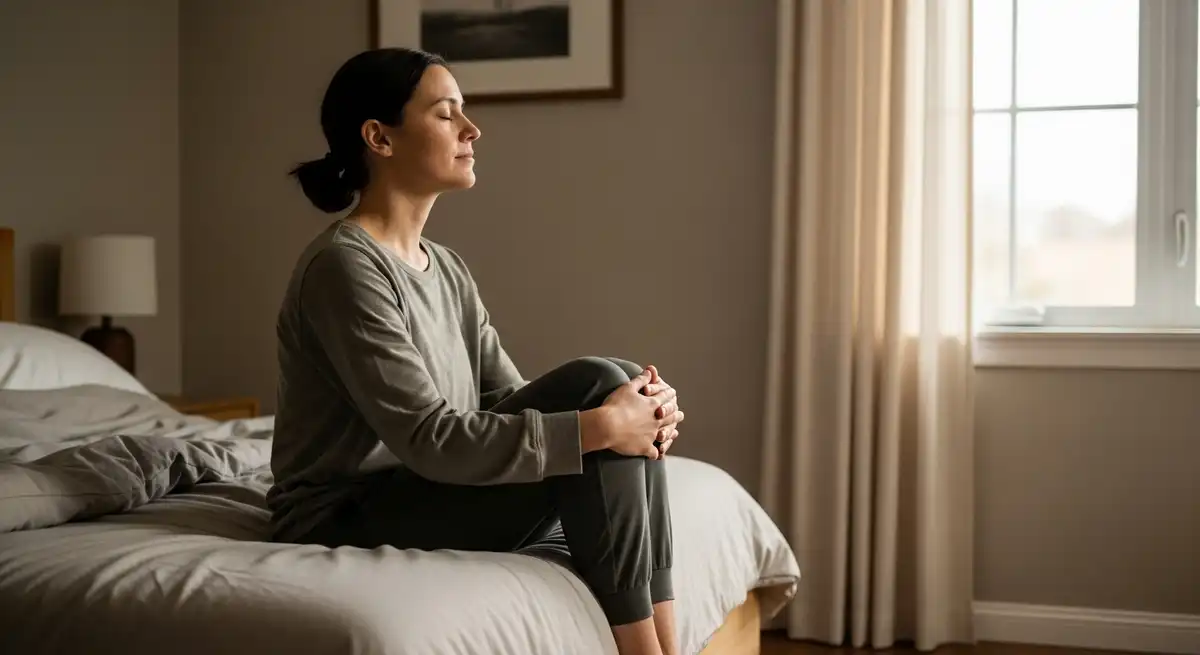
Sleep anxiety often becomes noticeable when daily activity slows and mental noise becomes more apparent in a quiet environment. Many people notice a pattern where thoughts repeat, feel louder, and become harder to pause. This experience can make it difficult to settle into rest, even when the body feels physically tired.
In everyday life, this pattern is linked to mental alertness rather than a lack of ability to sleep. The brain stays active, reviewing events or imagining possibilities, which can delay relaxation. Gentle, structured practices like affirmations are commonly used to support a calmer transition into sleep without forcing the process.
What are 18 affirmations for sleep anxiety and how they support rest
18 affirmations for sleep anxiety are short, repeated statements used to guide attention toward calm thoughts at bedtime. They are often practiced during quiet routines to support emotional balance and reduce mental noise. Many people include them as part of a consistent evening habit to encourage a sense of safety and ease before sleep.
18 Affirmations for Sleep Anxiety: Understanding Sleep Anxiety in Daily Life
Mental overactivity and nighttime awareness
Sleep anxiety is often linked to increased awareness of thoughts when the environment becomes quiet. Without daytime distractions, the mind may revisit unfinished tasks, conversations, or concerns about the future. This can create a loop of thinking that feels difficult to interrupt at night.
This pattern reflects how the brain processes information rather than a failure to sleep properly. The mind continues working even when the body is ready to rest. Supportive practices focus on gently shifting attention instead of trying to completely stop thoughts.
Difference between stress and perceived threat
Stress usually comes from real demands, while nighttime anxiety often comes from imagined or exaggerated concerns. Even when no immediate problem exists, the body can still respond with alertness. This can make relaxation feel harder than expected.
Recognizing this difference helps reduce the intensity of these thoughts. Many people find it useful to remind themselves that not every thought needs action. This understanding supports a calmer mental state before sleep.
Anticipatory anxiety and sleep pressure
Anticipatory anxiety happens when there is worry about not sleeping well. This creates pressure to fall asleep quickly, which often has the opposite effect. The more effort placed on sleep, the more alert the mind may become.
Shifting focus from sleep results to relaxation can ease this cycle. Many people notice that letting go of control supports natural sleep patterns. Affirmations are often used to create this shift in attention.
The Role of Affirmations in Mental Calmness
Attention redirection in everyday practice
Affirmations help guide attention away from repetitive thoughts and toward calming ideas. Repeating a simple phrase creates a steady mental focus that interrupts overthinking. This can reduce the intensity of thoughts and support a more relaxed state.
Attention tends to follow what is repeated regularly. Using familiar phrases can create a sense of stability during bedtime. Over time, this habit supports easier mental settling.
Cognitive restructuring through repetition
Repeating affirmations can gradually influence how thoughts are processed. This does not remove thoughts but can change how strongly they affect you. Balanced and simple statements often feel easier to accept and repeat.
With consistent use, these phrases can become familiar mental responses. This familiarity helps create a calmer internal environment. Many people use this approach as part of their evening routine.
Subconscious association and routine building
The mind builds associations based on repeated experiences. Practicing affirmations at the same time each night can connect them with relaxation. This creates a predictable pattern that supports rest.
Consistent routines strengthen this effect over time. When the same phrases are used regularly, the brain begins to expect calmness. This helps create a supportive bedtime habit.
18 Calming Affirmations for Sleep Anxiety Explained
1. My mind is becoming calm and quiet
This affirmation supports a gradual shift toward stillness rather than forcing silence. It allows the mind to slow down naturally without pressure. Many people find it helpful because it encourages acceptance instead of resistance.
2. I release the concerns of today and welcome rest
This statement helps mentally close the day and separate rest from daily responsibilities. It supports the idea that unfinished tasks can wait. This creates space for relaxation and reduces mental carryover.
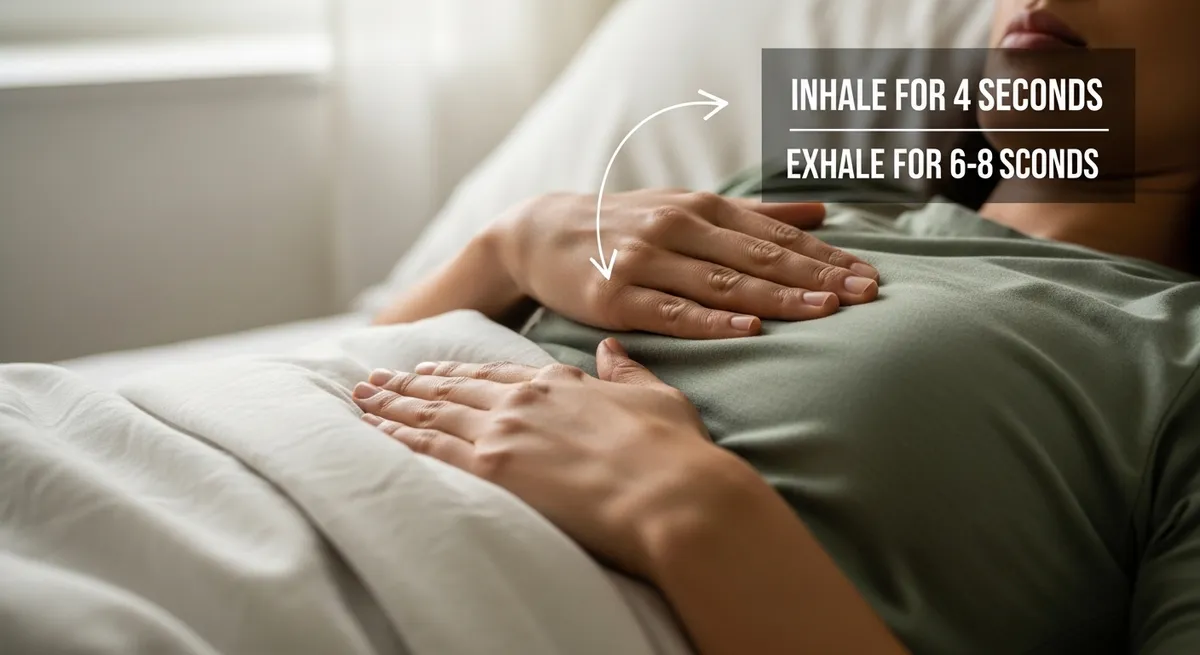
3. Each breath brings me deeper into relaxation
This affirmation connects breathing with calmness. Slow breathing is linked with relaxation responses in the body. Repeating this phrase helps align attention with physical ease.
4. My body is heavy, relaxed, and fully supported
This statement shifts focus to physical sensations rather than thoughts. It encourages awareness of comfort and support from the bed. This can help reduce restlessness.
5. I forgive myself for any mistakes made today
This affirmation introduces self-compassion into nighttime thinking. It helps reduce self-criticism and emotional tension. Many people use it to support a calmer mindset before sleep.
6. My body knows how to sleep naturally
This phrase reinforces trust in natural sleep processes. It reduces the urge to control or force sleep. This mindset often supports relaxation.
7. I am safe and peaceful in this moment
This statement focuses on present safety instead of future concerns. It reminds the mind that there is no immediate threat. This can support a calmer state.
8. Right now, all is well
This affirmation uses simple language to stabilize thoughts. It does not require strong belief to be effective. Many people find it grounding.
9. I release what I cannot control and claim my peace
This phrase encourages acceptance and reduces unnecessary worry. It separates controllable actions from overthinking. This helps create mental clarity.
10. Rest is productive, even if I am awake
This statement reduces pressure to fall asleep quickly. It reframes rest as valuable even without sleep. This can ease frustration.
11. This thought can pass like a cloud
This affirmation supports observing thoughts without attachment. It encourages letting thoughts move without engaging them. This reduces their intensity.
12. I am deserving of deep, restorative sleep
This phrase reinforces the value of rest and self-care. It supports a positive mindset around sleep. Many people use it to reduce resistance.
13. My bed is a sanctuary of comfort and rest
This affirmation strengthens the connection between environment and calmness. It encourages a positive association with bedtime. Over time, this can support relaxation.
14. I trust that tomorrow will take care of itself
This statement helps reduce future-focused thinking. It supports letting go of planning at night. This can ease mental activity.
15. I am stronger than my anxiety
This phrase reinforces inner stability. It places anxiety in perspective without denying it. This supports emotional balance.
16. Tension is leaving my muscles with each exhale
This affirmation connects breathing with physical relaxation. It supports awareness of muscle release. This can reduce tension.
17. I am grateful for this warm bed and my body’s resilience
This statement shifts focus toward appreciation. Gratitude is often linked with calmer emotional states. This supports relaxation.
18. Tonight, I sleep deeply and wake renewed
This affirmation introduces a positive expectation for rest. It encourages a calm outlook toward sleep. Many people use it to end their routine.

Complementary Lifestyle Practices
Wind-down routines and environment
A consistent wind-down routine helps signal the body that it is time to rest. Reducing screen use and dimming lights are commonly used steps. These actions support a gradual transition into sleep.
A comfortable environment also plays an important role. A cool, quiet, and dark space supports relaxation. Combining this with affirmations creates a balanced routine.
Writing and mental offloading
Writing thoughts before bed helps clear mental clutter. It allows concerns to be placed outside the mind. This can reduce repetitive thinking.
This practice is often combined with affirmations. After writing, calming phrases can reinforce mental clarity. This supports relaxation.
Breathing and body awareness
Slow breathing supports relaxation by calming the body’s response to stress. It encourages a steady rhythm that promotes ease. This is widely used in relaxation practices.
Body awareness shifts attention away from thoughts. It focuses on physical sensations instead. This helps create a grounded state.
Frequently Asked Questions
Do affirmations help with sleep anxiety
Affirmations are commonly used to support a calmer mental state before sleep. They help redirect attention away from repetitive thoughts. Many people include them as part of a consistent bedtime routine for relaxation.
How often should affirmations be practiced
Affirmations are usually practiced daily as part of an evening habit. Regular use helps build familiarity and consistency. Over time, this can support a stable mental routine.
Can affirmations replace other sleep practices
Affirmations are generally used alongside other habits such as sleep hygiene. They are not a replacement for broader routines or professional guidance. Combining methods often provides better support.
Why do thoughts increase at night
Thoughts often become more noticeable at night because distractions are reduced. The mind shifts toward internal processing. This is a common experience.
Are affirmations suitable for everyone
Affirmations are widely used as a general lifestyle support tool. Individual experiences may vary depending on personal preference. Many people adjust phrases to suit themselves.
How long does it take to notice changes
Changes are often gradual and depend on consistency. Some people notice differences within a few weeks. Others may take longer.
Can affirmations reduce overthinking
Affirmations can help shift attention away from repetitive thoughts. They provide a structured mental focus. This supports calmer thinking.
Should affirmations be spoken or silent
Affirmations can be spoken aloud or repeated silently. Both approaches are commonly used. The choice depends on comfort.
Is it normal to feel restless while practicing
Restlessness is common when starting a new practice. It reflects adjustment to a slower pace. Many people find it improves with time.
Can affirmations be personalized
Affirmations are often adapted to match personal preferences. This makes them easier to relate to. Many people modify wording to feel more natural.
Conclusion
Affirmations for sleep anxiety are widely used as a simple way to support mental calmness before bedtime. They focus on attention, routine, and emotional balance rather than quick results. With regular practice and supportive habits, they can contribute to a steadier and more peaceful nighttime experience.
Medical Disclaimer
This content is for informational purposes only and does not constitute medical advice. Consult a qualified healthcare provider before starting any new health practice, especially if you have existing medical conditions or ongoing sleep or mental health concerns.
Image Generation Prompts
For wider background on this, see the Greater Good Science Center at UC Berkeley.