Spending much of the day indoors has become routine for many households, workplaces, and schools. Long hours under artificial lighting, limited movement, and constant digital input can quietly strain attention, energy, and mood. Wellness educators increasingly describe outdoor time as a steady lifestyle support that helps balance daily rhythms without offering medical claims or promises.
Across cultures, outdoor spaces once shaped everyday life through shared courtyards, walking paths, and open-air work. Modern routines have narrowed that exposure, often without intention. Reintroducing regular outdoor time is commonly framed as a practical adjustment that supports emotional steadiness, physical comfort, and a sense of continuity within busy schedules.
10 Benefits of Spending More Time Outdoors: Why modern lifestyles benefit from outdoor time
Urban development and digital tools have changed how people move, work, and rest. Many roles now require long periods of sitting indoors, while leisure activities often revolve around screens rather than physical surroundings. This shift reduces contact with natural sensory input that the human body has historically relied on to regulate attention and energy.
Wellness educators often reference the biophilia hypothesis to explain this pattern. Biophilia suggests humans have an inherent preference for natural environments, based on long-term interaction with land, light, and weather. Although not a medical theory, it is frequently used to explain why green spaces and daylight feel settling and familiar.
Outdoor time does not require remote landscapes or special planning. Balconies, parks, tree-lined streets, and shared courtyards all offer meaningful exposure. Lifestyle guidance emphasizes regular contact with open air and natural light rather than intensity, distance, or scenery.
1. Stress awareness and calmer daily rhythms
Spending time outdoors is commonly associated with lower perceived stress during daily routines. Natural environments tend to soften sensory load by reducing noise intensity and visual clutter. This gentler input supports a calmer nervous system response during busy or demanding days.
Wellness education often discusses stress awareness through cortisol, a hormone linked to alertness and energy regulation. Observational studies show lower cortisol markers in people exposed to green environments compared with dense urban settings. These findings are presented as supportive lifestyle observations rather than clinical outcomes.
In everyday life, outdoor pauses create natural breaks. Short walks, sitting in daylight, or standing near plants can help the body shift out of constant alert mode. Many working adults and caregivers use these moments to steady their pace and reset between responsibilities.
2. Emotional balance and mood stability
Outdoor exposure is often linked with steadier mood and emotional balance. Sunlight plays a role in serotonin activity, which supports motivation and emotional regulation. Gentle movement and fresh air also encourage endorphin release, which many people associate with a mild lift in mood.
Natural settings offer emotional neutrality. They do not demand productivity or performance, allowing emotions to settle without pressure. This quality is often highlighted as helpful during periods of irritability, low energy, or mental fatigue linked to daily obligations.
Common lifestyle habits include walking outdoors after meals, spending breaks in green areas, or sitting outside during transitions. These practices are framed as everyday mood supports rather than substitutes for professional mental health care.
3. Circadian rhythm support and sleep quality
Natural light strongly influences circadian rhythm, the internal timing system that shapes sleep and wake patterns. Morning daylight supports alertness, while reduced light later in the day helps prepare the body for rest. Indoor lighting often blurs these cues.
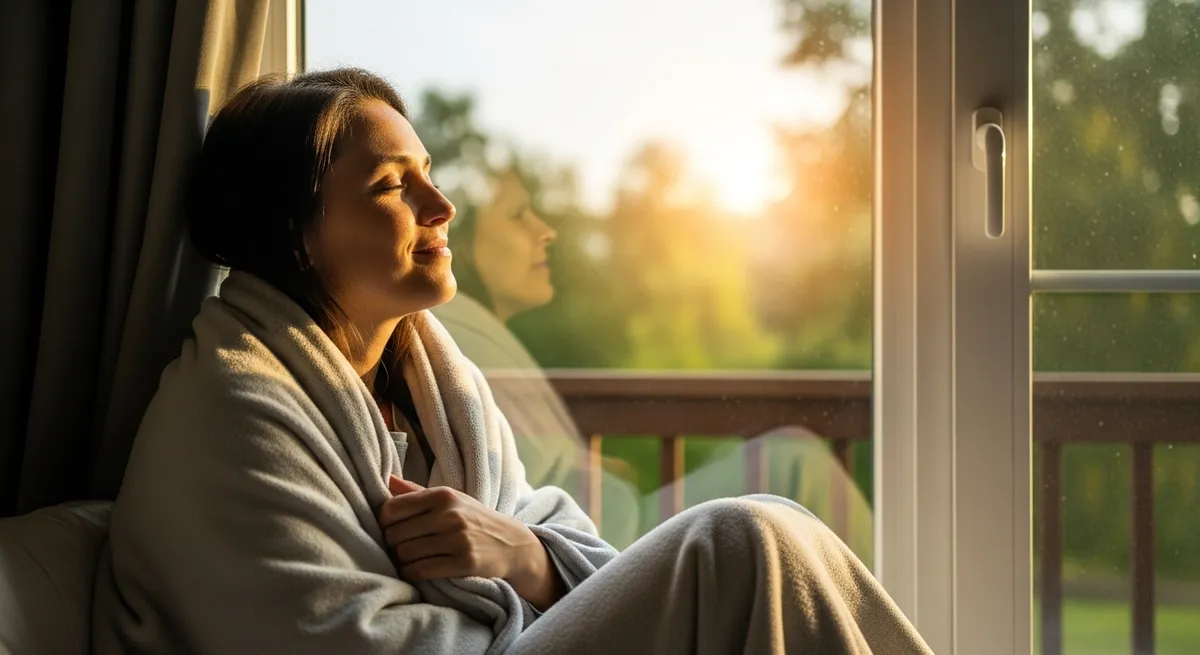
Wellness guidance frequently highlights morning outdoor light as a simple sleep-support habit. Exposure early in the day helps align internal timing signals. Over time, this alignment is associated with more consistent sleep schedules, without guaranteeing specific results.
Environmental sounds and shifting daylight also signal safety and routine. Birds, wind, and natural shadows create subtle cues that support relaxation. These elements make outdoor time a widely discussed component of sleep-friendly lifestyle habits.
4. Mental focus and attention restoration
Modern environments demand constant directed attention through screens, notifications, and multitasking. Sustained effort can lead to mental fatigue, marked by reduced focus and slower thinking. Attention Restoration Theory is often used to explain how nature supports recovery.
Natural settings engage attention gently through soft fascination. Movement of leaves, water, and clouds holds awareness without effort. This allows the brain’s focus systems to rest, which many people notice as clearer thinking after outdoor time.
Short outdoor breaks are commonly used between demanding tasks. Students, professionals, and parents often report improved concentration afterward. This approach emphasizes restoration rather than productivity enhancement or cognitive intervention.
5. Immune system support through lifestyle exposure
Outdoor environments are often discussed in relation to immune support through indirect pathways. Trees and plants release phytoncides, natural compounds studied for their association with immune cell activity. These findings are presented as observational, not therapeutic.
Sunlight exposure supports vitamin D production, which plays a role in normal immune function. Wellness education emphasizes moderation and safety, suggesting brief, regular exposure rather than prolonged sun exposure.
Fresh air also reduces prolonged indoor pollutant exposure. While not a medical recommendation, outdoor time is commonly described as part of a balanced lifestyle that supports overall resilience. People with health conditions are encouraged to follow professional guidance.
6. Cognitive and physical development in children
Children’s development is shaped by their surroundings. Access to outdoor spaces is often linked with improved attention, social interaction, and emotional regulation. Schools near green areas show associations with better engagement and working memory.
Outdoor play supports coordination and sensory learning. Uneven ground, open space, and natural obstacles encourage varied movement. These experiences help children build balance and confidence through exploration rather than instruction.
Bright outdoor light exposure is also linked with vision health. Lifestyle research associates regular outdoor play with lower rates of myopia progression. Encouraging daily outdoor time is widely viewed as a supportive family habit.
7. Self-esteem and everyday confidence
Outdoor activities often involve manageable challenges that build confidence naturally. Walking farther, navigating trails, or learning simple outdoor skills provide feedback tied to effort. This supports self-esteem without comparison or competition.
Outdoor challenges are usually self-paced. There is no fixed measure of success, which reduces pressure and supports persistence. This environment helps many people carry confidence into work, parenting, and daily responsibilities.
Common approaches include setting modest outdoor goals. Regular walking routes or exploring nearby green spaces reinforce consistency. The emphasis remains on participation rather than performance.
8. Social connection and community wellbeing
Outdoor spaces support casual social interaction. Parks, paths, and shared green areas encourage connection without formality. Research in environmental psychology links access to green spaces with stronger neighborhood trust.
Group activities like walking clubs, gardening, or outdoor exercise encourage interaction while respecting personal space. These settings support belonging without obligation, which is valuable across age groups.
Community stewardship often grows outdoors. Activities such as clean-up walks foster shared responsibility. These practices are described as lifestyle habits that support social cohesion rather than structured programs.
9. Physical vitality and cardiovascular support
Outdoor movement often feels more fluid than indoor exercise. Natural terrain introduces gentle variation that engages multiple muscle groups. Wind and surface changes increase effort without rigid structure.
Lower stress combined with regular movement supports heart health awareness. Wellness education presents outdoor activity as one element of a balanced routine, not a replacement for medical care or structured training.
Accessibility makes outdoor movement appealing. Walking, cycling, and stretching require little equipment. This simplicity supports consistency for busy adults and families.
10. Environmental awareness and mindful presence
Outdoor time encourages present-moment awareness through sensory input. Natural sights and sounds draw attention outward, easing repetitive thinking. This awareness supports emotional steadiness without therapeutic claims.
Connection with outdoor spaces also shapes long-term attitudes. People who spend time outside often show greater care for shared environments. This awareness influences everyday choices related to sustainability.
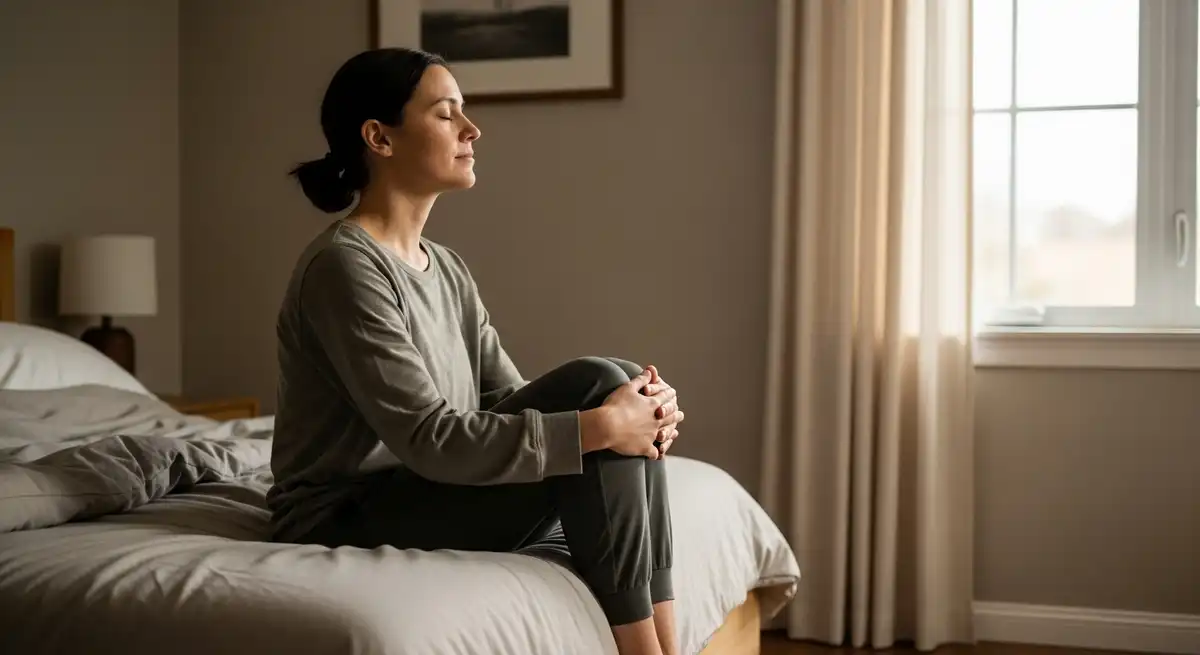
Mindful outdoor practices are simple. Slow walking, quiet sitting, or observing surroundings support calm awareness. These practices align with secular mindfulness education.
Mindfulness principles applied outdoors
Mindfulness refers to paying attention to present experiences with neutrality. Outdoor settings naturally support this by offering varied sensory input. Unlike structured meditation, outdoor mindfulness does not require formal techniques.
Walking mindfulness is commonly used. Attention rests on steps, breathing, and surroundings. This practice fits easily into daily routines.
Outdoor mindfulness adapts to many settings. Parks, balconies, and quiet streets all work. The focus remains on awareness rather than outcomes.
Outdoor time for parents and working adults
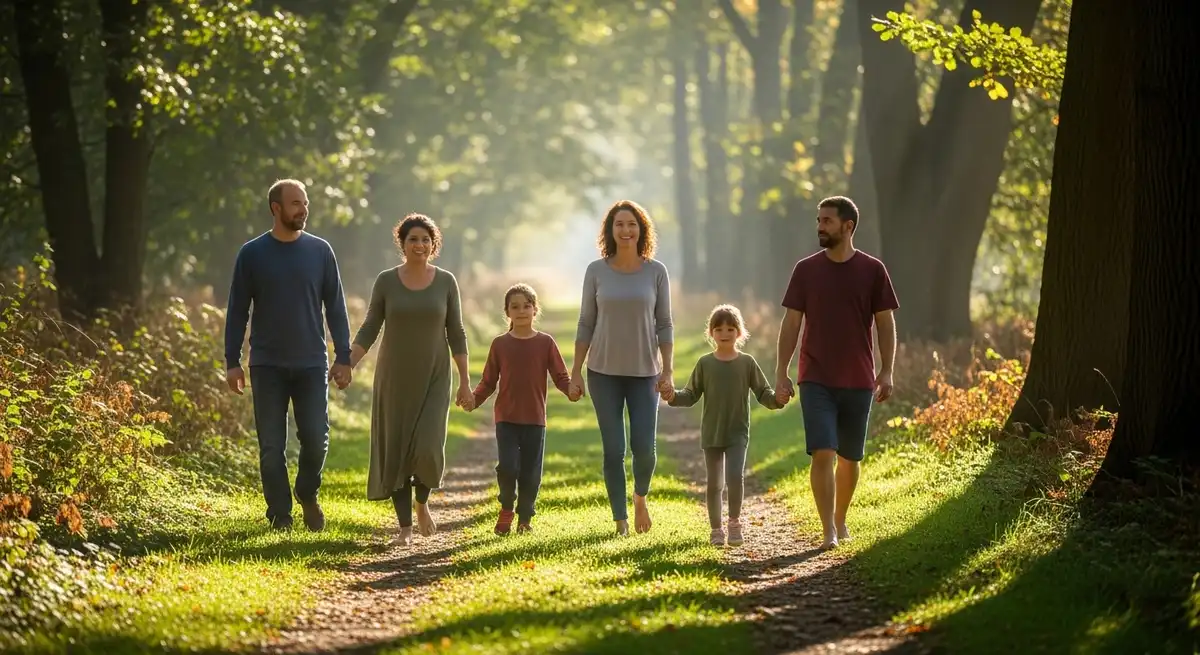
Parents and working adults often manage limited time and high mental load. Outdoor routines offer shared benefits without added complexity. Family walks and outdoor meals combine movement and connection.
For working mothers, outdoor breaks support role transitions. Stepping outside between tasks signals mental shifts. This habit supports boundaries without offering stress treatment claims.
Outdoor routines also model healthy behavior for children. Shared experiences reinforce balance and consistency across family life.
Integrating outdoor habits safely
Lifestyle guidance encourages starting small. Ten minutes outdoors is often cited as a realistic baseline. Regularity matters more than duration.
Access varies, so flexibility is emphasized. Urban green spaces and natural light exposure still offer value. Wellness education acknowledges individual circumstances.
Basic safety remains important. Sun protection, hydration, and weather awareness support comfort. People with medical concerns should consult professionals.
Frequently Asked Questions
How much time outdoors is commonly recommended for general wellbeing?
Many wellness educators suggest short daily periods, often ten to thirty minutes, as a supportive baseline. Research indicates even brief exposure relates to mood, focus, and rhythm awareness. Longer durations may add value, but consistency is usually emphasized.
Does outdoor time replace exercise or medical care?
Outdoor time is considered a lifestyle support, not a replacement for exercise programs or medical treatment. It complements other healthy habits like movement and rest. People with medical conditions should follow professional healthcare guidance.
Is outdoor time helpful for children’s learning?
Observational research links outdoor exposure with improved attention and engagement in children. Green environments support cognitive restoration and physical activity. These effects are presented as supportive rather than instructional.
Can outdoor habits support emotional wellbeing?
Outdoor habits are often associated with steadier mood and reduced sensory overload. Natural settings encourage present awareness. These effects complement, not replace, professional mental health care.
Is forest bathing necessary to gain benefits?
Forest bathing is one structured approach, but benefits are not limited to forests. Parks, gardens, and open spaces offer similar sensory exposure. Mindful presence is the key factor.
Does sunlight exposure need to be long?
Moderate exposure is generally discussed as sufficient. Short, regular periods are commonly suggested. Sun safety practices remain important.
Can busy professionals realistically add outdoor time?
Outdoor time can fit into existing routines through walking meetings, outdoor breaks, or route changes. These adjustments require intention rather than extra time.
Is outdoor time culturally universal?
Outdoor living has roots across cultures, from courtyards to communal spaces. Wellness education frames outdoor time as adaptable rather than prescriptive.
Does weather limit outdoor benefits?
Different weather still provides sensory input. Appropriate clothing allows flexibility. Rigid routines are discouraged.
Is outdoor time suitable for all ages?
Outdoor exposure adapts across life stages. Activities can be modified for comfort and ability. Gentle engagement is emphasized.
Conclusion
Spending time outdoors is widely described as a supportive lifestyle practice aligned with human sensory rhythms. The ten benefits of spending more time outdoors reflect interconnected aspects of stress awareness, emotional balance, physical comfort, and social connection. Simple, consistent outdoor habits support wellbeing in calm, realistic, and sustainable ways.
Medical Disclaimer
This content is for informational purposes only and does not constitute medical advice. It does not diagnose, treat, cure, or prevent disease. Consult a qualified healthcare provider before starting new lifestyle practices, especially if you have existing medical conditions.
For wider background on this, see the American Psychological Association on stress.