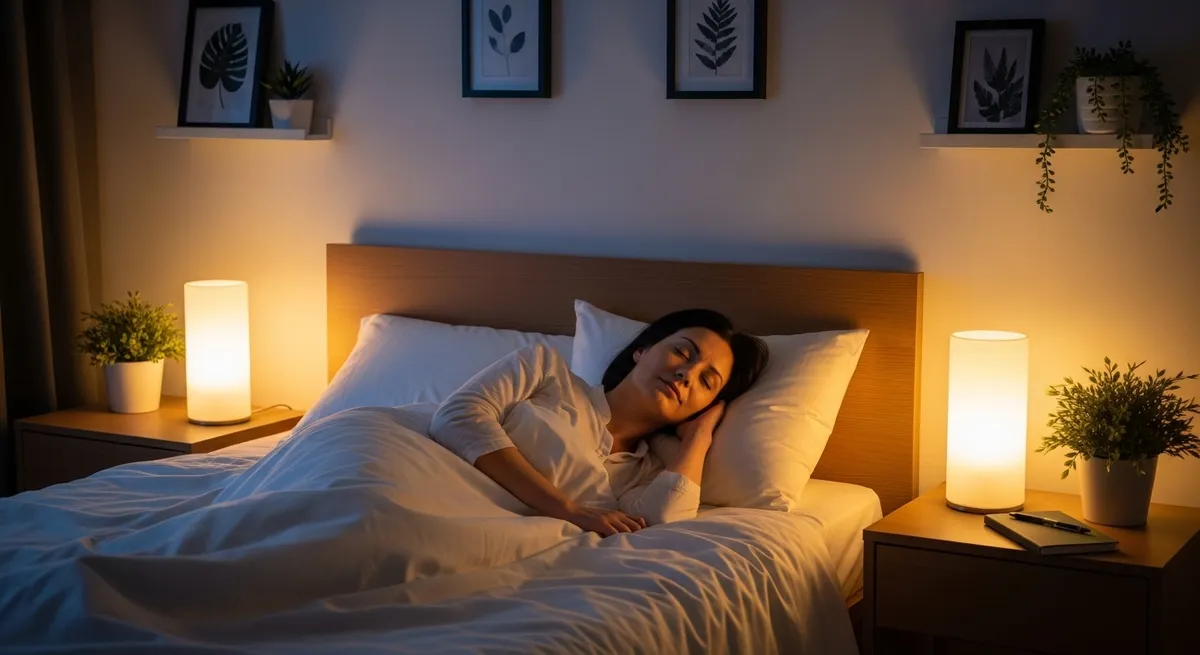
Sleep challenges often begin when the mind stays active long after the body feels tired, holding onto unfinished thoughts and emotional tension. Many people experience this pattern in modern routines shaped by screens, deadlines, and irregular schedules. Gentle mental practices like affirmations are often used as a simple way to guide the mind toward calmness before sleep.
Sleep supports physical recovery, emotional balance, and mental clarity, yet it is often disrupted by daily stress patterns. Wellness educators often note that bedtime thinking plays a strong role in how easily sleep begins. Positive sleep affirmations are short, intentional statements that help shift attention toward calm and steady thoughts.
Understanding 17 Positive Sleep Affirmations in Everyday Life
Sleep affirmations are simple phrases repeated before sleep to encourage a calmer mental state and reduce internal noise. Many people use them as part of a bedtime routine to create a predictable transition from activity to rest. Over time, this repetition may support a more relaxed mindset at night.
These affirmations are usually practiced during the natural transition between wakefulness and sleep, often called the hypnagogic state. During this period, thoughts slow down and the mind becomes more receptive to gentle suggestions. Repeating calm statements at this time can support a smoother mental shift toward rest.
Affirmations are not a treatment for sleep conditions, but they are commonly used as a supportive lifestyle habit. Their effect depends on regular use and personal comfort with the statements. Many people find that consistent practice helps reduce overthinking and promotes a more settled bedtime experience.
The Role of the Subconscious Mind and Sleep Patterns
The subconscious mind influences daily habits, emotional reactions, and patterns of thinking, including those that affect sleep. Repeated thoughts can become automatic over time, shaping how the mind responds at night. Affirmations are often used to introduce more supportive patterns that encourage calmness.
Neuroplasticity refers to the brain’s ability to adapt and form new connections based on repeated experiences. When positive thoughts are repeated regularly, they may strengthen pathways linked to relaxation rather than stress. This gradual process varies for each person and depends on consistency.
Sleep is also guided by circadian rhythm, which regulates when the body feels alert or tired. Calm mental habits before bed can support this natural rhythm. Affirmations are often combined with other simple routines to help the body and mind prepare for rest.
17 Positive Sleep Affirmations for Restorative Rest
1. I release the tension of the day and allow my body to sink into rest
This affirmation is often used to mark the end of daily activity and encourage the body to relax fully. It shifts attention away from unfinished tasks and toward the present moment. Many people repeat it slowly while lying down to support a calm transition into rest.
2. My mind is a serene haven, ready for peaceful sleep and blissful dreams
This statement focuses on creating a sense of quiet and mental safety before sleep. It encourages the mind to move away from stimulation and toward stillness. Practicing it with slow breathing may help reduce intrusive thoughts and mental clutter.
3. I have the power to control my thoughts and emotions
This affirmation supports awareness of thoughts without feeling overwhelmed by them. It is commonly used by those who experience racing thoughts at night. Repeating it may help build confidence in gently guiding attention toward calmness.
4. I am worthy of a restful night and wake up feeling renewed
This statement reinforces the idea that rest is a basic need rather than something to earn. It helps reduce feelings of guilt linked to unfinished work or responsibilities. Many people find it helpful in building a more compassionate mindset before sleep.
5. I release all worries about things I cannot control
This affirmation encourages acceptance and reduces the habit of overthinking problems at night. It helps shift focus away from unresolved concerns. With regular practice, it may support a more peaceful and uncluttered mental state.
6. My body knows how to relax and find its natural sleep rhythm
This statement builds trust in the body’s natural ability to regulate sleep without force. It is often used to reduce pressure around falling asleep quickly. Many people find that this approach allows sleep to come more naturally.
7. I am grateful for the lessons of today and look forward to tomorrow
Gratitude-based affirmations help shift attention from stress to positive reflection. This statement encourages a gentle review of the day without focusing on negatives. It supports a calmer emotional state before sleep.
8. Every breath I take fills me with calmness and peace
This affirmation connects breathing with relaxation and mental focus. It is often repeated slowly while paying attention to each breath. This combination may support physical relaxation and a steady mental rhythm.

9. I forgive myself for today’s mistakes and embrace my growth
Self-forgiveness helps reduce mental tension caused by regret or self-criticism. This affirmation encourages acceptance and a balanced view of daily experiences. Many people use it to create emotional closure before sleep.
10. My bedroom is a sanctuary of peace, safety, and rest
This statement strengthens the mental link between environment and relaxation. It helps create a sense of comfort and security in the sleeping space. Repeating it regularly may support a consistent bedtime routine.
11. I am in charge of my own happiness and peace of mind
This affirmation supports emotional independence and internal stability. It encourages focusing on personal calm rather than external situations. Over time, it may help maintain a steady mindset before sleep.
12. I surrender to the soothing embrace of sleep
This statement encourages letting go of effort and allowing sleep to occur naturally. It reduces the pressure of trying to fall asleep quickly. Many people find that this mindset supports easier sleep onset.
13. I wake up refreshed, energized, and ready for a new day
This affirmation focuses on the outcome of restful sleep and sets a positive expectation. It encourages the mind to associate sleep with renewal. Visualizing this result may support a more restorative experience.
14. I trust that I am safe and protected through the night
This statement promotes a sense of security, which is important for relaxation. It is often used by those who feel uneasy at night. Feeling safe is commonly linked with improved sleep quality.
15. I release the need to figure everything out tonight
This affirmation helps reduce late-night thinking about unresolved issues. It encourages postponing decisions until the next day. Many people find this approach helpful in quieting the mind.
16. I am becoming more at peace with myself every day
This statement focuses on gradual growth rather than immediate change. It supports a steady and realistic approach to emotional balance. Many people find comfort in this perspective.
17. Sleep is my ally, supporting my health and clarity
This affirmation reframes sleep as a supportive and helpful process. It encourages a positive relationship with rest. Over time, this shift may reduce resistance to bedtime.
Creating a Safe and Consistent Night Routine
Consistency plays an important role in building healthy sleep habits over time. Practicing affirmations at the same time each night helps the mind recognize a predictable pattern. Many people notice that this regularity supports a smoother transition into sleep.
Visualization is often used alongside affirmations to strengthen their effect by engaging the imagination. Imagining a calm setting or restful sleep experience can support emotional connection. This method is commonly included in simple mindfulness routines.
Environmental factors such as lighting, noise, and temperature influence how easily the body relaxes. Reducing bright screens and maintaining a comfortable space can support sleep readiness. Affirmations often work best when paired with these basic habits.
Mindfulness and Emotional Awareness Before Sleep
Mindfulness involves paying attention to the present moment without judgment, which can support relaxation before sleep. It is often practiced through simple breathing or awareness exercises. Many people include affirmations within this practice to guide their thoughts gently.
Emotional awareness helps the mind process daily experiences without becoming overwhelmed. Recognizing feelings without trying to suppress them may reduce tension. Affirmations can support this by introducing calming and supportive statements.
These practices are commonly used as part of everyday wellness routines and are considered safe for general use. They are not a replacement for professional support when needed. Consistency and patience are often highlighted in lifestyle guidance.

Relevance for Working Adults and Parents
Busy schedules and multiple responsibilities can make it difficult to relax at night. Mental load often continues even after daily tasks are completed. Affirmations are often used as a simple way to create a pause before sleep.
Parents may also use calm bedtime practices to support a peaceful environment at home. Children often respond to consistent routines and relaxed settings. Affirmations can be adapted in a simple way for family use.
Working adults often face screen fatigue and irregular routines that affect sleep patterns. Small and consistent habits like affirmations may support a clearer transition from work to rest. These practices are generally practical for daily life.
Frequently Asked Questions
Do positive affirmations work while you are sleeping
Positive affirmations are usually practiced before sleep rather than during deep sleep stages. The mind is more receptive during the transition into sleep. Many people find that repeating affirmations during this time supports a calmer mental state.
What should I say to myself to fall asleep
Simple and calming statements are commonly used to support relaxation before sleep. Phrases that focus on safety, letting go, or calm breathing are often preferred. The words should feel natural and easy to repeat.
How can I reprogram my mind for sleep
Reprogramming the mind involves repeating supportive thoughts regularly over time. This process is linked to how the brain forms patterns through repetition. Many people combine affirmations with breathing or relaxation techniques.
What is the most powerful sleep affirmation
There is no single affirmation that works best for everyone because responses vary. Statements that feel meaningful and calming are often more effective. Personal connection to the affirmation plays an important role.
How do you practice affirmations before bed
Affirmations are usually practiced in a relaxed position, either sitting or lying down comfortably. They are repeated slowly with attention to breathing. Consistency is more important than duration.
Can affirmations help with insomnia
Affirmations are sometimes used as a supportive practice to reduce mental tension before sleep. They are not a medical treatment for insomnia. Professional guidance is recommended for ongoing sleep concerns.
What are I am affirmations for sleep
I am affirmations are statements that reinforce identity and internal belief patterns. They are commonly used to support calmness and confidence. Many people include them in bedtime routines.
How do I stop overthinking before sleep
Reducing overthinking often involves combining simple techniques like writing thoughts down and using affirmations. Journaling may help clear mental clutter. Affirmations then guide attention toward calmness.
Does listening to affirmations while sleeping help
Listening to affirmations may support relaxation, though results vary among individuals. Many people prefer using them before sleep when awareness is higher. Gentle audio can create a calming environment.
Why is the time before sleep important
The time before sleep is when the mind begins to slow down and become more receptive. Thoughts during this period can influence emotional state. Many routines focus on this window to support relaxation.
Conclusion
Positive sleep affirmations are widely used as a gentle way to support a calmer mindset before rest. Their value lies in consistency, simplicity, and personal comfort. When combined with balanced routines, they can become a steady part of a mindful approach to better sleep.
Medical Disclaimer
This content is for informational purposes only and does not constitute medical advice. Consult a qualified healthcare provider before starting any new health practice, especially if you have existing conditions or ongoing sleep-related concerns.
Image Generation Prompts
For wider background on this, see the Greater Good Science Center at UC Berkeley.