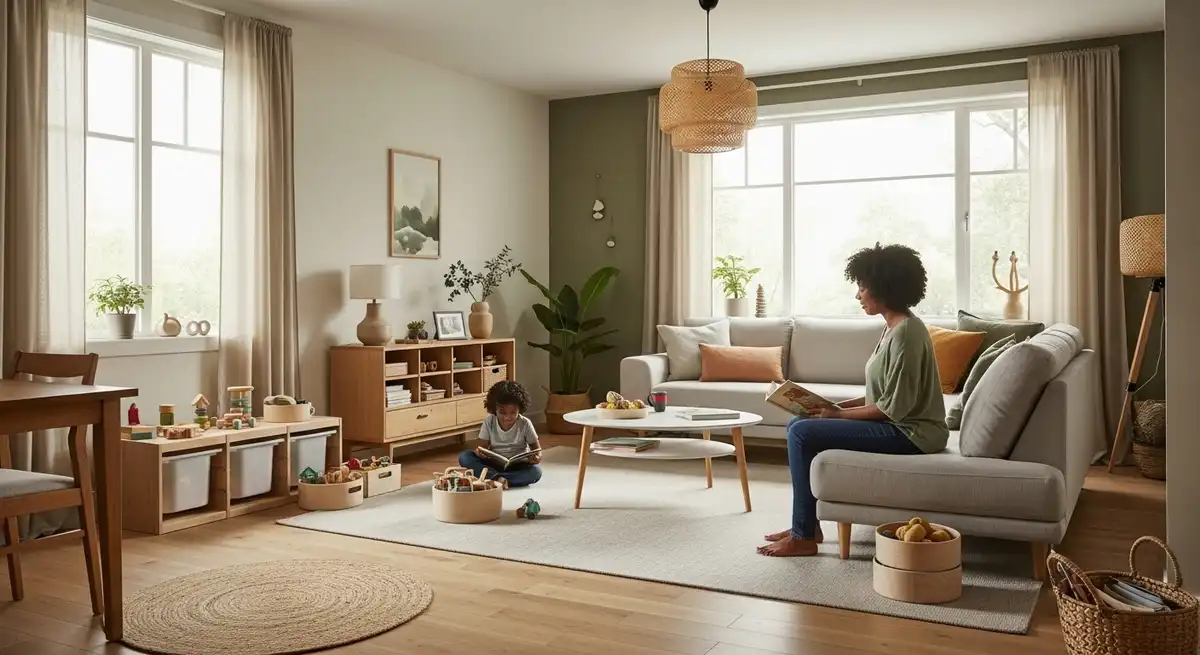

Living on one income has become a common reality for many families due to caregiving needs, lifestyle choices, or changing work patterns. This arrangement often brings emotional and financial adjustments that affect daily routines, family relationships, and long term planning. A peaceful home in this context is built through clarity, consistency, and shared responsibility rather than income level alone.
A single income household frequently requires closer attention to spending, communication, and emotional balance. When these areas are approached thoughtfully, families often report greater predictability and reduced day to day tension. Peace develops gradually through realistic expectations, practical systems, and mutual understanding rather than sudden lifestyle changes.
This editorial guide explains how a peaceful home can be supported on one income using safe, evidence informed lifestyle principles. The focus remains on everyday habits, financial clarity, and emotional steadiness that align with responsible wellness guidance. All strategies discussed are informational and intended to support balance, not replace professional financial or personal support.
Build peaceful home income: Understanding the Reality of a One Income Household
A one income household usually means one partner earns wages while the other contributes through caregiving, household coordination, or unpaid labor that keeps daily life functioning. This structure is widely seen among families with young children, elder care needs, or deliberate lifestyle choices. Recognizing unpaid work as meaningful labor helps establish mutual respect and shared responsibility.
Financial strain in these households often stems from uncertainty rather than income size. Research in family wellbeing consistently shows that unpredictability increases stress more than limited resources. Establishing routines, stable systems, and clear expectations helps families feel grounded even when budgets are tight.
Peace in a one income home grows when families stop measuring success against external standards. Focusing on what can be managed supports steadier emotions and clearer decisions. Over time, this perspective reduces friction and supports a calmer home atmosphere.
Building a Shared Financial Mindset
A shared financial mindset treats money as a household resource rather than an individual achievement. In one income homes, imbalance can develop if earning is seen as authority or non earning as dependence. Reframing finances as a shared system helps reduce emotional distance and supports equality.
Studies on relationship satisfaction show that couples who approach money collaboratively experience fewer conflicts during financial pressure. Shared decision making builds trust and creates a sense of partnership. This mindset also makes adjustments easier when circumstances change.
Developing this approach involves ongoing conversation and acknowledgment of each person’s role. Paid income, caregiving, and home management all contribute to stability. When these contributions are valued equally, emotional security improves.
Defining Shared Goals With Clarity
Clear financial goals provide structure and direction in a one income household. Goals may include emergency savings, debt reduction, education planning, or maintaining flexibility for future transitions. When defined together, these goals give meaning to everyday financial choices.
Writing goals down helps make them tangible and shared. Families benefit from revisiting goals periodically to reflect changing needs or priorities. This review process keeps expectations realistic and supports adaptability.
Shared goals also reduce emotional tension during difficult months. Rather than focusing on limitations, families can focus on progress. This sense of purpose supports patience, cooperation, and long term peace.
Managing Breadwinner Pressure Safely
The earning partner in a one income household often carries emotional pressure related to responsibility and stability. Without open discussion, this pressure can lead to fatigue or withdrawal. Acknowledging this experience helps prevent isolation.
Occupational wellbeing research shows that shared emotional responsibility reduces stress. Talking openly about concerns and limits supports healthier coping. Breadwinning does not require emotional silence to be effective.
Families often find relief in discussing contingency plans calmly. Knowing alternatives exist reduces fear even if they are never used. This preparedness supports emotional steadiness and confidence.
Transparency as a Foundation for Trust
Transparency around finances supports trust and predictability. Hidden spending or unspoken worries often create more strain than limited income. Clear systems help both partners feel informed and involved.
Shared access to budgets, savings, and upcoming expenses reduces misunderstandings. Studies on financial communication link transparency with stronger relationships during economic stress. Awareness encourages cooperation rather than suspicion.
Transparency should feel supportive, not controlling. The aim is shared understanding. When information flows openly, households experience fewer disputes and greater emotional safety.
Structuring a Realistic Budget
Budgeting in a one income home provides clarity rather than restriction. A realistic budget reflects actual expenses instead of ideal assumptions. Flexibility within structure helps families adapt without constant stress.
Common budgeting frameworks can be adjusted to fit real conditions. Many households temporarily allocate more toward necessities during transitions. This adjustment reflects practicality, not failure.
A clear budget reduces decision fatigue. When boundaries are defined, daily choices require less emotional effort. Over time, predictability supports calmer routines.
Protecting Personal Discretionary Needs
Limited discretionary spending supports emotional balance. Removing all personal choice often leads to burnout or impulsive spending later. Small allowances maintain dignity and autonomy.
Each partner identifying one protected spending category acknowledges individuality. This reduces feelings of deprivation and supports cooperation. Planned discretion does not undermine discipline.
Clear boundaries prevent guilt and suspicion. When expectations are agreed upon, spending choices feel safer. This balance supports harmony.
Preparing for Transitions Thoughtfully
Gradual adjustment helps families transitioning to one income. Temporarily saving one income while living on the other provides insight and security. This approach reduces shock.
Testing single income living reveals true expenses and habits. Families can adjust slowly and confidently. Emotional adjustment becomes easier.
Preparation builds confidence. Feeling ready reduces fear and supports cooperation. This readiness contributes to peace.
Establishing Regular Financial Check Ins
Scheduled financial check ins prevent reactive conflict. Predictable discussions occur with calmer emotions and clearer focus. Research links routine money conversations with stronger relationships.
These meetings work best when structured. Reviewing facts first grounds the discussion. Feelings and decisions follow more smoothly.
Consistency matters more than length. Brief, regular check ins prevent issues from building. Over time, trust grows.
Cooling Emotional Intensity During Conflict
Financial disagreements can escalate quickly. Allowing time to cool down protects respect. Heightened emotions reduce problem solving ability.
Neutral language and focus on personal experience reduce defensiveness. This approach keeps conversations constructive.
Cooling off is a learned skill. Practicing pause supports long term harmony.
Documenting Agreements Clearly
Written agreements reduce confusion. Documenting budgets and responsibilities creates shared reference points. Clarity supports accountability.
Simple methods work well. Shared notebooks or files are enough. Regular updates keep records relevant.
Documentation supports fairness. Visible expectations reduce anxiety and build trust.

Creating a Calm Physical Environment
The physical environment shapes emotional wellbeing. Clutter increases cognitive load and visual stress. Organized spaces support calm and focus.
Reducing excess belongings simplifies maintenance. Clear surfaces support efficiency. Simplicity fosters control.
Minimalism here emphasizes usefulness. Keeping supportive items and releasing unused ones supports balance.
Prioritizing Quality Over Quantity
Choosing fewer durable items reduces long term stress. Constant replacement adds cost and effort. Quality supports predictability.
This approach aligns with mindful spending. Thoughtful purchases reduce impulse buying.
Quality choices also limit clutter. Less accumulation supports calm.
Establishing Functional Organization Systems
Organization systems reduce daily friction. Assigning places for items saves time and reduces conflict. Consistency builds habits.
Practical systems match real usage. Accessibility matters more than appearance.
Over time, organization becomes automatic. Reduced friction preserves emotional energy.
Planning Meals With Intention
Meal planning supports stability. Knowing meals in advance reduces daily stress. Planning also manages spending.
Weekly planning based on inventory reduces waste. Consistency supports sustainability.
Predictable meals support routines. Stability benefits everyone.
Using Freezer Cooking Strategically
Freezer cooking supports time and budget control. Preparing meals ahead reduces reliance on convenience foods.
Ready meals ease busy days. Predictability supports emotional regulation.
This practice supports resilience. Preparedness brings peace.
Choosing Nutrition Over Convenience
Whole foods often offer better value. Home cooking supports quality and cost control.
Simple recipes reduce mental load. Repetition is acceptable.
Consistent nourishment supports energy and mood. Stability supports calm.
Addressing Housing and Transportation Costs
Housing and transport shape budgets. Thoughtful adjustments reduce pressure.
Smaller homes reduce costs. Transportation changes free resources.
Targeting big expenses matters. Strategic changes support peace.
Managing Utility Use Mindfully
Utilities hide costs. Mindful use reduces expenses without discomfort.
Efficiency creates predictable bills. Predictability reduces anxiety.
Small changes add up. Stability grows.
Navigating Social Spending Pressure
Social expectations strain budgets. Clear boundaries protect wellbeing.
Open explanations reduce guilt. Transparency supports self respect.
Media choices matter. Less comparison supports contentment.
Applying Waiting Periods for Purchases
Waiting periods reduce impulse spending. Time clarifies need.
Mindful consumption improves satisfaction. Discernment supports budgets.
This habit supports stability. Peace follows.
Supporting Parenting Within One Income Homes
One income homes often provide more caregiving time. Structure supports security.
Clear communication builds understanding. Children benefit from transparency.
Routines support regulation. Stability benefits all.

Integrating Mindfulness Safely Into Daily Life
Mindfulness here means awareness during daily tasks. It is a supportive lifestyle practice.
Simple breathing during routines supports steadiness. Consistency matters.
Awareness supports calmer responses. Harmony grows.
Balancing Work and Home Responsibilities
Clear task division reduces conflict. One income does not mean unequal contribution.
Regular review supports flexibility. Adaptation supports peace.
Acknowledgment matters. Respect strengthens systems.
Frequently Asked Questions
Is it possible to live comfortably on one income.
Yes, many families live comfortably on one income by aligning expenses with priorities and maintaining predictable routines. Comfort often comes from stability rather than excess. Clear budgeting, communication, and realistic expectations commonly support a sense of ease within single income households.
How do couples manage money with one income.
Couples typically manage money on one income through shared systems and transparent communication. Joint budgeting and regular reviews support alignment. Treating income as a household resource rather than individual ownership is commonly associated with reduced conflict.
How much should a single income family spend on groceries.
Grocery spending varies by region and household size. Many families aim for a consistent percentage of take home income rather than a fixed amount. Planning meals and reducing waste commonly help maintain balance without undue restriction.
How do families reduce resentment around earning roles.
Resentment often decreases when contributions are acknowledged openly. Recognizing unpaid labor as essential supports emotional balance. Regular conversation about appreciation and shared goals commonly helps maintain respect.
What budgeting approach works best for one income homes.
Flexible budgeting frameworks are often most effective. Adjusting proportions based on real expenses supports sustainability. Consistency and review matter more than strict adherence to ideal ratios.
How can families save with children on one income.
Saving with children often involves prioritizing essentials and simplifying routines. Involving children in understanding limits supports cooperation. Small, consistent savings are commonly more effective than large, irregular efforts.
Are joint accounts better for one income households.
Joint accounts are commonly used in one income homes to support transparency. Clear agreements matter more than account type. Shared visibility often supports trust and cooperation.
How large should an emergency fund be.
Many financial educators suggest several months of expenses. Building gradually supports confidence. Emergency funds are commonly used to reduce anxiety rather than as investment tools.
How do families handle disagreements about money.
Disagreements are often managed through calm discussion and clear boundaries. Documenting decisions supports clarity. Avoiding reactive conversations supports resolution.
Can a peaceful home exist without high income.
Yes, peace is commonly associated with predictability and emotional safety rather than income level. Simple routines and clear communication support calm environments. Financial simplicity often supports emotional stability.
Conclusion
Building a peaceful home on one income is a gradual process rooted in clarity, cooperation, and realistic planning. When families align values with daily habits, financial pressure becomes more manageable. Through shared responsibility, mindful routines, and consistent communication, many households experience stability and calm regardless of income size.
Medical Disclaimer
This content is for informational purposes only and does not constitute medical, financial, or mental health advice. It does not replace guidance from qualified professionals. Consult appropriate professionals before making significant lifestyle, financial, or health related changes, especially if personal circumstances require individualized support.
For wider background on this, see the World Health Organization classifies burn-out as an occupational phenomenon.