
Emotional intelligence plays a steady role in how people manage pressure, relationships, and everyday decisions. It reflects the ability to notice emotions, understand how they influence behavior, and respond with care rather than impulse. In daily life, emotional intelligence is shaped through small habits practiced consistently, not through personality traits or dramatic personal change.
Many people associate emotional intelligence with leadership or professional success, yet its influence is equally visible at home, in parenting, friendships, and caregiving roles. Ordinary interactions often carry emotional signals that affect stress, patience, and connection. When emotional intelligence is supported through daily habits, routines tend to feel more predictable and less emotionally draining.
Wellness educators often describe emotional intelligence as a practical life skill rather than an abstract psychological concept. It does not require emotional suppression or constant positivity. Instead, it involves recognizing emotions early and choosing responses that support stability, respect, and clarity in everyday situations.
Daily Habits That Strengthen Emotional Intelligence: Understanding Emotional Intelligence as a Lifestyle Skill
Emotional intelligence is commonly described through five connected abilities: self-awareness, self-regulation, motivation, empathy, and social awareness. Together, these abilities influence how emotions guide decisions, communication, and behavior. In daily routines, emotional intelligence supports steadier responses during pressure, disagreement, and uncertainty.
Self-awareness refers to noticing emotional states as they arise without judgment. This awareness helps people recognize patterns in reactions, energy, and communication habits over time. As a lifestyle practice, self-awareness encourages understanding rather than self-criticism or emotional avoidance.
Self-regulation involves creating space between feeling and action. It does not mean controlling emotions completely, but allowing time to respond thoughtfully. In everyday life, self-regulation is often supported by simple habits that slow reactions during emotionally charged moments.
Empathy and social awareness focus on recognizing emotional cues in others and responding respectfully. These skills are especially relevant in shared environments such as workplaces, families, and caregiving settings. Emotional intelligence in this sense supports cooperation and psychological safety without requiring agreement or emotional alignment.
Morning Foundations for Emotional Clarity
Morning routines often shape how emotions are handled throughout the day. Early awareness influences how stressors and interactions are interpreted later. A brief emotional check-in in the morning helps connect internal states with upcoming responsibilities.
A simple emotional check-in involves noticing the most present emotion upon waking. The purpose is acknowledgement, not change. Many people find that this awareness reduces surprise reactions during busy mornings or early conversations.
By identifying emotional tone early, expectations become more realistic. This habit supports emotional intelligence by reducing emotional spillover into unrelated situations. Over time, it becomes a neutral part of daily preparation rather than an added task.
Mindful breathing is often paired with morning awareness practices. Slow breathing helps settle physical tension that accompanies emotional states. In wellness education, mindful breathing is viewed as a grounding habit rather than a relaxation technique.
Practicing mindful breathing for a few minutes supports nervous system balance before demands increase. This practice does not remove stress but helps prevent escalation. Many people use it to support focus and calm communication during early responsibilities.
Mastering Self-Awareness Through Emotion Labeling
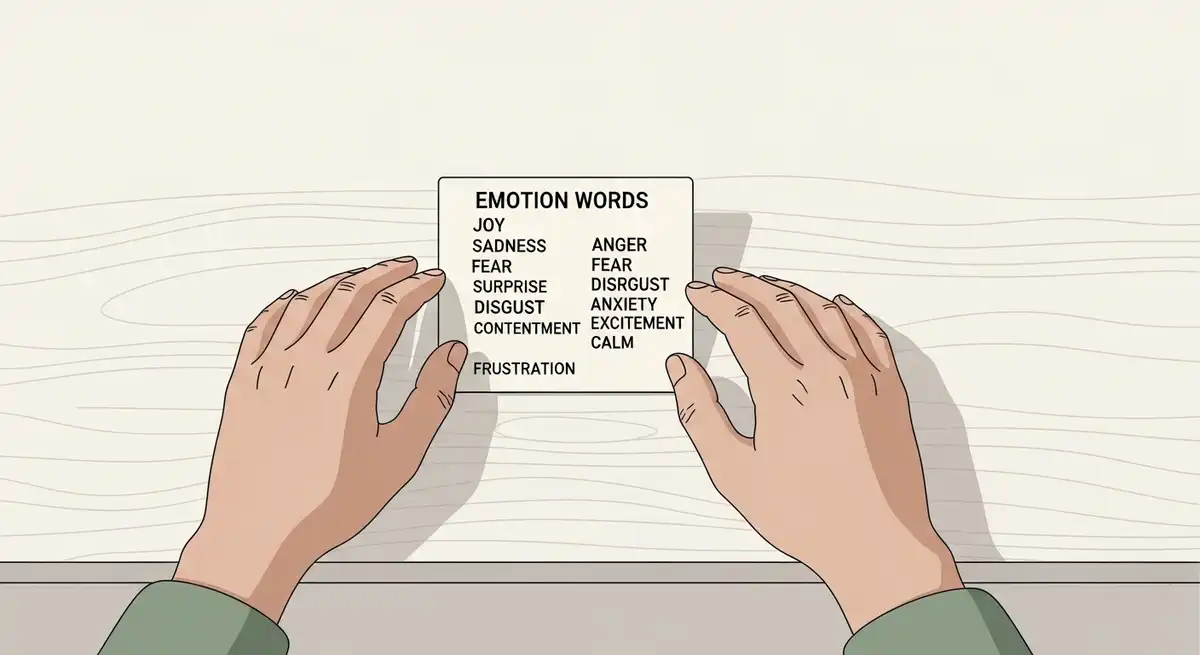
Emotion labeling refers to naming emotions with clarity and accuracy. Instead of vague descriptions, specific emotional terms are used. This clarity supports emotional intelligence by improving understanding and reducing emotional confusion.
Wellness educators often note that emotions feel more manageable when clearly identified. Naming emotions brings structure to internal experiences that might otherwise feel overwhelming. This practice is commonly associated with improved emotional regulation and communication.
Emotion labeling is typically used during mild or moderate emotional activation. It is not reserved for crisis situations. In daily life, labeling emotions supports perspective during routine challenges and decisions.
Some people use simple visual systems to track emotional states. The traffic light method groups emotions into green, yellow, and red categories. This approach simplifies awareness without encouraging overanalysis.
Using color-based categories allows quick recognition of emotional intensity. Green represents calm engagement, yellow signals rising tension, and red reflects high activation. This method supports emotional intelligence by encouraging early response before reactions escalate.
Strengthening Empathy Through Perspective Awareness
Empathy involves recognizing emotions in others without taking responsibility for them. It supports respectful communication and cooperation across differences. In daily life, empathy often begins with intentional perspective awareness.
Perspective awareness includes acknowledging that others may be influenced by pressures not immediately visible. This recognition softens rigid interpretations of behavior. Many people find this habit reduces defensiveness during disagreement.
In professional and family settings, perspective awareness supports smoother interactions. It does not excuse harmful behavior. Instead, it encourages balanced responses that preserve boundaries while maintaining respect.
Identifying shared emotional needs is another empathy-based habit. Common needs include respect, clarity, safety, and acknowledgment. Recognizing these needs beneath surface disagreements supports constructive dialogue.
When focus shifts from blame to unmet needs, conversations often become less reactive. This approach supports emotional intelligence by reframing conflict as a shared challenge. Over time, it contributes to healthier relationship patterns.
Communication Habits That Support Emotional Intelligence
Communication habits strongly influence emotional environments. Emotional intelligence often shows through listening quality, response timing, and clarification. Small adjustments in communication can have lasting effects on trust and cooperation.
Active listening involves full attention without interruption or planning responses. It focuses on understanding rather than fixing. Many people notice that active listening reduces tension and builds mutual respect.
This habit supports emotional intelligence by validating experiences without judgment. It also reduces misinterpretation and escalation. Over time, active listening becomes a stabilizing presence in conversations.
Non-verbal awareness supports accurate interpretation of emotional cues. Tone, facial expression, posture, and pacing often communicate emotion beyond words. Paying attention to these signals improves understanding.
Non-verbal awareness encourages clarification rather than assumption. This practice supports emotional intelligence by preventing misunderstandings based on misread cues. It is especially useful in emotionally nuanced conversations.
The Pause-and-Respond Approach in Daily Stress
The pause-and-respond approach involves creating a brief gap before reacting emotionally. It is commonly recommended in stress awareness education. This habit supports emotional intelligence by allowing intentional responses.
A pause may involve a slow breath or silent counting before speaking. This short delay reduces impulsive reactions. Many people find this habit improves communication during tense moments.
Practicing pause-and-respond does not suppress emotion. It acknowledges feeling while choosing expression carefully. Over time, this habit strengthens self-regulation across daily interactions.
Identifying personal emotional triggers improves the effectiveness of pause-based habits. Triggers are situations or behaviors that consistently provoke strong reactions. Awareness allows earlier intervention.
Tracking triggers focuses on patterns rather than blame. This habit supports emotional intelligence by increasing predictability and choice. With awareness, reactions become less automatic and more adaptable.
Relationship Management and Constructive Conflict
Emotional intelligence plays an important role in managing disagreement. Conflict is a normal part of relationships, but responses shape outcomes. Daily habits influence whether conflict builds understanding or distance.
Using I statements is a widely taught communication practice. This method centers personal experience rather than accusation. It supports clarity while reducing defensiveness.
I statements describe feelings and specific situations without generalization. This habit supports emotional intelligence by maintaining accountability and respect. Over time, it contributes to safer communication environments.
Making actionable requests supports resolution rather than stagnation. Instead of focusing only on problems, requests invite collaboration. This approach supports shared responsibility.
Actionable requests clarify needs and expectations. They help conversations move forward without escalating tension. In daily life, this habit aligns communication with practical solutions.
Journaling for Emotional Growth and Reflection
Journaling is often used as a reflective wellness practice. When structured, it supports emotional intelligence through awareness and pattern recognition. It is generally viewed as a supportive lifestyle tool.
Reflective journaling focuses on emotions, reactions, and context. It does not require lengthy storytelling. Many people find short, consistent entries more sustainable.
Using prompts such as emotional highlights or challenges helps maintain focus. This habit supports emotional intelligence by reinforcing learning from daily experiences. Insights accumulate naturally over time.
Pattern recognition involves reviewing entries periodically. This practice helps identify recurring emotional responses. Awareness supports proactive adjustment.
Recognizing patterns does not require immediate change. It provides information that supports choice. This habit strengthens emotional intelligence by shifting responses from reactive to intentional.
Physical Foundations Supporting Emotional Balance
Physical wellbeing influences emotional regulation. Sleep, nutrition, and body awareness affect emotional capacity. Lifestyle guidance often emphasizes these foundations as supportive factors.
Sleep supports emotional processing and regulation. Limited sleep is commonly linked with irritability and reduced empathy. Prioritizing sleep consistency supports emotional intelligence.
Sleep routines do not need to be rigid. Small adjustments to timing and environment often help. This habit supports emotional steadiness during daily demands.
Body awareness involves noticing physical sensations linked to emotion. Tension, shallow breathing, or restlessness often signal overload. Awareness allows earlier response.
Mindful eating supports body awareness. Paying attention during meals strengthens the connection between body and emotion. This habit supports emotional intelligence by improving internal awareness.
Ending the Day With Reflection and Balance
End-of-day reflection supports emotional learning. This habit integrates experience without judgment. It encourages continuity between daily actions and long-term growth.
A brief review of one interaction helps consolidate insight. The focus stays on understanding rather than evaluation. Many people find this reduces rumination.
Reflection supports emotional intelligence by reinforcing adaptive responses. Over time, it contributes to calmer future interactions.
Gratitude practices often appear in evening routines. Gratitude shifts attention toward appreciation without denying difficulty. This balance supports regulation.
Listing specific moments of appreciation supports emotional perspective. This habit is commonly associated with steadier mood and emotional balance.
Parenting and Working-Life Relevance
Emotional intelligence habits are especially relevant for parents and working adults managing multiple roles. Daily demands leave limited space for emotional processing. Simple habits provide structure without pressure.
Parents often model emotional responses through everyday behavior. Awareness and calm responses influence family emotional climate. These habits support emotional literacy indirectly.
In workplaces, emotional intelligence supports collaboration and leadership presence. Clear communication and regulation reduce unnecessary conflict. These habits support sustainable professional relationships.
Balancing caregiving and work increases emotional load. Emotional intelligence habits support steadiness during transitions. They provide resilience without extra time demands.
Expanded Frequently Asked Questions
What are common daily habits associated with emotional intelligence
Common daily habits include emotional awareness, pause-based responses, active listening, and reflection. These habits support steadier communication and reduced reactivity. Consistency over time is commonly linked with meaningful improvement.
Can emotional intelligence be developed over time
Emotional intelligence is widely considered learnable through repeated practice. Lifestyle habits shape awareness and regulation gradually. Change is often subtle and builds through consistency rather than speed.
How does emotional intelligence support workplace wellbeing
Emotional intelligence supports workplace wellbeing by improving communication and reducing unnecessary conflict. It contributes to trust and psychological safety. These effects develop through daily habits rather than formal training alone.

Is journaling necessary for emotional intelligence development
Journaling is not required but often used as a supportive tool. Structured journaling reinforces awareness and pattern recognition. Many people prefer brief reflection that fits their routine.
How does sleep influence emotional awareness
Sleep supports emotional processing and regulation. Limited sleep is commonly associated with increased reactivity. Consistent sleep routines support emotional capacity in daily interactions.
Can emotional intelligence habits support parenting routines
Emotional intelligence habits influence parenting through modeling calm responses and awareness. These habits shape communication patterns. Emotional literacy develops through everyday behavior.
How does empathy relate to emotional intelligence
Empathy is a core part of emotional intelligence. It involves recognizing emotional cues without assumption. Empathy supports respectful communication and cooperation.
Are emotional intelligence habits suitable for busy schedules
Emotional intelligence habits are designed to fit into existing routines. Many take only a few minutes. Consistency matters more than duration.
Do emotional intelligence habits require professional guidance
These habits are considered lifestyle practices, not clinical interventions. They do not replace professional care. Many people use them as supportive tools.
How long does it take to notice changes from emotional intelligence habits
Changes develop gradually and vary between individuals. Subtle improvements may appear over several weeks. Long-term benefits are linked with sustained practice.
Editorial Conclusion
Daily habits that strengthen emotional intelligence support calmer responses, clearer communication, and steadier relationships over time. These habits work through repetition rather than intensity. Practiced consistently within everyday routines, emotional intelligence becomes a practical lifestyle skill supporting wellbeing, connection, and resilience.
Medical Disclaimer
This content is for informational purposes only and does not constitute medical or mental health advice. It does not diagnose, treat, cure, or prevent any condition. Consult a qualified healthcare professional for concerns related to physical or mental wellbeing.
For wider background on this, see the American Psychological Association on stress.